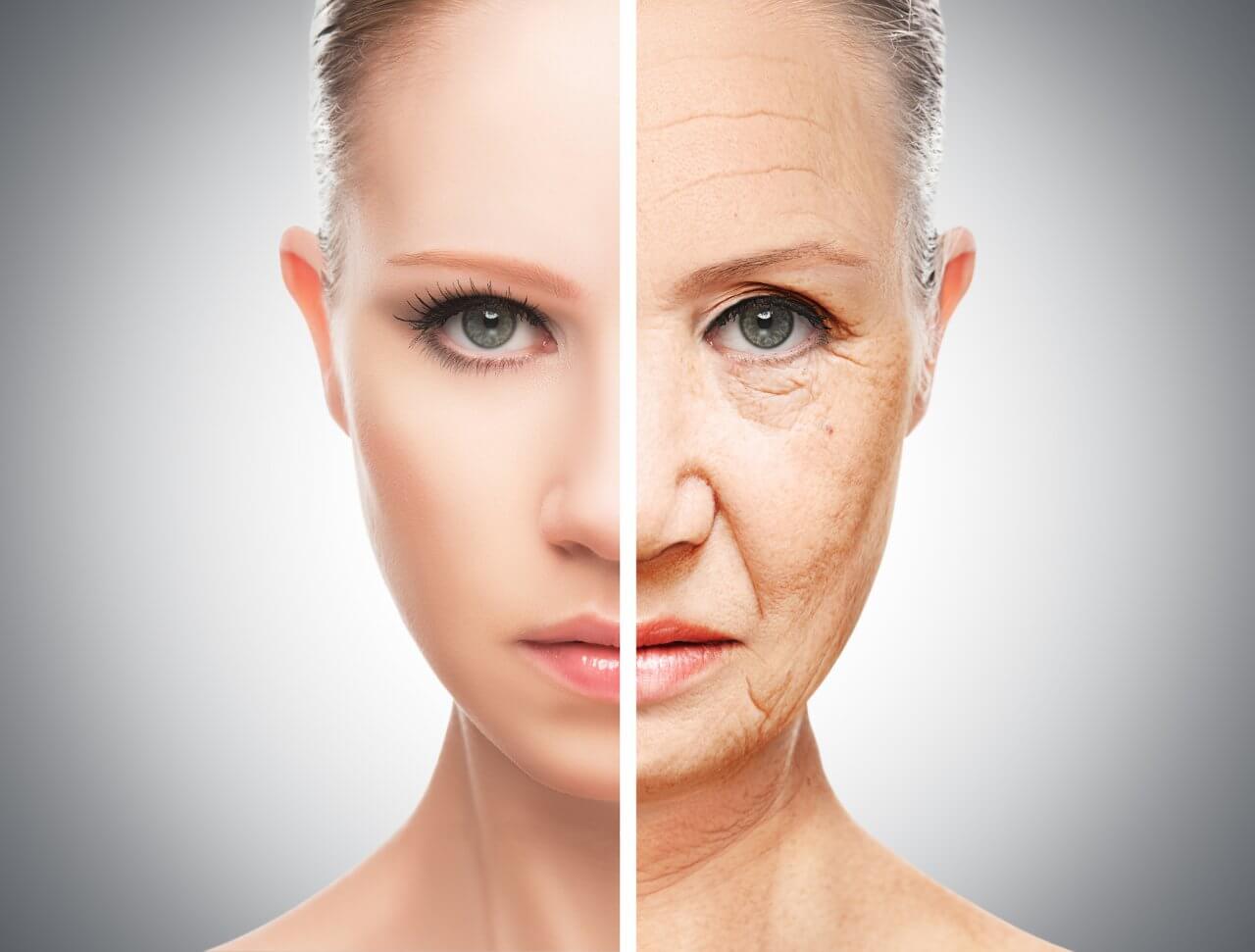
The phenomenon of ageless icons actors who defy time and look younger than their age captivates public fascination, driven by a combination of genetic fortune, rigorous lifestyle disciplines, and advanced dermatological care. These performers maintain youthful appearances that often defy chronological decades, reshaping expectations of aging in the public eye.
The endurance of youthfulness among certain film and television stars is not merely a trick of lighting or digital editing; it represents a convergence of biological advantages, disciplined personal maintenance, and the demands of modern media longevity. While the entertainment industry has always prized youth, contemporary performers are redefining what it means to age in the spotlight. Understanding the mechanisms behind this timeless appearance requires looking past the surface glamour to examine the biological, environmental, and professional factors that allow these individuals to maintain their youthful presentations year after year.
The Intersection of Genetics and Biological Aging
Genetics plays a foundational role in how individuals age, dictating skin elasticity, cellular repair rates, and fat distribution beneath the dermal layers. Certain actors inherit variations in genes responsible for collagen synthesis and antioxidant production, which protect against cellular damage caused by free radicals and ultraviolet radiation. These genetic markers influence intrinsic aging—the natural, unpreventable slowdown of physiological functions over time.
However, genetic predisposition alone does not account for the striking preservation seen in many ageless icons. Epigenetics, the study of how behaviors and environment can cause changes that affect the way genes work, provides further insight. Actors who possess favorable genetic profiles often optimize them through lifelong habits that minimize epigenetic damage. For instance, individuals with robust natural skin barriers still require protection against extrinsic aging factors, which include sun exposure, pollution, and lifestyle stressors. The interaction between inherited cellular resilience and proactive cellular protection creates a baseline from which these performers maintain their youthful visages.
Lifestyle Disciplines That Preserve Youthful Vigor
Beyond genetics, the daily routines of actors who defy their age typically involve strict adherence to health-promoting habits. Diet, sleep hygiene, and physical conditioning form the triad of physical preservation. Nutritionists and wellness experts working within the entertainment industry frequently emphasize anti-inflammatory diets rich in antioxidants, omega-3 fatty acids, and lean proteins. These dietary components support cellular repair and reduce systemic inflammation, which is a primary driver of tissue degradation and skin aging.
Physical activity is another critical pillar. Regular cardiovascular exercise and strength training improve circulation, ensuring that skin and muscle tissues receive an optimal supply of oxygen and nutrients. Furthermore, exercise stimulates the release of myokines and growth factors that support tissue regeneration throughout the body. Sleep is equally paramount; deep sleep cycles trigger the production of human growth hormone (HGH) and facilitate skin cell turnover. Actors who consistently secure restorative sleep avoid the micro-traumas associated with chronic fatigue, such as degraded collagen networks and impaired dermal moisture barriers.
Dermatological Innovations and Non-Invasive Maintenance
While lifestyle and genetics provide a strong foundation, the modern landscape of aesthetic dermatology offers sophisticated tools that help actors maintain their youthful appearance. Unlike past decades, where surgical interventions were often the only recourse, contemporary cosmetic maintenance favors non-invasive and minimally invasive procedures designed to preserve natural movement and expression.
Dermatological science now relies heavily on preventative treatments rather than purely corrective ones. Procedures such as picosecond lasers, micro-focused ultrasound, and radiofrequency microneedling stimulate neocollagenesis—the generation of new collagen fibers—without requiring extended recovery periods. Additionally, targeted skincare regimens incorporating retinoids, peptides, and broad-spectrum sunscreens are standard daily practices for performers seeking to protect their dermal integrity against environmental stressors.
| Treatment Category | Primary Purpose | Recovery Time | Typical Duration of Results |
|---|---|---|---|
| Topical Retinoids | Cell turnover and collagen stimulation | None | Continuous daily use |
| Radiofrequency Microneedling | Dermal remodeling and tightening | 1 to 3 days | 6 to 12 months |
| Picosecond Laser Resurfacing | Pigmentation correction and texture refinement | 2 to 5 days | Varies by condition |
| Injectable Neuromodulators | Dynamic wrinkle relaxation | Minimal (hours) | 3 to 4 months |
The Psychological and Professional Pressures of Agelessness
Maintaining an ageless appearance in the public eye involves navigating intense psychological and professional demands. The entertainment industry places a premium on visual consistency, often expecting actors to portray characters across wide age ranges or to maintain a specific iconic look for decades. This pressure can create a complex relationship with aging, where personal identity becomes intertwined with public perception.
Performers must balance the desire for personal authenticity with the commercial realities of casting directors and audiences who may struggle to accept natural signs of aging in established stars. This dynamic has driven a cultural shift toward transparency, with many actors openly discussing their wellness routines, skincare regimens, and boundaries regarding cosmetic enhancements. By demystifying the maintenance required to look younger than one's chronological age, these icons help foster a healthier dialogue around aging, performance longevity, and self-care in high-visibility professions.
Common Misconceptions About Aging in Hollywood
Public perception of ageless actors is frequently clouded by myths regarding the origin of their youthful appearances. A prevalent misconception is that eternal youth is exclusively the result of expensive cosmetic surgeries or invasive procedures. While surgical options exist, relying solely on them often results in an unnatural appearance that fails the rigorous scrutiny of high-definition cameras and close-up cinematography.
Another common myth is that genetics completely absolve individuals from the need for disciplined self-care. In reality, even those blessed with exceptional genetic traits experience accelerated aging if they neglect fundamental health practices such as sun protection, hydration, and stress management. Furthermore, the role of professional styling—including specialized lighting, makeup artistry, and wardrobe selection—is frequently underestimated by audiences attempting to replicate these celebrity appearances without the support of a professional production team.
Frequently Asked Questions
Do ageless actors rely entirely on plastic surgery?
No, the vast majority of actors known for looking younger than their age rely on a combination of genetics, healthy lifestyles, and non-invasive dermatological treatments. Invasive surgeries are often used sparingly because over-correction can interfere with facial expressiveness required for acting.
How much does genetics influence how old a person looks?
Genetics heavily influence structural aging, such as bone density, fat distribution, and natural skin elasticity. However, environmental factors and lifestyle habits dictate up to half of how skin and tissue age over time, meaning personal routines play an equally vital role.
What skincare ingredients are most effective for preventing aging?
Dermatologists consistently highlight broad-spectrum sunscreens, retinoids (such as tretinoin), and antioxidants like vitamin C as the most scientifically validated ingredients for preventing and mitigating signs of skin aging.
Why do some performers look significantly younger than their peers of the same age?
Disparities in physical appearance are generally driven by differences in sun exposure history, smoking habits, stress levels, sleep quality, and access to advanced nutritional and dermatological care over many decades.
Is preventative skincare effective when started later in life?
Yes, while early intervention yields the best results, adopting protective skincare habits and dermatological treatments at any age can significantly improve skin texture, hydration, and overall dermal health.
Navigating Your Own Longevity and Wellness Journey
For individuals seeking to apply the principles observed in ageless icons to their own lives, the most effective approach is consistency in foundational health habits rather than chasing fleeting aesthetic trends. Prioritizing daily sun protection, maintaining a nutrient-dense diet, ensuring adequate sleep, and establishing a tailored skincare routine with a qualified dermatologist provide verifiable benefits for long-term physiological and dermal health. Focus on sustainable lifestyle adjustments that support cellular repair and systemic well-being to achieve natural, enduring vitality.