Age and status intersect to shape social standing, legal rights, economic opportunities, and cultural expectations across life stages. Chronological age frequently determines institutional privileges and obligations, while social status reflects accumulated wealth, professional achievement, and demographic positioning within hierarchical structures.
Understanding how these two dimensions interact requires examining the historical, legal, and sociological mechanisms that govern human life. From employment protections and financial eligibility thresholds to shifting cultural norms around maturity and prestige, the relationship between how old an individual is and where they stand in society dictates everything from public policy design to individual life trajectories.
Historical and Sociological Foundations of Age-Based Hierarchies
Human societies have consistently organized social structures around age and status, transforming biological maturation into cultural and political frameworks. Historically, tribal and agrarian communities relied on age grades to determine labor distribution, ritual participation, and marital eligibility. Elders frequently held preeminent social status due to accumulated knowledge, spiritual authority, and control over scarce resources like land or livestock. This gerontocratic model established a baseline where chronological progression directly correlated with social elevation.
As industrialization reshaped global economies, the nature of age-based status underwent a radical transformation. The rise of wage labor and formal education systems introduced standardized life-course markers: childhood for schooling, adulthood for workforce participation, and old age for retirement. State-sponsored institutions codified these transitions by establishing legal age floors and ceilings. For instance, the creation of modern pension systems in the late 19th and early 20th centuries institutionalized the concept of retirement, officially redefining advanced age from a period of continued productivity to one of state-supported leisure or dependency.
Concurrently, sociological theories of aging began to deconstruct the friction between biological decline and social valuation. Disengagement theory posited that it is natural and mutually acceptable for older adults and society to sever ties, leading to a reduction in social status. Conversely, activity theory argued that social well-being depends on maintaining mid-life roles and status levels into older age. Modern sociological frameworks view aging as a dynamic, socially constructed process where an individual's status is continuously negotiated against shifting economic demands, technological advancements, and demographic changes.
Legal Frameworks and Institutional Thresholds
Legal systems worldwide rely on strict chronological definitions to allocate rights, responsibilities, and protections, effectively binding age directly to legal status. These thresholds establish clear boundaries between minor and adult status, granting citizens the capacity to vote, sign contracts, marry, and consume regulated substances at designated birthdays. While these lines provide administrative clarity, they often ignore individual maturity variations, creating complex legal debates regarding capacity and culpability.
In the professional sphere, labor laws explicitly protect workers from discrimination based on age, attempting to decouple chronological age from professional status and earning potential. For example, legislative measures such as the Age Discrimination in Employment Act (ADEA) in the United States prohibit employment discrimination against persons 40 years of age or older. Despite these protections, older workers frequently encounter systemic status erosion, often referred to as ageism, where technological shifts or corporate restructuring disproportionately devalue senior experience in favor of younger, lower-cost labor pools.
Institutional thresholds also govern financial and civic life, where specific age milestones trigger significant shifts in socioeconomic status. The table below illustrates standard age-based institutional milestones and their corresponding structural impacts:
| Age Milestone | Primary Institutional Trigger | Associated Status Change |
|---|---|---|
| 18 Years | Majority Age / Electoral Enfranchisement | Acquisition of full legal autonomy, voting rights, and contractual capacity. |
| 21 Years | Regulatory Consumption and Licensing Limits | Authorization to purchase regulated goods and assume specialized legal liabilities. |
| 62 to 67 Years | Statutory Retirement Eligibility | Transition from active labor market participant to beneficiary of social insurance programs. |
| 70.5 to 73 Years | Mandatory Distribution Requirements | Compulsory drawdown of tax-deferred retirement accounts, altering asset status. |
Economic Dimensions: Wealth Accumulation and Status Generation
The economic interplay between age and status centers heavily on the lifecycle hypothesis of savings, which suggests that individuals accumulate wealth during their working years to smooth consumption across retirement. Consequently, peak economic status—measured by net worth, homeownership rates, and investment portfolios—frequently correlates with mid-to-late career stages, typically between ages 45 and 64. Younger cohorts, conversely, often experience negative or low net worth due to educational debt acquisition and entry-level earnings, placing them in a structurally subordinate economic status despite high educational attainment.
This wealth-age dynamic creates profound structural inequalities. Generational wealth transfers, housing market inflation, and shifting pension landscapes mean that contemporary younger generations may not achieve the same economic status at comparable ages as their parents or grandparents. The commodification of status symbols has also evolved; whereas status was once visibly signaled by material possessions, contemporary status often manifests through access to intangible assets, such as specialized healthcare, elite educational opportunities, and remote work flexibility.
Furthermore, the gig economy and decentralized digital marketplaces have disrupted traditional career trajectories, allowing younger individuals to achieve rapid, highly visible economic status independently of traditional corporate hierarchies. However, these same platforms often lack the long-term stability, health insurance, and retirement contributions associated with traditional employment, leaving individuals vulnerable to sudden status reversals as they age out of high-energy, trend-driven sectors.
Cultural Perceptions and the Modern Status Paradox
Cultural narratives surrounding age and status are heavily influenced by media representation, consumer marketing, and societal obsession with youth. In many consumer-driven economies, youth is hyper-valued and commodified, often equated with vitality, adaptability, and high social currency. This cultural bias can precipitate a status paradox for older populations: while they may hold the majority of society's wealth and political power, their cultural visibility and perceived relevance frequently decline.
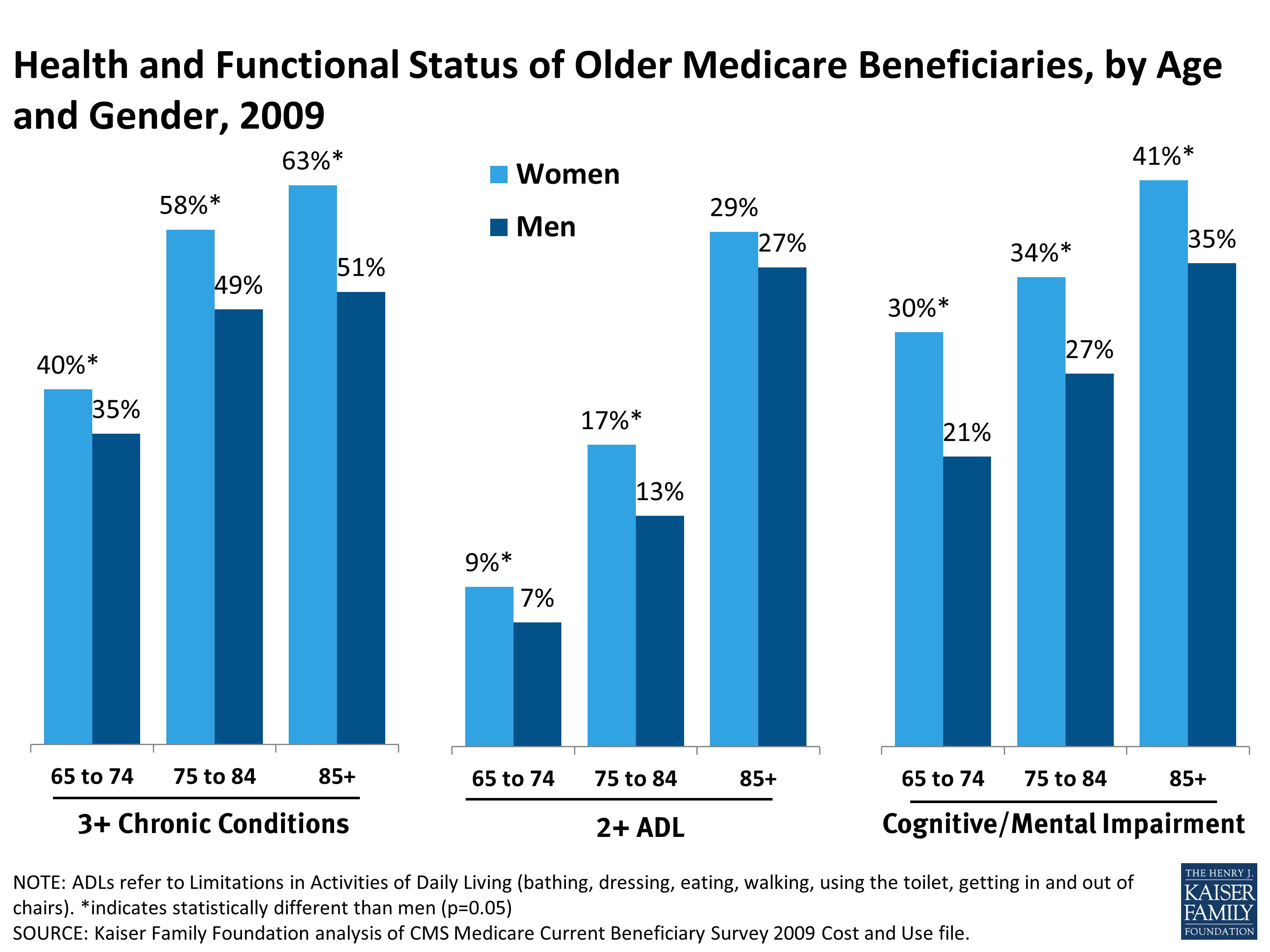
Gender intersects heavily with this cultural paradox. Studies on aging consistently show that women experience the devaluation of age-based status earlier and more severely than men, driven by entrenched cultural double standards that tie female social value to physical appearance and reproductive capacity. Conversely, aging in men is frequently romanticized as a process that enhances professional gravitas and intellectual authority, shielding them from the same rapid status depreciation.
To counteract these disparities, modern social movements increasingly advocate for positive aging and intergenerational equity. By reframing aging not as a period of inevitable decline but as a distinct stage of civic engagement, mentorship, and continued productivity, cultural institutions are slowly expanding the parameters of what constitutes high status in later life. This shift challenges linear models of human value, emphasizing that capability and contribution do not cease at a designated retirement age.
Frequently Asked Questions
How does chronological age legally affect an individual's social status?
Chronological age establishes the legal boundaries for civil rights, contractual capacity, and criminal liability. By setting specific age minimums for voting, marriage, military service, and financial independence, the state formally transitions individuals from dependent minors to autonomous citizens with full legal status.
Why do older workers face systemic challenges regarding professional status?
Older workers often encounter structural ageism, where rapid technological changes and corporate restructuring lead employers to incorrectly perceive older staff as less adaptable or too costly. Despite legal protections like age discrimination acts, these biases can stall career advancement and erode professional status.
What is the relationship between age, wealth accumulation, and social standing?
Wealth accumulation generally follows a lifecycle curve, peaking during pre-retirement years when individuals have had decades to build assets, purchase real estate, and advance in their careers. This economic peak typically translates into higher social standing, community influence, and financial security compared to younger demographics.
How has the digital economy changed the relationship between age and status?
The digital economy has disrupted traditional age-hierarchies by allowing younger individuals to leverage technology and niche markets to achieve rapid wealth and influence independently of tenure. However, it has also created precarity, as gig-economy models often lack the long-term security traditionally associated with career maturity.
Do cultural perceptions of aging differ between genders?
Cultural perceptions of aging exhibit significant gender disparities. Women frequently face accelerated status depreciation due to societal biases that disproportionately link female value to youth and appearance, whereas aging in men is more often associated with accumulated authority and professional respect.
Navigating Life-Stage Transitions and Preserving Agency
Securing long-term stability across shifting life stages requires proactive planning, continuous skills development, and acute awareness of legal and financial rights. Individuals must actively manage their career trajectories, retirement portfolios, and estate planning well in advance of statutory age milestones to maintain personal autonomy and social status. By understanding the institutional frameworks and cultural biases that govern age-based expectations, individuals can better navigate transitions, protect their socioeconomic standing, and advocate for equitable treatment across all phases of the life course.