Age reliability refers to the statistical probability that a physical asset, component, or system will continue to perform its required functions without failure over a specific duration of its operational life. It is the intersection of mechanical endurance, maintenance history, and predictive modeling, serving as a critical metric for engineers, insurers, and facility managers to determine when an item transitions from a state of functional utility to a high-risk liability.
Defining the Reliability-Age Relationship
At the core of asset management lies the "bathtub curve," a conceptual model that illustrates the failure rates of systems over time. Age reliability analysis relies on this model to categorize the lifespan of equipment into three distinct phases: the infant mortality phase, where early failures occur due to manufacturing defects; the useful life phase, characterized by random, low-frequency failures; and the wear-out phase, where age-related degradation leads to an exponential increase in failure probability.
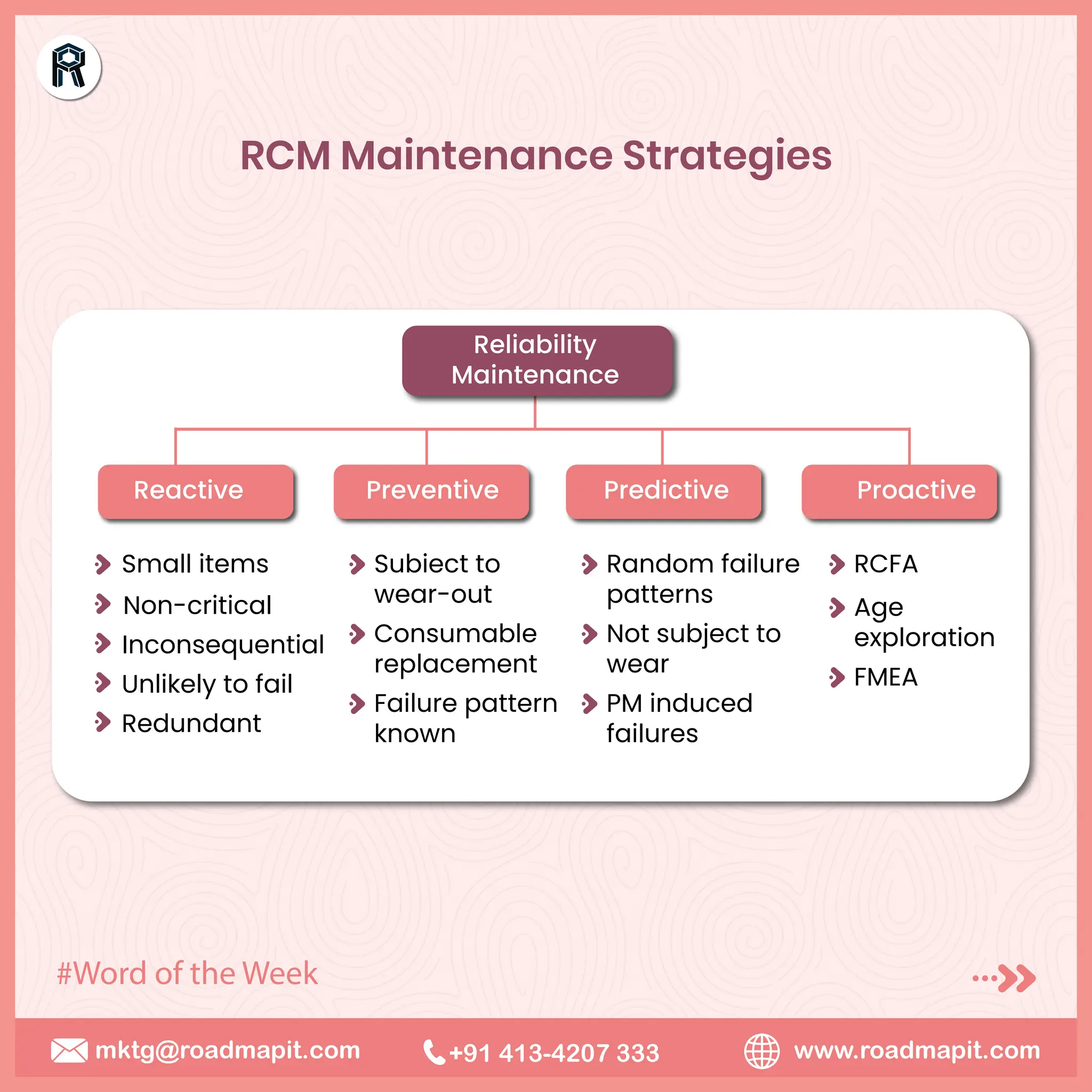
The primary objective of assessing age reliability is to identify the transition point from the useful life phase into the wear-out phase. By understanding the degradation characteristics of specific materials—such as metal fatigue in structural steel or thermal breakdown in electronic capacitors—organizations can implement proactive maintenance strategies. This shift from reactive "fix-it-when-it-breaks" policies to condition-based or interval-based maintenance relies heavily on historical performance data and established engineering standards.
Factors Influencing Asset Longevity
Reliability is rarely a function of age alone; it is the product of age and operating context. Two identical pieces of machinery installed on the same date will exhibit different reliability profiles if their duty cycles, environmental exposure, and maintenance rigor differ.
- Operating Environment: Assets subjected to extreme temperatures, high vibration, or corrosive elements will experience accelerated degradation. This is often quantified as "equivalent operating age," which adjusts the chronological age based on the severity of the usage environment.
- Maintenance Regimen: Adherence to original equipment manufacturer (OEM) specifications is the baseline for reliability. Assets that receive preventative maintenance—such as scheduled lubrication, sensor calibration, and structural inspections—typically maintain higher reliability ratings well into their later years.
- Duty Cycle: Continuous operation compared to intermittent usage patterns significantly alters the stress profile of mechanical components. A machine running 24/7 undergoes significantly more wear cycles than one that operates only during peak demand periods.
- Material Degradation: Chemical and physical changes, such as oxidation, polymer brittleness, or dielectric breakdown, are inherent to the aging process. These factors represent the fundamental physical limits of the asset's reliability.
Quantitative Assessment of Reliability
To convert age into actionable data, professionals employ reliability engineering statistics. The most common metric is the Mean Time Between Failures (MTBF), which provides an average interval of performance. However, for critical systems, a more precise approach involves the Weibull Distribution.
The Weibull analysis allows engineers to estimate the probability of failure at any given time by analyzing historical failure data. By plotting data points against a reliability function, teams can forecast the percentage of a fleet that is likely to fail before a specific age threshold. This quantitative approach removes guesswork, allowing managers to replace assets before they become statistically likely to cause catastrophic system failures.
| Metric | Application | Primary Limitation |
|---|---|---|
| MTBF | General fleet health tracking | Does not account for wear-out trends. |
| Weibull Distribution | Predicting component failure times | Requires substantial historical failure data. |
| Calendar Age | Regulatory compliance & depreciation | Ignores actual usage intensity. |
| Operating Hours | Performance-based service scheduling | May overlook environmental degradation. |
Navigating Regulatory and Safety Constraints
In many industries, such as aviation, medical technology, and public infrastructure, age reliability is governed by strict regulatory frameworks. For example, aviation components have mandatory "life limits" after which they must be retired regardless of their current condition. These regulations are designed to prevent the onset of the wear-out phase, acknowledging that some forms of internal fatigue are undetectable through routine inspections.
Organizations must balance internal reliability goals with external legal requirements. Compliance with safety standards—such as those set by the ISO for quality management or specific industry bodies—often mandates formal documentation of age-based maintenance activities. Failing to maintain this paper trail can result in loss of insurance coverage, heavy fines, or professional liability in the event of an equipment failure that results in harm to persons or property.
Common Pitfalls in Age Reliability Management
A frequent error in management is the reliance on "chronological age" as the sole indicator of asset health. While it is the easiest metric to track, it is often the least accurate. An asset that has been sitting in a climate-controlled warehouse for ten years may be more reliable than an identical unit that has been active in a harsh field environment for three years.
Another mistake is the failure to adjust reliability models when an asset undergoes a major overhaul or mid-life refurbishment. A complete rebuild or a critical component replacement effectively "resets" the age of that subsystem. Failing to update the maintenance database to reflect these changes leads to premature disposal of assets, resulting in significant capital wastage and unnecessary procurement costs.
Troubleshooting Reliability Declines
If a piece of equipment shows a sudden, unexpected drop in reliability that deviates from its age-based forecast, it usually points to an external variable rather than natural aging.
- Check for "Infant Mortality" triggers: If a recently refurbished component is failing, it may be due to a faulty installation or a substandard replacement part.
- Verify Usage Logs: Confirm that the asset is operating within its rated specifications. Unexpected load spikes or ambient heat increases can force an older asset into premature wear-out.
- Review Lubrication and Fluid Logs: Often, the breakdown of protective fluids or the use of contaminated lubricants causes rapid degradation that mimics age-related failure.
- Audit Maintenance Records: Ensure that the personnel performing maintenance have adhered to updated service bulletins from the manufacturer, as older instructions may be superseded by 2026 standards.
Strategic Planning for End-of-Life
The transition from operational status to decommissioning requires a financial and strategic plan. As an asset approaches its projected reliability floor, the cost of maintenance often increases exponentially—the "maintenance trap." At this stage, the combined cost of repairs and the business impact of potential downtime begins to outweigh the cost of capital replacement.
The decision to retire an asset should be based on a "Total Cost of Ownership" (TCO) analysis that integrates current maintenance expenditures with the reliability probability. In 2026, many organizations use digital twin technology to simulate the impact of keeping older assets in service versus the long-term benefit of upgrading to newer, more efficient hardware.
Frequently Asked Questions
How does "calendar age" differ from "service age"?
Calendar age refers to the time elapsed since the asset was manufactured or commissioned, regardless of use. Service age, or equivalent age, tracks the actual usage intensity, environmental exposure, and stress cycles, providing a much more accurate picture of the asset’s internal wear and tear.
Can an asset become more reliable as it ages?
Yes, during the early stage of an asset’s life, infant mortality failures often occur. Once these "teething problems" are addressed, the asset often enters a stable period where its reliability is higher than it was during the initial commissioning phase. This is why some systems undergo a "burn-in" period before critical use.
At what point should I stop maintaining an old asset?
Maintenance should be evaluated against the TCO model. If the annual cost of maintenance and the projected cost of unplanned downtime exceed the amortized cost of a replacement unit, decommissioning is typically the most rational economic decision, provided the new asset offers equal or better performance.
Is historical failure data mandatory for calculating reliability?
While historical data is the gold standard for statistical accuracy, it is not strictly mandatory for all systems. In the absence of proprietary data, organizations can use OEM-provided MTBF ratings or industry-standard failure rate benchmarks for similar equipment classes to build a preliminary reliability model.
How do environmental factors impact warranty claims for aging equipment?
Most warranties are voided if the equipment has been operated outside of its specified environmental or usage parameters. Insurance and warranty providers look at logs to see if the degradation was a natural byproduct of time or a result of neglect, the latter of which usually shifts the financial liability entirely to the operator.
Implementation: Establishing a Reliability Strategy
To effectively manage age reliability, begin by auditing your current asset registry. Ensure every entry has a clear commissioning date, a log of total hours, and a record of major maintenance events. If you lack digital tracking, transition to a cloud-based maintenance management system. Start by labeling your high-criticality assets—those that, if failed, would cause the most operational disruption. Establish a 2026-aligned baseline for these assets by comparing current performance against the manufacturer’s expected decay curve. Finally, conduct a quarterly review to adjust your maintenance intervals based on actual performance data, ensuring that your capital investment remains protected and your operational risk is minimized.