Age-related appearance changes are the visible manifestations of complex biological processes, primarily driven by the progressive loss of structural proteins like collagen and elastin, the redistribution of subcutaneous fat, and the gradual resorption of bone. While genetics establish a baseline for how an individual ages, extrinsic factors—most notably ultraviolet (UV) radiation and lifestyle choices—significantly accelerate the visible signs of senescence in the skin, hair, and body contour.
The Structural Evolution of Aging Skin
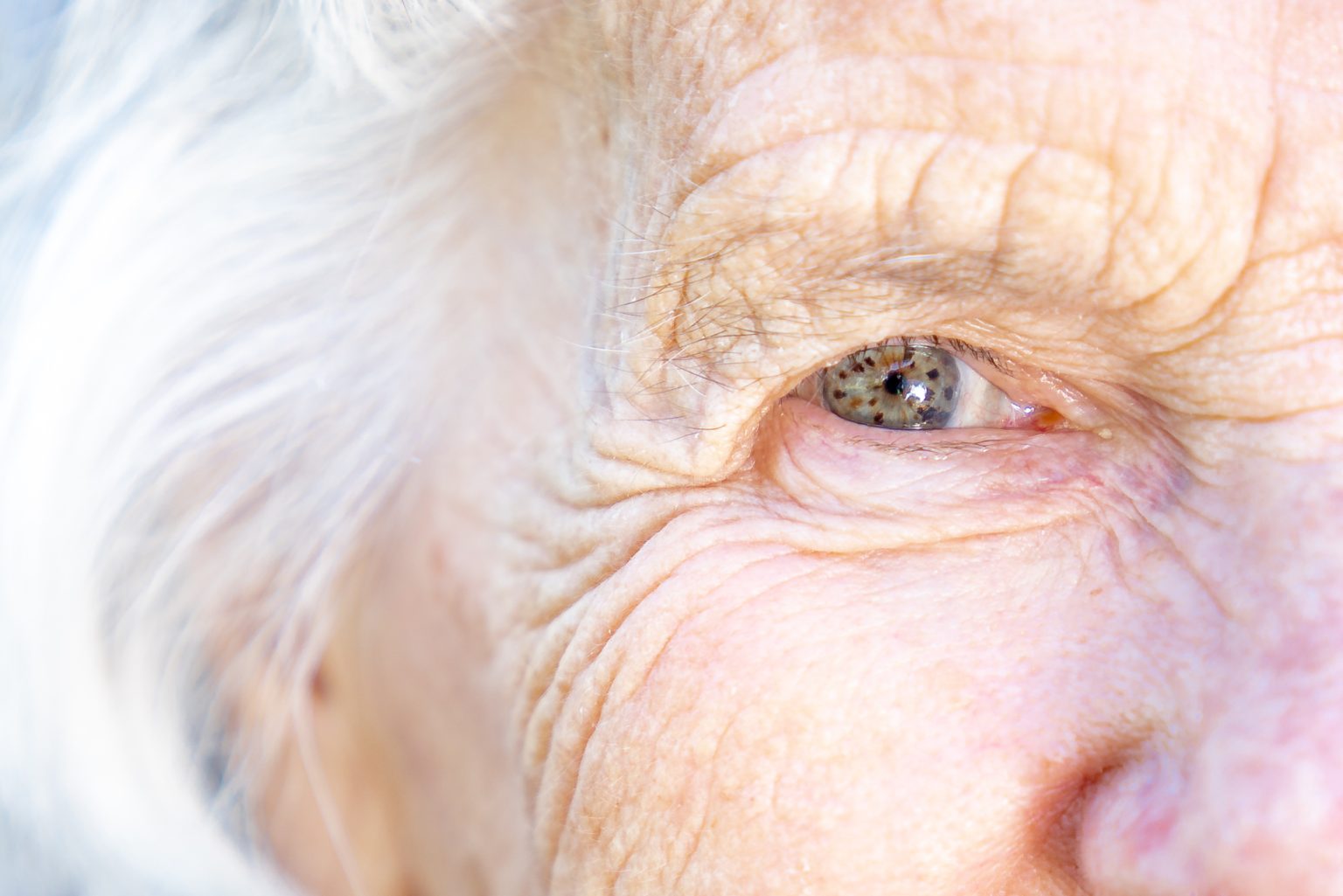
The skin is the most prominent indicator of age, and its transformation is rooted in both the epidermis and the dermis. As of 2026, dermatological science emphasizes that the "thinning" of skin is not merely a surface-level issue but a failure of the regenerative cycle. In the epidermis, cell turnover slows significantly. While a young adult’s skin may renew itself every 28 days, this process can take 45 to 60 days in older adults. This lag results in a duller complexion, a rougher texture, and a compromised skin barrier, making the skin more susceptible to dehydration and environmental irritants.
Beneath the surface, the dermis undergoes profound structural degradation. Collagen, specifically Type I and Type III, provides the skin's tensile strength. Starting in the mid-20s, the body produces approximately 1% less collagen each year. By 2026, research into the "extracellular matrix" (ECM) has highlighted that it is not just the quantity of collagen that matters, but its organization. In youthful skin, collagen fibers are organized and resilient; in aged skin, they become fragmented and disorganized.
Elastin, the protein responsible for "snap-back" or elasticity, also degrades. The loss of elastin leads to solar elastosis—a condition where the skin appears yellowish and thickened with deep wrinkles, often seen in individuals with high lifetime sun exposure. Furthermore, the levels of glycosaminoglycans (GAGs), such as hyaluronic acid, decrease. Because GAGs are responsible for binding water, their depletion leads to a loss of volume and the "crepey" texture often associated with advanced age-related appearance.
Facial Architecture: Fat, Muscle, and Bone
The appearance of aging is not "skin deep." The underlying architecture of the face—composed of fat pads, muscles, and bone—undergoes a predictable shift often referred to as the "inversion of the triangle of youth." In youth, facial volume is concentrated in the cheeks and upper face. As we age, this volume shifts downward.
Subcutaneous Fat Redistribution
Facial fat is stored in distinct compartments. Aging causes some compartments to atrophy (particularly in the temples and mid-face) while others may hypertrophy or descend due to gravity and weakened connective tissue. This leads to the deepening of the nasolabial folds (the lines from the nose to the corners of the mouth) and the formation of jowls along the jawline. The loss of periorbital fat (around the eyes) can also result in a hollowed appearance or the protrusion of "eye bags" as the retaining ligaments weaken.
Bone Resorption and Muscle Changes
Bone is a dynamic tissue that undergoes constant remodeling. With age, the bones of the skull, particularly the maxilla (upper jaw) and the orbits (eye sockets), begin to resorb or shrink. This reduction in skeletal support causes the overlying soft tissue to collapse inward and downward. Concurrently, facial muscles may lose tone or, conversely, become hyperfunctional (such as the muscles responsible for "frown lines"), contributing to permanent dynamic wrinkles.
Extrinsic vs. Intrinsic Aging Factors
To manage age-related appearance effectively, it is critical to distinguish between intrinsic aging (the natural biological clock) and extrinsic aging (environmental damage).
- Intrinsic Aging: This is determined largely by genetics and the natural passage of time. It involves the shortening of telomeres and the gradual decline in hormonal levels (such as estrogen and growth hormone), which maintain skin thickness and moisture.
- Extrinsic Aging: Also known as "photoaging," this is responsible for up to 80% of visible facial aging. The primary culprit is UV radiation, which generates reactive oxygen species (ROS). These free radicals damage cellular DNA and upregulate matrix metalloproteinases (MMPs), enzymes that specifically break down collagen and elastin.
In 2026, the impact of the "exposome"—the totality of environmental exposures including pollution, blue light (HEV), and tobacco smoke—is a major focus of preventative dermatology. Particulate matter from urban pollution has been linked to increased pigment spots (lentigines) and accelerated wrinkle formation by inducing oxidative stress.
Management of Age-Related Appearance Changes
Addressing age-related appearance requires a multi-modal approach that combines topical treatments, clinical procedures, and lifestyle modifications.
Topical Interventions
The cornerstone of any topical regimen remains Retinoids (Vitamin A derivatives). Retinoids are among the few substances clinically proven to increase collagen production and accelerate cell turnover. In 2026, newer formulations such as hydroxypinacolone retinoate (HPR) provide the efficacy of traditional retinol with significantly less irritation.
Antioxidants, particularly Vitamin C (L-ascorbic acid), Vitamin E, and Ferulic acid, serve as a second line of defense by neutralizing free radicals before they can damage the skin matrix. Furthermore, the use of Peptides—short chains of amino acids—has become standard for signaling the skin to produce more structural proteins.
Clinical Procedures
For structural changes that topicals cannot reach, aesthetic medicine offers several tiers of intervention:
- Neuromodulators (e.g., Botox): These temporarily relax the muscles responsible for expression lines, preventing the deepening of wrinkles.
- Dermal Fillers: Usually composed of hyaluronic acid, these are used to replace lost volume in the cheeks, temples, and lips, and to "lift" sagging tissues.
- Energy-Based Devices: Lasers (CO2, Fraxel) and Radiofrequency (RF) microneedling create controlled micro-injuries to the skin, triggering the body’s natural wound-healing response and stimulating massive new collagen synthesis.
Comparative Overview of Aging Manifestations
The following table summarizes common age-related appearance concerns, their primary biological drivers, and the most effective current interventions as of 2026.
| Appearance Concern | Primary Biological Driver | Recommended Intervention |
|---|---|---|
| Fine Lines/Wrinkles | Collagen/Elastin degradation; UV damage | Retinoids, Vitamin C, Microneedling |
| Hollowing (Temples/Cheeks) | Subcutaneous fat atrophy; Bone resorption | Dermal fillers (Hyaluronic acid/PLLA) |
| Hyperpigmentation/Age Spots | Melanocyte hyperactivity due to UV exposure | Sunscreen, Niacinamide, Laser therapy |
| Jowls/Sagging Skin | Gravity; Loss of skin elasticity; Fat descent | Ultherapy (Ultrasound), Thread lifts, Surgery |
| Dullness/Rough Texture | Slower epidermal turnover | Chemical peels (AHAs/BHAs), Exfoliation |
| Hair Thinning | Follicular miniaturization; Hormonal shifts | Minoxidil, Red light therapy, Platelet-Rich Plasma (PRP) |
Hair and Nail Changes in the Aging Process
Age-related appearance is not limited to the skin. Hair often undergoes "follicular miniaturization," a process where the hair follicles shrink, producing thinner, shorter, and less pigmented hair strands. This is frequently driven by androgenetic alopecia, which affects both men and women as they age. The graying of hair (canities) is caused by the exhaustion of melanocyte stem cells in the hair follicle, leading to a loss of melanin production.
Nails also change, often becoming more brittle, prone to longitudinal ridging, and slower to grow. This is frequently due to decreased circulation to the extremities and a reduction in the lipid content that keeps the nail plate flexible.
The Role of Nutrition and Lifestyle
The concept of "beauty from within" is supported by significant evidence regarding the "gut-skin axis." In 2026, the role of Advanced Glycation End-products (AGEs) is well-documented. Consuming high levels of processed sugars leads to glycation, a process where sugar molecules attach to collagen fibers, making them stiff, brittle, and prone to breakage.
Hydration, a diet rich in polyphenols (found in berries, green tea, and dark leafy greens), and adequate protein intake are essential for providing the building blocks of skin repair. Furthermore, sleep hygiene is paramount; during deep sleep, the body increases the secretion of growth hormones and melatonin, both of which are critical for cellular repair and antioxidant defense.
Professional Advice Limitation
The information provided in this article is for educational purposes only and does not constitute medical advice. Visible changes in skin appearance, such as new or changing moles, should be evaluated by a board-certified dermatologist to rule out underlying health conditions or skin cancer.
How much does sunscreen really prevent aging?
Consistent use of broad-spectrum SPF 30 or higher is the single most effective preventative measure for age-related appearance. Studies consistently show that individuals who use sunscreen daily have significantly fewer wrinkles and pigment spots after a decade compared to those who use it only sporadically. It protects the skin's existing collagen from UV-induced degradation.
Can collagen supplements actually improve skin appearance?
As of 2026, clinical trials suggest that hydrolyzed collagen peptides can improve skin hydration and elasticity when taken consistently over 8 to 12 weeks. While the body breaks down these peptides into amino acids, they may also act as signaling molecules that stimulate the body's own fibroblasts to produce more collagen.
Why does my skin feel drier as I get older?
Aging leads to a decrease in the production of sebum (skin oil) and a decline in natural moisturizing factors (NMFs) like ceramides and hyaluronic acid. Additionally, the skin barrier becomes less efficient at preventing transepidermal water loss (TEWL), leading to chronic dryness and increased sensitivity.
At what age should I start "anti-aging" treatments?
Preventative care, particularly sun protection and antioxidant use, should begin in childhood. Corrective treatments like retinoids are often introduced in the mid-20s or early 30s when the first signs of collagen decline begin. "Prejuvenation"—the use of conservative clinical treatments to maintain youthful features—has become a standard approach for individuals in their late 20s.
Is facial sagging reversible without surgery?
While non-surgical treatments like ultrasound lifting (Ultherapy) and high-density fillers can significantly improve the appearance of sagging, they cannot fully replicate the results of a surgical facelift for advanced laxity. These treatments are best for mild to moderate sagging or for delaying the need for surgical intervention.
Establishing a Long-Term Maintenance Strategy
Managing age-related appearance is a marathon, not a sprint. The most effective strategy involves a foundation of daily protection followed by targeted repairs. Start with a rigorous photoprotection routine, including SPF and antioxidants, to preserve current structural integrity. Integrate a retinoid gradually to support cellular turnover and collagen synthesis. For concerns regarding volume loss or deep-set wrinkles, consult a qualified aesthetic professional to discuss a personalized plan involving fillers or energy-based therapies. By addressing the biological drivers of aging holistically, it is possible to maintain a healthy, vibrant appearance that reflects one's overall well-being.