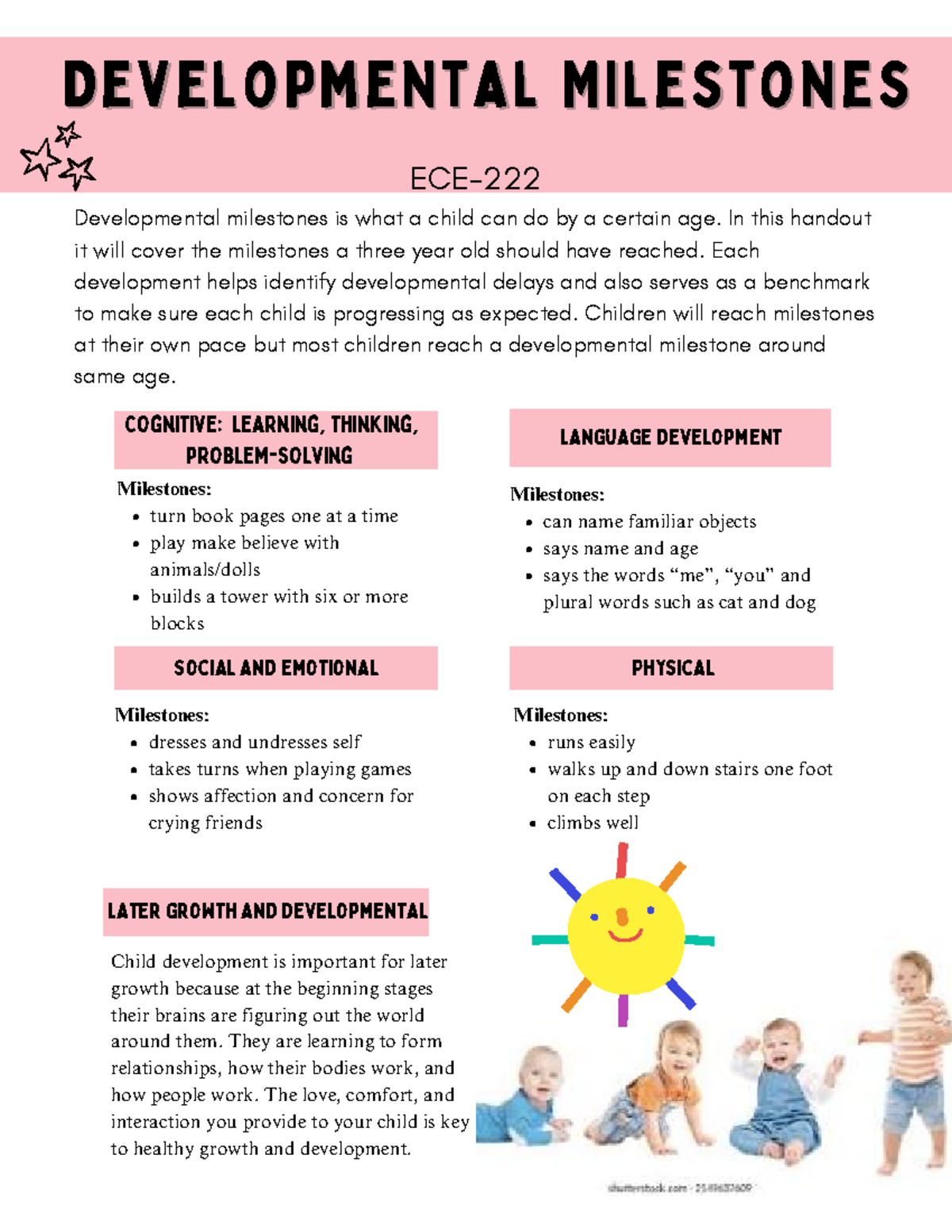
Understanding the intersection of age and milestones provides a vital framework for monitoring developmental progress, identifying support needs early, and celebrating achievements in physical, cognitive, and social-emotional growth during early childhood.
Developmental progress does not occur in a rigid, uniform line; rather, it unfolds across a broad spectrum of typical timeframes known as developmental milestones. These markers encompass crucial observable skills—such as rolling over, walking independently, speaking first words, and engaging in cooperative play—that children generally achieve by specific chronological ages. Monitoring these transitions allows parents, caregivers, and pediatric healthcare professionals to evaluate neurological, physical, and behavioral maturation. While every child possesses an individualized developmental trajectory, structured milestones serve as reliable benchmarks to ensure foundational capabilities are forming correctly.
The Foundation of Developmental Monitoring
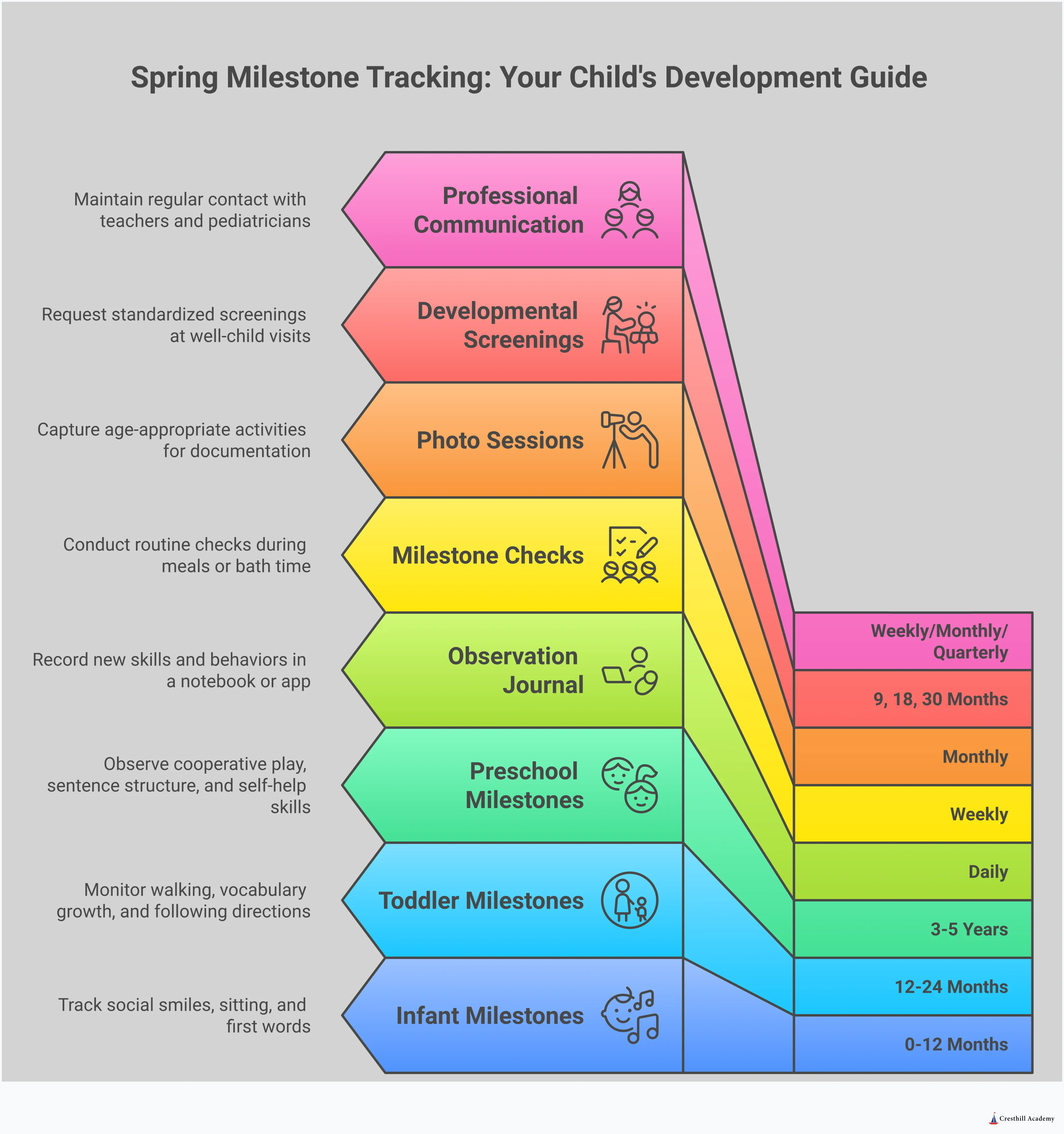
Developmental monitoring involves observing how a child grows and changes over time, tracking whether they meet typical milestones in social, emotional, physical, communication, and cognitive domains. This ongoing process differs from formal developmental screening, which uses validated, standardized tools to assess a child's skills at specific intervals. Monitoring relies on the consistent observations of parents, teachers, and pediatricians who interact with the child daily.
Establishing a baseline of expectations helps minimize parental anxiety while ensuring genuine developmental delays are recognized promptly. Major health organizations, including the American Academy of Pediatrics and the Centers for Disease Control and Prevention, emphasize that early identification of variances leads to more effective, timely interventions. When adults understand what skills typically emerge at specific ages, they can provide an environment rich in targeted stimuli, encouraging language acquisition, motor control, and problem-solving abilities.
Key Developmental Domains Across Early Childhood
Child development is multidimensional, categorized into several core domains that overlap and influence one another. A delay in one area, such as expressive language, can sometimes impact another, such as social interaction. Analyzing these domains individually helps clarify how age correlates with specific capabilities.
Physical and Motor Development
Physical milestones are divided into gross motor skills, which involve large muscle groups for activities like sitting, crawling, and running, and fine motor skills, which require precision using the hands and fingers for grasping, drawing, and manipulating objects. In the first year, infants transition from reflexive movements to purposeful reaching, rolling, unsupported sitting, and eventually pulling to stand. Toddlers refine these abilities into fluid walking, stair-climbing, and running, while preschoolers master jumping, balancing, and wielding writing utensils.
Communication and Language Skills
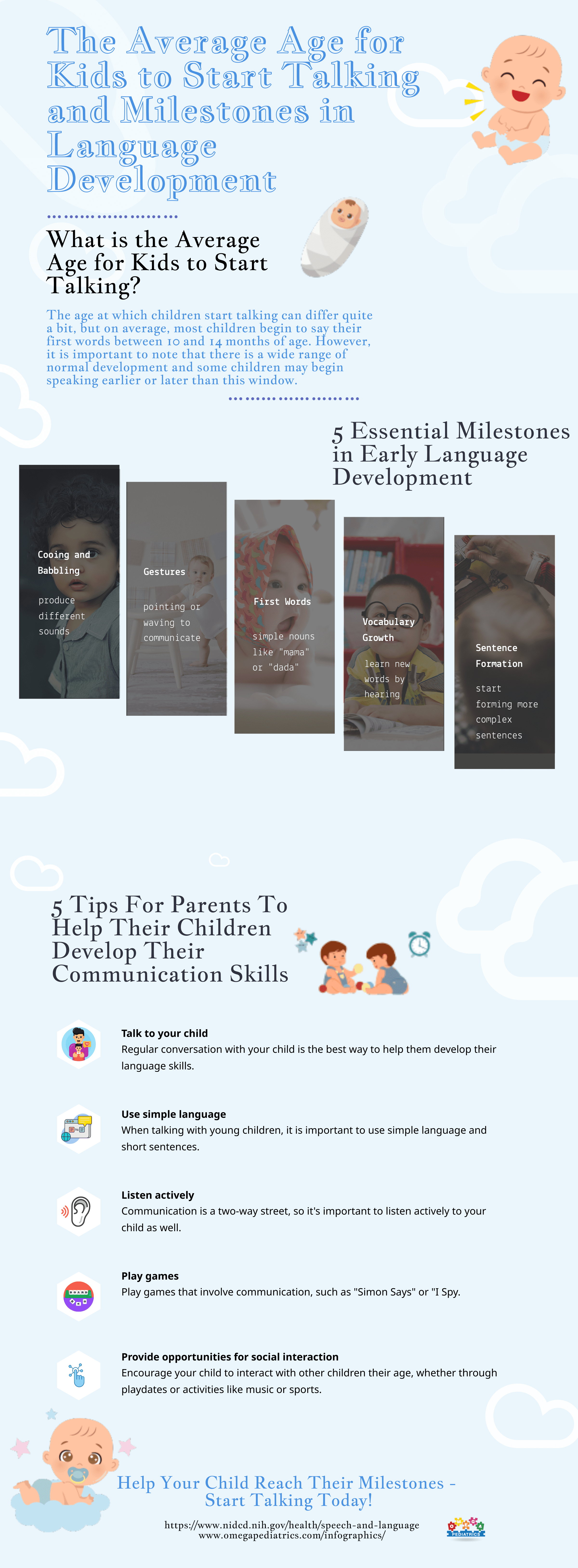
Language development encompasses both receptive language (understanding spoken words and nonverbal cues) and expressive language (communicating through sounds, gestures, words, and sentences). Newborns respond to auditory stimuli by turning toward voices, while older infants babble, imitate inflection, and use gestures like pointing. By age two, most children combine words into short phrases, and by age four, they engage in complex storytelling and conversation, correctly pronouncing the majority of phonemes.
Cognitive and Problem-Solving Abilities
Cognitive milestones reflect how a child thinks, learns, explores, and solves problems. Infants demonstrate cognitive growth through object permanence—realizing that objects continue to exist even when hidden from view. Toddlers engage in cause-and-effect experimentation, sort shapes and colors, and begin symbolic or pretend play. Preschoolers advance to counting, understanding basic time concepts, and forming logical conclusions about their immediate environment.
Social and Emotional Development
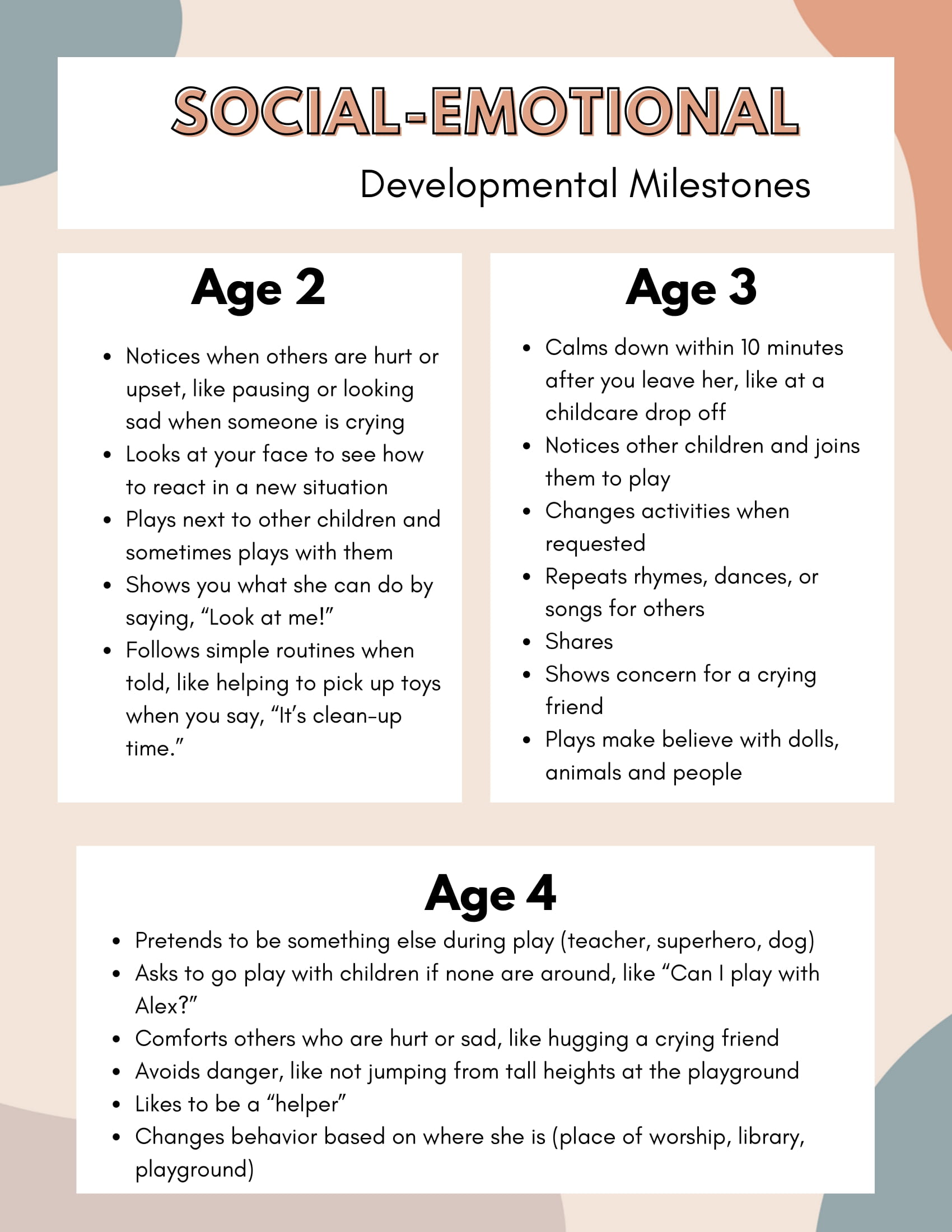
Social-emotional milestones govern how a child experiences, expresses, and manages emotions, as well as how they form rewarding relationships with others. Infants display social smiles, recognize primary caregivers, and experience stranger anxiety. As they grow into toddlers, they exhibit independence, navigate tantrums, and begin parallel play alongside peers. By preschool age, children demonstrate empathy, share materials, follow cooperative rules, and regulate emotional expressions with greater autonomy.
Comparing Milestones Across Key Age Groups
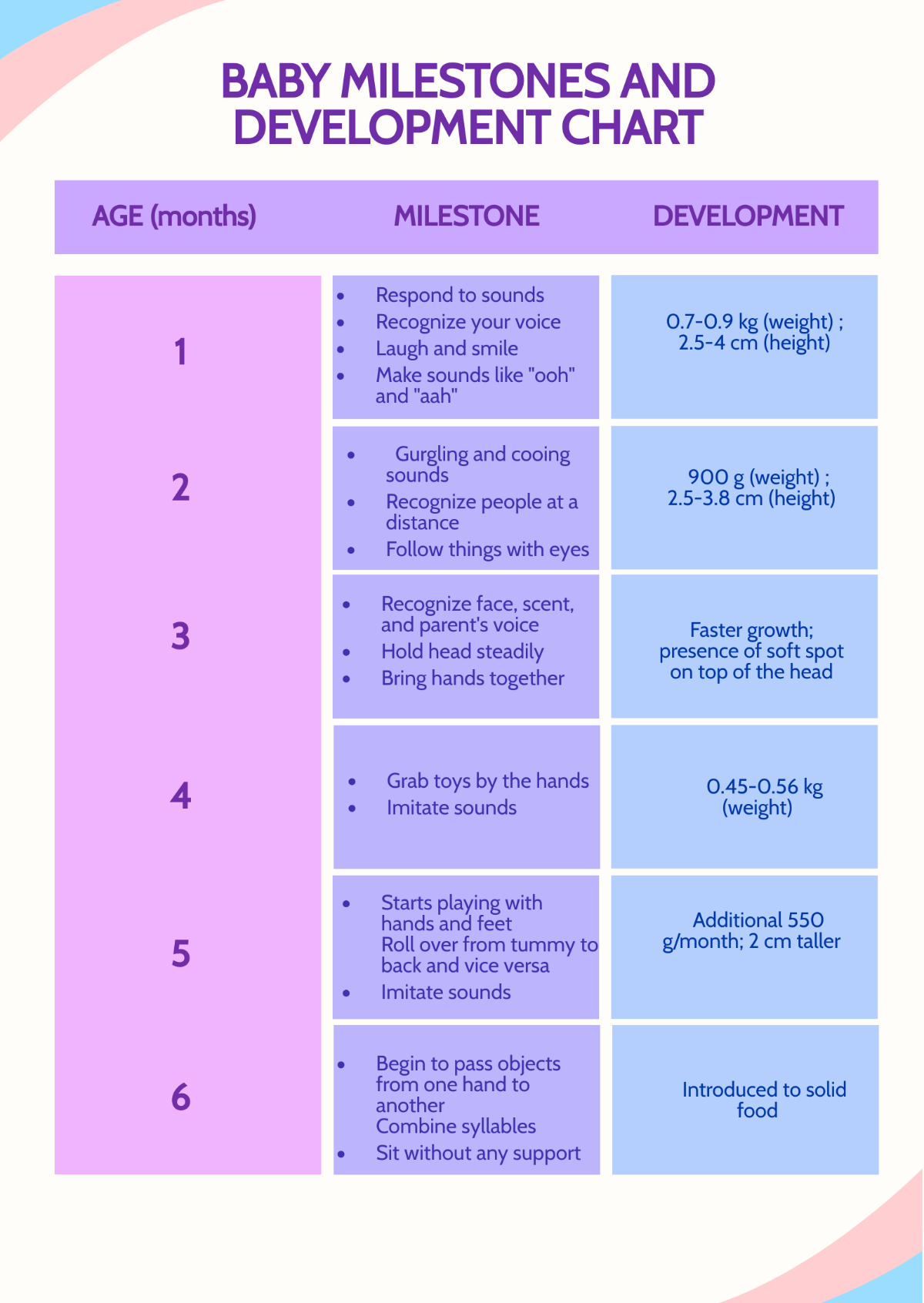
The following reference table outlines typical developmental achievements across four major stages of early infancy and childhood, illustrating the progression of skills across multiple domains.
| Age Group | Motor Skills | Communication Skills | Cognitive Skills | Social-Emotional Skills |
|---|---|---|---|---|
| 2 Months | Lifts head when prone; makes smooth movements with arms and legs. | Coos and makes gurgling sounds; turns head toward sounds. | Pays attention to faces; follows things with eyes. | Begins to smile at people; calms down when spoken to or picked up. |
| 6 Months | Rolls over in both directions; sits without support. | Responds to sounds with sounds; makes consonant sounds when babbling. | Looks at things nearby; brings things to mouth; shows curiosity. | Knows familiar faces; likes to play with others, especially parents. |
| 12 Months | Pulls to stand; cruises along furniture; may take first steps. | Responds to simple spoken requests; uses simple gestures like shaking head. | Explores things in different ways, like shaking, banging, or throwing. | Is shy or nervous with strangers; cries when mom or dad leaves. |
| 24 Months | Walks independently; kicks a ball; climbs onto furniture without help. | Points to things in a book; uses 2-word phrases; follows simple instructions. | Finds things even when hidden under two or three covers; plays simple pretend games. | Copies others, especially adults and older children; gets excited around other children. |
Recognizing Variances and Addressing Concerns
Every child develops at their own unique pace, influenced by genetics, temperament, environmental enrichment, and health status. Modest variations in the timing of specific milestones are normal. For example, some children walk at nine months while others walk at fifteen months, both falling within the acceptable range of typical development.
However, parents and caregivers should remain aware of validated warning signs or developmental regressions—such as a child losing previously acquired speech or motor skills. Persistent lack of eye contact, failure to respond to one's name, inability to bear weight on legs by twelve months, or absence of single words by eighteen months warrant professional evaluation. Consulting a pediatrician ensures that any underlying physical, sensory, or neurological factors are thoroughly assessed.
Practical Strategies to Support Healthy Development
Fostering an environment that aligns with a child's age and emerging milestones requires intentional daily interaction and observation. Caregivers can optimize developmental growth through evidence-based practices that encourage exploration and communication.
- Engage in Frequent Conversation: Talk, sing, and read to infants and toddlers daily, even before they understand spoken language, to build auditory pathways and vocabulary reservoirs.
- Encourage Floor and Play Time: Provide safe, open spaces for tummy time, crawling, and physical manipulation of age-appropriate toys to strengthen large and small muscle groups.
- Establish Predictable Routines: Consistent schedules for meals, naps, and play provide a secure emotional foundation that encourages self-regulation and reduces stress.
- Limit Screen Exposure: Prioritize interactive, face-to-face human engagement over digital media to support healthy cognitive and social-emotional maturation.
Conclusion: Partnering with Healthcare Providers
Monitoring age and milestones is a collaborative journey uniting families and pediatric specialists. By maintaining open communication with healthcare providers during routine well-child visits, documenting observations, and utilizing structured screening tools, parents can navigate developmental transitions with confidence. Proactive engagement ensures that children receive timely support, setting the stage for lifelong learning, health, and well-being.