Age lookup is the process of determining the exact chronological age of an individual, an asset, or a digital entity using historical data, public records, or algorithmic calculation. Whether for legal compliance, genealogical research, or secondary market valuations, accurate age determination relies on verifying primary source documents and applying consistent chronological logic.
In 2026, age lookup has evolved from simple arithmetic to a sophisticated intersection of public data access and biometric verification. While the basic question—"How old is this?"—remains constant, the methods used to answer it vary significantly depending on whether you are investigating a person, a vehicle, a piece of real estate, or a digital domain. This guide explores the technical methodologies, legal requirements, and practical tools necessary to perform an accurate age lookup in various professional and personal contexts.
The Logic of Precise Age Calculation
At its most fundamental level, age lookup involves a chronological subtraction: the current date minus the date of inception or birth. However, achieving technical precision requires accounting for calendar anomalies and leap years, which can affect legal eligibility and contractual obligations.
The Chronological Formula
The standard methodology for calculating age follows the Gregorian calendar. To find a person's age as of today in 2026, one must compare the birth month and day to the current month and day. If the current date has not yet reached the birth date in the current year, the age is Current Year - Birth Year - 1. If the date has passed, it is simply Current Year - Birth Year.
Handling Leap Year Anomalies
A common complication in age lookup occurs with individuals born on February 29. Legally, most jurisdictions dictate how this is handled for age-restricted activities. In many regions, a person born on a leap day is legally considered to have reached their next year of age on March 1 in non-leap years. When performing an age lookup for insurance or legal compliance, software must be calibrated to these jurisdictional rules to avoid "under-age" or "over-age" errors in records.
Technical Implementation in Systems
For developers and data analysts, age lookup is often performed using ISO 8601 date formats (YYYY-MM-DD). Using standardized formats prevents errors caused by regional date variations (such as the US MM/DD/YYYY vs. the European DD/MM/YYYY). In 2026, most enterprise resource planning (ERP) systems use UTC (Coordinated Universal Time) as the baseline for age lookup to ensure consistency across global time zones.
Finding a Person’s Age via Public Records
When the birth date is unknown, an age lookup requires searching through public and private databases. This is common in investigative journalism, legal discovery, and historical research.
Government and Vital Records
The most reliable source for age lookup is vital records, specifically birth certificates. However, access to these is strictly controlled in most jurisdictions to protect privacy.
- Voter Registration: In many regions, voter rolls are public records and often include the birth year or the specific age of the registrant.
- Property Deeds: Real estate transactions are public. While they may not list an age directly, the timeframe of a first property purchase can provide a "floor" for an estimated age lookup.
- Marriage Licenses: These documents typically require the ages of both parties at the time of the ceremony, providing a fixed point in time for chronological calculation.
Professional and Occupational Licenses
Many professions require state or federal licensing, such as medical doctors, attorneys, architects, and pilots. These databases often list the year of licensure. By analyzing the typical education path (e.g., four years of undergraduate study followed by professional school), researchers can perform a highly accurate age lookup within a margin of one to two years.
Digital Footprints and Social Archives
While less "official," social media profiles and professional networking sites like LinkedIn provide significant data points. In 2026, the use of AI-driven data aggregation allows for cross-referencing multiple "mentions" of birthdays or graduation years across the web to triangulate a precise birth date. However, users should be cautious of "data drift," where individuals provide false birth dates on non-legal platforms for privacy reasons.
Age Verification Systems (AVS) for Business and Compliance
For businesses selling age-restricted products—such as alcohol, tobacco, or high-stakes financial instruments—age lookup is a mandatory compliance step. In 2026, this has moved beyond checking physical IDs to integrated digital verification.
Electronic Age Verification (eAV)
eAV systems perform a real-time age lookup by checking a customer's provided details (name, address, SSN/ID number) against credit bureau data or government databases. This process happens in milliseconds during an online checkout. These systems are designed to satisfy "Know Your Customer" (KYC) regulations and the Children's Online Privacy Protection Act (COPPA).
Biometric Age Estimation
A newer frontier in age lookup is biometric estimation. Using facial analysis technology, systems can estimate a person's age within a narrow margin of error. This is increasingly used in "unmanned" retail environments. If the system estimates the person is close to the legal threshold (e.g., looking under 25 for a 21+ purchase), it triggers a manual age lookup via a physical or digital ID.
Digital Identities and Wallets
In 2026, many jurisdictions have adopted mobile Driver's Licenses (mDLs). These allow for a "zero-knowledge proof" age lookup. Instead of sharing a full birth date, the digital wallet confirms a simple "Yes/No" to the question "Is this person over 21?" This protects the user's specific data while providing the merchant with a verified age lookup result.
Determining the Age of Assets and Digital Properties
Age lookup is not limited to humans. Identifying the age of products, vehicles, and digital assets is critical for determining value and safety.
Vehicle Identification Number (VIN) Lookup
For automotive age lookup, the 10th character of a standard 17-digit VIN indicates the model year. This is a global standard that allows buyers to verify the age of a vehicle regardless of what a seller claims. This is essential for checking recall status and calculating depreciation.
Serial Number Lookups for Electronics
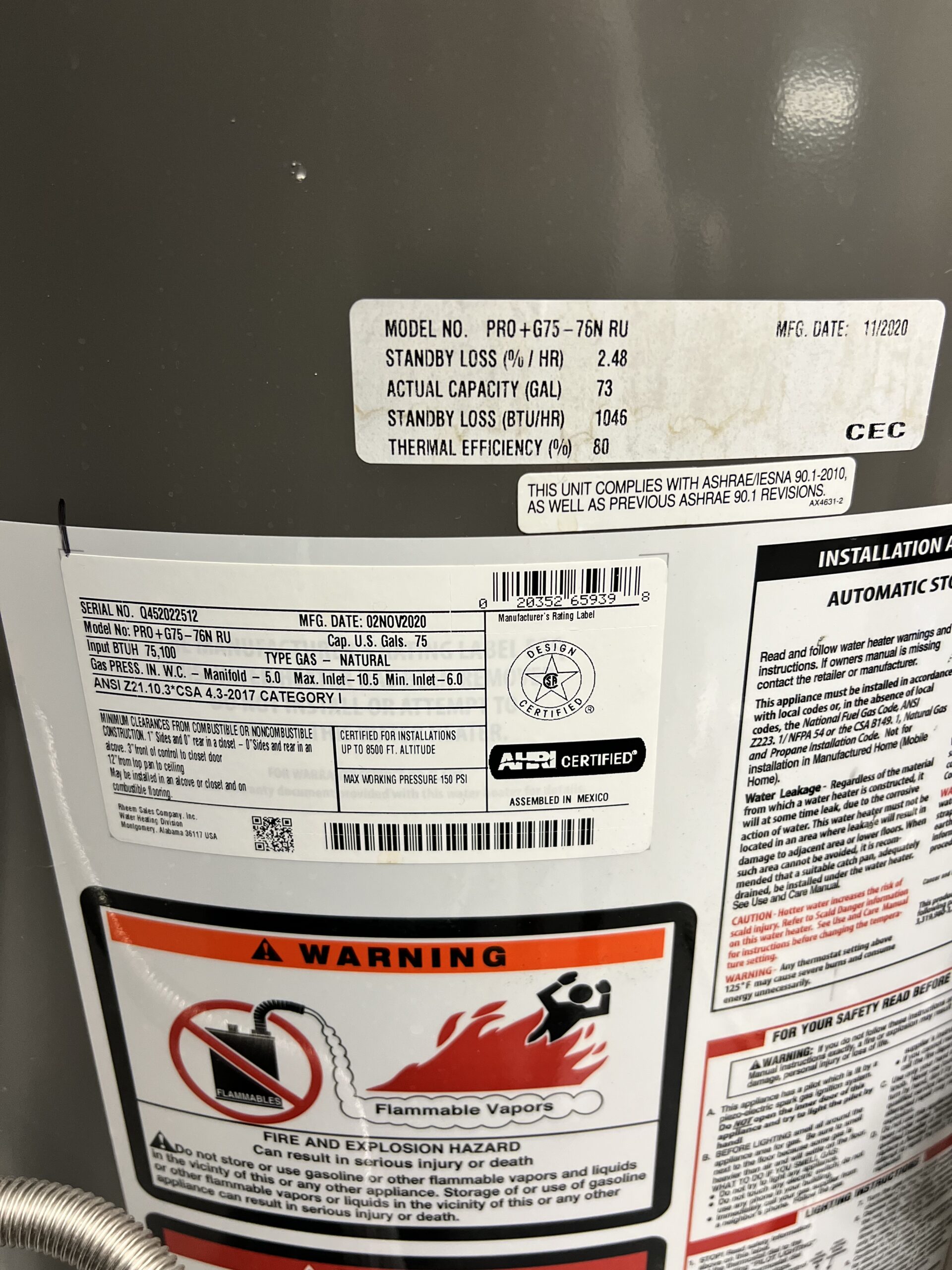
Manufacturers like Apple, Dell, and Sony embed manufacturing dates within serial numbers. An age lookup for a laptop or smartphone can reveal if the device is still under warranty or if its battery life is expected to degrade. This is a primary tool for the secondary "refurbished" market in 2026.
Domain Age and WHOIS Data
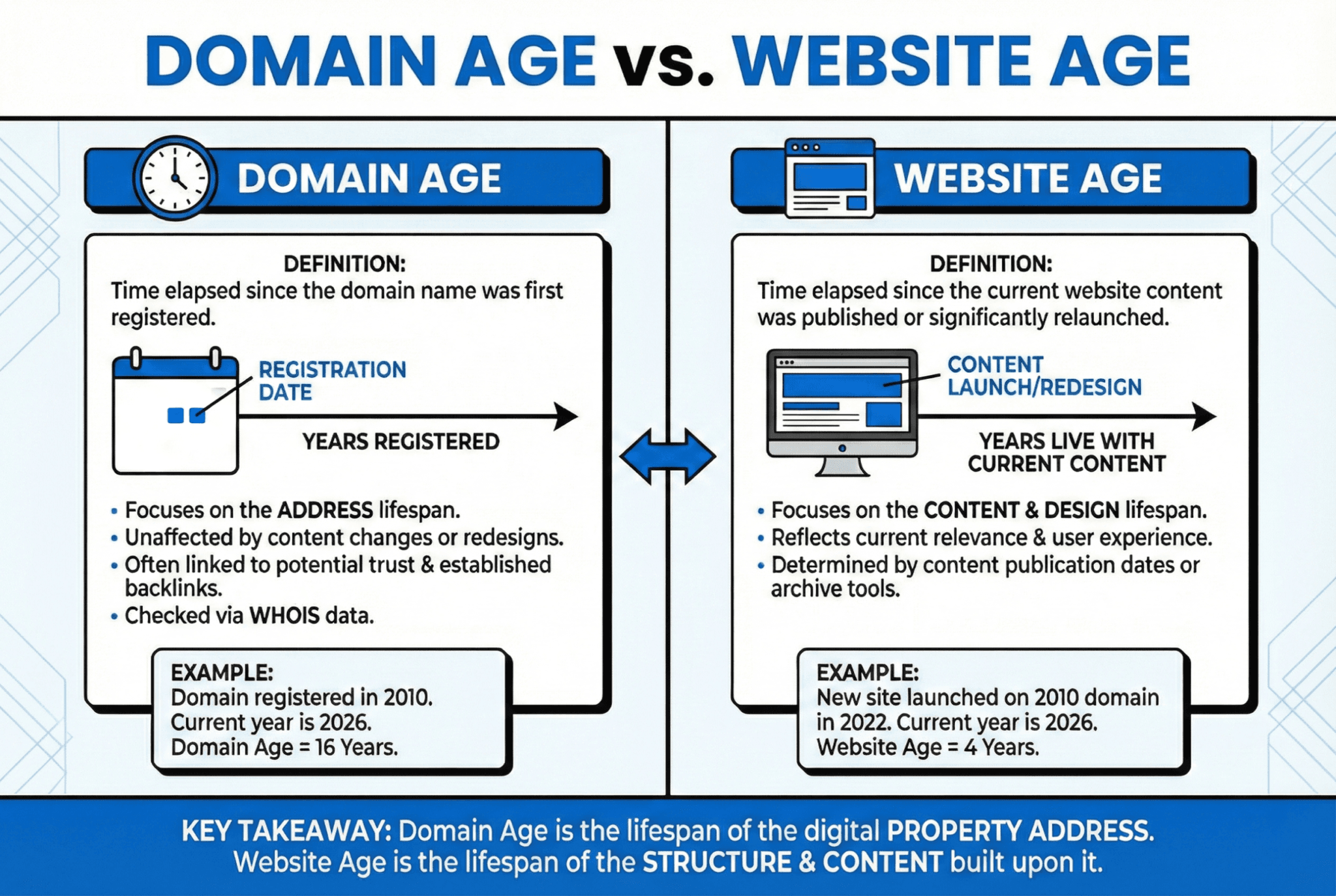
In the digital realm, "domain age" is a significant factor in Search Engine Optimization (SEO) and cybersecurity. A WHOIS age lookup reveals when a domain was first registered. Older domains are often viewed as more authoritative by search engines and less likely to be "throwaway" sites used for phishing or malware distribution.
Comparison of Age Lookup Methods and Accuracy
The following table summarizes the common methods used for age lookup in 2026 across different categories.
| Lookup Subject | Primary Method | Accuracy Level | Common Use Case |
|---|---|---|---|
| Individual (Legal) | Government ID / Vital Records | 100% (Certified) | Legal, Banking, Employment |
| Individual (Public) | Voter Rolls / Professional Licenses | High (90-95%) | Research, Due Diligence |
| Automotive | VIN Decoding | 100% (Model Year) | Resale, Insurance, Safety |
| Consumer Electronics | Serial Number Databases | High (Production Week) | Warranty, Refurbishment |
| Digital Domains | WHOIS / ICANN Records | 100% (Registration) | Cybersecurity, SEO Analysis |
| Real Estate | Property Tax / Deed History | High (Construction Year) | Appraisals, Renovation |
Legal Frameworks and Ethical Boundaries in 2026
Performing an age lookup is subject to various privacy laws. In the United States, the Fair Credit Reporting Act (FCRA) governs how age data can be used for employment, credit, and insurance. Using a "people search" site to perform an age lookup for the purpose of hiring a candidate is a violation of federal law if the site is not a consumer reporting agency.
In the European Union, the General Data Protection Regulation (GDPR) mandates that "age data" is personal information. Businesses must have a "lawful basis" to perform an age lookup and must minimize the data they collect. For example, if a site only needs to know if a user is over 18, storing the exact birth date after the lookup is performed may be a compliance risk.
Ethically, age lookup should respect the "Right to be Forgotten." As individuals move through different stages of life, the availability of their age in public caches can lead to ageism in tech and corporate sectors. Professionals should always balance the need for information with the privacy rights of the subject.
Frequently Asked Questions
How can I find someone’s age for free?
Finding a person's age for free usually involves searching public social media profiles or using public records search engines that offer "teaser" data. In 2026, many local government websites allow you to search voter registration or property tax records at no cost, which often reveal birth years or age brackets. However, be wary of third-party sites that promise free data but require a subscription to see the actual results.
Is an age lookup 100% accurate?
The accuracy of an age lookup depends entirely on the source. Government-issued documents (passports, birth certificates) are considered 100% accurate. Digital "scraping" tools that aggregate data from the web may have a 5-10% error rate due to duplicate names, outdated profiles, or intentional misinformation provided by the individual. Always verify a lookup through a second, independent source when accuracy is critical.
Why does the year of a car's VIN look different from its production date?
A vehicle's "age" for registration and resale purposes is based on the Model Year, not necessarily the calendar year it was manufactured. A car produced in October 2025 will likely have a 2026 Model Year VIN. For a precise age lookup regarding parts and repairs, you should look for the "date of manufacture" sticker usually located on the driver-side door jamb.
Can I look up the age of a website?
Yes, you can use a WHOIS lookup tool to see the "Created Date" of a domain. This is the standard method for determining the age of a website. For more granular history, the Internet Archive's Wayback Machine allows you to see when the website first had content indexed, which may be different from the domain registration date.
What is "Effective Age" in real estate lookup?
In real estate, a building’s age lookup might yield two different numbers: the "Actual Age" (when it was built) and the "Effective Age." The effective age is an estimate based on the structure's condition and recent renovations. For example, a house built in 1980 that was completely stripped and updated in 2024 might have an effective age of only 2 years according to an appraiser.
Strategic Recommendations for Accurate Age Lookup
When performing an age lookup, your primary goal should be to match the "source authority" to the "risk level" of your task.
- For Legal/Financial Tasks: Always use primary government sources or FCRA-compliant services. Do not rely on social media or general web searches for high-stakes verification.
- For Secondary Market Purchases: When buying used electronics or vehicles, always perform a serial number or VIN lookup before completing the transaction. This ensures you are paying a fair price based on the asset's true age and remaining lifecycle.
- For Digital Security: Regularly perform an age lookup on your own digital presence. Knowing what "age" information is publicly available allows you to adjust privacy settings and mitigate the risk of identity theft or targeted phishing.
- Use Modern Verification Tools: If you are a business owner, transition to "Age Estimation" or "Zero-Knowledge" verification systems. These technologies reduce the amount of sensitive PII (Personally Identifiable Information) you must store, thereby lowering your liability under data protection laws like GDPR and CCPA.