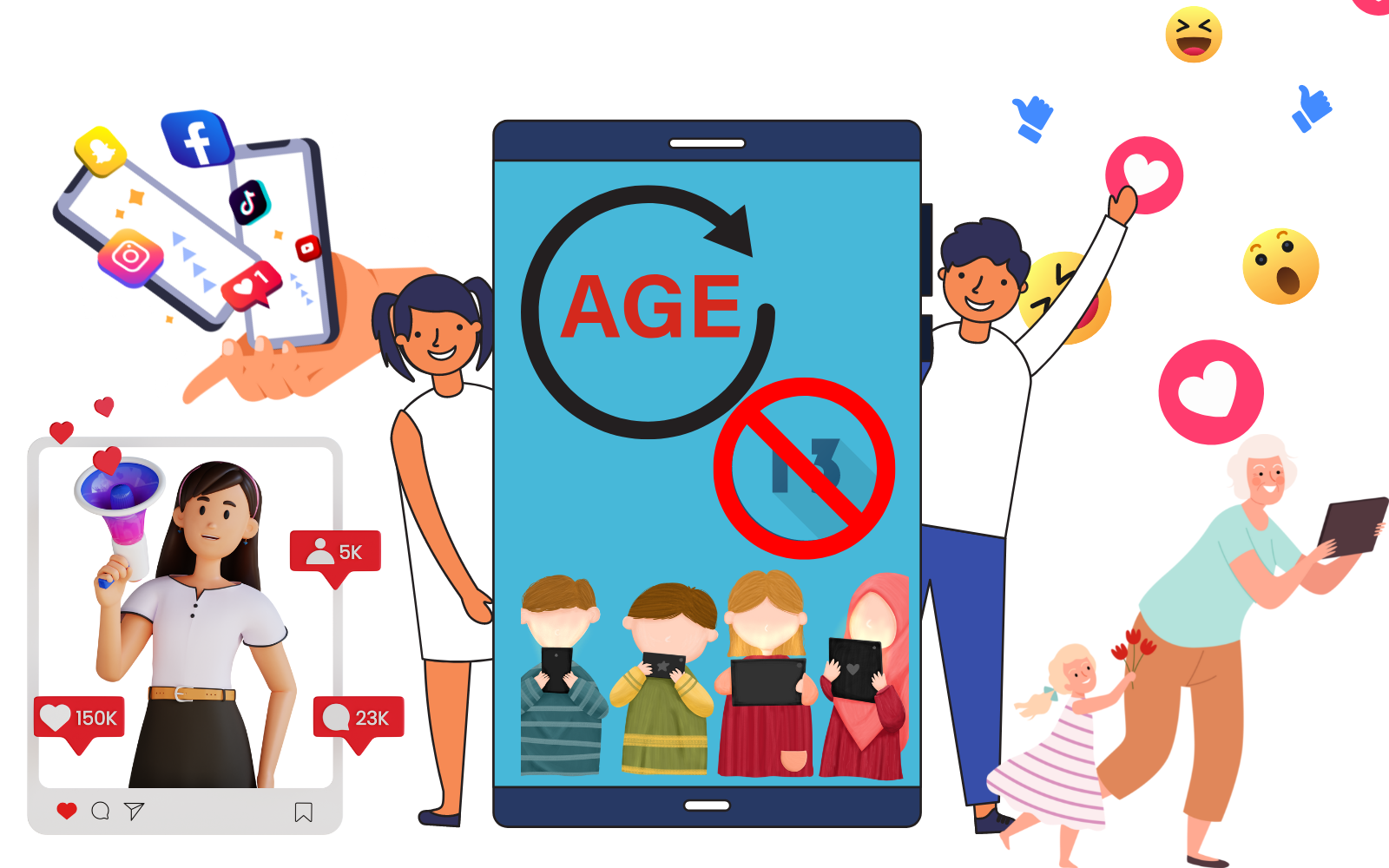
Age limits are legally defined chronological thresholds that determine an individual's eligibility to exercise specific rights, access restricted products, or fulfill certain obligations. These limits vary by jurisdiction and sector, encompassing milestones like the age of majority, driving eligibility, employment minimums, and digital privacy protections to ensure safety and developmental appropriateness.
The Concept of Legal Majority and Civil Rights
The "age of majority" is perhaps the most significant age limit in any legal system. It marks the chronological point at which a person is no longer considered a minor and acquires the full legal capacity of an adult. As of 2026, the vast majority of nations set this threshold at 18 years. Upon reaching this age, individuals generally gain the right to vote in local and national elections, sign binding contracts without parental co-signature, and marry without judicial or parental consent.
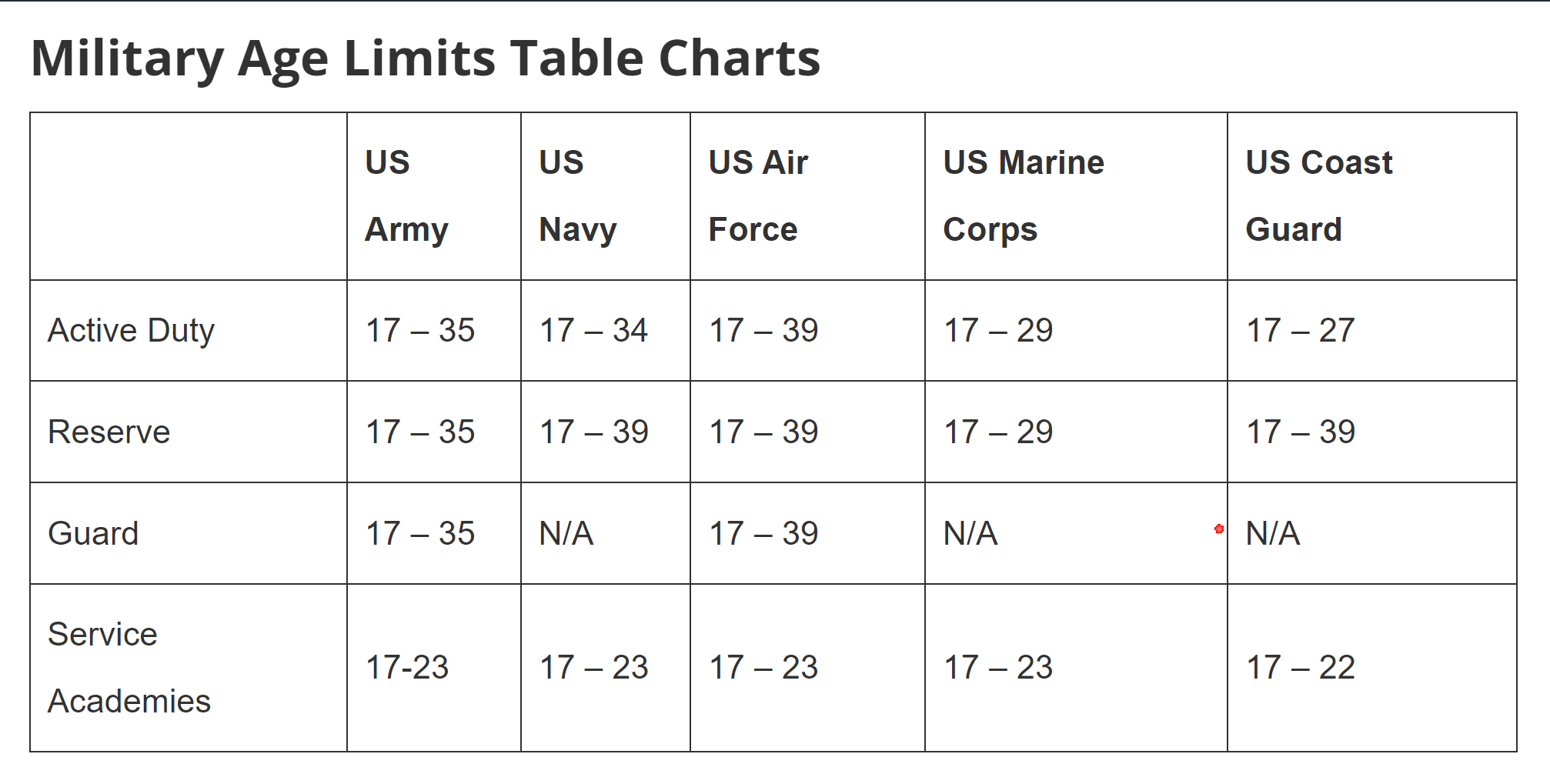
However, the age of majority does not always grant a "blanket" set of rights. In some jurisdictions, legal responsibilities and rights are staggered. For instance, in several U.S. states and parts of the United Kingdom, individuals may join the military or marry with consent at 16 or 17, yet they cannot purchase alcohol until they are 18 or 21. This tiering of rights is based on the legislative belief that different activities require different levels of cognitive maturity and life experience.
The transition to adulthood also involves the assumption of full legal liability. Before reaching the age of majority, minors may be subject to different judicial standards in the "juvenile justice" system. Once the age limit of 18 is crossed, individuals are typically tried as adults for all offenses, signifying a shift from a focus on rehabilitation to a more rigid adherence to criminal law.
Minimum Age Requirements for Employment and Labor
Employment age limits are designed to balance the economic benefits of work with the fundamental right to education and physical safety. The International Labour Organization (ILO) sets global standards that many countries follow, generally establishing that the minimum age for employment should not be below the age for finishing compulsory schooling.
In most developed economies in 2026, light work is often permitted starting at age 13 or 14, provided it does not interfere with the minor’s education or health. Full-time employment usually requires the individual to be 16. However, "hazardous work"—which includes operating heavy machinery, working with dangerous chemicals, or working in mines—is strictly limited to those 18 and older. These protections are vital because younger workers have statistically higher rates of workplace injury due to a lack of experience and continuing physical development.
Furthermore, many jurisdictions require "work permits" for minors. These documents serve as a verification bridge between the employer, the school system, and the parents. They ensure that the minor is maintaining satisfactory academic progress and that the hours worked do not violate local labor laws, such as those prohibiting late-night shifts for students on school nights.
Digital Privacy and Online Consent Limits
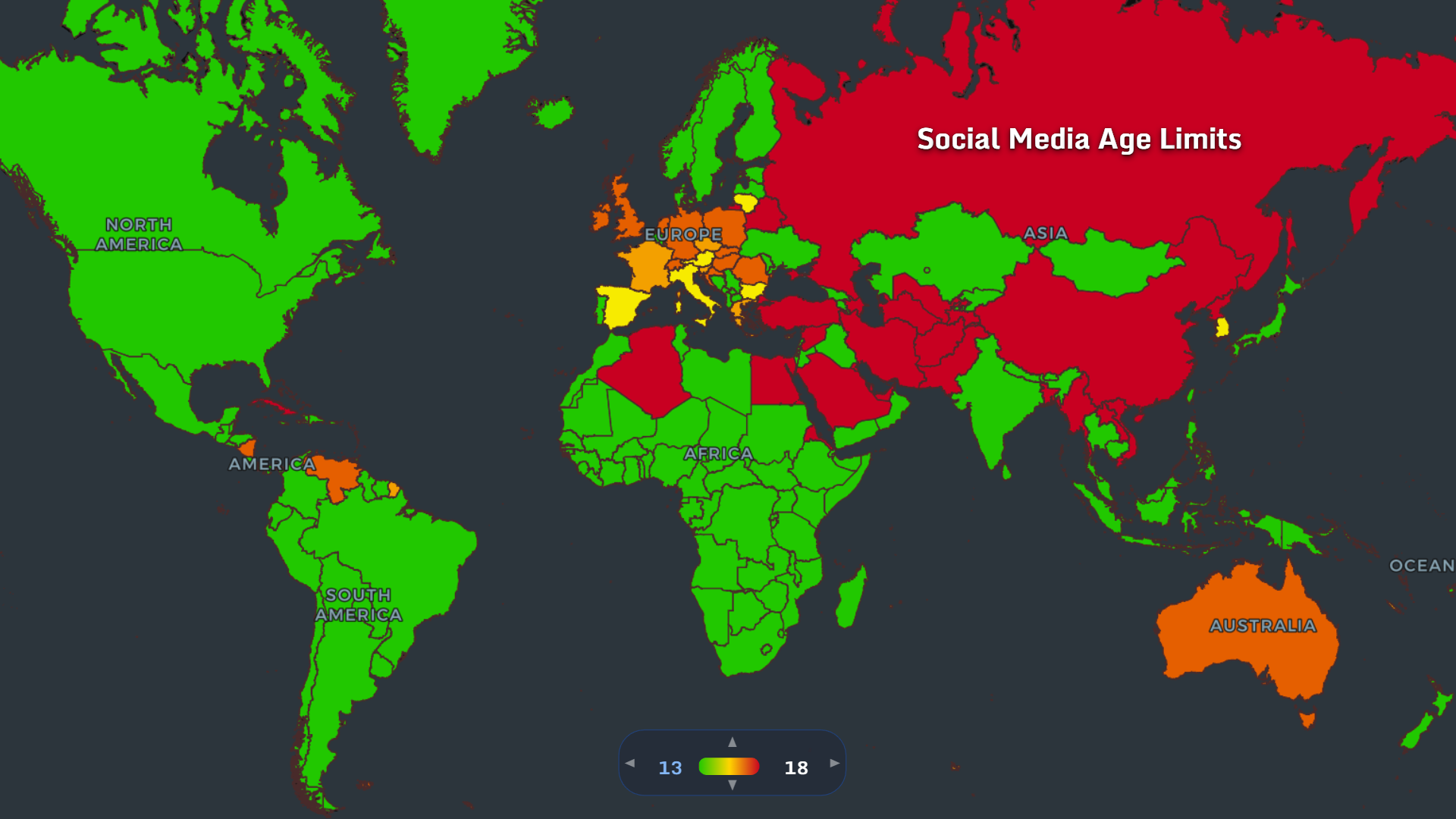
The digital landscape of 2026 is heavily regulated by age-based consent rules. Following the trajectory set by the Children's Online Privacy Protection Act (COPPA) in the United States and the General Data Protection Regulation (GDPR) in the European Union, the standard age for digital consent remains largely fixed at 13 to 16 years.
These age limits dictate when a technology company can legally collect, store, or sell a user's personal data without explicit parental permission. In the early 2020s, there was a significant push for stricter age verification to prevent children under 13 from accessing social media platforms. By 2026, many platforms have integrated more sophisticated verification methods, such as AI-driven facial age estimation or digital ID integration, to comply with evolving safety laws like the UK's Online Safety Act.
The "Why" behind these digital age limits is rooted in the "right to be forgotten" and the protection of vulnerable users from predatory marketing. Younger children may not fully grasp the long-term implications of their "digital footprint" or the complexities of data privacy agreements, making these age-based safeguards a critical component of modern consumer protection.
Transportation and Mobility Milestones
Mobility is often the first area where young people encounter strict age limits. The ability to operate a motor vehicle is governed by a graduated licensing system in most regions. Typically, a "learner’s permit" can be obtained at 15 or 16, followed by a restricted license, and finally a full license at 17 or 18.
A less discussed but equally impactful age limit is found in the car rental industry. While an individual may legally drive at 18, many rental agencies in 2026 still enforce a minimum age of 21, and often 25, to rent a vehicle. Those between 21 and 24 are frequently subject to "Young Renter" surcharges. This is not a legal mandate but a risk-management strategy. Actuarial data consistently shows that drivers under 25 are involved in a higher frequency of accidents, leading insurance providers to demand higher premiums for this demographic.
Air travel also maintains its own set of age-related protocols. "Unaccompanied Minor" (UM) services are typically mandatory for children aged 5 to 11 and optional for those up to 15 or 17. These services ensure that the airline takes custody of the child from the departure gate to the arrival gate, addressing safety concerns and the logistical complexity of international travel for minors.
Consumption and Health-Related Restrictions
Public health initiatives frequently rely on age limits to reduce the social and economic costs of substance abuse. The most prominent example is the minimum legal drinking age (MLDA). While many European nations maintain a limit of 18, the United States has held a firm limit of 21 since the National Minimum Drinking Age Act of 1984.
Tobacco and nicotine products have seen a global trend toward higher age limits. The "Tobacco 21" movement, which gained traction in the early 2020s, has become the standard in many regions by 2026. This shift was prompted by research showing that the human brain continues to develop into the mid-20s, and nicotine exposure during this period can permanently alter the formation of neural pathways related to attention, learning, and impulse control.
Medical consent is another complex area. In some jurisdictions, the "Mature Minor Doctrine" allows individuals under 18 to consent to certain medical procedures—such as vaccinations, reproductive health services, or mental health counseling—without parental notification. This is an exception to the general age limit of majority, recognizing that an individual's capacity to make informed decisions may precede their 18th birthday.
Comparative Overview of Common Age Limits
The following table provides a generalized comparison of age limits for various activities across different regions. Note that local laws may vary significantly.
| Activity | Typical Minimum Age | Jurisdiction/Context | Primary Purpose |
|---|---|---|---|
| Voting | 18 | Global Standard | Civic responsibility and maturity |
| Criminal Responsibility | 10–14 | Varies by country | Legal accountability |
| Full-time Employment | 16 | ILO Standard | Education protection |
| Digital Consent | 13–16 | GDPR / COPPA | Data privacy and protection |
| Driving (Full License) | 17–18 | Global Average | Public safety and skill |
| Purchasing Tobacco | 21 | Increasing Trend | Long-term health outcomes |
| Renting a Car | 25 | Corporate Policy | Risk and insurance mitigation |
| Marriage (Unrestricted) | 18 | Most International Law | Protection against forced unions |
Why Age Limits Change and How They Are Verified
Age limits are not static; they evolve alongside our understanding of human biology and social psychology. One of the most significant drivers for raising age limits (such as those for tobacco or car rentals) is neuroscientific research regarding the prefrontal cortex. This part of the brain, responsible for executive function, decision-making, and impulse control, does not typically reach full maturity until the mid-20s.
Verification of age has also undergone a technological revolution. By 2026, the reliance on physical "ID cards" is being supplemented by digital identity frameworks. Governments are increasingly issuing mobile-based driver's licenses (mDLs) that allow users to share only their age (e.g., a "Yes/No" verification for being over 21) without revealing their full name, address, or exact birth date. This enhances privacy while ensuring that age limits are strictly enforced at the point of sale or entry.
Despite these advancements, challenges remain. The rise of "deepfake" technology and sophisticated digital forgery has forced regulators to implement more robust liveness checks in age verification systems. This ongoing "arms race" between verification tech and bypass methods ensures that age limits remain a central topic of discussion for policymakers and technology developers alike.
Frequently Asked Questions
Can age limits be bypassed with parental consent?
In many cases, yes, but it depends on the specific activity and jurisdiction. For example, some regions allow marriage at 16 with parental consent, and others allow minors to work restricted hours with a signed permit. However, certain limits, such as the minimum age for purchasing alcohol or tobacco, are "bright-line" rules that cannot be bypassed by parental permission.
What is the difference between "age of consent" and "age of majority"?
The "age of majority" refers to when a person becomes a legal adult with full civil rights (usually 18). The "age of consent" specifically refers to the age at which a person is legally deemed capable of consenting to sexual activity. These two ages are often different; for instance, the age of consent in many places is 16, while the age of majority is 18.
Why is 25 often the age limit for car rentals?
There is no law mandating that a person must be 25 to rent a car, but insurance companies use historical data to set their rates. Drivers under 25 statistically have a much higher frequency of accidents and insurance claims. To avoid these costs or pass them on to the consumer, rental companies either refuse service to those under 25 or charge a significant "young driver" fee.
Are there upper age limits for certain jobs?
Yes, some professions have mandatory retirement ages, often for safety or physical fitness reasons. This is common for airline pilots (typically age 65), air traffic controllers, and certain roles within law enforcement or the military. These upper limits are frequently debated under age discrimination laws but are often upheld when they are deemed a "Bona Fide Occupational Qualification."
How do digital age verification laws impact privacy?
Modern age verification laws often create a tension between safety and privacy. To prove a user is over 13 or 18, platforms may require a scan of a government ID or a facial scan. To protect privacy, many 2026 regulations require that this data be processed by a third-party "identity provider" who tells the platform "Yes, they are of age" without sharing the actual identity document with the platform itself.
Verifying Your Status and Moving Forward
Navigating age limits requires a proactive approach to documentation and legal awareness. If you are entering a new life stage—such as starting your first job, applying for a license, or moving to a different country—it is essential to verify the specific local statutes that apply to you.
The most reliable way to navigate these requirements is to maintain a current, government-issued photo ID. In 2026, check if your jurisdiction offers a digital ID or a "Smart ID" that can simplify verification for online services. If you believe an age limit is being applied to you unfairly or in violation of age discrimination laws (particularly in employment or housing), consult with a legal professional or a local civil rights advocacy group. Understanding these thresholds is the first step toward successfully transitioning through the various stages of legal and social adulthood.