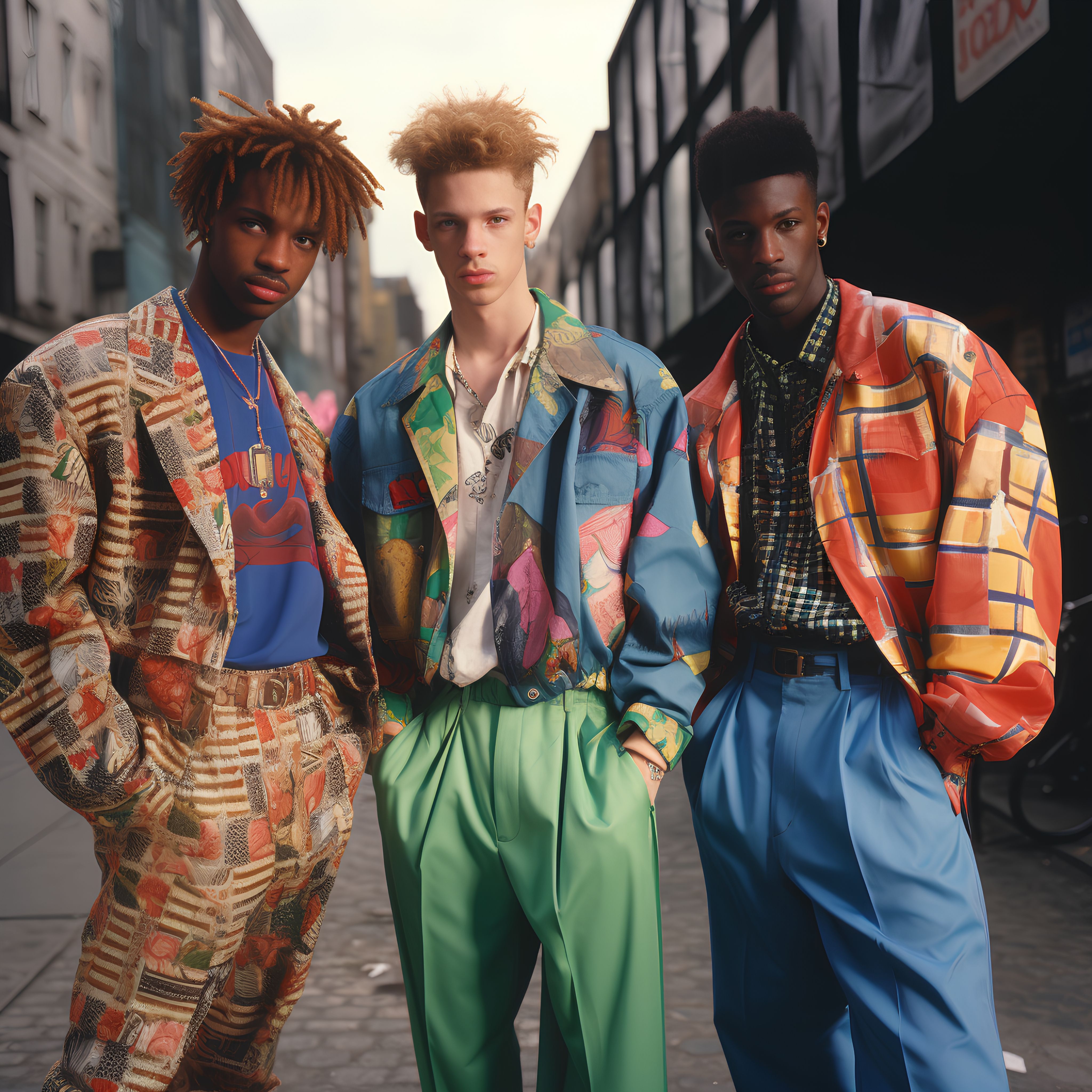
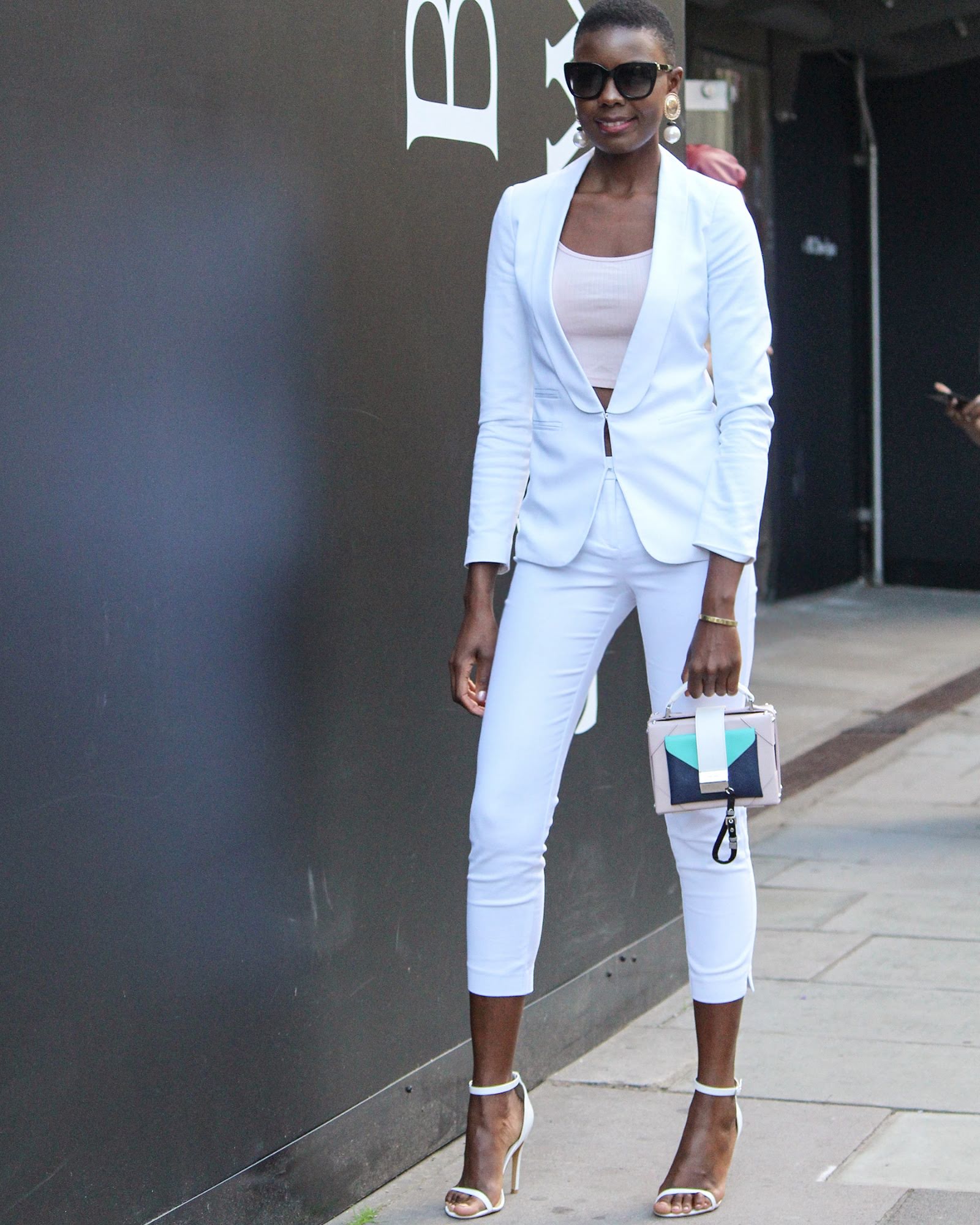
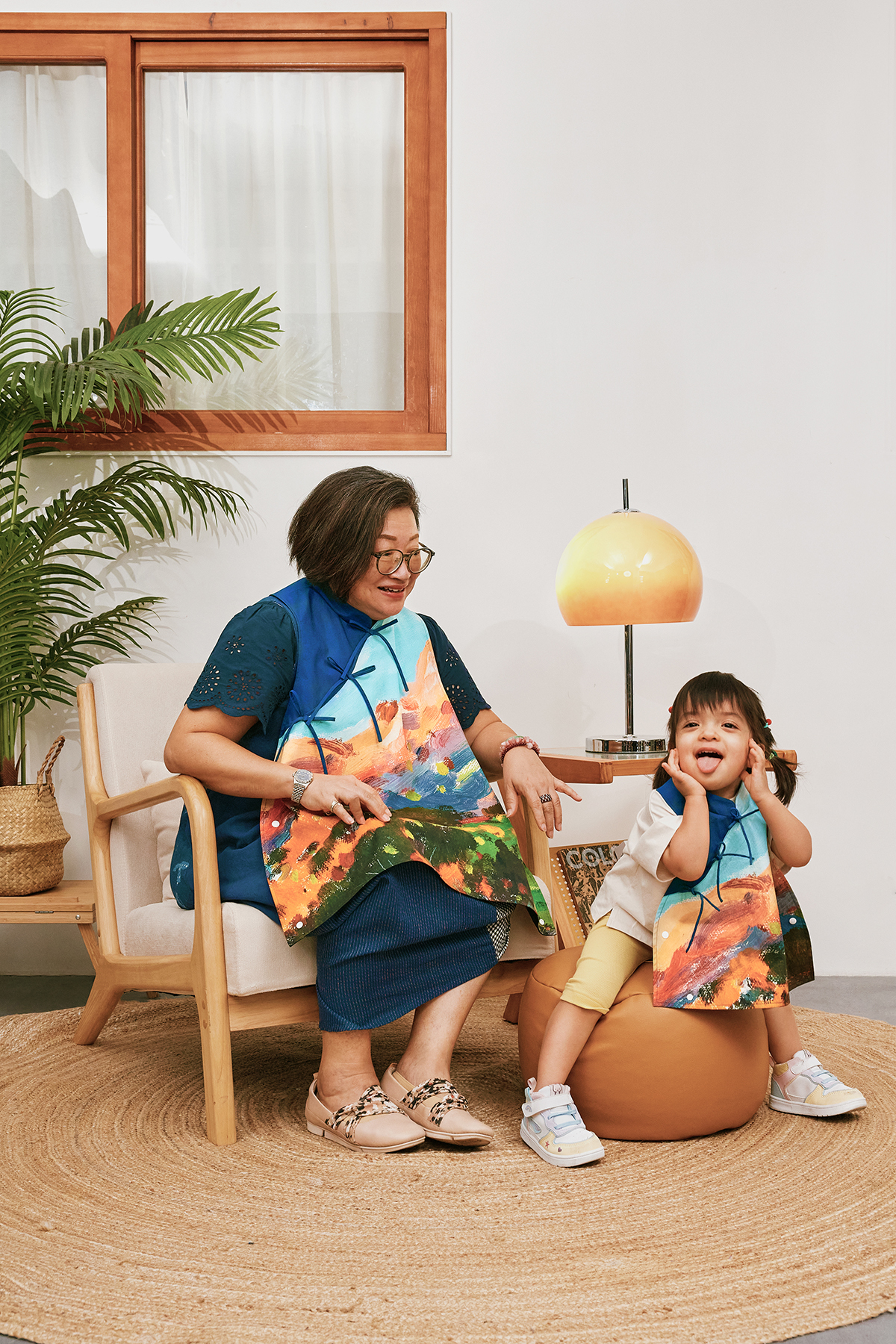
Age inclusive fashion is the design, production, and marketing of clothing and accessories that accommodate and celebrate consumers of all ages, moving beyond youth-centric industry standards. It prioritizes universal design, ergonomic fit for evolving bodies, and diverse representation, ensuring that style remains accessible, functional, and dignified for individuals from Gen Z to the Silver Generation.
The Evolution of Age Inclusivity in the 2026 Fashion Landscape
As of 2026, the fashion industry has undergone a fundamental shift in its approach to demographics. For decades, the industry operated under a "youth-obsessed" paradigm, where marketing and design were almost exclusively tailored to consumers under the age of 35. However, a combination of demographic shifts, increased purchasing power among older cohorts, and social advocacy has pushed age inclusivity to the forefront of brand strategy.
The movement is no longer about creating "clothing for the elderly," which often carried a stigma of being purely utilitarian or aesthetically unappealing. Instead, 2026 marks an era of Intergenerational Design. This philosophy assumes that while a 20-year-old and a 70-year-old may have different physiological needs, their desire for aesthetic expression, quality, and trend relevance is often identical. Brands are now recognizing that "age" is not a monolith; a 65-year-old in 2026 is likely more digitally savvy, active, and fashion-conscious than previous generations, demanding a wardrobe that reflects an active, multifaceted lifestyle.
This evolution is supported by the World Health Organization’s Global Strategy on Ageing and Health, which emphasizes the importance of creating age-friendly environments. In the context of fashion, this means removing the barriers—both physical and psychological—that prevent older adults from participating in the fashion economy.
Key Pillars of Age-Inclusive Design and Construction
Creating age-inclusive fashion requires more than just diverse casting in advertisements; it demands a technical overhaul of how garments are constructed. The primary goal is to address the physiological changes that occur with age while maintaining a high-fashion or contemporary aesthetic.
Ergonomic Fit and Pattern Making
Traditional pattern making is often based on the "fit model" of a young, athletic individual. As the body ages, there are natural shifts in posture, such as a slight rounding of the shoulders (kyphosis) or a shift in weight distribution toward the midsection. Age-inclusive brands in 2026 utilize 3D body scanning technology to create more realistic avatars for pattern grading. This ensures that jackets don’t pull across the back and trousers provide enough rise to be comfortable while seated or moving.
Adaptive and Universal Fastenings
Dexterity can change over time due to conditions like arthritis, but the need for easy-to-use clothing is universal. Age-inclusive design incorporates Universal Design principles, such as:
- Magnetic Closures: Hidden behind decorative buttons to allow for easy dressing.
- Easy-Grip Zippers: Utilizing larger, ergonomic pull tabs that are integrated into the design rather than looking like medical equipment.
- Elasticated Waistbands: Now engineered with high-recovery fabrics that look like traditional tailored waistbands but offer 360-degree comfort.
Fabric Science and Skin Sensitivity
The 2026 market has seen a surge in "menopause-friendly" textiles. These fabrics prioritize thermoregulation, moisture-wicking, and breathability to manage hot flashes and night sweats. Furthermore, as skin becomes thinner and more sensitive with age, inclusive brands are opting for flat-locked seams, tagless labels, and natural, pH-neutral fibers like Tencel and organic cotton to prevent irritation.
The Economic Imperative: Why Brands are Shifting Focus
The shift toward age inclusivity is driven by cold, hard data. In 2026, the "Silver Economy" represents one of the largest untapped opportunities in retail. According to data from AARP’s Longevity Economy reports, people over the age of 50 are responsible for a massive share of global consumer spending, yet they have historically felt ignored by mainstream fashion brands.
| Feature | Youth-Centric Model | Senior-Specific Model | Age-Inclusive Model (2026) |
|---|---|---|---|
| Design Priority | Trend-driven / Disposable | Utility / Ease of care | Longevity / Ergonomic Style |
| Sizing Basis | Standardized "Fit" models | Oversized / Shapeless | Data-driven / Adaptive |
| Marketing Tone | Aspirational / Exclusive | Functional / Clinical | Inclusive / Authentic |
| Fabric Choice | Synthetic / Fast-fashion | Basic / Stiff | High-performance / Sustainable |
| Primary Goal | Fast turnover | Necessity fulfillment | Self-expression at any age |
By embracing age inclusivity, brands increase their customer lifetime value (CLV). A consumer who finds a brand that fits their body as it changes is likely to remain loyal for decades. In 2026, brands like Eileen Fisher, Uniqlo, and even high-fashion houses like Loewe have demonstrated that when you design for "everyone," you don't alienate the young; you simply include the old.
Representation and the End of Ageist Marketing
In 2026, the visual language of fashion has changed. The industry has moved past "tokenism," where a single grey-haired model was placed in a campaign to check a box. Today, age-inclusive marketing features models of all ages interacting in the same space, wearing the same collection.
This shift is crucial because it addresses the "internalized ageism" that many consumers feel. When a 60-year-old sees someone their age styled in modern, vibrant clothing, it validates their right to remain relevant in the cultural conversation. Conversely, Gen Z consumers have shown a strong preference for brands that demonstrate social responsibility and authenticity. Seeing a brand treat older generations with dignity resonates with younger buyers who value inclusivity as a core brand pillar.
Digital accessibility also plays a role. Age-inclusive brands in 2026 ensure their e-commerce platforms are optimized for older users, featuring high-contrast text, intuitive navigation, and "zoom" features that don't pixelate garment details.
Implementation Strategies for Brands and Retailers
For a brand to be truly age-inclusive in 2026, the commitment must go deeper than the design room. It requires a holistic approach to the retail experience, both online and in-store.
- Staff Training and Empathy: Retail associates must be trained in the nuances of age-related fit issues and how to provide styling advice that empowers rather than patronizes.
- In-Store Infrastructure: This includes well-lit fitting rooms with sturdy seating, grab bars that are integrated into the décor, and wider aisles to accommodate mobility aids without making them feel like an afterthought.
- Flexible Return Policies: Older consumers may prefer to try clothes on in the comfort of their homes. Brands that offer seamless, extended return windows and home-pickup services see higher engagement from this demographic.
- Feedback Loops: Leading inclusive brands use "co-creation" strategies, inviting focus groups composed of various age brackets to test prototypes. This ensures that a "solution" for an older customer doesn't inadvertently create a new problem.
Consumer Guide: Building an Inclusive, Timeless Wardrobe
For the individual consumer looking to navigate the 2026 fashion landscape, the focus should be on "Longevity Style." Age-inclusive fashion encourages a move away from micro-trends and toward a modular wardrobe that adapts to your life.
- Prioritize "Investment Basics": Look for high-quality natural fibers that hold their shape. A well-constructed blazer or a silk blouse is ageless.
- Seek Technical Comfort: When shopping, check for hidden features like mechanical stretch in woven fabrics or soft-touch interior linings.
- Embrace Color and Texture: There is no "age limit" on vibrancy. Age-inclusive fashion encourages the use of color to reflect personality, rather than fading into the background in neutrals.
- Focus on Footwear: The 2026 market offers a wide array of "fashion-comfort" shoes that provide orthopedic support without looking like traditional comfort shoes. Brands are now integrating carbon-fiber plates and energy-return foams into loafers and boots.
Is age-inclusive fashion only for "older" people?
No, age-inclusive fashion is designed for everyone. The core philosophy is Universal Design, which means making products that are usable by the widest range of people possible. A dress with easy-to-reach zippers or magnetic buttons is helpful for an older adult with arthritis, but it is also convenient for a busy professional of any age or someone with a temporary injury.
Why are clothes for older adults usually more expensive?
Age-inclusive garments often carry a higher price point because they prioritize high-quality, durable fabrics and complex construction techniques, such as hidden elastication and ergonomic seaming. In 2026, the industry is shifting toward "slow fashion," where the higher initial cost is offset by the garment's longevity and superior fit.
Does "age-inclusive" mean the clothing is modest?
Not necessarily. While inclusivity involves offering options with more coverage for those who want it, it also means providing bold, form-fitting, and trend-forward pieces for older adults who want to maintain a contemporary edge. The goal is to provide choice, not to dictate what is "age-appropriate."
How do I identify an age-inclusive brand?
Look for brands that display a wide range of ages in their marketing without making it a "special collection." Check the product descriptions for mentions of adaptive features, ease-of-wear, or specialized fit testing. Brands that are transparent about their sizing data and use diverse fit models are typically leaders in this space.
Are there specific fabrics I should look for as I age?
Yes. In 2026, look for "intelligent textiles." This includes Tencel for its cooling properties and softness on sensitive skin, merino wool for natural temperature regulation, and high-quality stretch-blends (like Lycra T400) that provide comfort without the garment losing its shape over time.
Navigating Your Style Journey in 2026
The most effective way to embrace age-inclusive fashion is to shift your perspective from "dressing for your age" to "dressing for your lifestyle." As the industry continues to dismantle ageist barriers, consumers are empowered to demand more from their clothing—more comfort, more functionality, and more authentic representation.
Start by auditing your current wardrobe for pieces that cause physical discomfort or frustration. Replace them with items that utilize the 2026 innovations in adaptive design. By supporting brands that prioritize inclusivity, you contribute to a market where style is a lifelong right, not a youthful privilege.