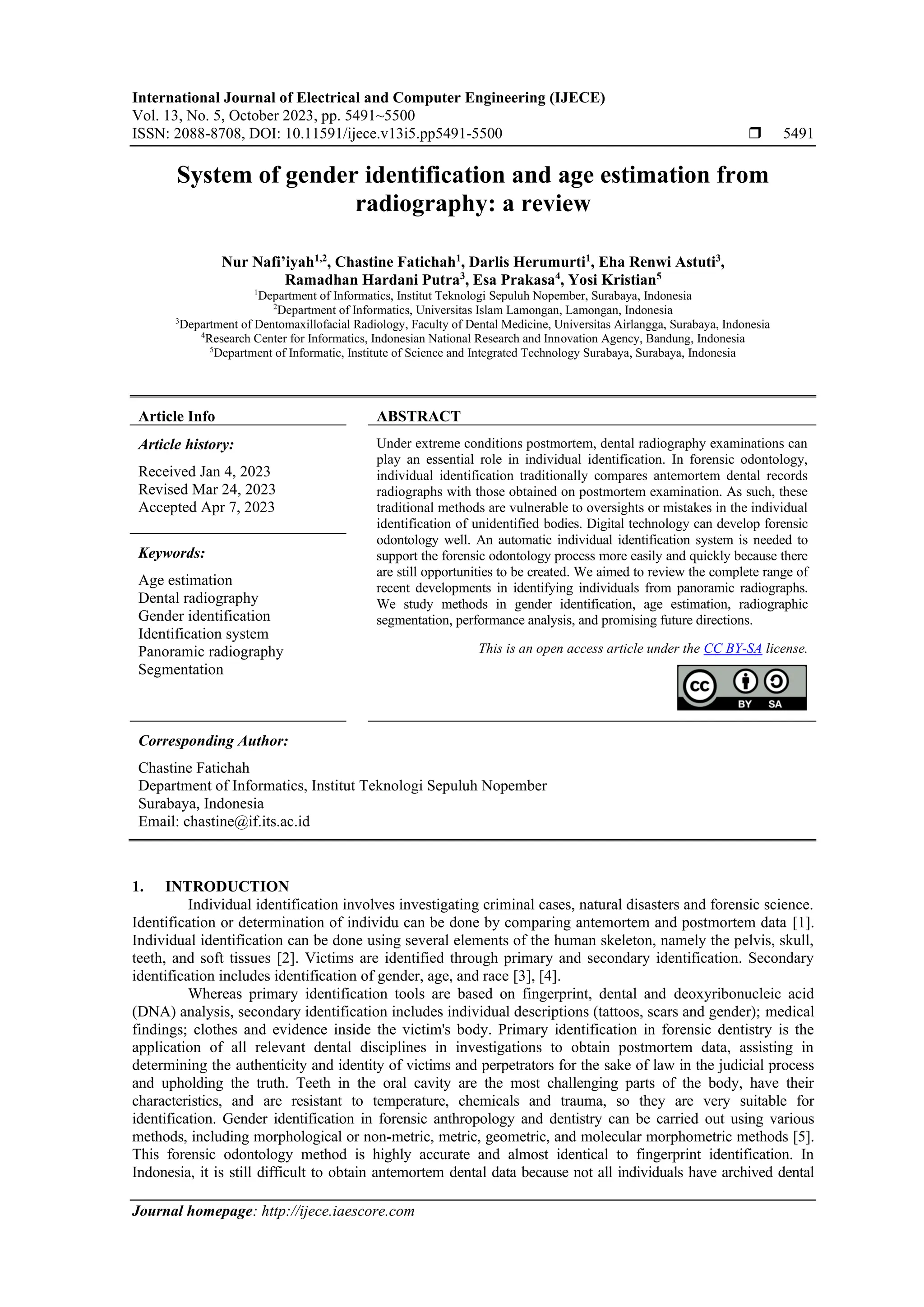
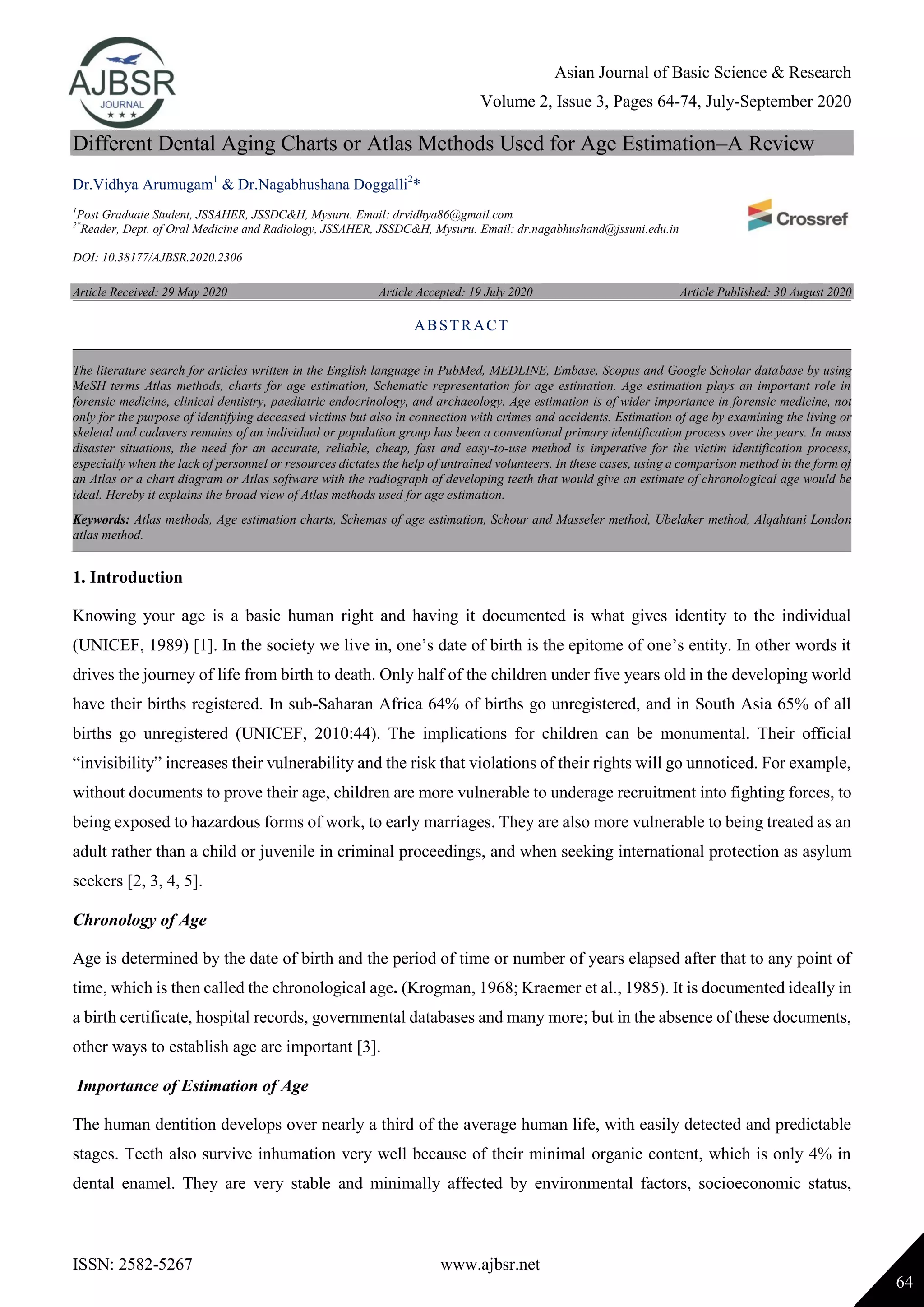
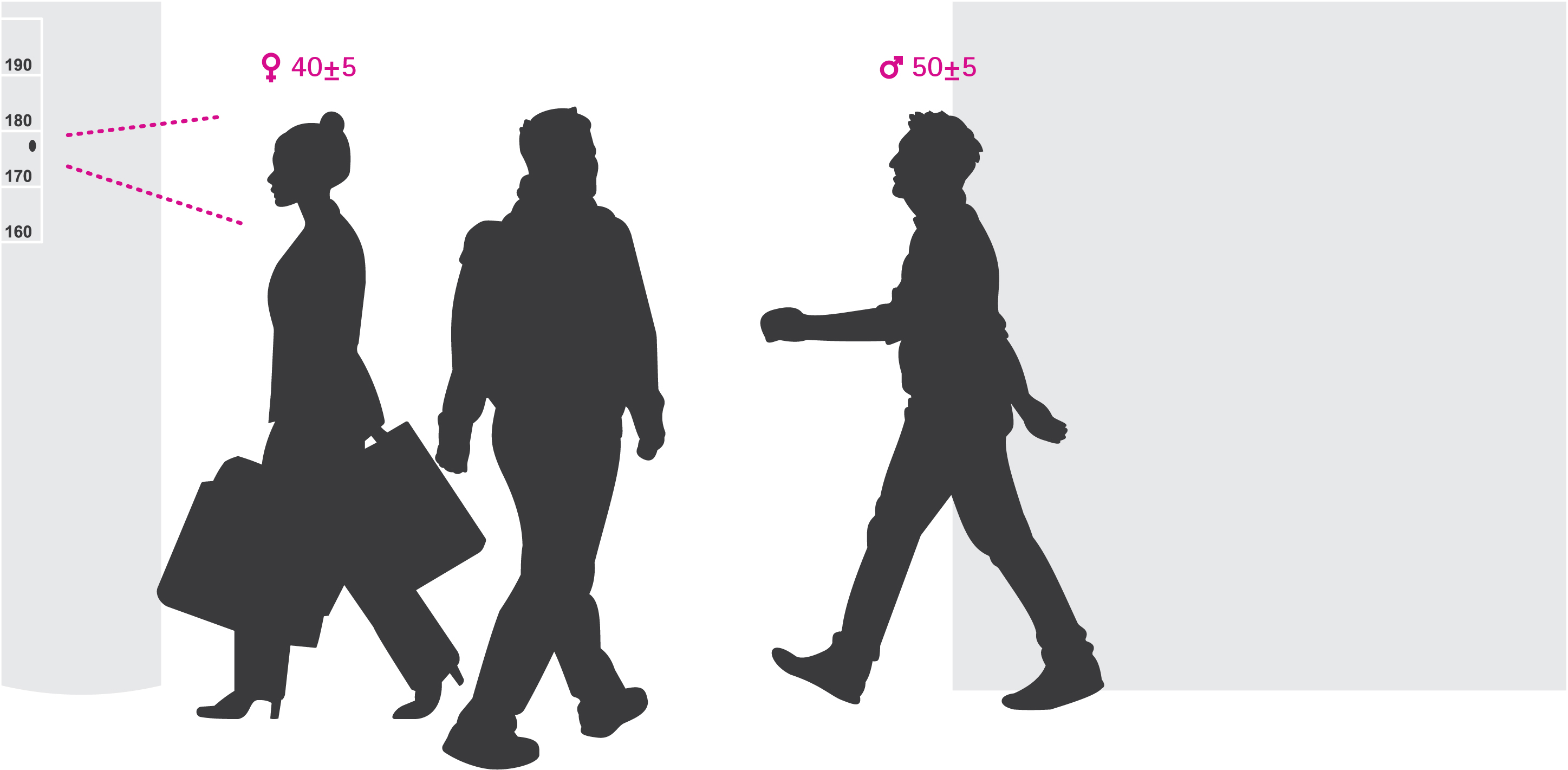
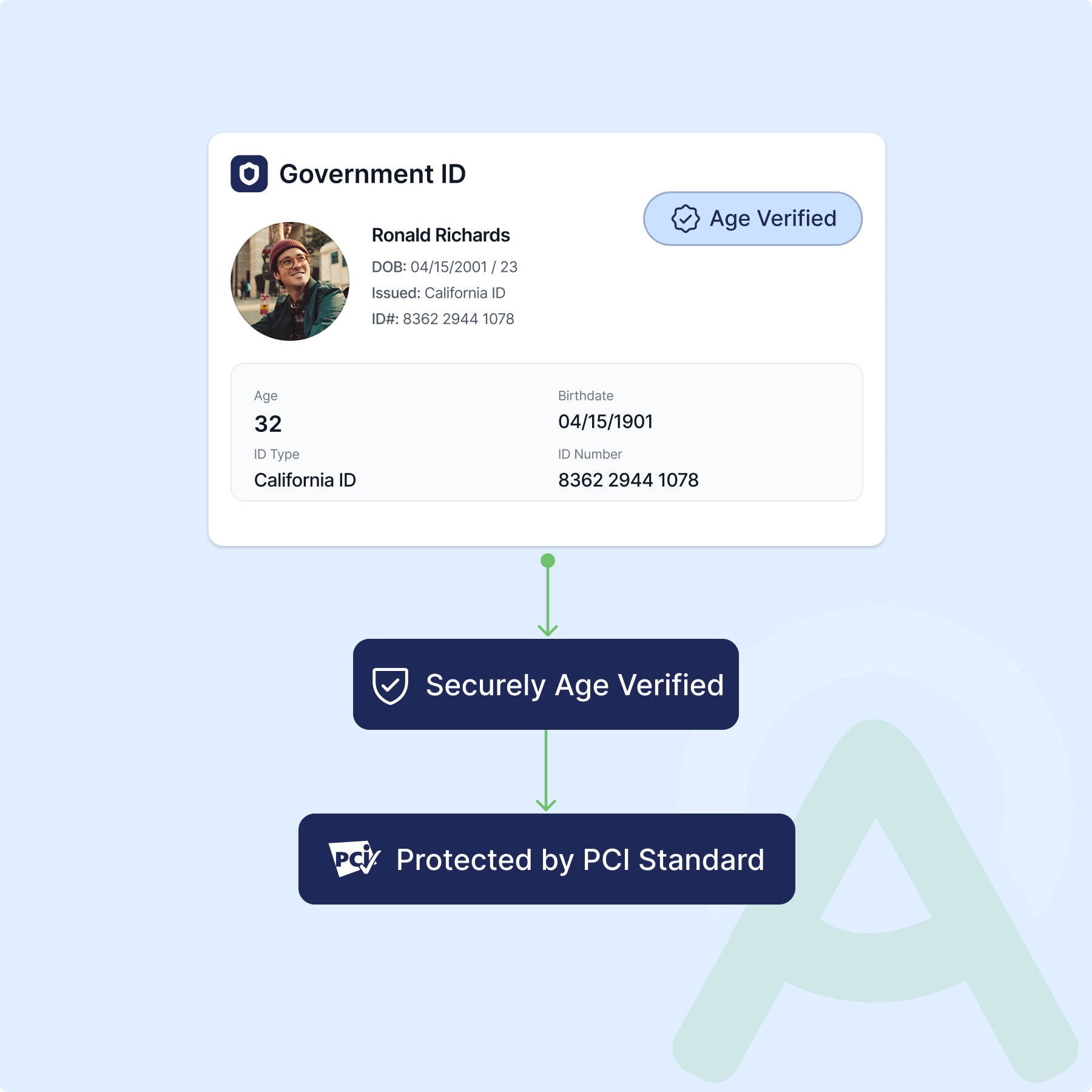
An age identifier is a technical system or methodology used to determine, estimate, or verify a person’s age in both digital and physical environments. These systems range from traditional identity document checks (Age Verification) to sophisticated artificial intelligence models that analyze physical characteristics to predict an individual’s age without requiring personal data (Age Estimation). In 2026, these identifiers have become essential infrastructure for online safety, regulatory compliance, and the distribution of age-restricted goods and services.
The evolution of age identifier technology has been driven by a global push for enhanced online protection for minors and the need for businesses to mitigate liability. As we navigate 2026, the landscape is defined by a clear distinction between "knowing who someone is" and "knowing how old someone is." This distinction is critical for privacy; modern age identifiers increasingly focus on the latter, providing "zero-knowledge" proofs that confirm a user meets an age threshold without revealing their name, address, or date of birth.
The Core Categories of Age Identifiers
To understand how age identifiers function, it is necessary to categorize them based on their methodology. While the end goal—determining age—is the same, the data inputs and privacy implications vary significantly.
1. Hard-Identifier Age Verification (AV)
This is the most traditional digital method. It relies on a "hard" link to a person’s legal identity. The process typically involves a user uploading a government-issued ID, such as a passport or driver’s license. An automated system (often utilizing Optical Character Recognition or OCR) extracts the date of birth and calculates the current age.
In 2026, these systems are highly integrated with governmental eID schemes. For example, many European citizens now use digital identity wallets that provide a "verified age attribute." Instead of sharing the entire document, the wallet sends a cryptographically signed confirmation to the service provider stating simply: "User is 18+."
2. Biometric Age Estimation (AE)
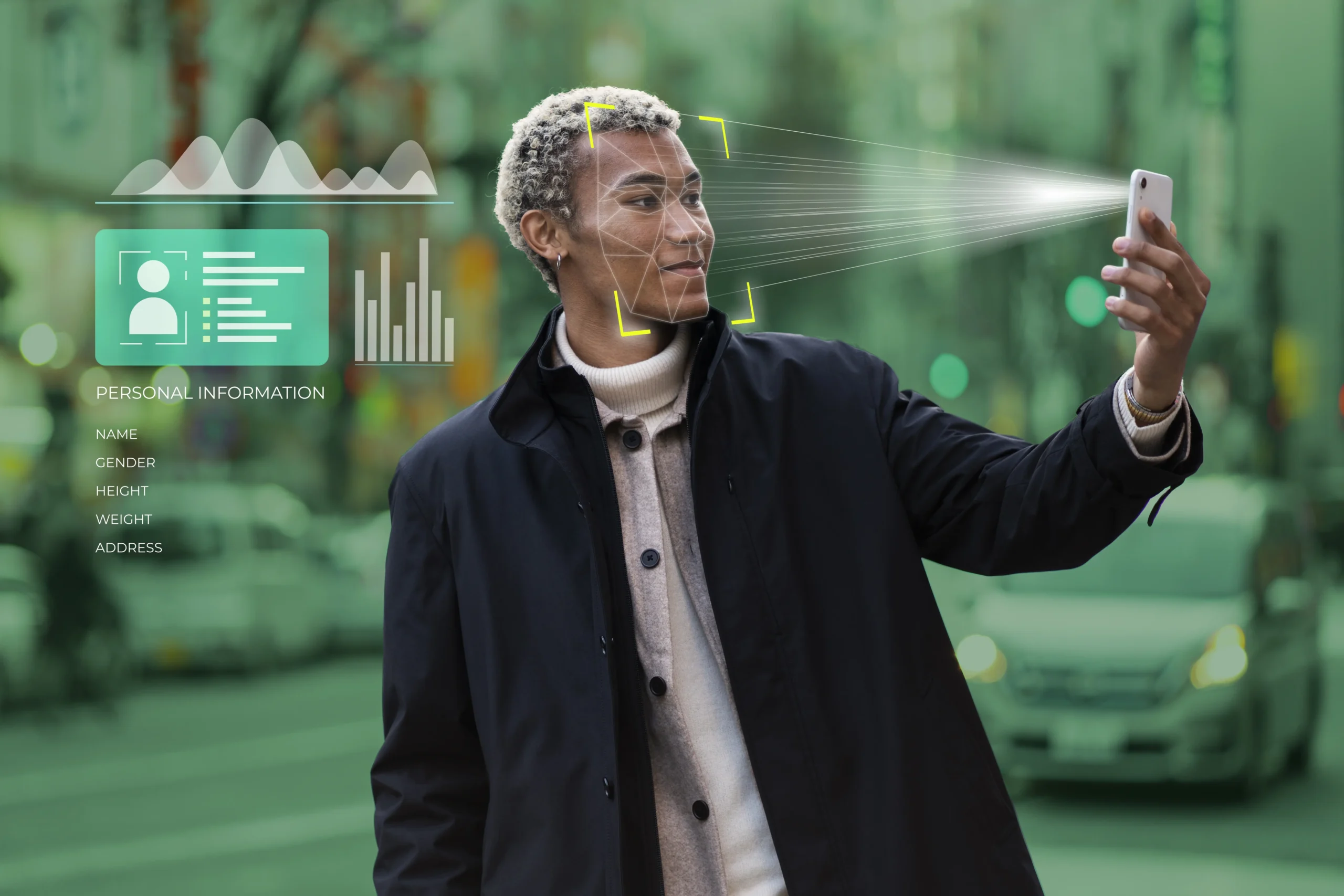
Unlike verification, age estimation does not require a legal document. Instead, it uses machine learning to analyze biometric data—most commonly a facial scan—to estimate an individual’s age. The technology looks at "landmarks" on the face and skin texture to produce an estimate within a narrow margin of error (typically +/- 1.5 to 2.5 years for those in their late teens).
The primary advantage of age estimation as an age identifier is its privacy-preserving nature. Because the system does not need to know the person's identity, it can process the scan, return an age result, and immediately delete the biometric data. This prevents the creation of long-term tracking profiles.
3. Database-Driven Identification
This method checks a user’s self-reported details (Name, Address, Date of Birth) against authoritative databases, such as credit bureaus, electoral rolls, or mobile network operator records. While effective in regions with robust public records, it often excludes "thin file" individuals, such as younger adults who have not yet established a credit history or permanent address.
The Regulatory Drivers for Age Identification in 2026
The implementation of age identifiers is rarely a voluntary choice for platforms; it is a response to a complex global regulatory framework that has matured significantly over the last five years.
Global Safety Acts
Laws such as the UK’s Online Safety Act and various "Age-Appropriate Design Codes" across the United States and Europe now mandate that platforms take "proportionate measures" to prevent children from accessing harmful content. This has shifted the burden of proof from the user to the platform. By 2026, "self-declaration" (simply clicking a box that says "I am over 18") is no longer considered a valid age identifier for high-risk platforms, including social media, adult content, and online gambling.
The EU AI Act and Biometrics
As of 2026, the European Union’s AI Act provides strict guidelines on how age estimation (as a form of biometric analysis) can be used. Systems must be transparent, audited for bias, and must not store biometric templates after the estimation is complete. This has forced providers to innovate in "edge processing," where the age identifier logic runs locally on the user's device rather than on a central server.
Technical Mechanisms: How Age Estimation Works
Biometric age identifiers are the most rapidly growing segment of the market. To understand their reliability, one must look at the underlying neural networks.
- Image Capture and Liveness Detection: The system first ensures that the subject is a live human being and not a photo, video, or deepfake. This is known as "liveness detection." It often requires the user to move their head or blink to prove physical presence.
- Feature Extraction: The AI identifies hundreds of points on the face. It measures the distances between features and analyzes the micro-textures of the skin.
- Statistical Comparison: The system compares these features against a massive dataset of millions of diverse, pre-verified faces. It looks for patterns that correlate with specific age groups.
- Threshold Logic: The system produces a "mean age" and a "standard deviation." For example, if a site requires users to be 18, the age identifier might set the threshold at 21 (the mean minus the margin of error) to ensure that no one under 18 is accidentally granted access.
By 2026, these algorithms have achieved parity across different ethnicities and genders, addressing the "algorithmic bias" concerns that plagued early versions of the technology in the early 2020s.
Comparison of Age Identifier Methods
The following table compares the primary methods used in 2026 based on accuracy, user friction, and privacy.
| Method | Accuracy | User Friction | Privacy Level | Best Use Case |
|---|---|---|---|---|
| Document Verification | Highest (100% vs. ID) | High (Requires scanning) | Low (Shares PII) | High-value finance, alcohol delivery |
| Facial Age Estimation | High (+/- 1.5 years) | Low (Fast scan) | High (No PII stored) | Social media, gaming, video sites |
| Digital ID Wallets | Highest | Very Low (One-tap) | High (Encrypted) | Government services, regulated retail |
| Database Checks | Moderate | Moderate | Moderate | Utility sign-ups, credit checks |
| Credit Card Check | Moderate | High (Data entry) | Low | Subscription-based adult content |
Implementing an Age Identifier: A Guide for Businesses
For organizations required to implement age identifiers, the process involves balancing legal necessity with the user experience. High-friction identifiers often lead to "cart abandonment" or user churn.
Step 1: Risk Assessment
Determine the "Age Assurance" level required. Are you selling a product that is legally restricted (like tobacco), or are you simply trying to tailor content to an appropriate age group? Higher risk requires "Hard Verification" (documents), while lower risk may only require "Estimation."
Step 2: Selecting a Vendor
In 2026, businesses should look for vendors that hold certifications such as ISO/IEC 27001 (information security) and PAS 1296:2018 (the code of practice for online age estimation). It is also vital to verify that the vendor's AI model has been independently audited for demographic fairness.
Step 3: Integration and UI/UX
The age identifier should be integrated at the point of entry or the point of sale. To reduce friction, many businesses now offer "multi-modal" options, allowing the user to choose between scanning an ID or using a quick facial estimation.
Step 4: Data Minimization
Adhere to the principle of data minimization. Once the age identifier has returned a "Pass" or "Fail" result, any temporary images or PII used during the process should be purged immediately unless there is a legal requirement for record-keeping.
Addressing Privacy and Ethical Concerns
The rise of age identifiers has not been without controversy. Privacy advocates often point to the potential for "function creep," where a system designed for age verification is later used for surveillance or targeted advertising.
To combat this, the leading age identifier providers in 2026 have moved toward decentralized identifiers (DIDs). In this model, the "proof" of age is stored on the user’s device. When a website asks for age, the device sends a "Zero-Knowledge Proof" (ZKP). The website receives a mathematical confirmation that the user is of age, but it never sees the biometric scan or the document. This architecture effectively uncouples identity from age, allowing for safe browsing without the threat of a permanent digital paper trail.
Common Obstacles and Troubleshooting
Even with advanced 2026 technology, age identifiers can encounter issues. Understanding these helps in managing user expectations.
- Low Lighting and Camera Quality: Age estimation requires clear imagery. Users in low-light environments may face repeated failures. Platforms should provide clear instructions on positioning and lighting.
- Edge Cases in Aging: Certain medical conditions or surgical procedures can affect the accuracy of age estimation. In these instances, a "fallback" to document-based verification is necessary.
- Deepfakes and Spoofing: As AI evolves, so do the tools to bypass them. Age identifiers must be paired with robust "active liveness" checks that can distinguish between a human face and a high-resolution synthetic mask or screen-injection attack.
Frequently Asked Questions
What is the most accurate age identifier?
The most accurate method remains document-based verification (scanning a passport or driver's license) because it relies on a verified government record. However, in 2026, digital identity wallets are considered equally accurate while offering significantly faster processing and better privacy for the user.
Is facial age estimation the same as facial recognition?
No. Facial recognition is designed to identify a specific individual (Who are you?). Facial age estimation is designed to identify a characteristic (How old are you?). Most age estimation systems in 2026 do not extract or store unique biometric templates that could be used to identify the person in other contexts.
Can a VPN bypass an age identifier?
A VPN can change a user's perceived location to bypass geo-blocks, but it cannot bypass a properly implemented age identifier. Because the identifier requires a physical document or a live biometric scan, the user's IP address is irrelevant to the age determination process itself.
How do age identifiers handle privacy?
Modern age identifiers utilize data minimization and zero-knowledge proofs. For estimation, the image is typically processed in volatile memory and deleted within seconds. For verification, many providers now act as "blind intermediaries," confirming the age to the client without sharing the user's personal identity details.
Do age identifiers work for people with disabilities?
Top-tier providers have optimized their systems for accessibility. This includes allowing for slower response times in liveness checks, providing voice-guided instructions, and offering manual human review as a fallback for users whose physical characteristics may not be easily read by standard AI models.
Moving Toward a Standardized Age Identity
As we look toward the remainder of 2026, the goal for both regulators and tech providers is the "interoperability" of age identifiers. The ideal scenario is one where a user verifies their age once through a trusted provider or government wallet and can then use that "verified status" across the entire web.
This "Verify Once, Use Everywhere" model reduces the number of times a user has to share sensitive data, thereby reducing the overall "attack surface" for data breaches. For businesses, adopting standardized age identifiers means lower compliance costs and a more seamless experience for their customers. The future of age identification lies not in more data collection, but in smarter, more private ways to prove we are who we say we are—or at least, as old as we need to be.