Age guidelines are structured frameworks established by regulatory bodies, health organizations, and industry leaders to ensure safety, developmental appropriateness, and legal compliance. These standards govern everything from digital platform access and screen time limits to legal milestones like driving or voting, helping individuals and guardians navigate various life stages responsibly.
The Digital Frontier: Social Media and Online Safety Guidelines
In 2026, the digital landscape is more complex than ever, necessitating strict adherence to age guidelines to protect minors from data exploitation and inappropriate content. The foundational standard for most social media platforms remains 13 years old, a threshold primarily dictated by the Children’s Online Privacy Protection Act (COPPA) in the United States and the General Data Protection Regulation (GDPR) in the European Union. However, these guidelines are no longer just about "signing up."
The rationale behind the 13+ limit is rooted in the legal ability of companies to collect and monetize personal data. Below this age, platforms must obtain verifiable parental consent, which many choose to avoid by simply barring younger users. In 2026, we see a significant shift toward "Age-Appropriate Design Codes," which require platforms to provide high-privacy settings by default for anyone under 18. This includes disabling direct messaging from strangers, hiding "likes" to reduce social pressure, and limiting algorithmic "nudging" that can lead to excessive use.
Parents must understand that these guidelines are a floor, not a ceiling. While a 13-year-old may legally create an account, their emotional maturity may not yet be equipped for the nuances of cyberbullying or the curated "perfection" of influencer culture. Current 2026 recommendations from digital wellness experts suggest "slow boarding"—introducing platforms with high parental oversight and gradually increasing autonomy as the child demonstrates responsible digital citizenship.
Pediatric Health and Developmental Benchmarks
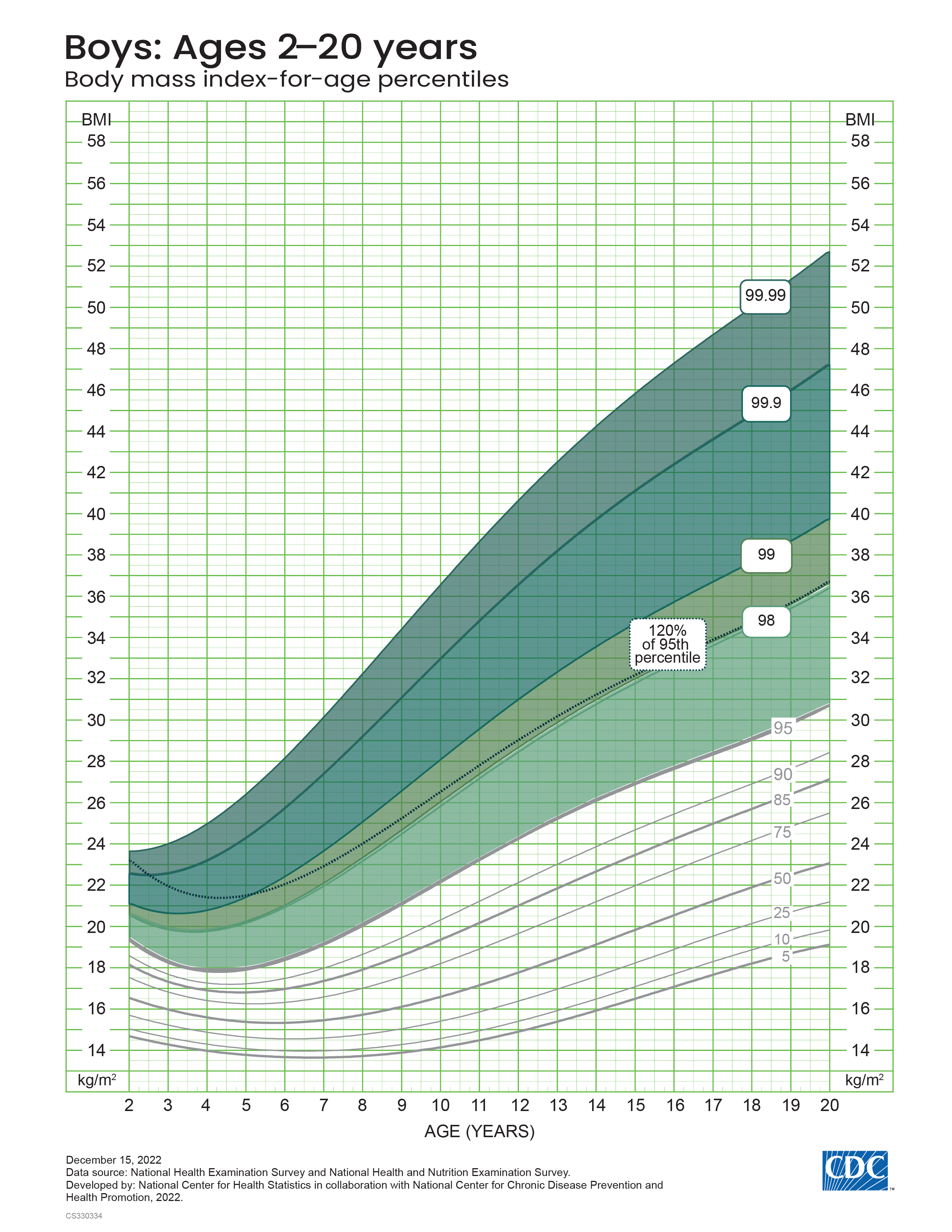
Health-related age guidelines serve as a roadmap for physical and mental development. The World Health Organization (WHO) and the American Academy of Pediatrics (AAP) provide essential benchmarks that have been updated to reflect the realities of a post-pandemic, tech-integrated world. These guidelines focus heavily on the "Goldilocks" balance of sleep, physical activity, and sedentary behavior.
For infants and toddlers, the guidelines are stringent: zero screen time for children under 18 months, with the exception of video chatting with family. Between ages two and five, screen time should be limited to one hour of high-quality, educational programming per day, ideally co-viewed with a parent. The emphasis here is on neuroplasticity; early childhood is a critical window for language development and motor skills, which are best fostered through face-to-face interaction and tactile play rather than passive consumption.
As children enter school age (6–12), the focus shifts toward lifestyle balance. The "5-2-1-0" rule remains a gold standard in 2026: at least five servings of fruits and vegetables, no more than two hours of recreational screen time, at least one hour of physical activity, and zero sugary drinks. Furthermore, sleep guidelines are non-negotiable for cognitive function. Pre-teens require 9–12 hours of sleep, while teenagers need 8–10 hours. Disregarding these age-specific sleep guidelines is directly linked to increased rates of anxiety and academic decline.
Entertainment Ratings and Content Consumption Standards
The systems used to categorize movies, video games, and streaming content have evolved to include more granular information about interactive elements and AI-generated content. The Motion Picture Association (MPAA) and the Entertainment Software Rating Board (ESRB) provide the most recognized age guidelines in the Western world.
In 2026, the ESRB has expanded its labeling to include specific warnings about "In-Game Purchases (Including Random Elements)" and "AI-Generated Interaction." These labels help parents understand that a game’s "E for Everyone" rating applies to the core content, but the live interactions within the game may vary. Similarly, streaming services have moved toward "Dynamic Ratings," where content can be filtered based on specific triggers (e.g., substance abuse or graphic violence) rather than a single broad age category like TV-MA or TV-14.
Understanding the "Why" behind a rating is crucial. An "R" rating or an "M" for Mature rating often involves more than just "bad language." These guidelines are designed to protect developing minds from complex themes they may not yet have the cognitive framework to process, such as existential dread, extreme psychological horror, or nuanced moral ambiguity.
Legal Milestones and Statutory Age Limits
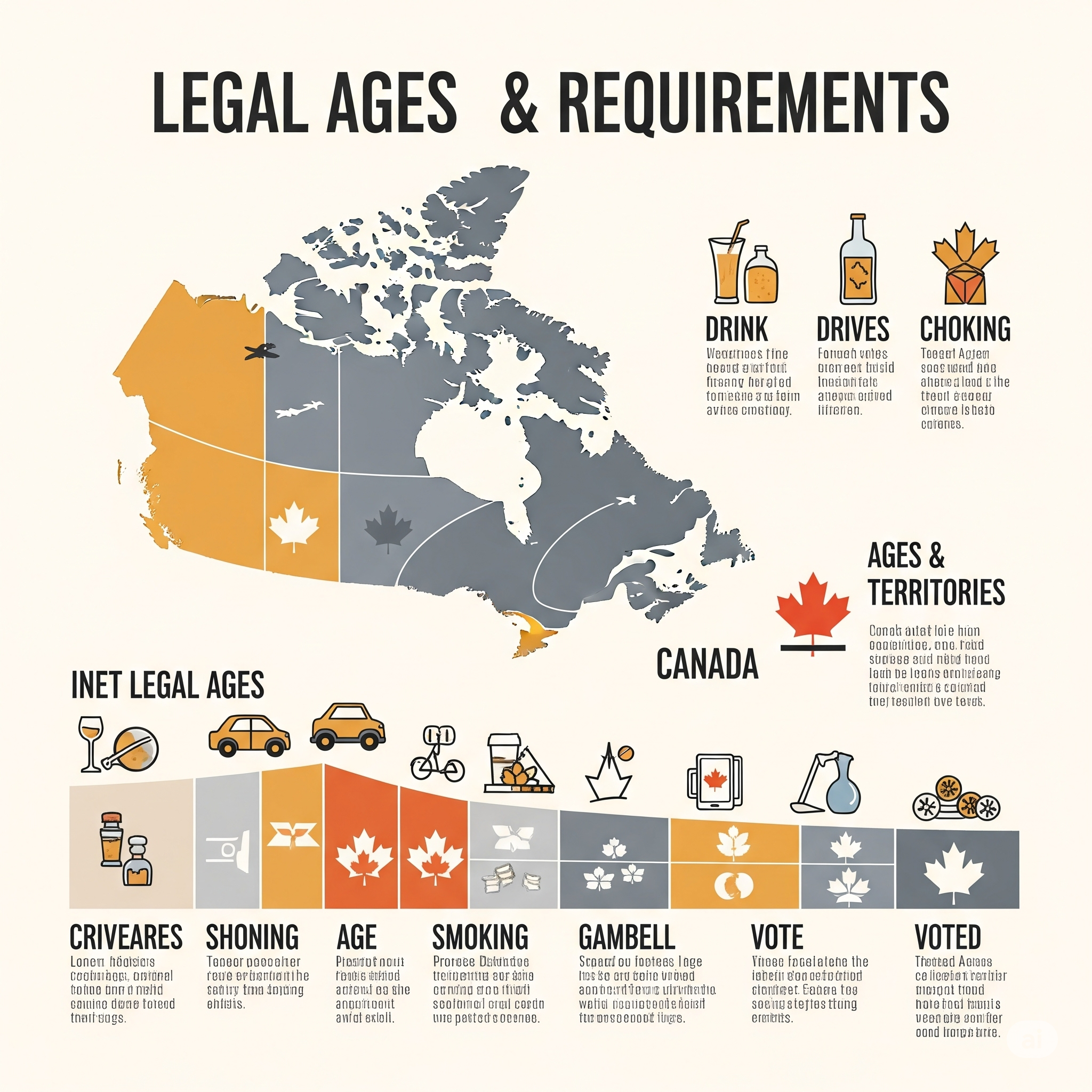
Legal age guidelines, or "statutory limits," define when an individual transitions from being a minor to a person with full legal rights and responsibilities. While the "Age of Majority" is 18 in many jurisdictions, 2026 sees a fragmented landscape regarding specific activities.
For instance, the legal age for tobacco and nicotine consumption (including vaping) has been standardized to 21 in many regions to combat the youth nicotine epidemic. Conversely, the age for criminal responsibility remains a point of global debate, with some regions setting it as low as 10, while human rights organizations push for a minimum of 14. Driving privileges also follow a tiered age guideline system. Many U.S. states and European countries utilize "Graduated Driver Licensing" (GDL), which allows 16-year-olds to drive under supervision, moving to restricted solo driving at 17, and full privileges at 18. This phased approach is backed by data showing that the frontal lobe, responsible for impulse control and risk assessment, is not fully developed until the mid-20s.
Global Comparison of Key Age Guidelines (2026)
The following table outlines the standard age requirements across various sectors as of 2026. Note that local laws may vary.
| Category | Typical Age Guideline | Regulatory Body / Standard | Primary Objective |
|---|---|---|---|
| Social Media | 13+ | COPPA / GDPR | Data Privacy & Online Safety |
| Alcohol/Nicotine | 18 - 21 | National/Regional Law | Public Health & Brain Development |
| Cinema Ratings | G, PG, PG-13, R, NC-17 | MPAA | Content Appropriateness |
| Video Games | EC, E, E10+, T, M, AO | ESRB / PEGI | Interactive Safety & Themes |
| Screen Time | <1 hr (Ages 2-5) | WHO / AAP | Physical & Mental Health |
| Driving (Full) | 18 | Department of Motor Vehicles | Public Safety & Skill Mastery |
| Voting | 18 | Constitutional Law | Civic Participation |
The Evolving Landscape of Age Verification Technology
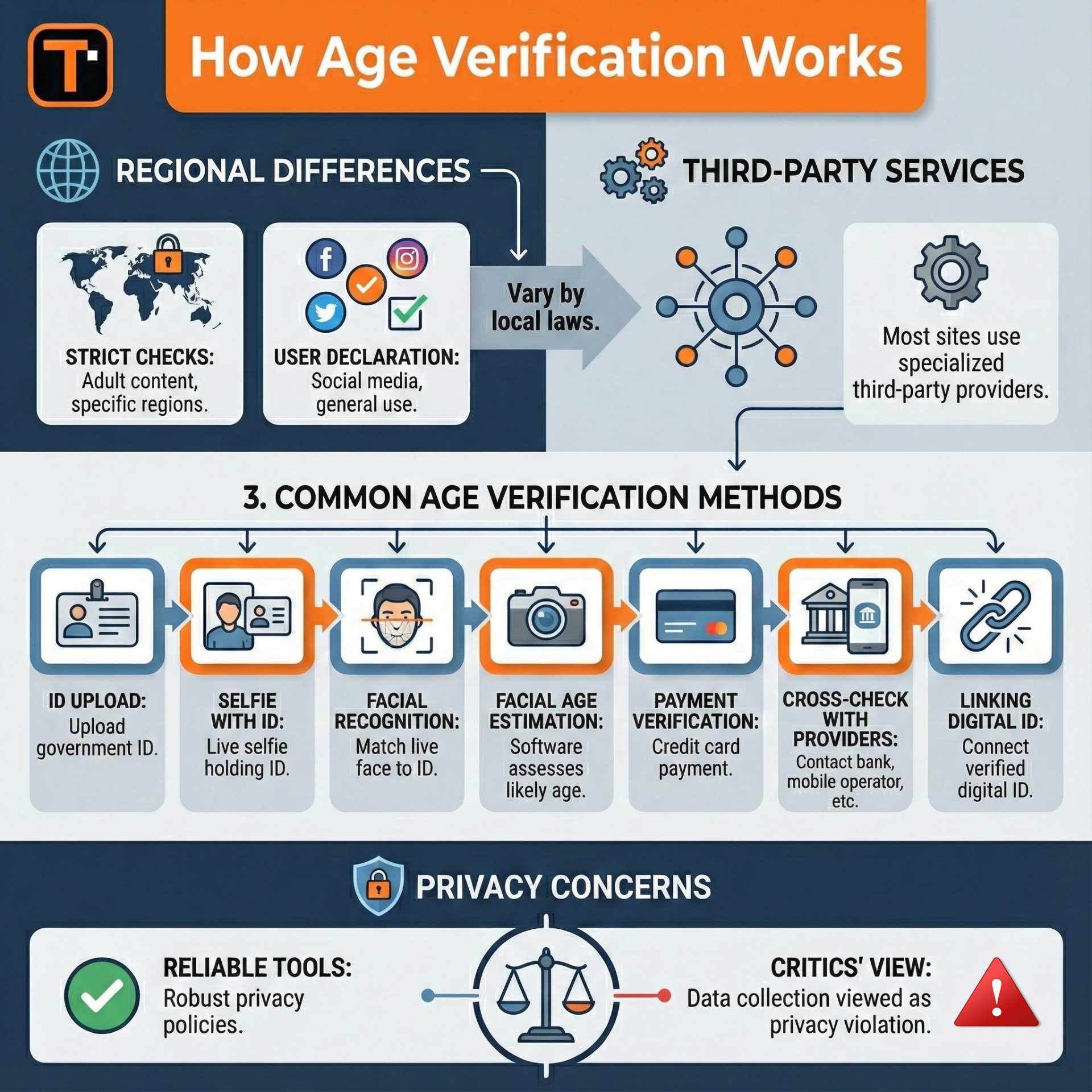
As we move through 2026, the enforcement of age guidelines has shifted from "self-declaration" (simply clicking a box that says "I am over 18") to sophisticated age verification (AV) technologies. This shift is driven by increased pressure from governments to protect children from adult-oriented sites and high-risk digital environments.
Current AV methods include:
- Identity Document Verification: Uploading a government-issued ID, which is then cross-referenced with facial recognition to ensure the person holding the phone matches the ID.
- Credit Card Verification: Using a valid credit card as a proxy for adulthood, though this is increasingly viewed as exclusionary to those without banking access.
- AI-Based Face Estimation: Using algorithms to estimate age based on facial features. In 2026, these systems are accurate within a 1.5-year margin but remain controversial due to privacy and bias concerns.
- Zero-Knowledge Proofs: A privacy-first technology where a third-party provider verifies the age and tells the website "Yes, this person is over 18" without sharing the user's name, birthdate, or actual identity.
The tension in 2026 lies between the "Right to Safety" for children and the "Right to Privacy" for adults. Guidelines now recommend that any platform implementing age verification must use "privacy-by-design" principles to ensure that data used for verification is deleted immediately after the check is complete.
FAQ: Common Questions Regarding Age Guidelines
At what age is it safe for a child to have their first smartphone?
Most developmental experts suggest waiting until age 14 (8th grade) for a fully featured smartphone, though a basic phone for communication can be introduced earlier. The decision should be based on the child's demonstrated responsibility, their need for independent communication, and the parent's ability to implement and monitor safety filters. In 2026, many parents utilize "companion devices" or "kid-safe" smartphones that lack open internet access.
Why do some movies have different ratings in different countries?
Age guidelines for content are culturally dependent. For example, some European countries are more lenient toward nudity but stricter regarding violence, whereas the United States' MPAA guidelines are historically the opposite. These ratings reflect the social norms and values of the specific region's regulatory board, meaning a film rated 12 in the UK might be rated PG-13 or even R in the US.
Are screen time guidelines the same for educational and recreational use?
No, modern 2026 guidelines distinguish between "active" and "passive" screen time. Active use, such as coding, digital art, or school research, is generally viewed more favorably than passive scrolling or binge-watching. However, even educational use should be balanced with physical movement to prevent eye strain (following the 20-20-20 rule) and sedentary health risks.
Can a platform legally delete my account if they suspect I am under the age guideline?
Yes. Most Terms of Service agreements state that the platform reserves the right to terminate accounts that do not meet the minimum age requirement. In 2026, many platforms have automated systems that flag accounts based on posting patterns or interaction data that suggest a user is younger than their stated age. Regaining access usually requires a formal age verification process.
How do age guidelines apply to AI-generated content?
In 2026, age guidelines for AI-generated content are still emerging but generally follow a "transparency first" model. Content that is fully or partially generated by AI must be labeled, especially if it depicts realistic humans or sensitive themes. Platforms are encouraged to restrict high-powered generative AI tools to users 18 and older due to the potential for creating deepfakes or misinformation.
Next Steps for Implementing Age Guidelines
To effectively utilize age guidelines in 2026, individuals and guardians should move beyond passive awareness toward active implementation. Start by conducting a "Digital and Health Audit" of your household. Check the privacy settings on all connected devices and verify that the content being consumed aligns with the ESRB or MPAA ratings appropriate for the youngest user in the room.
For parents, the most effective strategy is the "Co-Navigation" approach. Rather than using age guidelines as a rigid set of "no" rules, use them as conversation starters. Discuss why certain games are rated "M" or why social media platforms have a 13+ limit. This builds the critical thinking skills necessary for children to eventually manage their own boundaries. Finally, stay informed about local legislative changes, as 2026 continues to see rapid shifts in how "age" is defined and verified in the modern world.