Age estimation is the scientific or algorithmic process used to determine an individual's chronological age when documented proof is unavailable or requires verification. In 2026, this field integrates traditional forensic biology with advanced artificial intelligence and epigenetic analysis. It serves critical roles in online child safety, forensic identification, clinical diagnostics, and legal proceedings to ensure appropriate age-based protections and responsibilities are applied.
The Foundations of Biological Age Estimation
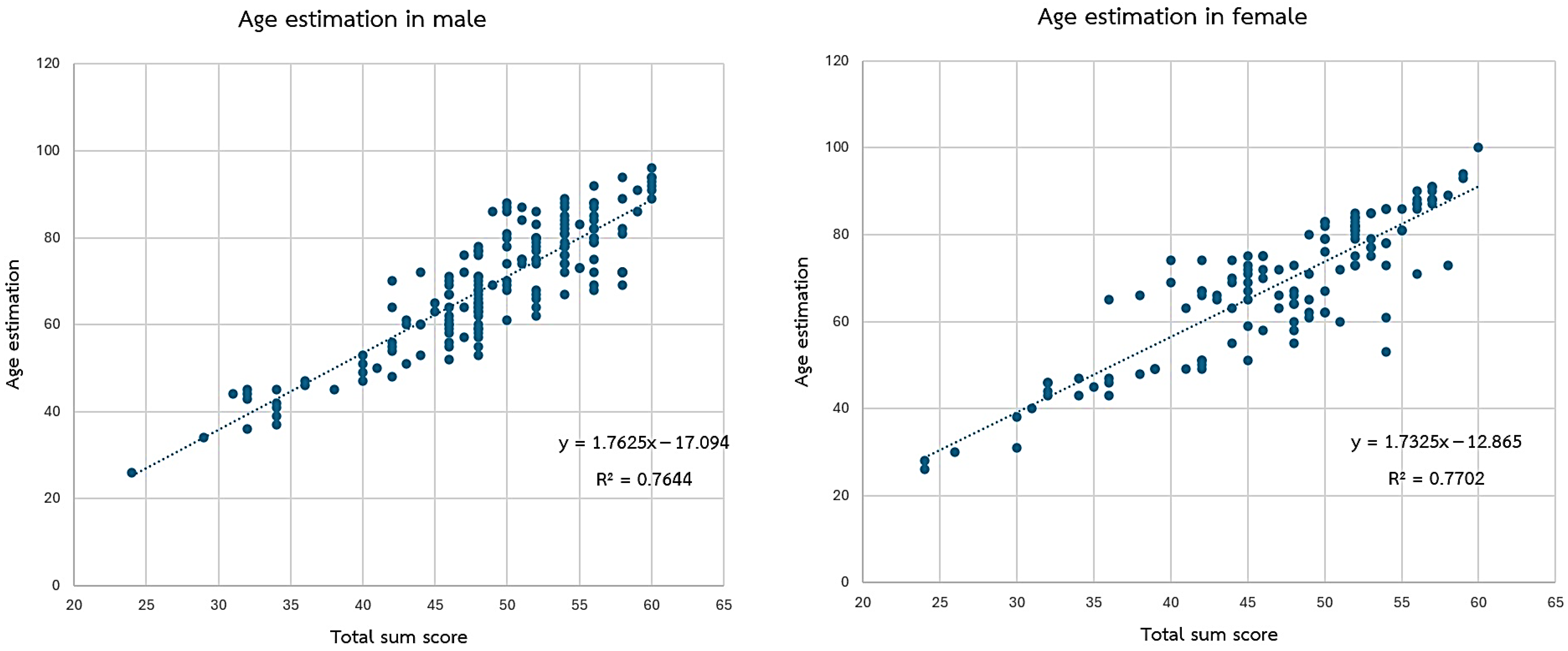
Biological age estimation relies on the predictable physiological changes that occur throughout a human lifespan. Because chronological age (the time elapsed since birth) does not always align perfectly with biological development, specialists look for specific biomarkers that show the least amount of variation across different populations. These markers are primarily found in the skeletal system and the dentition, where growth and degeneration follow a relatively stable timeline.
In pediatric and adolescent cases, the focus is on developmental milestones. For example, the appearance and subsequent fusion of primary and secondary ossification centers in the bones provide a reliable window into a child's age. As an individual reaches adulthood, these developmental markers disappear, and practitioners must shift their focus to degenerative changes. This transition makes age estimation for adults significantly more challenging, as factors such as lifestyle, nutrition, and physical labor begin to influence the rate of biological "wear and tear."
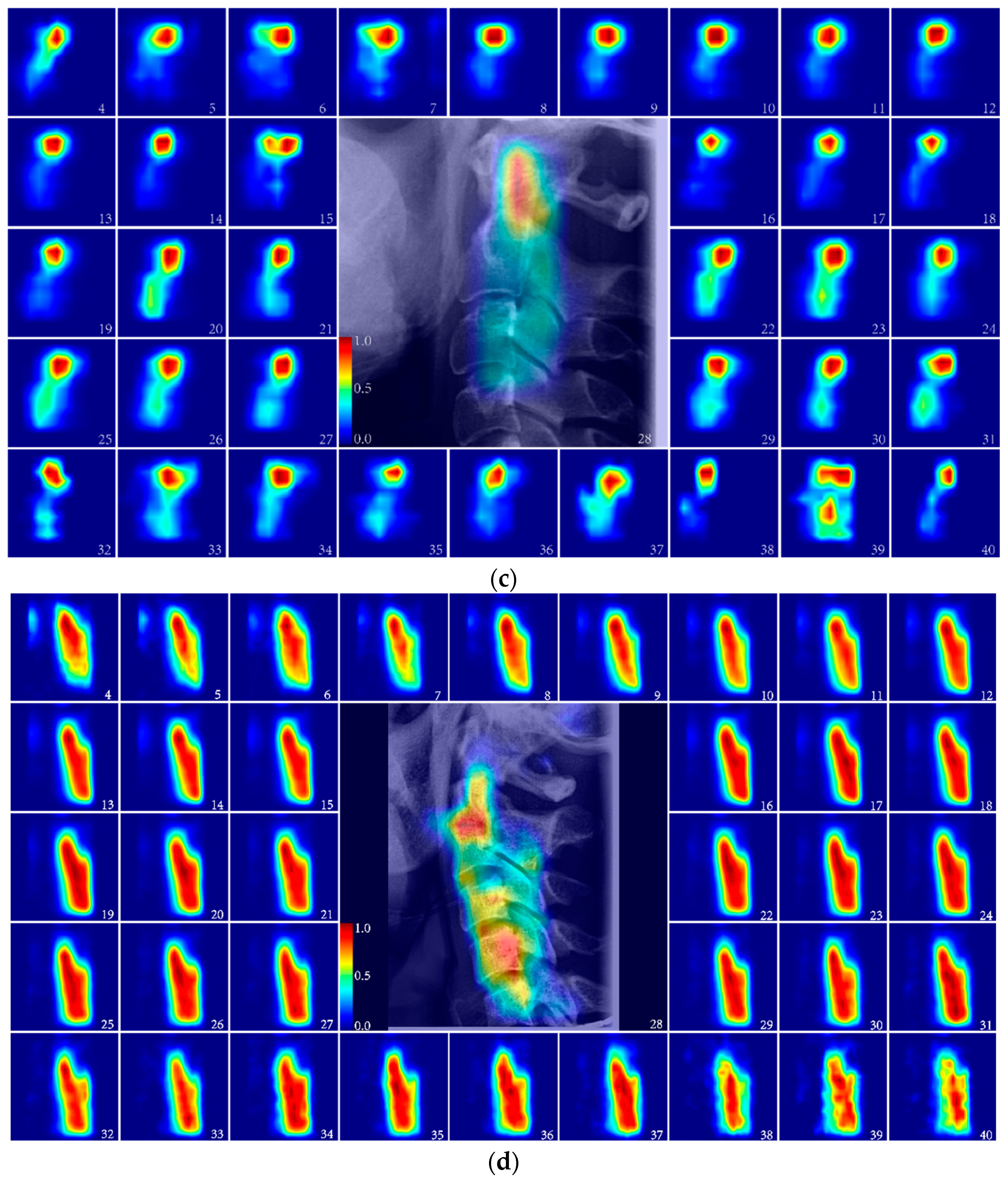
Forensic anthropologists and odontologists often use a multi-factorial approach. By combining observations from multiple parts of the body, they can narrow the margin of error. In 2026, digital radiography and 3D imaging have replaced traditional X-rays in many jurisdictions, allowing for more precise measurements of bone density and dental mineralization without invasive procedures.
Dental Estimation Methods and Accuracy
Teeth are often considered the most reliable biological indicators of age because they are highly resistant to environmental degradation and follow a strict genetic schedule of development. The enamel, being the hardest substance in the human body, protects the internal structures from many external influences that might otherwise skew the "biological clock."
One of the most widely recognized techniques is the Demirjian method, which utilizes panoramic radiographs to assess the developmental stages of the seven left mandibular teeth. Each tooth is assigned a stage from A to H based on its calcification, and these scores are converted into a total maturity score, which is then mapped to a chronological age. While highly effective for children and adolescents, the Demirjian method's accuracy wanes as an individual reaches 16 to 18 years of age.
For older adolescents and young adults, forensic odontologists focus on the third molar, or "wisdom tooth." Since third molars are the last teeth to develop, their mineralization stages are frequently used to determine if an individual has reached the legal age of majority (typically 18). However, it is important to note that third molars are highly variable; some people never develop them, while others may show delayed eruption due to impaction or genetic factors. Consequently, third molar analysis is usually presented as a probability—for instance, a statement that there is an 80% likelihood the individual is over 18.
Skeletal Analysis and Ossification Centers
Skeletal age estimation, often referred to as "bone age," is a cornerstone of both forensic science and clinical pediatrics. The process involves examining the maturation of the skeleton, specifically looking at the centers of ossification and the fusion of the epiphyses (the ends of long bones) to the diaphysis (the shaft).
The hand and wrist are the most common areas studied for pediatric age estimation. The Greulich-Pyle atlas remains a foundational tool in 2026, providing a standard reference for comparing a patient’s X-ray against a series of documented maturation stages. By observing the shape and size of the carpal bones and the degree of fusion in the phalanges, clinicians can estimate age within a six-month to one-year margin for younger children.
For older individuals, the medial end of the clavicle (collarbone) and the pubic symphysis (the joint between the pubic bones) are used. The clavicle is one of the last bones in the body to complete its fusion, often not finishing until the mid-20s, making it an essential marker for determining whether a young adult is 21 or 25. The Suchey-Brooks method is frequently employed to analyze the pubic symphysis, focusing on the changing texture and ridges of the bone surface. Over time, the surface transitions from a rugged, ridged appearance to a smooth, then eventually pitted and degenerated state, allowing experts to categorize the remains into age ranges.
Digital Age Estimation and AI-Driven Verification
The rise of global online safety regulations by 2026 has propelled digital age estimation into the mainstream. Unlike forensic methods, which are often used on deceased individuals or in criminal trials, digital age estimation is primarily used for "age assurance" to protect minors from harmful content on social media, gaming platforms, and restricted websites.
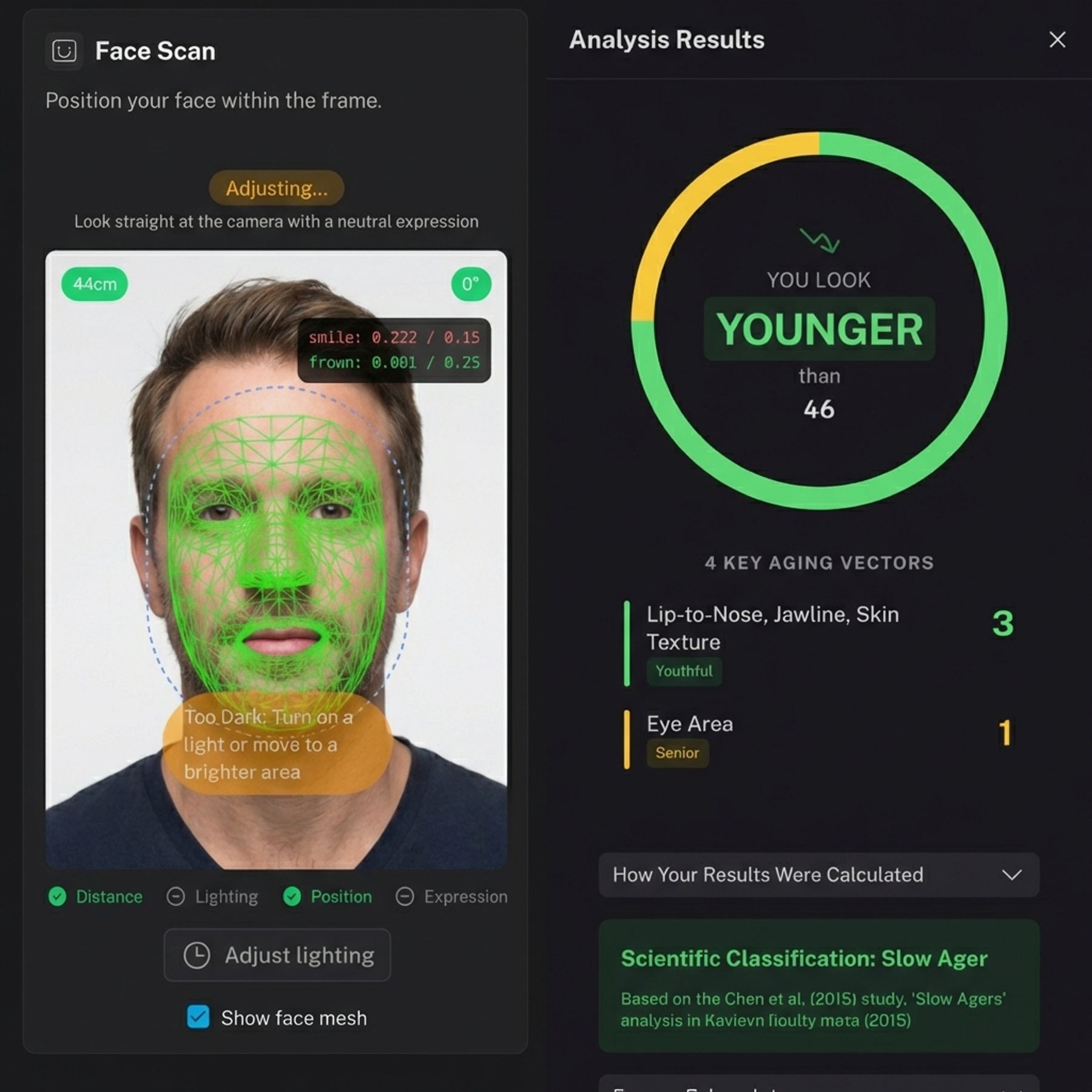
This technology utilizes facial age estimation algorithms trained on massive datasets of anonymized images. The AI analyzes facial geometry—such as the distance between the eyes, the proportions of the forehead, and skin texture—to estimate a person's age in seconds. A critical distinction in this field is between "age verification," which requires an official ID document, and "age estimation," which is a privacy-preserving method that does not require the user to share their identity.
Modern AI systems are designed with "Privacy by Design" principles, where images are processed in real-time and deleted immediately after the estimation is generated. By 2026, the industry has made significant strides in reducing algorithmic bias. Earlier versions of these systems often struggled with accuracy across different ethnicities or lighting conditions; however, current models use diverse training sets to ensure that a 15-year-old is not mistakenly categorized as a 25-year-old due to skin tone or environmental factors.
Comparative Overview of Estimation Techniques
The choice of an age estimation method depends heavily on the context (living vs. deceased), the age range of the subject, and the required precision. The following table compares the primary methods used in 2026.
| Method | Basis of Analysis | Target Age Group | Precision | Primary Application |
|---|---|---|---|---|
| Dental (Demirjian) | Tooth mineralization | 3–16 years | High (± 6–12 months) | Clinical & Forensic |
| Skeletal (Hand/Wrist) | Epiphyseal fusion | 0–18 years | Moderate (± 1–2 years) | Pediatric Medicine |
| Third Molar Analysis | Wisdom tooth growth | 16–23 years | Low to Moderate | Legal Age of Majority |
| Pubic Symphysis | Surface degeneration | 18–70+ years | Low (± 5–10 years) | Forensic Anthropology |
| AI Face Analysis | Facial geometry | All ages | Variable (± 2–3 years) | Online Safety/Compliance |
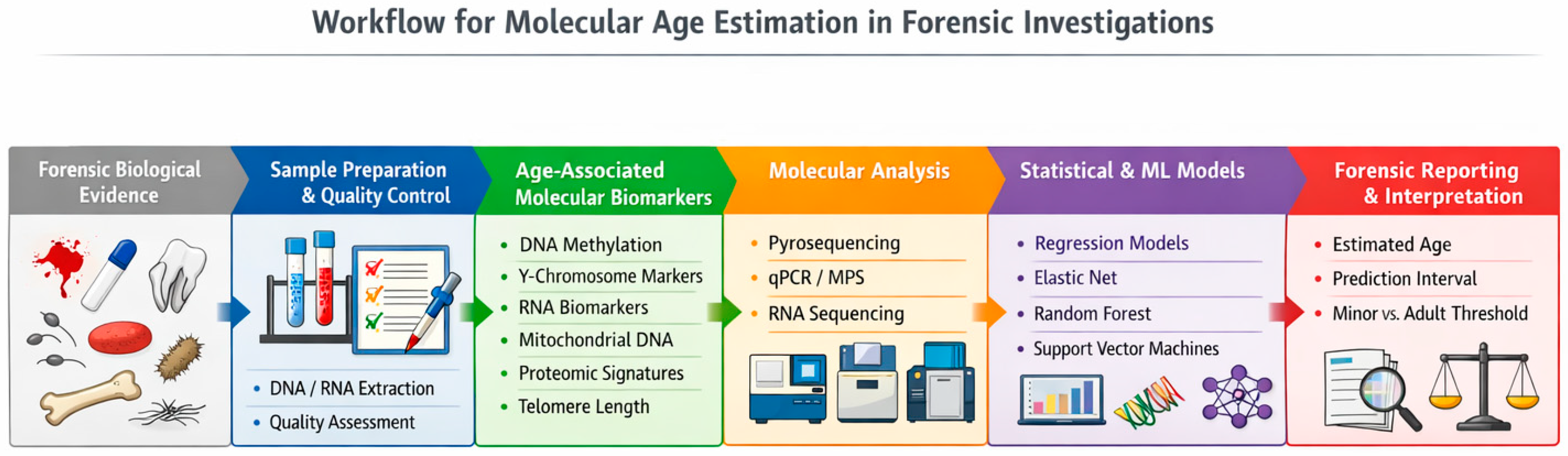
| DNA Methylation | Epigenetic markers | All ages | Very High (± 1–2 years) | Advanced Forensics |
The Role of Epigenetic Clocks (DNA Methylation)
One of the most significant breakthroughs in age estimation is the use of epigenetic clocks, specifically looking at DNA methylation. DNA methylation is a process where methyl groups are added to the DNA molecule, changing the activity of a DNA segment without changing the sequence. These patterns change predictably as we age.
The "Horvath Clock," and its subsequent 2026 iterations, allows scientists to estimate chronological age by analyzing specific CpG sites (regions of DNA) in blood, saliva, or tissue samples. This method is often more accurate than skeletal or dental analysis because it measures a fundamental biological aging process rather than a physical byproduct. In forensic cases where only a small biological sample is available, epigenetic testing can provide an age estimate with a margin of error of less than two years.
However, the cost and technical requirements of DNA methylation analysis remain higher than traditional methods. It is typically reserved for high-stakes forensic investigations or complex legal cases where traditional skeletal indicators are inconclusive. Furthermore, researchers continue to study how external factors like extreme stress, smoking, or chronic illness might "accelerate" the epigenetic clock, potentially leading to an overestimation of chronological age.
Ethical Considerations and Legal Admissibility
Age estimation is not merely a scientific exercise; it has profound legal and ethical consequences. In many countries, the results of an age assessment determine whether a person is tried as a juvenile or an adult, or whether an asylum seeker is entitled to the protections afforded to children.
Because no method is 100% accurate, the "margin of error" is a central point of debate. Legal systems often apply the "benefit of the doubt" principle, meaning if an estimation range is 16 to 19 years, the individual should be treated as a minor (16) for legal purposes. Ethically, the use of ionizing radiation (X-rays) for non-medical reasons—such as determining age for immigration—is controversial. Organizations like the World Health Organization (WHO) and various medical ethics boards have issued guidelines suggesting that radiation should only be used when there is a clear legal necessity and no other non-invasive options are available.
Additionally, digital age estimation faces scrutiny regarding data privacy. While AI providers claim to be "identity-blind," the collection of biometric data remains a sensitive topic. Regulations such as the EU's AI Act and various state-level biometric laws in the U.S. require strict transparency from companies using these technologies to ensure that the data is not repurposed for surveillance or marketing.
Frequently Asked Questions
How accurate is AI age estimation in 2026?
AI age estimation has improved significantly, with leading systems achieving a Mean Absolute Error (MAE) of approximately 1.5 to 2.5 years. However, its accuracy is highest for individuals between 13 and 25 and can be influenced by camera quality and lighting.
Can a person "trick" a biological age test?
It is very difficult to trick biological tests because they rely on internal markers like bone fusion or tooth mineralization. While cosmetic surgery can alter facial appearance for AI estimation, it has no impact on skeletal or dental development.
Is age estimation legally binding in criminal courts?
Age estimation is generally used as evidence rather than a definitive fact. Courts consider the expert's report, the margin of error, and any available corroborating evidence (like birth records) before making a legal determination of age.
Why is it harder to estimate the age of an adult than a child?
Children follow a strict "blueprint" of growth and development that is relatively consistent. Once an individual reaches adulthood, growth stops, and "estimation" relies on the rate of decay and degeneration, which varies wildly based on genetics, diet, and lifestyle.
What is the most accurate method for determining if someone is exactly 18?
There is no single method that can pinpoint an exact birthday. A combination of third molar development (dental) and the fusion of the medial clavicle (skeletal) is currently the most robust approach for estimating if someone has passed the 18-year threshold.
Practical Recommendations for Age Assessment
When requiring or undergoing an age estimation, it is essential to match the method to the specific objective. For online platforms looking to comply with age-gating laws, AI-driven facial estimation is the most efficient and privacy-conscious choice. It provides immediate results without the need for sensitive identity documents.
For legal or forensic purposes, a multi-disciplinary approach is recommended. Relying on a single marker, such as a wisdom tooth, is often insufficient for court proceedings. Instead, a comprehensive report including dental, skeletal, and, if possible, epigenetic data provides the most defensible estimate. Always ensure that any biological assessment is conducted by certified professionals, such as those recognized by the American Board of Forensic Odontology (ABFO) or the Society of Forensic Anthropologists, to ensure the results are scientifically sound and ethically obtained.