Age estimates are analytical processes used to determine the approximate chronological age of an object, biological entity, or document when precise records are unavailable. By leveraging methods ranging from radiocarbon dating and dendrochronology in archeology to forensic dental analysis and digital metadata verification, professionals can derive statistically significant age ranges for various physical and virtual assets.
The Scientific Basis for Chronological Estimation
At its core, the estimation of age relies on the principle of measurable decay, accretion, or incremental growth. Because time is a unidirectional flow, physical systems often leave internal "markers" that correspond to the passage of time.
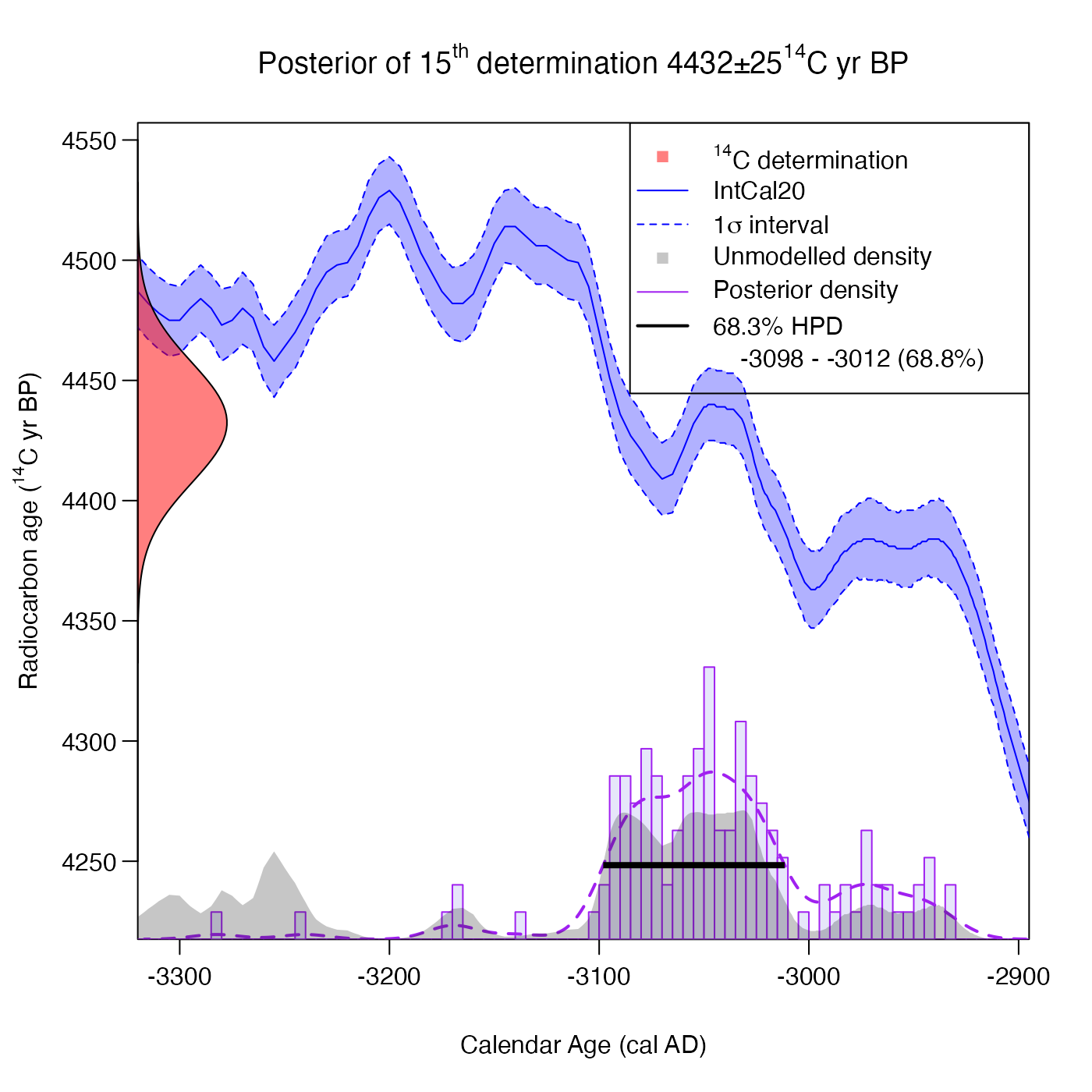
In the natural world, dendrochronology serves as a gold standard for organic material. By analyzing the growth rings of trees, researchers can establish exact calendar years for biological specimens. When such clear records are absent, scientists turn to radioactive isotopes. Radiocarbon dating (Carbon-14 analysis) is the most prominent technique for organic matter up to approximately 50,000 years old. It functions by measuring the ratio of the radioactive isotope C-14 to stable carbon isotopes, which decreases at a predictable rate once an organism dies.
For non-organic materials, such as metals or ceramics, practitioners rely on thermoluminescence or potassium-argon dating. These methods measure the accumulation of trapped electrons or the decay of radioactive minerals within the crystalline structure of the item. The accuracy of these methods is contingent upon the closed-system integrity of the sample; if the item has been exposed to extreme heat or chemical leaching, the "clock" may have been reset or obscured, leading to a wider margin of error in the final estimate.
Forensic and Biological Age Estimates
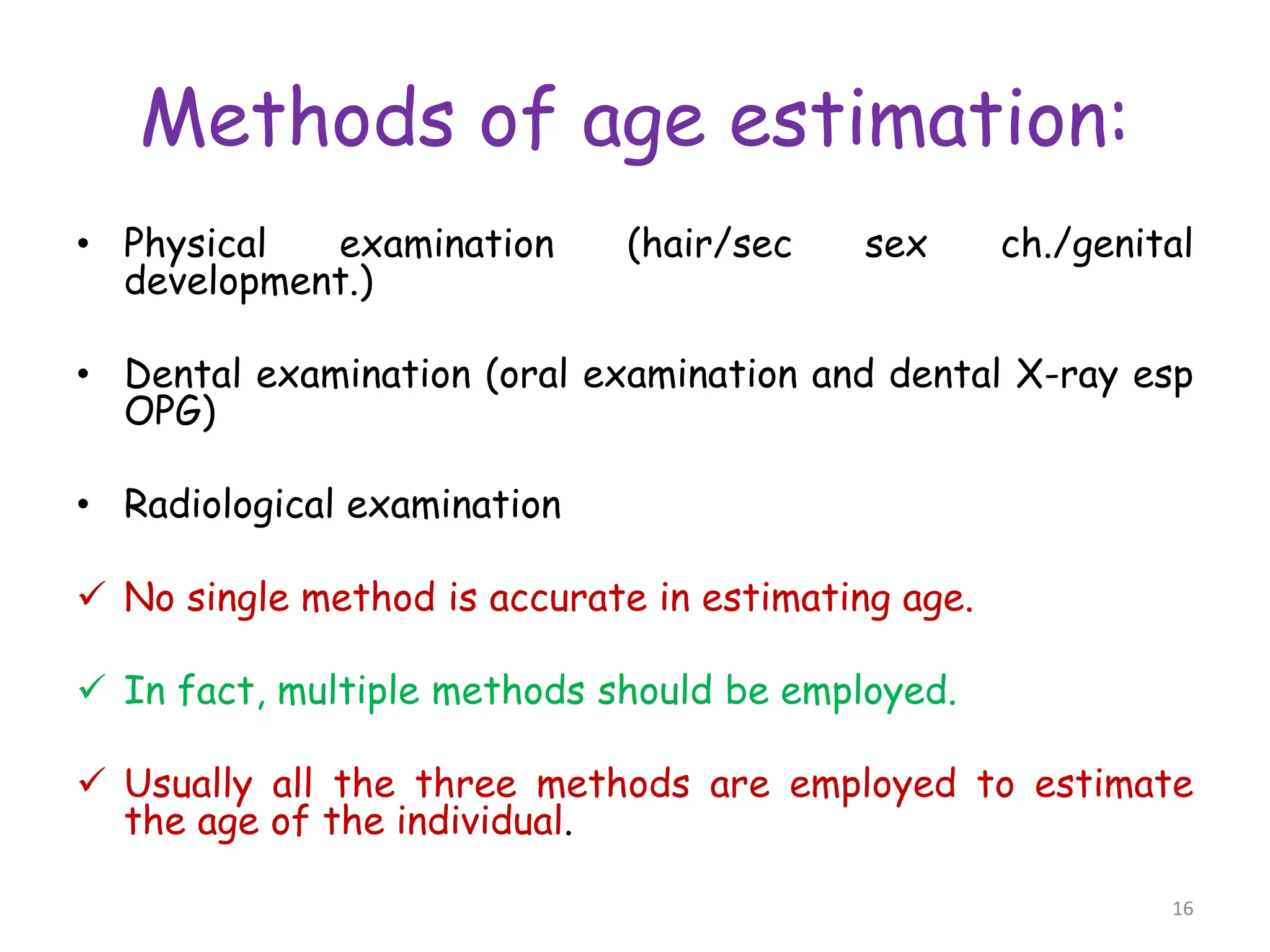
In medical and legal contexts, age estimation is critical for identifying human remains or determining the developmental stage of a living person when birth documentation is missing. Forensic anthropology focuses on skeletal maturation. The fusion of epiphyseal plates in long bones and the eruption sequences of permanent teeth provide highly reliable windows for age, particularly in pediatric and adolescent subjects.
For adults, the process becomes significantly more complex. Once skeletal maturity is reached in the early twenties, osteological indicators become less precise. Examiners then utilize indicators such as the pubic symphysis morphology—the gradual wear and alteration of the pelvic joint—or the microscopic analysis of dental cementum annulations. While these methods provide an estimate, they are subject to individual biological variation, nutritional history, and pathology, which can shift the estimated age by several years in either direction.
Factors Affecting Biological Accuracy
- Nutritional Status: Chronic malnutrition can delay skeletal fusion, leading to an underestimation of chronological age.
- Genetic Variance: Populations may exhibit different rates of dental development, necessitating the use of region-specific reference datasets.
- Pathological Interference: Chronic disease can alter the rate of bone remodeling, masking the expected wear patterns used for age estimation.
Digital and Documentary Age Verification
In the digital landscape of 2026, age estimates often shift from physical analysis to metadata verification. Whether for copyright assessments, historical digital archiving, or legal compliance, professionals must ascertain when a digital file was created or modified.
Digital age estimation is rarely about "dating" the bits themselves, but rather about verifying the integrity of metadata. File headers, EXIF data in images, and blockchain-verified timestamps provide a technical framework for assigning an age to digital assets. However, these are easily manipulated. A "Create Date" in a file’s property sheet can be overwritten by software or system clock adjustments. Therefore, authenticating a digital age estimate requires cross-referencing with external logs, such as server-side upload timestamps or registry entries, which are significantly harder to retroactively alter.
Comparative Overview of Estimation Techniques
The following table summarizes the primary methods of age estimation across various domains, highlighting their scope and inherent limitations.
| Method | Application Domain | Typical Accuracy | Primary Constraint |
|---|---|---|---|
| Dendrochronology | Wood, Archeology | Exact Year | Requires local master chronologies |
| Radiocarbon (C-14) | Organic Matter | +/- 50-100 years | Limited to ~50k years of age |
| Forensic Dental | Human Biology | +/- 2-5 years | Subject to health and nutrition |
| Thermoluminescence | Ceramics, Minerals | +/- 5-10% of age | Requires pristine, unheated samples |
| Metadata Analysis | Digital Files | Near-instant | Vulnerable to user-level manipulation |
Managing Uncertainty and Statistical Ranges
A common misconception regarding age estimates is that they represent a single, fixed point in time. In reality, every scientifically sound age estimate is expressed as a probability interval. For instance, an archeological site might be dated to 1200 CE +/- 50 years. This indicates a 95% statistical confidence level that the true age falls within that 100-year window.
When presenting or utilizing these estimates, it is professional practice to avoid the "false precision" trap. Assigning a singular year to an item when the methodology only supports a decadal or centennial range misrepresents the underlying data. In legal and forensic reports, the standard error must always accompany the estimate to ensure stakeholders understand the limitations of the conclusion.
Professional Considerations and Best Practices
For those engaging experts to perform age estimates, the primary task is establishing the chain of custody and contextual integrity. Whether you are dealing with a historic relic or a legal document, the estimate is only as good as the sample’s history.
If an object has been moved, repaired, or stored in variable environmental conditions, the analyst must be notified. A failure to disclose "post-depositional" changes—such as an antique table being refinished or a bone fragment being exposed to acidic soil—can render an entire laboratory analysis invalid. Always request a detailed methodology statement that outlines how the variance was calculated and what specific reference population or calibration curve was utilized for the final determination.
Frequently Asked Questions
Why do age estimates in human remains become less accurate after age 25?
Skeletal development, which provides clear markers like tooth eruption and bone fusion, is largely complete by the mid-twenties. Beyond this age, indicators rely on degenerative changes, such as joint wear and bone density loss, which are heavily influenced by lifestyle, exercise, and diet rather than strictly biological "clocks."
Can digital age estimates be considered legally binding?
Digital age estimates based on metadata are often used as secondary evidence but are rarely definitive in a court of law. Because metadata can be easily spoofed or altered, legal entities generally require corroborating evidence, such as independent server logs or verified cryptographic signatures, to establish a document’s true age.
How does the location of an object change its age estimate?
The environment impacts the degradation rate of materials. Organic items in arid, cold, or anaerobic environments (like peat bogs) often show significantly less decay than those in humid, tropical climates. Analysts must adjust their estimates based on the specific environmental conditions where the item was recovered.
Are there non-invasive ways to estimate the age of an object?
Yes. Techniques like surface analysis, stylistic comparison (typology), and high-resolution multispectral imaging allow for age estimation without destroying the sample. While these are often less precise than destructive methods like carbon dating, they are essential for preserving unique or high-value items.
What is a "calibration curve" in radiocarbon dating?
Radiocarbon levels in the atmosphere have fluctuated over time due to changes in the Earth's magnetic field and solar activity. A calibration curve is a mathematical model that maps measured C-14 levels against known dendrochronological data to convert raw "radiocarbon years" into actual calendar years.
Engaging Qualified Services
If you require a formal age estimate for an asset or scientific inquiry, seek out certified laboratories or specialists recognized by professional bodies such as the Society for American Archaeology or the American Board of Forensic Anthropology. Ensure that the service provider offers a formal report detailing their methodology, the standard deviation of their results, and their peer-review standing. Avoid services that promise exact dates for complex items without providing a quantified margin of error, as these often lack the necessary scientific rigor for meaningful application.