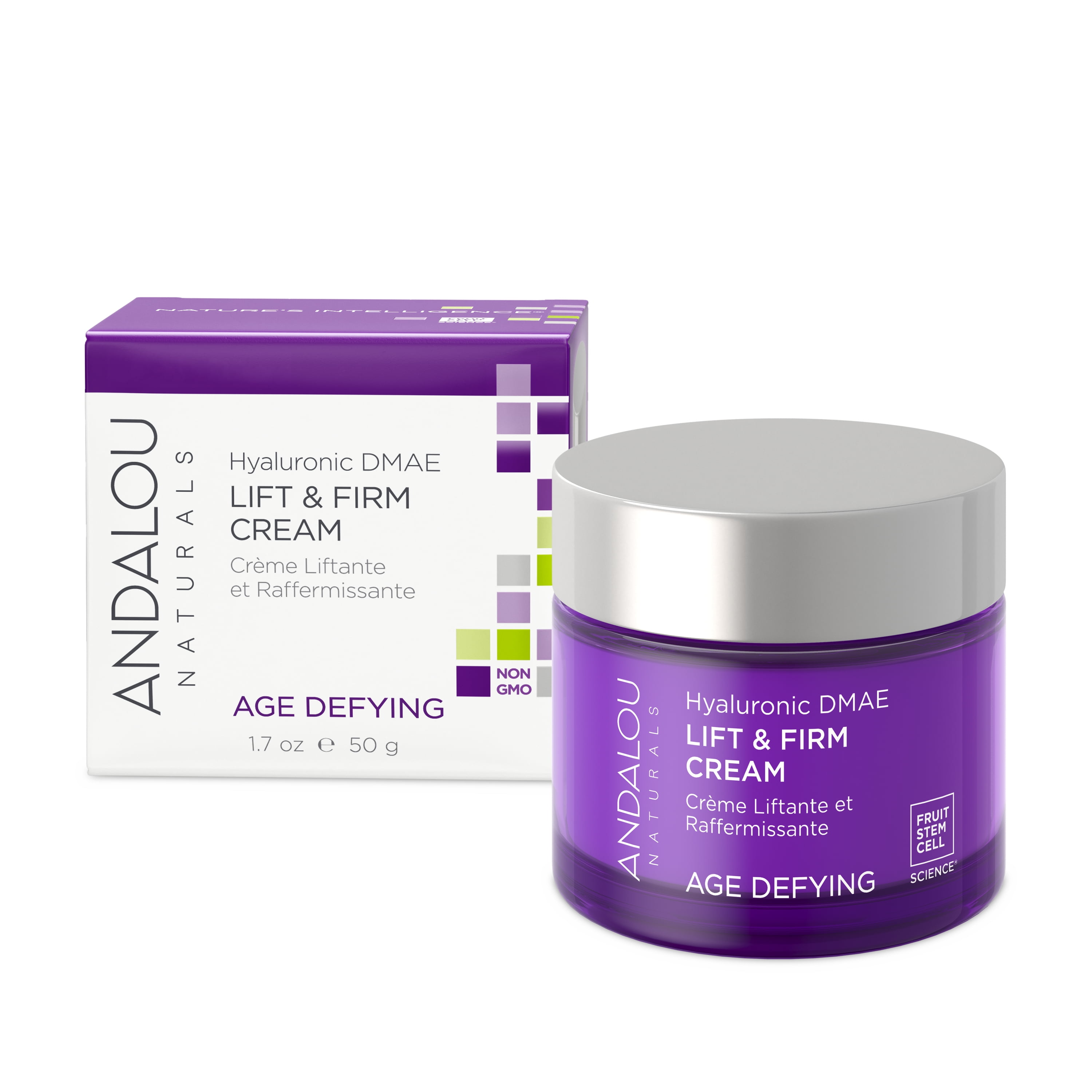
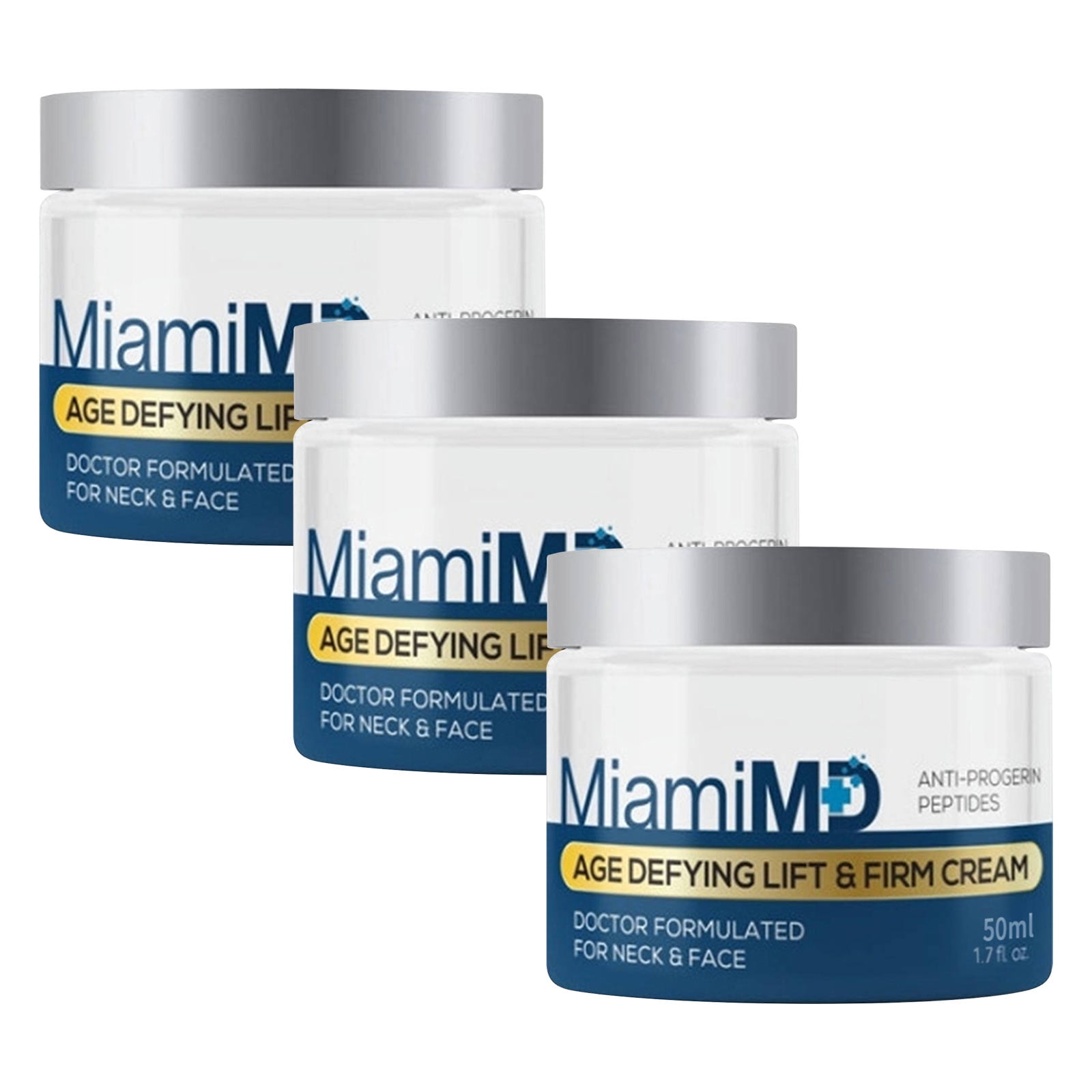
When researching age-defying lift and firm creams, distinguishing between authentic clinical outcomes and marketing-driven expectations is essential for informed skin care choices. Real before and after results are typically defined by improvements in skin elasticity, hydration, and the temporary softening of fine lines, rather than the permanent surgical-grade transformations often suggested by idealized promotional imagery.
The Mechanism of Firming and Lifting Creams
Topical creams marketed for "lifting" and "firming" primarily function by addressing the uppermost layers of the epidermis. These products are formulated to improve skin texture and moisture retention, which can create a more supple appearance. Ingredients like peptides, retinoids, and humectants such as hyaluronic acid work by supporting the skin’s natural barrier and promoting the appearance of plumper, more hydrated tissue.
Unlike invasive procedures, these creams do not physically tighten the underlying musculature or remove excess skin. Instead, they provide a temporary visual improvement by minimizing the appearance of sagging through intense moisturization and active compounds that assist in cellular turnover. Understanding this distinction is the first step in managing expectations for your skin care routine.
Analyzing Before and After Imagery
When examining before and after photos in consumer reviews or brand advertisements, technical scrutiny is required. You should look for consistency in lighting, camera angle, and facial expression. Often, "before" images may utilize harsh, overhead lighting that casts shadows in wrinkles, while "after" images feature softer, diffused lighting that naturally minimizes those same features.
True skin improvement takes time. Because the human skin cycle—the time it takes for new cells to reach the surface—is approximately 28 to 40 days, a "real" result is rarely visible overnight. Any review claiming significant physical lifting after a single application is likely reflecting temporary plumping due to hydration or the use of film-forming polymers that stretch the skin as they dry. Look for reviews that document changes over a 12-week period, which is the standard timeframe for evaluating the efficacy of over-the-counter anti-aging formulations.
Key Ingredients to Evaluate
Not all firming creams are created equal. When verifying product claims, look for these specific, scientifically researched components:
- Retinoids (Retinol/Retinoic Acid): These are considered the gold standard for long-term skin texture improvement. They work by increasing the rate of cell turnover.
- Peptides: These amino acid chains act as building blocks for proteins like collagen and elastin, which are critical for skin firmness.
- Hyaluronic Acid: A potent humectant that draws moisture into the skin, instantly making it appear firmer and more hydrated.
- Niacinamide: Known for improving elasticity and barrier function, it helps address dullness and uneven texture.
- Antioxidants (Vitamin C, E, and Ferulic Acid): These protect the skin from environmental stressors that contribute to the breakdown of collagen over time.
Comparative Evaluation of Product Types
To decide which product might suit your skin profile, consider the following comparison of delivery systems and target results.
| Product Category | Primary Function | Ideal For | Typical Visible Result |
|---|---|---|---|
| Peptide-Based Creams | Building blocks/Collagen support | Mature skin seeking texture improvement | Long-term resilience and smoother surface |
| Retinoid Creams | Cellular turnover/Resurfacing | Fine lines and uneven pigmentation | Gradual reduction in wrinkle depth |
| Hyaluronic/Humectants | Instant hydration/Plumping | Dehydrated skin showing fatigue | Immediate smoothing and glow |
| Polymer/Film-formers | Physical tensioning | Event-based temporary results | Instant "tightened" feel (temporary) |
Practical Steps for Realistic Skin Care Expectations
If you are incorporating a new lift and firm cream into your regimen, follow these guidelines to verify if the product is working for your specific needs.
- Baseline Documentation: Take a high-resolution, unedited photo of your face in neutral, natural lighting before starting the product. Use the same room and time of day for your progress photos.
- Strict Adherence: Consistency is the primary factor in results. Apply the product exactly as directed, typically twice daily for morning and evening routines.
- Monitor Sensitivities: If you experience redness, burning, or peeling, you may be having an adverse reaction to active ingredients like retinoids. Discontinue use and consult a dermatologist if symptoms persist.
- Sun Protection: No firming cream can counteract the damage caused by UV rays. Always wear broad-spectrum SPF 30 or higher during the day to ensure your efforts are not undermined by photoaging.
Addressing Common Questions
How long does it take to see real results from a firming cream?
You should realistically expect to wait between 8 to 12 weeks of consistent daily use. While some moisturizing ingredients may show an immediate "plumping" effect within hours, the structural improvements associated with ingredients like retinoids or peptides require the completion of multiple skin cell turnover cycles.
Can creams actually lift sagging skin?
Topical creams cannot achieve a surgical lift. They improve the structural appearance of the skin by increasing hydration and supporting collagen production. If sagging is caused by significant loss of fat volume or severe skin laxity, a topical cream will only provide a marginal, superficial improvement.
Are there side effects to using strong anti-aging creams?
Yes. Potent ingredients, particularly high-concentration retinoids or exfoliating acids, can cause "retinization," which includes redness, peeling, and dryness. It is recommended to introduce these products slowly—applying them every other night—until your skin builds tolerance.
Should I combine a firming cream with other treatments?
It is safe to layer most firming creams with other skin care products, provided they do not contain conflicting ingredients. For instance, do not use exfoliating acids (AHAs/BHAs) at the same time as high-strength retinoids, as this can severely irritate the skin barrier. Always apply products from thinnest to thickest consistency.
When should I consult a dermatologist?
If you have concerns about deep wrinkles, significant volume loss, or persistent skin sensitivity, it is advisable to seek a professional assessment. A dermatologist can determine if your concerns are better addressed by medical-grade interventions such as fillers, lasers, or prescription-strength retinoids, which are significantly more potent than over-the-counter options.
Next Actions for Your Regimen
When selecting your next firming product, prioritize brands that publish independent clinical studies rather than relying solely on user-submitted photos, which can be manipulated. If you are starting a new product in 2026, verify the ingredient list on the manufacturer's official documentation to ensure it contains active agents rather than solely relying on proprietary "complexes" that lack clinical transparency. Perform a patch test on your inner forearm 24 hours before full-face application to screen for allergic contact dermatitis.