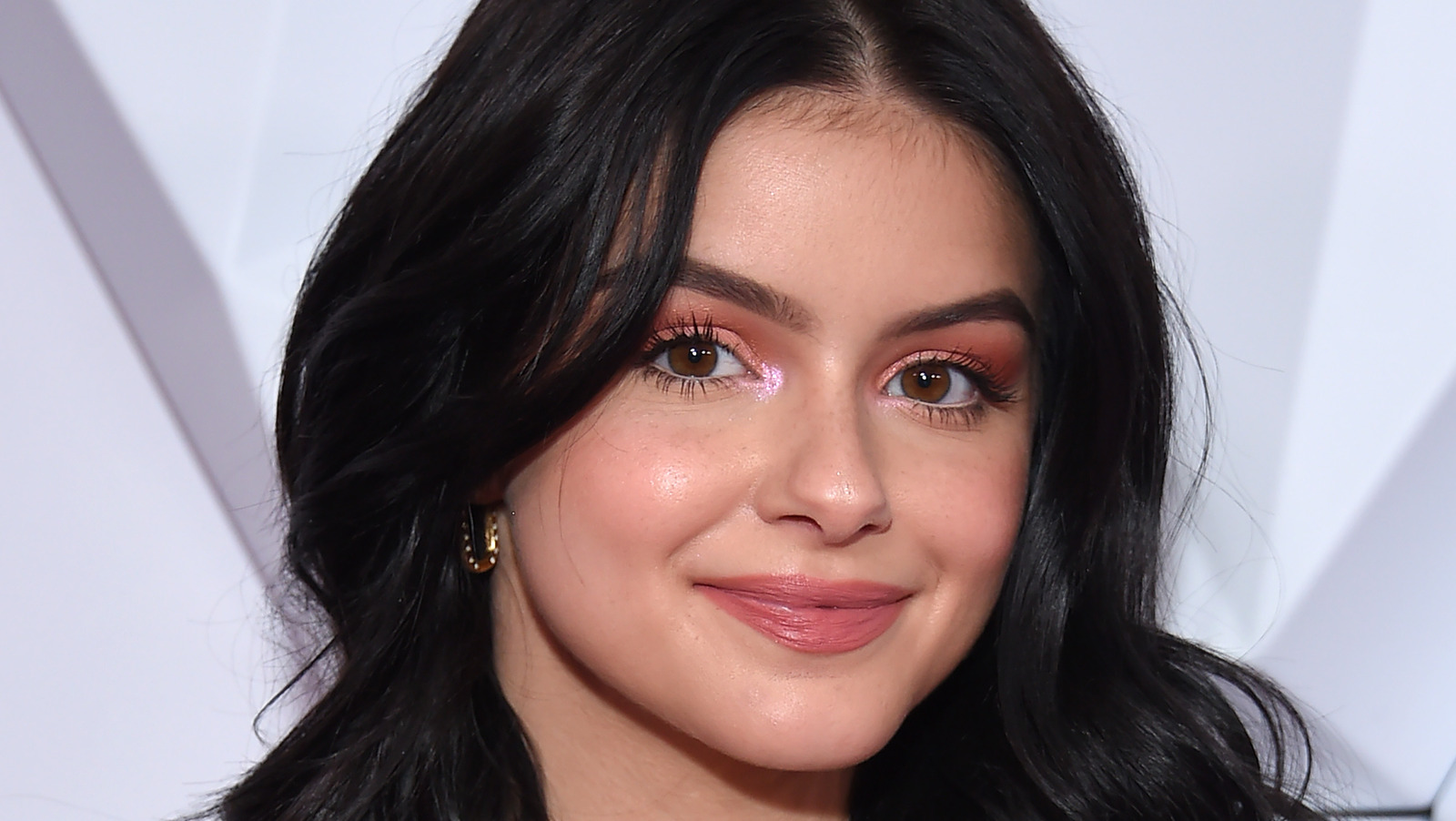
As of 2026, Ariel Winter is 28 years old, having transitioned from a celebrated child star to a versatile adult actress and advocate. Best known for her eleven-season run as Alex Dunphy on the hit ABC sitcom Modern Family, she has amassed an estimated net worth of $12 million through acting, voice-over work, and strategic endorsements.
Early Life and the Foundations of a Career
Ariel Winter Workman was born on January 28, 1998, in Fairfax, Virginia. Growing up in a family already connected to the entertainment industry—her siblings Shanelle Gray and Jimmy Workman are also actors—Winter’s entry into show business happened exceptionally early. At just four years old, she landed her first professional gig in a Cool Whip commercial. This early exposure to the camera set the stage for a rapid ascent in Hollywood.
By the time she was six, Winter was appearing in television series such as Listen Up! and making her film debut in Kiss Kiss Bang Bang (2005) alongside Robert Downey Jr. and Val Kilmer. Unlike many child actors who struggle to find consistent work, Winter maintained a steady stream of guest appearances on high-profile shows like Bones, Nip/Tuck, and ER. These early years were characterized by a "workhorse" mentality, where she balanced traditional schooling with the rigorous demands of Los Angeles casting calls.
Her upbringing, however, was not without significant personal challenges. The pressures of the industry were compounded by a complex family dynamic that would eventually lead to a highly publicized legal battle. Despite these private turmoils, her professional trajectory remained upward, fueled by a natural comedic timing and an ability to portray characters with intellectual depth.
The Modern Family Phenomenon: A Decade of Success
The definitive turning point in Ariel Winter’s life occurred in 2009 when she was cast as Alex Dunphy in Modern Family. The mockumentary-style sitcom became a cultural juggernaut, winning five consecutive Primetime Emmy Awards for Outstanding Comedy Series. For Winter, playing the middle child and the resident genius of the Dunphy household provided both financial security and global recognition.
Throughout the show's 250 episodes, audiences watched Winter grow up in real-time. This "living in a fishbowl" experience brought unique challenges, particularly regarding public scrutiny of her physical appearance and personal development. Nevertheless, her performance remained a cornerstone of the show's ensemble success. The chemistry between Winter and her on-screen siblings, played by Sarah Hyland and Nolan Gould, became one of the most beloved aspects of the series.
The financial rewards of Modern Family were substantial. In the earlier seasons, the child actors earned modest salaries compared to their adult counterparts. However, following a series of high-stakes contract negotiations, Winter and her younger co-stars saw their pay increase significantly. By the final seasons, it was widely reported that the younger cast members were earning over $100,000 per episode. This steady income, combined with the show’s entry into lucrative syndication deals, forms the bedrock of her current net worth in 2026.
Voice Acting and the Expansion of Her Portfolio
While Modern Family is her most visible credit, Winter has cultivated a highly successful parallel career as a voice actress. Voice acting often provides a more stable and less intrusive lifestyle than live-action performance, and Winter has lent her voice to some of the most recognizable animated franchises of the last two decades.
Her most prominent voice role is arguably the title character in Disney Junior’s Sofia the First. Premiering in 2012, the show became a massive hit for the younger demographic, leading to various specials and merchandise. This role demonstrated Winter's range, as she also provided the singing voice for the character, showcasing a musical talent that many casual fans were unaware of.
Other significant voice-over contributions include:
- Penny Peterson in Mr. Peabody & Sherman (2014): A major theatrical release that further solidified her status in the animation world.
- SmurfLily in Smurfs: The Lost Village (2017): Another high-profile studio project that reached a global audience.
- Gretchen in Phineas and Ferb: A recurring role in one of the most critically acclaimed animated series of the 2010s.
- Abigail in The Quarry (2022): Winter ventured into the world of high-fidelity video games, providing both voice and motion capture for this interactive horror title.
Personal Advocacy and Legal Emancipation
Ariel Winter’s rise to fame is inseparable from her public journey toward independence. In 2012, at the age of 14, she was placed under the permanent guardianship of her older sister, Shanelle Gray, following allegations of emotional and physical abuse by her mother. This legal saga culminated in 2015 when Winter officially became a legally emancipated minor.
This experience transformed Winter into a vocal advocate for mental health and the rights of child performers. She has been remarkably candid about the psychological toll of the legal process and the importance of having a supportive environment. Her transparency has earned her respect beyond her acting roles, as she frequently uses her platform to discuss body image, the dangers of online bullying, and the importance of therapy.
In 2015, Winter underwent breast reduction surgery, a decision she discussed openly to combat the hyper-sexualization she faced as a teenager on television. By sharing her story, she helped de-stigmatize the procedure and highlighted the health issues, such as chronic back pain, that often necessitate it. In 2026, she remains a prominent figure in the body-positivity movement, encouraging fans to prioritize their physical and mental well-being over societal expectations.
Academic Pursuits and Life After Modern Family
Following the conclusion of Modern Family in 2020, Winter took a deliberate step back from the Hollywood "grind" to focus on her education. She enrolled at the University of California, Los Angeles (UCLA), pursuing a degree in Political Science. Her interest in law and policy stemmed largely from her personal experiences with the legal system during her emancipation.
While many child stars struggle with their identity after their "big break" ends, Winter has diversified her interests. She has participated in various independent film projects and voice-over work while maintaining her studies. This transition period has allowed her to shed the "Alex Dunphy" persona and establish herself as a mature professional with interests that extend beyond the soundstage.
In the years leading up to 2026, Winter has been selective with her roles, opting for projects that challenge her or offer something different from the sitcom format. This includes appearances in thrillers and indie dramas, as well as continued involvement in the gaming industry. Her ability to pivot between different mediums has ensured her relevance in an ever-changing entertainment landscape.
Financial Analysis: Ariel Winter’s Net Worth in 2026
As of 2026, Ariel Winter’s net worth is estimated at $12 million. This wealth is the result of nearly two and a half decades of continuous work in a high-paying industry. Unlike many performers who rely solely on salary, Winter’s financial portfolio is built on several pillars:
| Revenue Stream | Description | Impact on Net Worth |
|---|---|---|
| Modern Family Salary | Peak earnings of over $2 million per season. | High (Primary Wealth Driver) |
| Syndication & Residuals | Ongoing payments from worldwide reruns and streaming. | Medium (Long-term Passive Income) |
| Voice Acting | Long-term contracts with Disney and major film studios. | Medium (Consistent Earnings) |
| Brand Partnerships | Endorsements with brands like Clinique and various fashion labels. | Medium (Supplemental Income) |
| Real Estate | Strategic property investments in the Los Angeles area. | Medium (Asset Growth) |
A significant portion of her wealth is managed through trust structures established during her minor years and refined after her emancipation. Residual payments—money paid to actors when their work is rebroadcast or streamed—play a vital role in maintaining the wealth of former sitcom stars. Given that Modern Family remains a staple on various streaming platforms globally, Winter continues to receive substantial passive income from the series.
Frequently Asked Questions
How old was Ariel Winter when she started Modern Family?
Ariel Winter was 11 years old when she began filming the first season of Modern Family in 2009. She literally grew up on the show, completing the final season at the age of 22 in 2020.
What is Ariel Winter’s primary source of income today?
In 2026, while she continues to take on new acting and voice-over roles, a significant portion of her income comes from residuals from Modern Family syndication and her extensive history of voice work in animated series like Sofia the First.
Did Ariel Winter finish college?
Ariel Winter enrolled at UCLA to study Political Science. While she took breaks to accommodate various filming schedules, she has remained committed to her education, citing her interest in law as a primary motivator.
Is Ariel Winter still acting in 2026?
Yes, she remains active in the industry but has become more selective. Her work in 2026 focuses on a mix of independent films, voice-over projects for major animation studios, and potential ventures into producing.
What was the outcome of Ariel Winter's legal battle with her parents?
Ariel Winter was officially emancipated in May 2015. Prior to that, she had been under the legal guardianship of her sister, Shanelle Gray, since 2012. The court found that this arrangement was in her best interest, allowing her to manage her own career and finances.
Maintaining a Professional Trajectory
For those following the careers of former child stars, Ariel Winter serves as a case study in resilience and professional diversification. Her ability to manage a high-profile career while navigating complex personal legalities is a testament to her maturity. Moving forward, her focus on education and selective project participation suggests a long-term strategy aimed at sustainability rather than fleeting fame.
If you are interested in her current work, the best way to support her is by exploring her recent independent film projects or her extensive voice-over catalog. Her journey reminds us that the "child star" narrative doesn't always have to be one of struggle; with the right support and professional choices, it can be a foundation for a lifelong, multifaceted career.