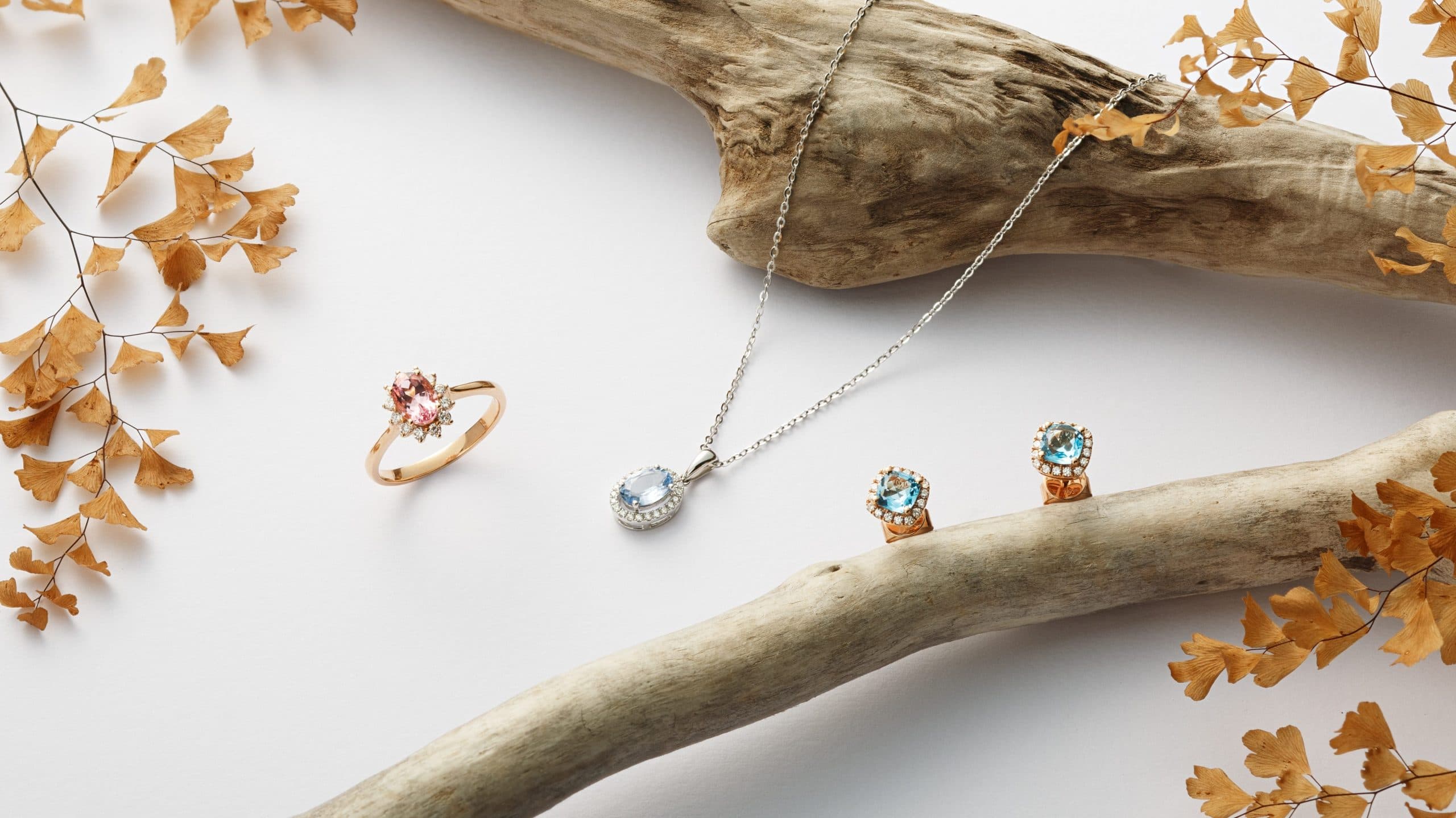
Selecting age appropriate jewelry requires balancing material safety, mechanical durability, and developmental suitability to protect young wearers from choking hazards, metal allergies, and physical injury.
Navigating the market for children's, preteen, and adolescent ornamentation involves understanding more than just aesthetics. As children grow through distinct developmental stages, their physical safety needs, activity levels, and skin sensitivities shift dramatically. What constitutes a suitable gift for an infant differs completely from a proper piece for an active toddler or a style-conscious preteen. Making informed choices requires evaluating metallurgical safety standards, mechanical fastener integrity, and sizing metrics to prevent accidents like accidental ingestion, skin irritation, or physical snagging during play.
Understanding Safety Standards and Material Compliance
Material safety serves as the absolute foundation of age-appropriate ornamentation. Children possess sensitive skin and developing immune systems that react more severely to environmental triggers and heavy metal exposure than adult skin. Regulatory bodies such as the Consumer Product Safety Commission (CPSC) in the United States and similar international agencies enforce strict limits on toxic elements in children's products.
Nickel, lead, and cadmium represent the primary chemical risks in low-cost metal goods. Nickel is a notorious contact allergen that can trigger allergic contact dermatitis, leading to chronic rashes, redness, and discomfort. Lead and cadmium are heavy metals that pose severe neurological and developmental risks if ingested or absorbed over time. When selecting items for younger demographics, buyers must verify that pieces are certified lead-free, cadmium-free, and nickel-safe or hypoallergenic.
Precious metals provide the safest baseline for sensitive skin. Solid 14-karat or 18-karat gold, platinum, and sterling silver (marked .925) minimize allergic reactions significantly compared to base metal alloys plated with hazardous substances. For families seeking durable, budget-friendly alternatives, surgical-grade stainless steel and titanium offer excellent biocompatibility and resistance to corrosion without leaching nickel into the skin.
Mechanical Safety and Fastener Engineering
Beyond chemical composition, the physical construction of a piece dictates its safety profile. Infants and toddlers explore the world tactilely and orally, turning small ornaments into immediate choking hazards if they detach or break.
Necklaces present a distinct strangulation and choking hazard for young children. Industry safety guidelines strongly advise against necklaces and chains for infants and toddlers under the age of three unless worn strictly under direct supervision for brief periods. If an older child wears a necklace, breakaway clasps or magnetic closures designed to release under moderate tension are essential safety features.
Earrings require careful consideration of backing mechanisms. Standard push-backs can easily slip off, leaving the sharp post exposed to puncture the skin behind the lobe or becoming a swallowed object. Screw-back earrings or flat-back safety earrings feature a threaded post and a smooth backing that covers the sharp point entirely. This design prevents the post from poking the child's neck or scalp during sleep and ensures the earring stays securely fastened.
Bracelets and rings must be sized to prevent restriction of blood flow or accidental entrapment. A bracelet that is too loose can easily catch on playground equipment, furniture, or clothing, leading to severe sprains or lacerations.
Developmental Stages and Jewelry Categories
Different age brackets demand distinct approaches to design, sizing, and durability. Matching the ornament to the child's developmental milestone ensures both comfort and longevity.
| Age Group | Primary Considerations | Recommended Materials | Safe Item Types |
|---|---|---|---|
| Infants (0–12 months) | Choking prevention, soft skin, minimal adornment | 14k gold, pure silicone, organic cotton cords | Keepsakes, engraved bangles (supervised), milestone markers |
| Toddlers (1–3 years) | Active play, pull-resistance, mouthing habits | Surgical steel, titanium, solid sterling silver | Screw-back studs, smooth signet rings (brief wear) |
| Children (4–8 years) | School environments, loss prevention, self-expression | Sterling silver, enamel-coated metals, glass beads | Stud earrings, lightweight charm bracelets, simple lockets |
| Preteens & Teens (9–14+ years) | Personal style, fashion trends, independent care | 14k gold-filled, vermeil, sterling silver, surgical steel | Hoops, layered necklaces, stackable rings, delicate chains |
Infant items function primarily as keepsakes or baptismal gifts rather than everyday wear. If an infant wears a piece, such as a traditional identity bracelet, it must fit snugly enough to prevent passing over the hand, yet loose enough to slide a finger underneath comfortably.
As children enter the school-age bracket, they participate in sports, recess, and physical education. Jewelry for this group must be low-profile and easily removable for physical activities. Stud earrings should feature rounded, low-profile faces that do not catch on athletic gear or clothing.
Sizing Metrics and Fit Specifications
Accurate sizing prevents discomfort, restricted circulation, and accidental loss. Because children grow rapidly, relying on standard adult measurements or guessing sizes leads to poorly fitting items.
For rings, standard adult sizing (typically starting at size 3 or 4) is rarely appropriate for children. Toddlers and young children often require ring sizes ranging from 0 to 2. Adjustable open-band rings can accommodate growing fingers temporarily, but they carry a higher risk of snagging on fabrics. Solid, closed-band rings provide a more secure fit if measured correctly using a professional jeweler's sizing wand or a flexible strip of paper measured against a millimeter ruler.
Neckchain lengths also scale by age:
- 10 to 12 inches: Designed specifically for infants and toddlers (chokers or short infant chains).
- 13 to 14 inches: Ideal for children aged 4 to 8 years, resting comfortably at the collarbone.
- 15 to 16 inches: Suitable for preteens and teenagers, matching standard adult petite lengths.
Bracelet lengths follow a similar trajectory, starting at 4 to 5 inches for infants and toddlers, 5.5 inches for early elementary age, and 6 to 6.5 inches for adolescents.
Care, Maintenance, and Hygiene
Children's accessories accumulate dirt, skin oils, sunscreen, and soap residue much faster than adult pieces due to active play and frequent hand-to-face contact. Establishing regular cleaning routines prevents skin irritation caused by bacterial buildup.
Precious metals and gemstones require gentle cleaning using warm water, a mild dish soap, and a soft-bristled toothbrush to remove debris from prongs and clasps. Harsh chemical dips should be avoided, particularly on items featuring enamel or glued-in stones, as solvents can dissolve adhesives or damage colored finishes.
Storage practices also impact longevity. Children's items are easily bent or crushed in toy boxes or mixed piles. Providing a dedicated, soft-lined jewelry box teaches children basic organizational habits while preventing delicate chains from tangling and snapping.
Selecting Durable and Meaningful Gifts
When purchasing a piece for a milestone event like a birthday, graduation, or religious ceremony, balancing sentimental value with practical utility is essential. While delicate, high-end pieces hold great emotional weight, investing heavily in fine jewelry for a young child who might misplace it at school requires careful thought.
Opting for classic, timeless designs ensures the piece remains wearable as the child matures. Convertible items, such as charm bracelets that allow the addition of new charms for subsequent birthdays, offer a meaningful way to build a collection over time. Prioritizing quality construction over transient fashion trends guarantees that the piece endures through active childhood years and transforms into a cherished keepsake in adulthood.
Practical Recommendations for Safe Purchasing
To ensure a positive experience when buying ornamentation for young wearers, verify product specifications before purchase. Always request confirmation of hypoallergenic status and metal purity from retailers. Inspect all clasps, hinges, and stone settings manually to ensure moving parts operate smoothly without sharp edges or loose components. By prioritizing safety, material integrity, and appropriate sizing, gift-givers and parents can foster a safe and enjoyable introduction to personal adornment.