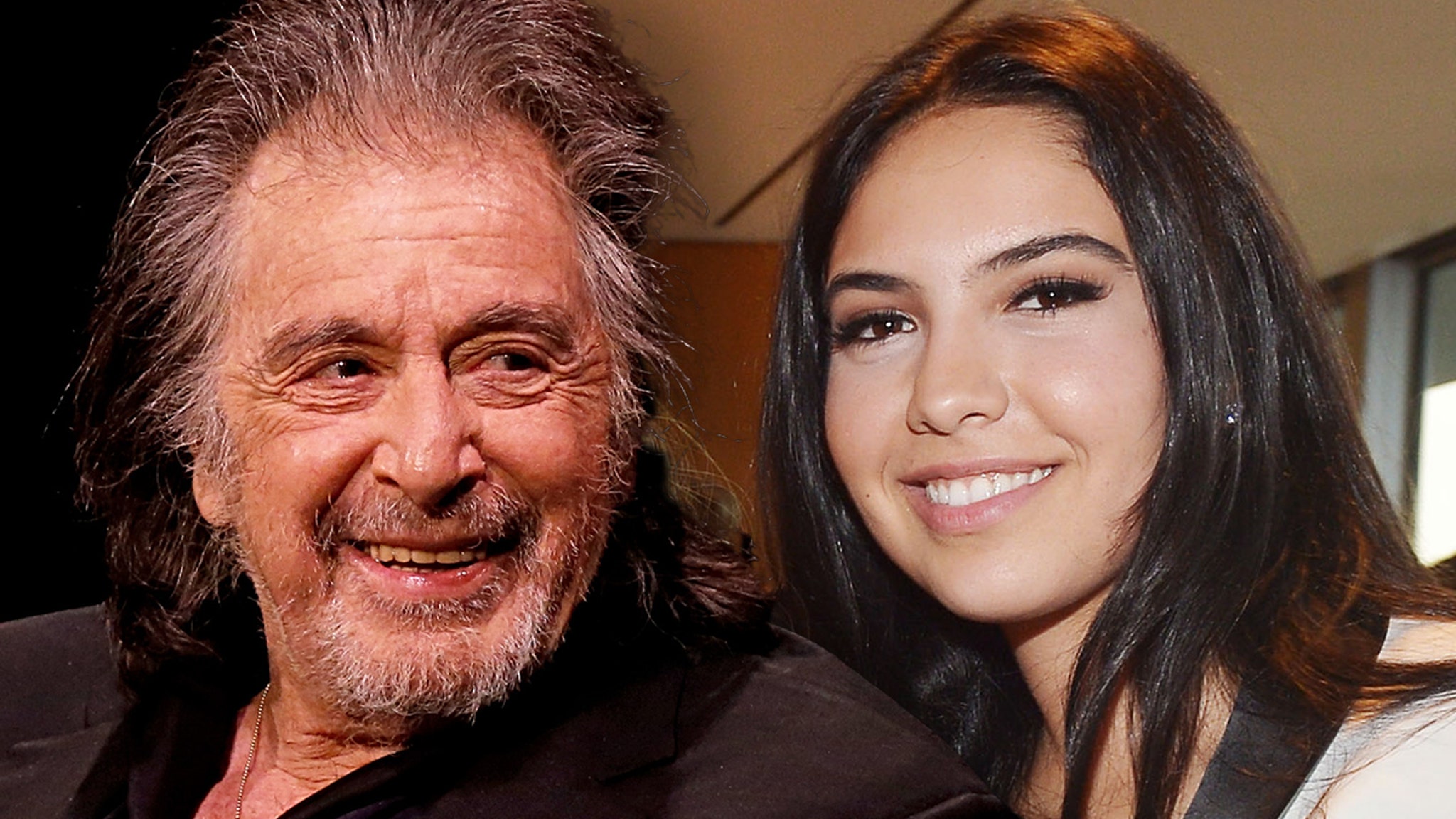
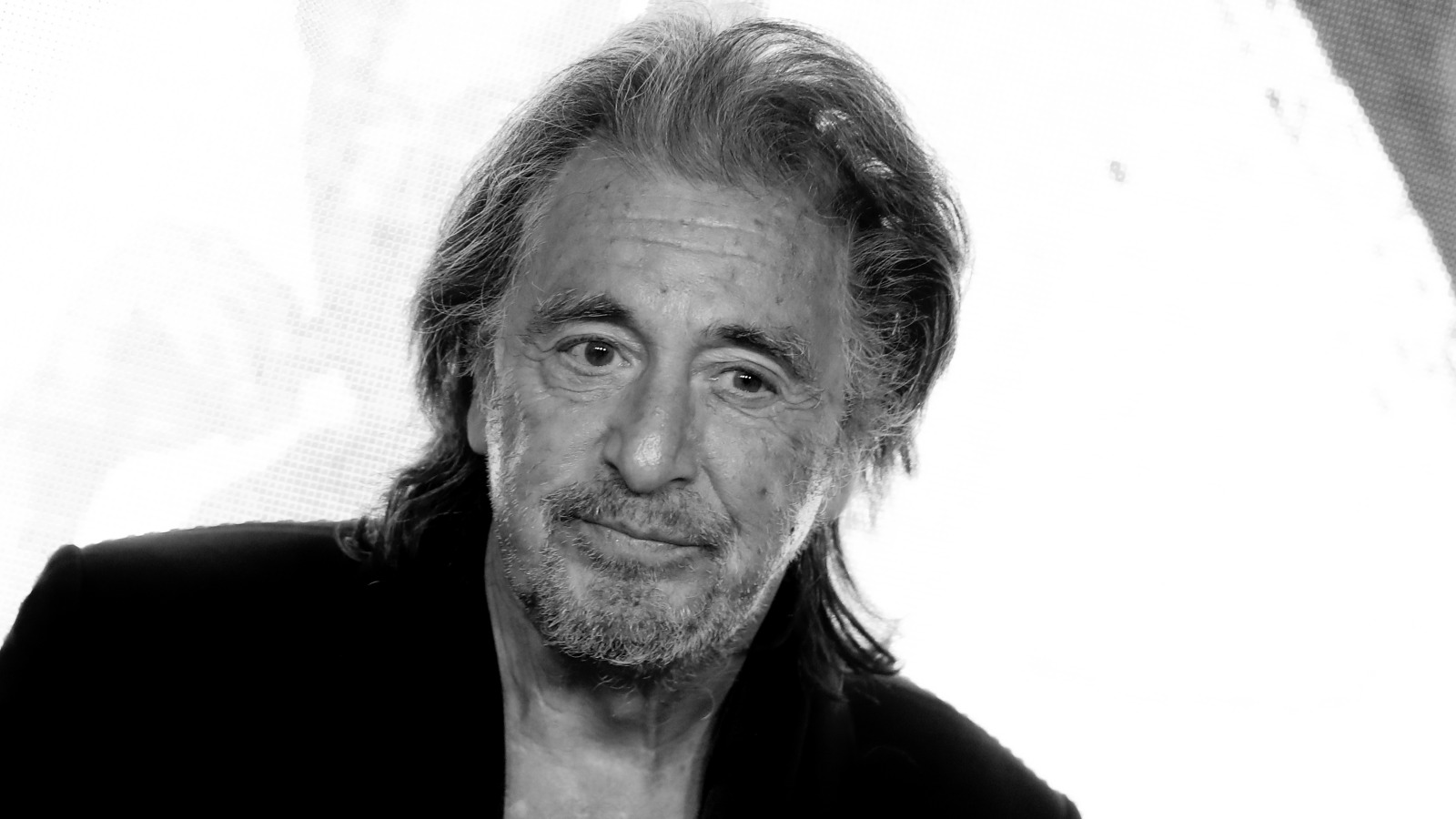
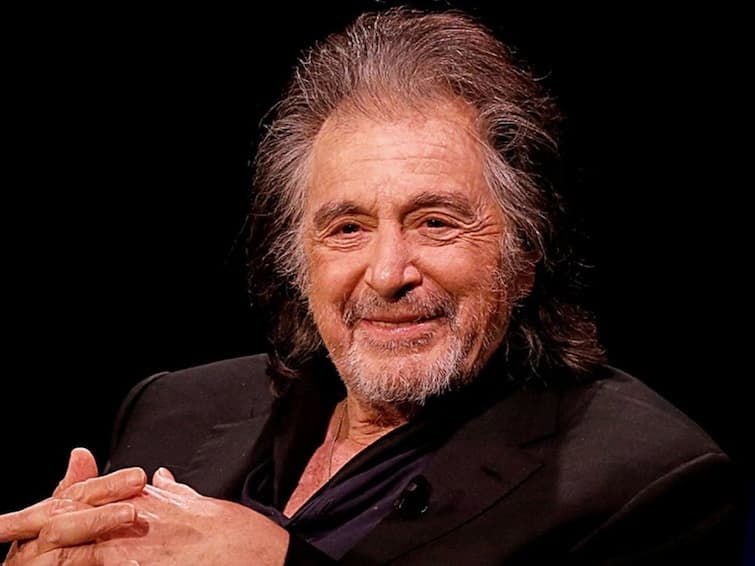
Al Pacino remains one of the most electrifying forces in cinema history, captivating audiences for over five decades with a career defined by raw intensity, psychological depth, and iconic performances. Born Alfredo James Pacino on April 25, 1940, in New York City, the legendary actor has navigated the shifting landscapes of Hollywood without ever losing his distinct theatrical grit or uncompromising artistic integrity. While his filmography—featuring masterpieces like The Godfather, Dog Day Afternoon, Scarface, and Scent of a Woman—is etched into cultural memory, the untold story of his longevity lies in his rigorous stage training, his fierce protection of his creative independence, and his relentless reinvention well into his later years.
The Early Foundations and Method Acting Roots in New York
Long before commanding the silver screen, Alfredo Pacino grew up in the East Harlem neighborhood of Manhattan, raised primarily by his mother and maternal grandparents. His childhood was heavily influenced by Italian-American cinema culture, which he and his friends would imitate in local theaters. This early fascination led him to enroll in the High School of Performing Arts, though academic struggles eventually prompted him to drop out at age seventeen to support himself through various odd jobs, including messenger, busboy, and postal clerk.
Despite financial hardships, Pacino’s dedication to acting never wavered. He honed his craft in the gritty, off-off-Broadway theater scene of New York City before earning admission to the prestigious Actors Studio under the tutelage of Lee Strasberg in 1966. The Method acting technique taught at the Studio became the bedrock of Pacino's style. It required actors to draw deeply from personal emotional memory and psychological realism to construct complex characters.
This rigorous theatrical foundation separated Pacino from conventional leading men of his era. While contemporaries relied on classic Hollywood charm, Pacino brought a kinetic, unpredictable physical energy and a brooding interiority to his roles. His ability to convey monumental emotional shifts through a subtle twitch, a penetrating gaze, or an explosive vocal cadence established a new benchmark for cinematic acting.
Navigating the Cinematic Revolution of the 1970s
Pacino’s ascent to superstardom coincided with the gritty auteur-driven revolution of 1970s American cinema. After making his feature film debut in Me, Natalie (1969) and catching the eye of director Jerry Schatzberg in The Panic in Needle Park (1971), Pacino was cast as Michael Corleone in Francis Ford Coppola’s The Godfather (1972). Studio executives infamously resisted casting the relatively unknown stage actor, preferring established stars like Robert Redford or Warren Beatty. Coppola stood firm, and Pacino delivered a masterclass in character transformation, tracing Michael Corleone’s tragic descent from an idealistic war hero into a cold-blooded Mafia patriarch.
This breakout performance earned him the first of many Academy Award nominations, quickly followed by a string of era-defining classics:
- Serpico (1973) – Portraying real-life honest cop Frank Serpico, Pacino showcased isolated moral courage against systemic corruption.
- The Godfather Part II (1974) – He deepened the psychological complexity of Michael Corleone, cementing the role as a titan of dramatic cinema.
- Dog Day Afternoon (1975) – Playing bank robber Sonny Wortzik, Pacino infused frantic human empathy into a chaotic real-world hostage situation.
- ...and ...And Justice for All (1979) – He demonstrated volatile courtroom theatrics that highlighted institutional disillusionment.
These roles established Pacino not merely as a movie star, but as a cultural icon who embodied the anxieties, cynicism, and rebellious spirit of post-Vietnam, post-Watergate America.
Key Milestone Performances and Accolades
| Film Title | Release Year | Character Role | Major Accolades & Recognition |
|---|---|---|---|
| The Godfather | 1972 | Michael Corleone | Academy Award Nomination (Best Supporting Actor) |
| Serpico | 1973 | Frank Serpico | Academy Award Nomination (Best Actor), Golden Globe Winner |
| The Godfather Part II | 1974 | Michael Corleone | Academy Award Nomination (Best Actor) |
| Dog Day Afternoon | 1975 | Sonny Wortzik | Academy Award Nomination (Best Actor) |
| Scarface | 1983 | Tony Montana | Cult Status, Golden Globe Nomination |
| Scent of a Woman | 1992 | Lt. Col. Frank Slade | Academy Award Winner (Best Actor) |
Artistic Vulnerability and Career Resilience in the 1980s and 1990s
The transition from the 1970s to the 1980s brought significant creative and commercial hurdles for Pacino. After the critical and financial disappointment of Cruising (1980) and Author! Author! (1982), Pacino delivered a career-redefining performance as Tony Montana in Brian De Palma’s Scarface (1983). Although initially met with controversy and mixed critical reviews due to its graphic violence and excessive profanity, Scarface subsequently evolved into an influential cultural touchstone that reshaped gangster cinema.
Following Scarface, Pacino stepped away from major Hollywood productions for four years, focusing primarily on stage work, directing his own independent film The Local Stigmatic, and refining his craft away from the public eye. His triumphant return in the late 1980s and 1990s proved his enduring commercial viability and critical stature.
Projects like Sea of Love (1989), Dick Tracy (1990)—which earned him another Oscar nomination for playing the eccentric villain Big Boy Caprice—and Glengarry Glen Ross (1992) showcased a more seasoned, stylized intensity. This prolific period culminated when he won the Academy Award for Best Actor for his unforgettable portrayal of the blind, irascible retired Army officer Frank Slade in Scent of a Woman (1992).
Redefining Maturity: The Later Years and Elder Statesman Status
As the decades progressed, Pacino successfully transitioned from volatile leading man to cinematic elder statesman, embracing complex character studies, television projects, and independent cinema. His willingness to collaborate with visionary directors like Michael Mann (Heat, The Insider) and Christopher Nolan (Insomnia) demonstrated that his artistic curiosity remained unabated.
In television, his work in HBO productions such as Angels in America (2003) and You Don't Know Jack (2010) earned him Emmy Awards, proving his mastery across different mediums. Furthermore, his late-career collaboration with Martin Scorsese in The Irishman (2019)—where he played the charismatic labor leader Jimmy Hoffa—garnered widespread critical acclaim and another Academy Award nomination, proving that his magnetic screen presence had only deepened with age.
Rather than relying purely on past glories, Pacino maintained relevance by leaning into his theatrical roots, frequently returning to Shakespearean adaptations on stage and screen, including Looking for Richard (1996) and The Merchant of Venice (2004). This constant cross-pollination between stage discipline and cinematic execution remains the core secret behind his ageless career.
Frequently Asked Questions About Al Pacino
How many times was Al Pacino nominated for an Academy Award?
Al Pacino has received nine Academy Award nominations throughout his illustrious career. He earned four nominations in the Best Supporting Actor category (The Godfather, Dick Tracy, Glengarry Glen Ross, and The Irishman) and five in the Best Actor category (Serpico, The Godfather Part II, Dog Day Afternoon, ...And Justice for All, and Scent of a Woman), winning once for Scent of a Woman.
Did Al Pacino win an Oscar for The Godfather?
No, Al Pacino did not win an Oscar for the original The Godfather (1972), despite receiving a nomination for Best Supporting Actor. Famously, Pacino boycotted the Academy Awards ceremony that year because he felt his role as Michael Corleone was a lead performance rather than a supporting one, reflecting his early dedication to artistic recognition on his own terms.
What is Al Pacino's educational and training background?
Pacino attended the High School of Performing Arts in New York before dropping out to work various jobs. He subsequently studied acting under legendary instructor Lee Strasberg at the Actors Studio, where he mastered the principles of Method acting, which heavily shaped his psychological approach to character development.
Is Al Pacino still active in acting projects?
Yes, Al Pacino continues to select active film, television, and literary projects. He maintains an active presence in the entertainment industry, releasing a memoir titled Sonny Boy in 2024 and continuing to participate in selective film roles and public retrospectives celebrating his cinematic legacy.
What was Al Pacino's breakout movie role?
While he appeared in Me, Natalie and The Panic in Needle Park, Al Pacino's definitive breakout role was Michael Corleone in Francis Ford Coppola's The Godfather (1972). The role transformed him from an acclaimed off-Broadway stage actor into an international cinematic icon virtually overnight.
Sustaining Artistic Excellence and Future Engagement
For enthusiasts, aspiring actors, and cinephiles studying the trajectory of modern performance art, examining Al Pacino's career offers a masterclass in resilience, fearlessness, and lifelong dedication to craft. To fully appreciate his contributions, audiences are encouraged to explore not only his blockbuster cinematic hits but also his lesser-known independent films, documentary explorations of Shakespeare, and his published writings. By studying how Pacino balanced commercial demand with uncompromising theatrical integrity, contemporary artists can better understand what it truly takes to build an ageless legacy in the performing arts.