At age four, children experience rapid developmental leaps characterized by expanded vocabulary, burgeoning independence, complex imaginative play, and refined motor skills. This stage represents a crucial bridge between early toddlerhood and the structured environment of formal schooling, laying the foundational framework for cognitive, social, and emotional growth.
Developmental Milestones at Age Four
The fourth year of life marks a profound transition in a child's neurological and physical maturation. Children at this stage typically demonstrate significant advancements across multiple developmental domains, including communication, motor control, and cognitive processing. Understanding these typical benchmarks allows parents, educators, and pediatric healthcare providers to monitor progress and identify potential developmental delays early.
In terms of communication, four-year-olds generally speak in sentences of five or more words and can tell stories that follow a logical sequence. Their pronunciation becomes increasingly clear, allowing unfamiliar adults to understand the vast majority of their speech. They ask complex questions, often driven by an insatiable curiosity about how the world works, frequently utilizing "why," "what," and "how."
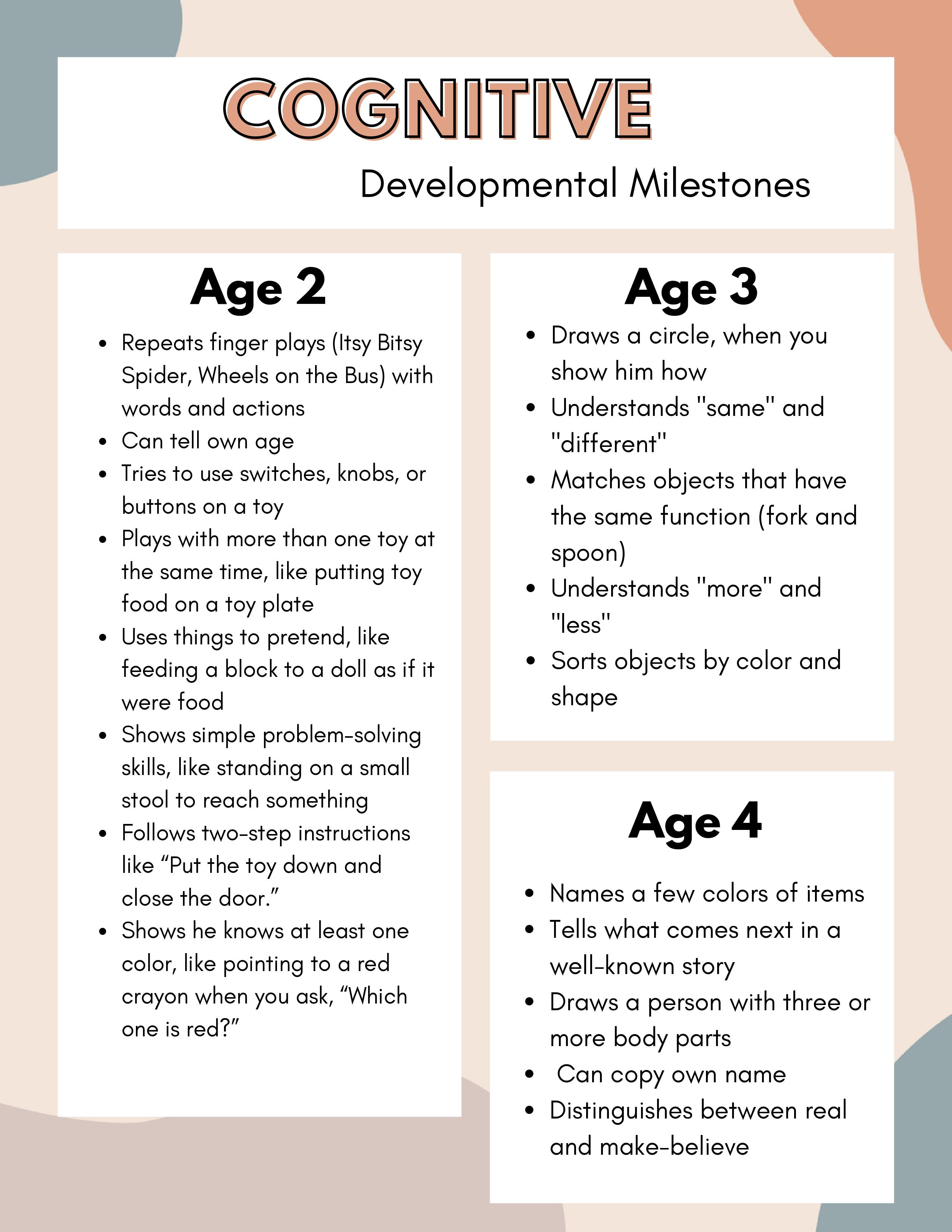
Cognitive development at this juncture manifests through a growing ability to understand basic time concepts, such as morning, afternoon, and night. Children can typically count to ten or higher, identify four or more colors, and understand the concept of same and different. Their attention span lengthens considerably, enabling them to engage in structured activities or multi-step games for extended periods without immediate redirection.
Physical and Motor Skill Advancements
Physical coordination improves dramatically during the fourth year, shifting from the tentative movements of early toddlerhood to more fluid, deliberate actions. Gross motor skills encompass the ability to hop on one foot, catch a bounced ball most of the time, and run smoothly while navigating obstacles. Many children begin learning to ride a tricycle or a bicycle equipped with training wheels, requiring synchronization of pedaling and steering.
Fine motor dexterity undergoes an equally important transformation. Four-year-olds can typically use safety scissors to cut along simple lines, draw a person with two to four body parts, and copy square shapes or simple letters. Self-care routines also become more refined; most children can independently brush their teeth, wash their hands, and manage simple clothing fasteners like large buttons or elastic waistbands, fostering a strong sense of personal autonomy.
| Developmental Domain | Typical Milestones at Age 4 |
|---|---|
| Social and Emotional | Cooperates with peers, shows empathy, acts out roles |
| Language and Communication | Speaks in 5+ word sentences, tells detailed stories |
| Cognitive | Understands basic time concepts, counts to 10+ |
| Gross Motor | Hops on one foot, catches a bounced ball |
| Fine Motor | Copies square shapes, uses safety scissors |
Social and Emotional Growth
Emotional regulation and social interactions become increasingly sophisticated during this phase. Four-year-olds transition from parallel play—playing side-by-side without interacting—to associative and cooperative play, where they share goals, negotiate rules, and collaborate with peers. They develop a deeper understanding of empathy, often comforting a crying friend or expressing genuine concern when someone is hurt.
Imagination takes center stage in social contexts through complex pretend play. Children invent elaborate scenarios involving superheroes, family dynamics, or occupational roles, which allows them to test social boundaries and process emotional experiences. However, this age is also marked by boundary-testing, occasional defiance, and emotional outbursts as children grapple with intense feelings they cannot yet fully articulate. Consistent, calm guidance helps them learn acceptable ways to express frustration and anger.
Supporting Language and Cognitive Growth
Fostering cognitive and linguistic abilities at age four requires an environment rich in conversation, literature, and exploratory play. Reading books together daily remains one of the most effective strategies for expanding vocabulary and comprehension. Instead of merely reading the text, parents and caregivers can ask open-ended questions about what might happen next or how a character feels, encouraging critical thinking and narrative comprehension.
Math and science concepts can be naturally integrated into daily routines. Sorting laundry by color, counting objects during grocery shopping, or observing nature during walks builds foundational analytical skills. Limiting unstructured screen time in favor of hands-on manipulation of materials—such as building blocks, puzzles, and art supplies—ensures that children develop spatial awareness and problem-solving capabilities through tactile exploration.
Managing Behavioral Challenges and Discipline
Behavioral management for a four-year-old requires a balance of clear limits, positive reinforcement, and predictable routines. Children at this stage thrive when they understand expectations ahead of time. Sudden transitions often trigger resistance, so providing verbal warnings before shifting activities—such as announcing that playtime will end in five minutes—mitigates frustration and eases cooperation.
When discipline is necessary, focusing on positive redirection and natural consequences proves more effective than punitive measures. Time-outs, when used, should be brief and paired with a calm discussion about why the behavior was unacceptable and how to handle the situation differently next time. Acknowledging good behavior with specific praise reinforces positive habits far more reliably than reacting only to misbehavior.
Preparing for Formal Schooling
As children approach the transition to preschool or kindergarten, preparation involves both academic readiness and social-emotional acclimatization. Schools look for foundational self-help skills, such as independent bathroom use and the ability to manage personal belongings, alongside the capacity to follow simple multi-step instructions given by an adult.
Parents can ease this transition by arranging playdates, visiting the school environment beforehand, and discussing what a typical school day looks like. Fostering independence at home—such as letting the child pack their own snack or choose their outfit—builds the confidence required to navigate a classroom setting successfully. According to guidelines from the American Academy of Pediatrics, ensuring adequate sleep, balanced nutrition, and predictable daily schedules remains paramount for maintaining the energy and emotional resilience needed for learning.
Next Actions and Supporting Resources
To ensure a four-year-old is progressing healthily, parents should maintain regular attendance at pediatric well-child visits, where developmental screenings are routinely performed. Utilizing resources provided by public health agencies, such as the Centers for Disease Control and Prevention's developmental milestone checklists, helps track progress between medical appointments. If persistent concerns arise regarding speech clarity, motor delays, or social engagement, consulting a pediatrician promptly ensures access to early intervention services.