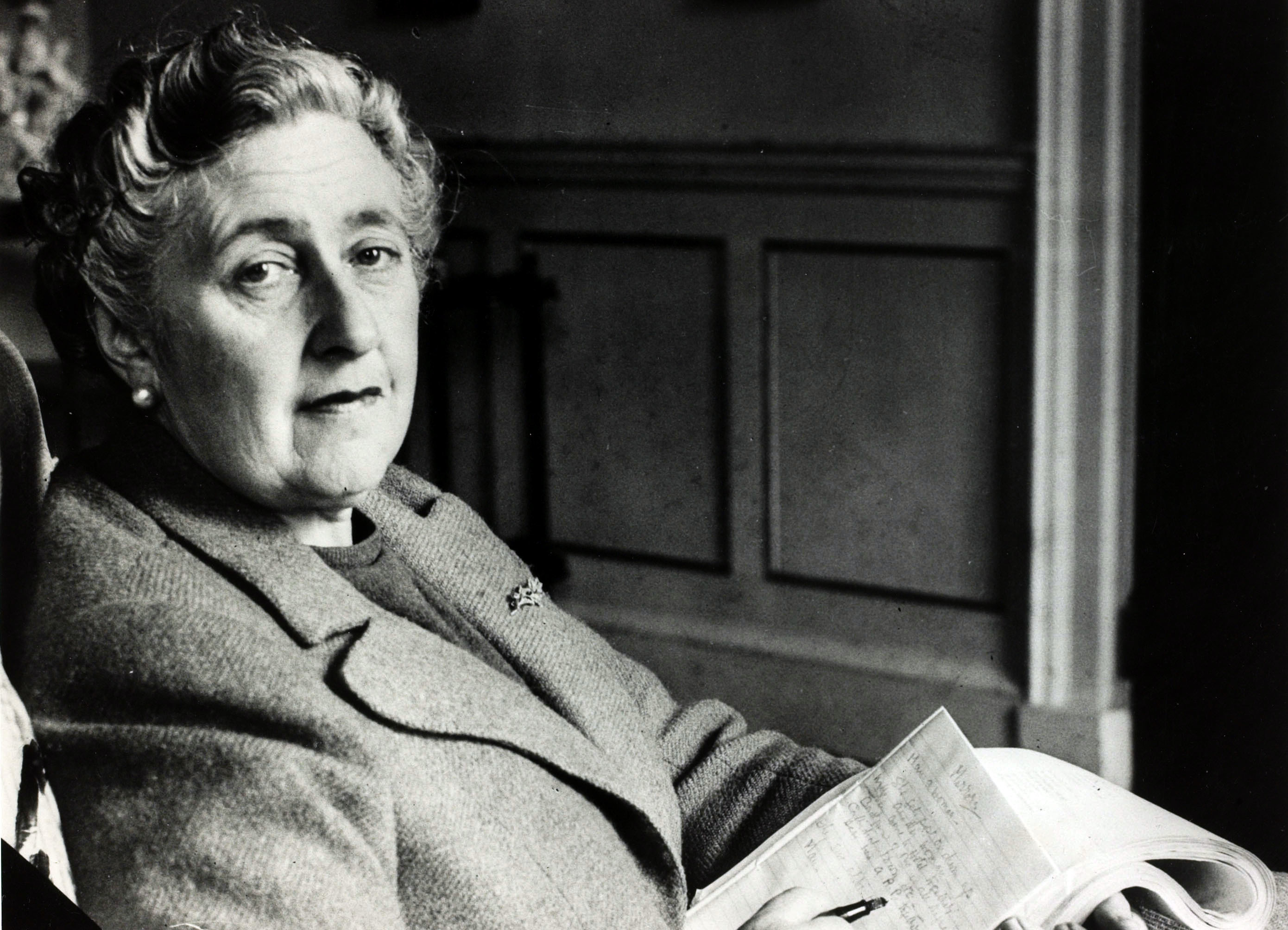
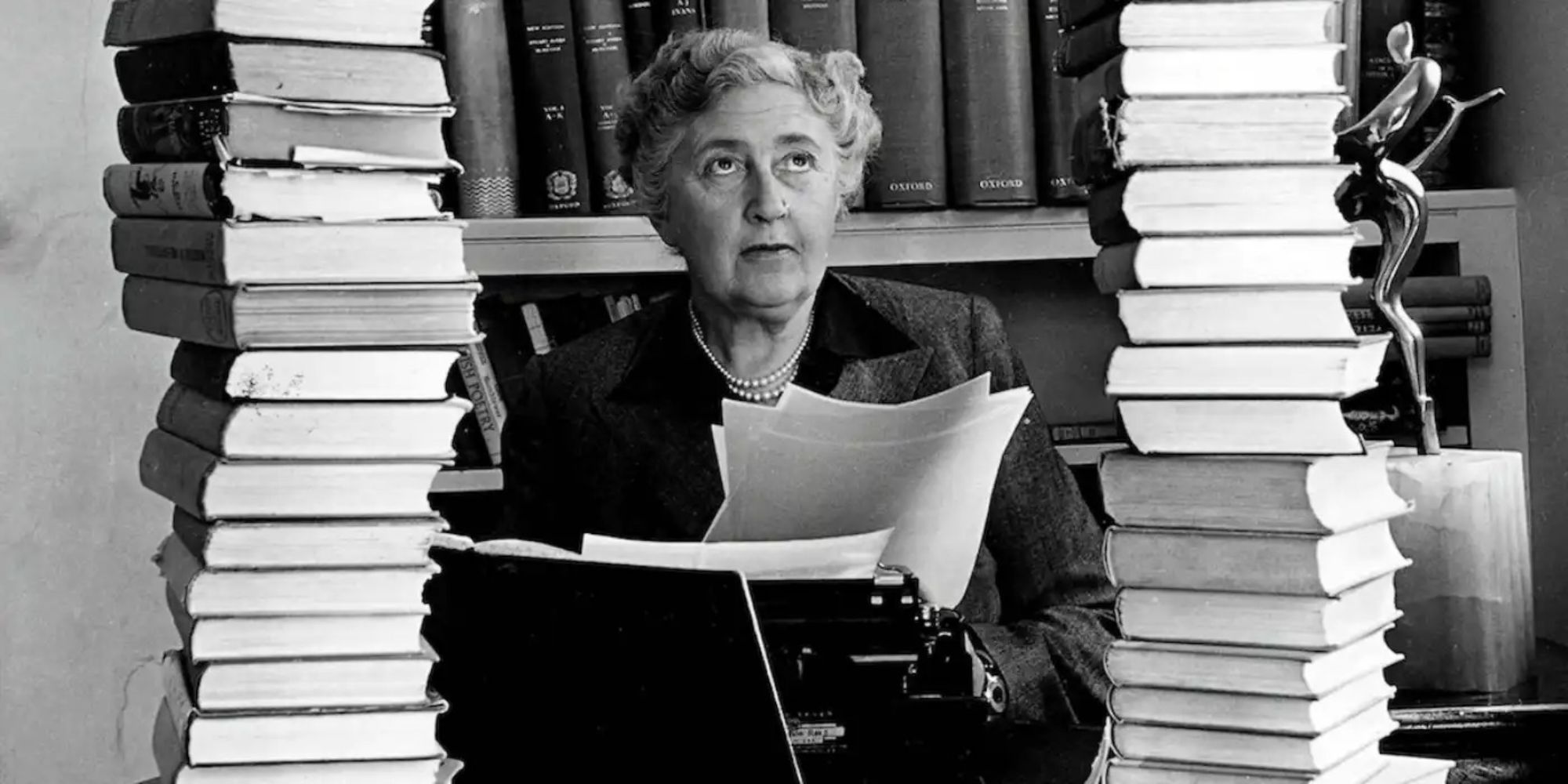
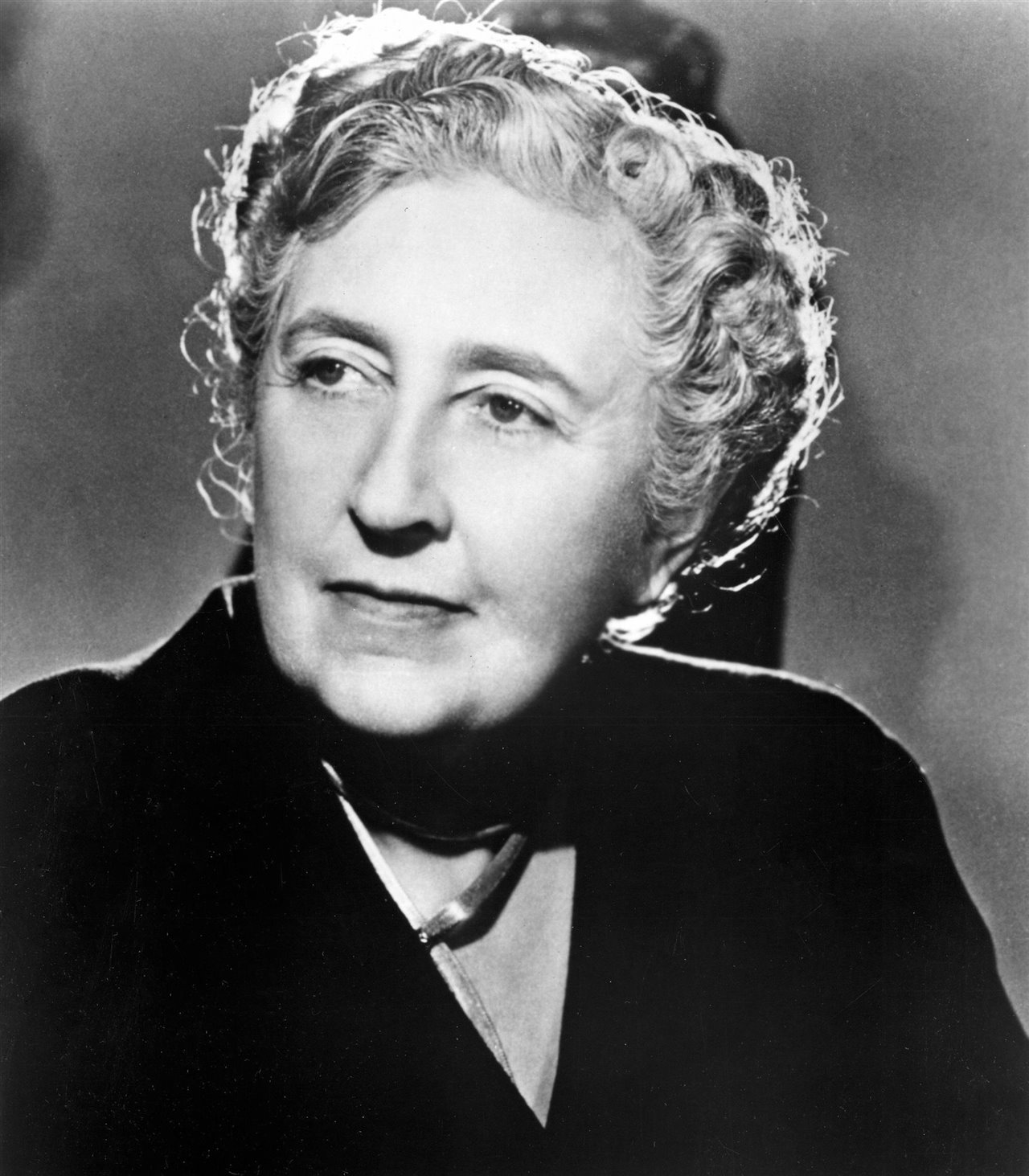
Agatha Christie is universally recognized as the best-selling fiction writer of all time, whose meticulously constructed detective novels, innovative narrative structures, and iconic sleuths like Hercule Poirot and Miss Marple established the enduring conventions of the modern whodunit. Her extensive bibliography encompasses 66 detective novels, 14 short story collections, and the world's longest-running play, The Mousetrap, cementing her foundational role in the Golden Age of Detective Fiction.
The Biographical Foundations of a Master Storyteller
Born Agatha Mary Clarissa Miller on September 15, 1890, in Torquay, Devon, England, Christie grew up in a comfortable upper-middle-class household. Educated primarily at home by her mother, she developed an early penchant for reading and imaginative play. Her formative years were shaped by the Victorian and Edwardian social milieus, providing her with the acute observational skills that would later inform her characterizations of village life, country house weekends, and the rigid class structures of British society.
During the First World War, Christie worked as a volunteer nurse at a hospital in Torquay, an experience that afforded her profound insights into human psychology, poisons, and pharmaceuticals. This medical exposure proved critical to her writing career; substances such as arsenic, strychnine, and curare frequently served as the murder weapons in her plots. She wrote her first detective novel, The Mysterious Affair at Styles, published in 1920, while working as a dispenser. This debut introduced Hercule Poirot, the fastidious Belgian refugee with an egg-shaped head and an unshakeable reliance on "little grey cells," launching a literary career that spanned over five decades.
The Architecture of the Whodunit: Narrative Techniques and Fair-Play Rules
Christie’s enduring appeal rests on her rigorous approach to plot construction, often referred to as the traditional fair-play puzzle. Unlike hardboiled detective fiction that prioritizes social realism and physical action, Christie’s works are intellectual gamesmanship between author and reader. She strictly adhered to the unwritten rules of the Detection Club—an organization of British mystery writers founded in 1930—which mandated that all clues must be made available to the reader before the solution is revealed, and that the culprit must not be a secret agent or a servant who plays no prior role in the investigation.
Her plots frequently utilize specific, highly controlled settings that serve as closed ecosystems, intensifying the psychological pressure on the suspects and limiting the pool of potential murderers. Classic tropes popularized or perfected by Christie include:
- The Country House Murder: Isolated country estates where a wealthy host is killed, trapping a diverse cast of guests with conflicting motives.
- The Locked-Room Mystery: Scenarios where a crime appears physically impossible to execute due to bolted doors and guarded perimeters.
- The Group Conspiracy: Innovative resolutions where multiple suspects, or even all characters involved, share complicity in the crime.
- The Unreliable Narrator: Employing a narrator or central character who is subsequently revealed to be the perpetrator, challenging reader assumptions.
| Detective / Character | Notable Appearances | Core Methodology & Characteristics |
|---|---|---|
| Hercule Poirot | The Murder of Roger Ackroyd, Murder on the Orient Express | Psychological analysis, ordering of facts, reliance on logical deduction and "little grey cells." |
| Miss Jane Marple | The Murder at the Vicarage, A Murder Is Announced | Human nature observation, drawing parallels between village gossip and universal criminal motives. |
| Tommy and Tuppence | The Secret Adversary, N or M? | Dynamic amateur sleuthing, espionage, and adventurous undercover operations over decades. |
| Superintendent Battle | The Secret of Chimneys, The Seven Dials Mystery | Methodical police work, steady demeanor, and handling of international intrigue. |
Iconic Creations: Hercule Poirot and Miss Jane Marple
While Christie created numerous memorable recurring characters, including the amateur sleuth couple Tommy and Tuppence Beresford and the intuitive inspector Superintendent Battle, her legacy is anchored primarily by Hercule Poirot and Miss Jane Marple. These two detectives represent contrasting methodologies of investigation, yet both rely fundamentally on acute human observation rather than forensic technology.
Hercule Poirot made his final literary appearance in Curtain: Poirot's Last Case, published in 1975, shortly before the author's death. Poirot’s belief in order and method allowed him to cut through emotional obfuscation. In contrast, Miss Marple, who debuted in The Murder at the Vicarage (1930), operated from the quiet vantage point of St. Mary Mead. Marple’s foundational premise was that human nature is fundamentally consistent across all social strata; thus, the malicious gossip of a small village provided a reliable lens through which to understand complex urban or international crimes.
Global Impact, Adaptations, and Cultural Legacy
Agatha Christie’s works have been translated into more than 100 languages, making her one of the most translated authors in history, alongside William Shakespeare and the Bible. Her global circulation demonstrates the universal appeal of the classic puzzle mystery, which transcends cultural and linguistic barriers through its focus on human greed, jealousy, and fear.
Beyond print, her works have undergone continuous adaptation across stage, film, television, and radio. The Mousetrap, which opened in London's West End in 1952, holds the record as the longest-running play in the world. Cinematic adaptations such as Sidney Lumet’s 1974 film Murder on the Orient Express and Kenneth Branagh’s subsequent modern cinematic interpretations have sustained mainstream interest. On television, long-running series such as Agatha Christie's Poirot starring David Suchet and Miss Marple starring Joan Hickson established definitive visual and narrative interpretations that remain critical reference points for the genre.
Exploring and Collecting the Bibliography
For modern readers and collectors approaching Agatha Christie’s vast output, navigating the chronology and distinguishing between primary subgenres is essential. Her work can be broadly categorized into detective novels featuring Poirot, novels featuring Miss Marple, standalone thrillers, and romance novels written under the pseudonym Mary Westmacott.
When building a comprehensive understanding of her stylistic evolution, readers should observe the following chronological milestones:
- The Early Masterpieces (1920–1930): Establishing the foundational puzzle format with The Mysterious Affair at Styles and achieving narrative notoriety with the structurally subversive The Murder of Roger Ackroyd (1926).
- The Golden Age Pinnacle (1930–1939): Releasing intricately plotted masterpieces including Murder on the Orient Express (1934), The ABC Murders (1936), and And Then There Were None (1939), her best-selling novel.
- The Psychological Shift (1940–1976): Integrating deeper psychological realism and darker emotional undertones in works such as Crooked House (1949) and Endless Night (1967).
Readers seeking to engage with the genre should prioritize starting with And Then There Were None for an unmatched masterclass in suspense and elimination plotting, or The Murder of Roger Ackroyd to experience one of the most debated narrative twists in 20th-century literature.