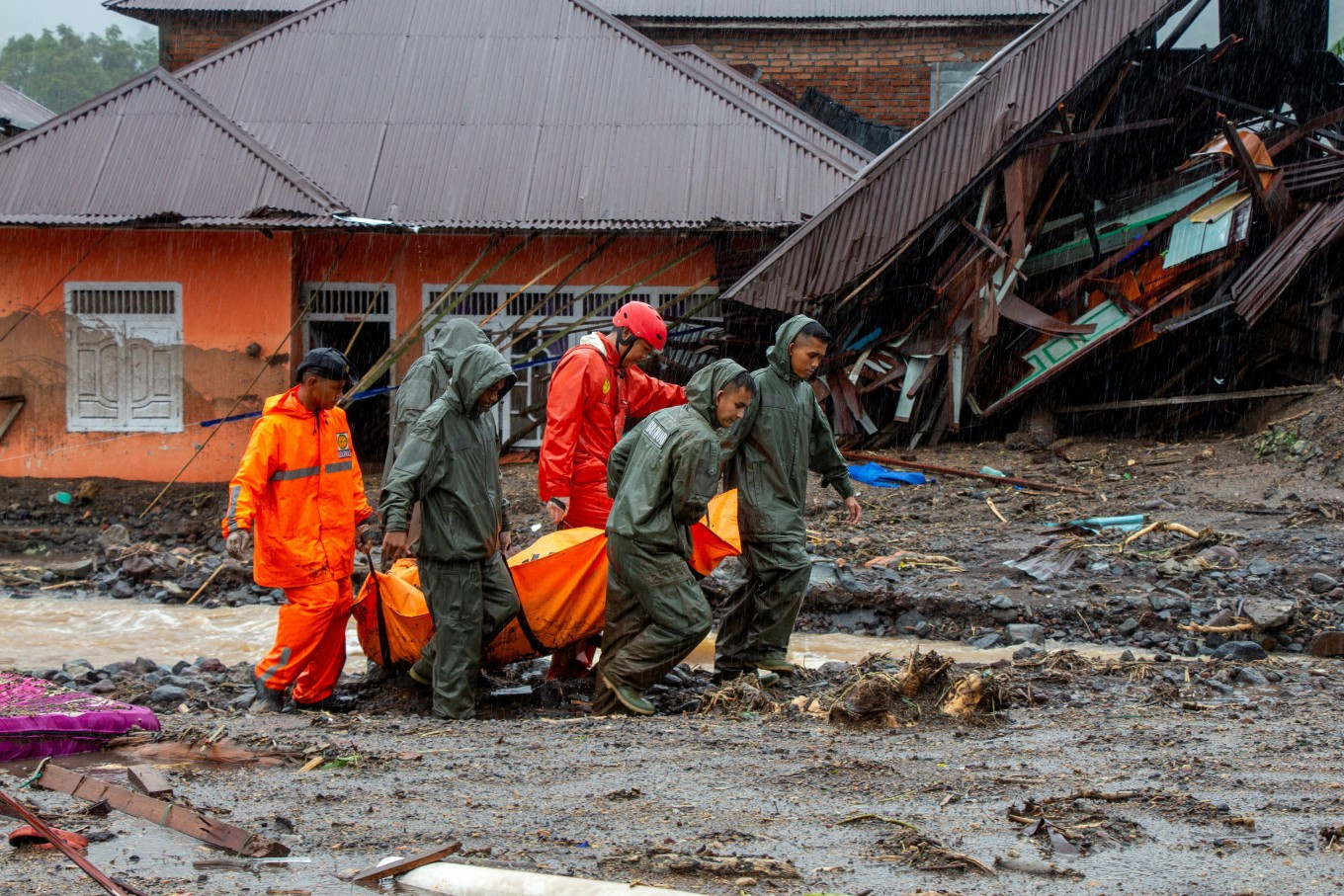
The aftermath of a major disruption—whether economic, operational, ecological, or personal—requires a structured approach to assess initial impacts, stabilize immediate vulnerabilities, and execute a phased recovery plan. Success depends on objective damage evaluation, careful resource allocation, and adherence to established recovery frameworks that minimize secondary setbacks.
Defining the Scope of the Aftermath
Every crisis or significant event leaves behind a distinct footprint that dictates the required response. Understanding the immediate aftermath involves separating direct impacts from latent vulnerabilities that may manifest weeks or months later. When an unexpected shock occurs, initial assessments often focus on visible losses, such as physical damage, immediate financial contraction, or acute operational downtime. However, the comprehensive scope of consequences extends far deeper into secondary and tertiary effects.
Secondary consequences frequently emerge as systems struggle to adapt to altered conditions. For instance, supply chain disruptions following a natural disaster or market crash do not merely halt immediate transactions; they create cascading bottlenecks that impair inventory management, inflate procurement costs, and strain contractual obligations. Recognizing these extended ripple effects allows decision-makers to move beyond reactive damage control and anticipate future pressure points.
Furthermore, establishing a baseline during the initial aftermath is critical for measuring progress. Without accurate data collection and rigorous impact analysis, organizations and individuals risk misallocating scarce resources to symptoms rather than root causes. This foundational phase demands objective auditing, transparent communication among stakeholders, and a clear inventory of available assets versus immediate liabilities.
Analyzing Direct and Indirect Consequences
Consequences are rarely isolated; they interact within complex networks of cause and effect. Analyzing these outcomes requires a systematic breakdown of how an event alters operational, financial, or personal stability. Direct consequences are immediate and undeniable, such as structural impairment, revenue loss, or legal liability. Indirect consequences, conversely, develop over time through systemic erosion, such as diminished brand equity, employee burnout, or regulatory non-compliance resulting from emergency pivots.
| Consequence Type | Operational Impact | Financial Implication | Strategic Consideration |
|---|---|---|---|
| Direct | Immediate asset loss, service interruption, infrastructure failure. | Unbudgeted emergency expenditures, sudden revenue cessation. | Requires rapid triage, life safety measures, and insurance notification. |
| Indirect | Process bottlenecks, talent attrition, loss of market share. | Increased long-term borrowing costs, margin compression. | Demands stakeholder engagement, process re-engineering, and morale management. |
| Systemic | Regulatory scrutiny, permanent shifts in consumer behavior. | Structural valuation adjustments, systemic credit tightening. | Involves long-term adaptation, compliance realignment, and strategic pivots. |
Evaluating these tiers of impact ensures that response strategies are comprehensive. For example, while securing physical infrastructure addresses direct operational threats, addressing indirect consequences requires communication strategies that preserve trust and institutional stability. Failing to account for systemic shifts can render pre-crisis operational models obsolete, necessitating broader strategic realignment.
Establishing the Recovery Framework
Once the consequences are fully mapped, the transition from stabilization to recovery requires a formal framework. A robust recovery process is iterative, moving through distinct phases of triage, restoration, and optimization. Rushing this sequence often introduces vulnerabilities that undermine long-term stability.
- Stabilization and Triage: Halt further deterioration, secure vulnerable assets, and ensure the safety or immediate solvency of affected parties.
- Assessment and Planning: Conduct thorough forensic analyses to determine resource needs, regulatory requirements, and financial exposure. Formulate a phased recovery roadmap with clear milestones.
- Resource Mobilization: Secure necessary capital, technical expertise, and personnel required to execute the recovery plan. Prioritize initiatives based on risk mitigation and value restoration.
- Execution and Monitoring: Implement corrective actions while tracking key performance indicators to measure progress against baseline projections.
- Review and Adaptation: Evaluate the effectiveness of the recovery measures, incorporate lessons learned, and update continuity plans to guard against future shocks.
This phased progression prevents premature declarations of normality. Each stage builds upon the verified completion of the previous one, ensuring that structural weaknesses are corrected rather than masked by temporary fixes.
Financial and Resource Allocation Strategies
Recovery efforts invariably strain financial reserves and operational capacities. Effective resource allocation in the aftermath of a major disruption depends on strict prioritization and liquidity management. Decision-makers must distinguish between discretionary expenditures and critical investments necessary for baseline operational continuity.
Securing liquidity often involves tapping emergency reserves, negotiating with creditors, or restructuring existing liabilities. In institutional contexts, insurance claims and government relief programs play a pivotal role, though navigating these mechanisms demands meticulous documentation and adherence to strict statutory timelines. Delaying claims processing or failing to substantiate losses can severely compromise recovery financing.
Beyond capital, human resources represent a vital and often fragile asset during recovery. Overextending personnel through prolonged crisis-response phases leads to diminished productivity, high turnover rates, and increased error frequencies. Sustainable recovery strategies incorporate workload balancing, psychological support structures, and clear internal communication to maintain organizational alignment and morale.
Common Pitfalls in the Recovery Process
Navigating an aftermath is fraught with strategic missteps that can prolong vulnerability or create secondary crises. Recognizing these pitfalls allows stakeholders to implement preventive safeguards throughout the recovery lifecycle.
- Underestimating Recovery Timelines: Establishing unrealistic schedules for returning to normal operations creates misplaced expectations and forces premature deployment of resources.
- Neglecting Compliance and Governance: Bypassing standard regulatory controls or internal governance protocols during emergency operations frequently results in legal liabilities and audit failures down the line.
- Failure to Adapt: Attempting to restore the exact pre-crisis status quo without acknowledging permanent shifts in the operating environment leaves systems vulnerable to recurring disruptions.
- Poor Communication: Failing to maintain transparent, timely communication with stakeholders breeds uncertainty, erodes trust, and complicates recovery negotiations.
Avoiding these errors requires disciplined project management, independent oversight, and a willingness to revise strategies as new data emerges during the recovery trajectory.
Frequently Asked Questions
What is the primary objective of the initial aftermath assessment?
The primary objective is to accurately inventory direct and indirect impacts, stabilize immediate vulnerabilities, and establish a verified baseline of losses and available resources to inform the recovery roadmap.
How do direct consequences differ from indirect consequences?
Direct consequences are immediate, measurable outcomes such as physical damage or sudden revenue cessation. Indirect consequences develop over time through systemic shifts, including supply chain bottlenecks, reputational damage, and long-term margin compression.
Why is a phased recovery framework necessary?
A phased framework prevents premature normalization by ensuring that stabilization, thorough planning, resource mobilization, and execution occur in a logical sequence that addresses root causes rather than superficial symptoms.
What role does liquidity management play during recovery?
Liquidity management ensures that an entity retains sufficient capital to fund critical restoration activities, service unavoidable liabilities, and absorb unforeseen operational delays without resorting to destabilizing emergency borrowing.
How can organizations prevent recurring vulnerabilities after a disruption?
Organizations prevent recurring vulnerabilities by conducting post-recovery reviews, updating continuity plans based on lessons learned, and adapting operational models to account for permanent structural changes in their environment.
Actionable Next Actions for Long-Term Resilience
To translate recovery insights into lasting operational strength, stakeholders must formalize their lessons learned into updated continuity and risk-management protocols. Begin by conducting a comprehensive post-recovery audit to document what response mechanisms succeeded and where delays occurred. Use these findings to update emergency response plans, diversify supply chains or revenue streams, and establish clear financial reserves dedicated to future contingency management. Continuous testing and scenario planning will ensure that readiness remains institutionalized long after the immediate aftermath has receded.