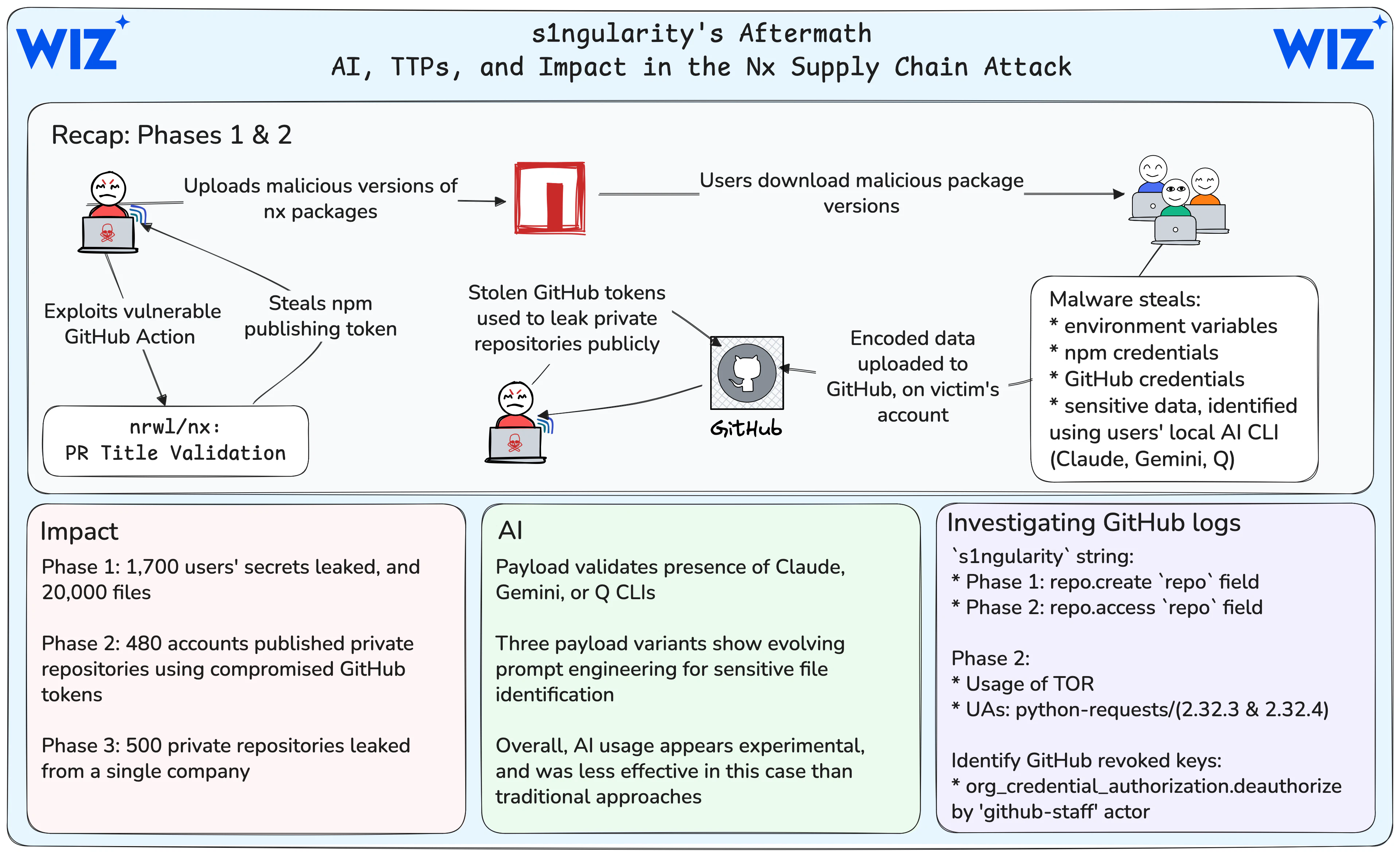
An aftermath analysis is a systematic post-event evaluation used to examine the consequences, root causes, and systemic impacts of a critical incident, project failure, or operational disruption. By parsing quantitative data and qualitative feedback, organizations utilize this structured assessment to extract actionable lessons, prevent recurrence, and refine future strategic planning.
Defining Aftermath Analysis and Its Core Objectives
Understanding the mechanics of an aftermath analysis requires examining its foundational purpose within modern governance, enterprise risk management, and operational review. At its core, this practice moves beyond surface-level reporting to dissect the timeline, variables, and cascading effects triggered by an event. Whether evaluating an unexpected market downturn, a significant technological outage, or a major supply chain disruption, the primary objective is to establish an objective, evidence-based narrative of what occurred, why it happened, and how the organization can adapt.
Unlike real-time incident management, which prioritizes containment and immediate mitigation, aftermath analysis operates in a reflective yet analytical window. It bridges the gap between raw data collection and strategic policy reform. The process aims to achieve three distinct goals: accountability through transparency, system resilience through continuous improvement, and knowledge transfer across business units. By codifying these insights into standardized institutional memory, organizations insulate themselves against recurring vulnerabilities and optimize their resource allocation for future contingencies.
Establishing the Prerequisites and Data Collection Framework
Before executing an aftermath analysis, practitioners must establish a structured framework and secure access to verified data sources. Attempting to review a complex event without a clear methodology often leads to anecdotal finger-pointing rather than systemic reform. The foundational phase begins with assembling a multidisciplinary evaluation team. This team typically includes subject matter experts, data analysts, legal counsel, and operational leaders who were not directly involved in the immediate crisis, thereby ensuring objective evaluation.
Once the team is established, establishing a comprehensive data collection protocol becomes paramount. This protocol must capture both quantitative telemetry and qualitative testimony.
- System Logs and Telemetry: Extracting objective timestamped data from software servers, security infrastructure, or financial transaction ledgers to establish an unalterable chronological baseline.
- Communications Archives: Reviewing email threads, internal messaging logs, and emergency notification system records to map out decision-making pathways and information bottlenecks.
- Witness and Stakeholder Interviews: Conducting structured debriefs with frontline personnel, executive sponsors, and external partners who experienced the event firsthand.
- Environmental and External Variables: Gathering external intelligence, such as regulatory filings, macroeconomic indicators, or industry benchmark reports, to contextualize internal performance.
Step-by-Step Methodology for Executing an Evaluation
Executing a thorough aftermath analysis requires a disciplined, multi-phase approach. Moving haphazardly through an investigation risks overlooking critical failure points or misattributing cause and effect. The following structured lifecycle guides practitioners from initial scoping to final reporting.
| Phase | Primary Objective | Key Activities | Expected Output |
|---|---|---|---|
| Scoping & Scenariation | Define boundaries and objectives | Determine event parameters, assign investigators, set timelines | Project charter and investigation scope |
| Data Aggregation | Collect verifiable evidence | Harvest logs, conduct interviews, pull financial ledgers | Centralized, secure evidence repository |
| Root Cause Examination | Identify underlying triggers | Apply causal frameworks (e.g., Five Whys, Ishikawa diagrams) | Validated causal chain |
| Impact Assessment | Measure total consequence | Quantify financial loss, reputational damage, and operational downtime | Impact matrix and severity report |
| Remediation Mapping | Formulate corrective actions | Design preventive controls, update standard operating procedures | Actionable remediation roadmap |
Following this sequential progression ensures that no stone is left unturned. For instance, skipping the scoping phase often results in scope creep, where analysts spend disproportionate time examining tangential issues while missing the primary structural failure. Similarly, failing to map remediation actions directly to identified root causes yields superficial policy changes that fail to prevent future incidents.
Applying Analytical Frameworks to Uncover Root Causes
Once data is aggregated, analysts must apply rigorous analytical frameworks to isolate root causes from mere symptoms. A common pitfall in post-event reviews is stopping at the immediate trigger—often referred to as human error—without investigating the systemic environment that allowed the error to occur.
Advanced organizations employ methodologies such as the Ishikawa (fishbone) diagram and Fault Tree Analysis to map out contributing factors across categories such as people, process, technology, and environment. For example, if a financial transaction system fails during a high-volume trading period, the immediate cause might be identified as server timeout. However, a deeper aftermath analysis would reveal that upstream capacity planning assumptions were flawed, change management protocols bypassed load-testing requirements, and organizational silos prevented the infrastructure team from communicating hardware constraints to leadership.
Furthermore, applying quantitative risk metrics helps calibrate the severity of each identified vulnerability. By utilizing severity-likelihood matrices, organizations can prioritize which systemic flaws demand immediate capital expenditure and which can be addressed through gradual procedural updates. This ensures that mitigation strategies are both cost-effective and proportionate to the risks uncovered.
Overcoming Common Pitfalls and Operational Limitations
Despite best intentions, executing an aftermath analysis frequently encounters internal resistance and methodological traps. Recognizing these obstacles is essential for maintaining the integrity of the review. One major challenge is confirmation bias, where investigators form an early hypothesis about the cause of an event and selectively gather data to support that narrative while ignoring contradictory evidence. To counter this, review teams must maintain strict adherence to empirical standards and subject their preliminary findings to peer review by independent internal or external stakeholders.
Another pervasive hurdle is the "blame culture" phenomenon. If employees fear that participating honestly in an aftermath analysis will result in punitive action, they may withhold critical information, sanitize logs, or provide evasive testimony. Establishing a psychologically safe, blameless post-mortem environment is vital. Organizations must clearly communicate that the objective of the analysis is systemic improvement, not individual retribution.
Finally, resource constraints can compromise the depth of an investigation. Comprehensive analyses require dedicated time, specialized software tools, and analytical talent. When organizations rush the review process to resume normal operations prematurely, they often plant the seeds for future, more catastrophic failures by leaving underlying vulnerabilities unaddressed.
Frequently Asked Questions
What is the primary difference between real-time incident response and an aftermath analysis?
Real-time incident response focuses on immediate containment, mitigation, and service restoration while an event is actively unfolding. In contrast, an aftermath analysis is a retrospective, methodical investigation conducted after stability has been restored to determine root causes, quantify impacts, and implement long-term preventative safeguards.
Who should participate in conducting an aftermath analysis?
An ideal review team consists of multidisciplinary participants, including data analysts, process owners, legal counsel, and objective facilitators who were not directly responsible for the operational decisions leading up to the event. This mix ensures technical competence, legal compliance, and organizational objectivity.
How long should a comprehensive aftermath analysis take to complete?
The timeline varies depending on the scale and complexity of the event. Minor operational hiccups may require only a few days of review, whereas systemic enterprise failures, major security breaches, or catastrophic project collapses can necessitate weeks or months of data aggregation, forensic testing, and stakeholder consultation.
Can an aftermath analysis be used for positive achievements as well as failures?
Yes. While most commonly associated with crisis management and project failures, the underlying methodology is equally effective when applied to major successes. Analyzing a wildly successful product launch or an exceptionally managed supply chain transition helps organizations identify best practices and codify repeatable operational playbooks.
What happens to the findings generated by an aftermath analysis?
The findings are translated into a formal remediation roadmap containing assigned accountability, capital requirements, and strict implementation deadlines. These outputs drive policy updates, software patches, retraining programs, and architectural overhauls designed to mitigate documented vulnerabilities.
Next Actions for Implementing Review Protocols
To operationalize these principles, organizations should begin by auditing their current incident review practices to identify gaps in data collection and cross-functional participation. Draft a standardized post-event evaluation template that incorporates structured root-cause frameworks and blameless reporting guidelines. Ensure that leadership actively endorses this methodology, treating post-event reviews not as administrative burdens, but as vital investments in enterprise resilience and continuous operational excellence.