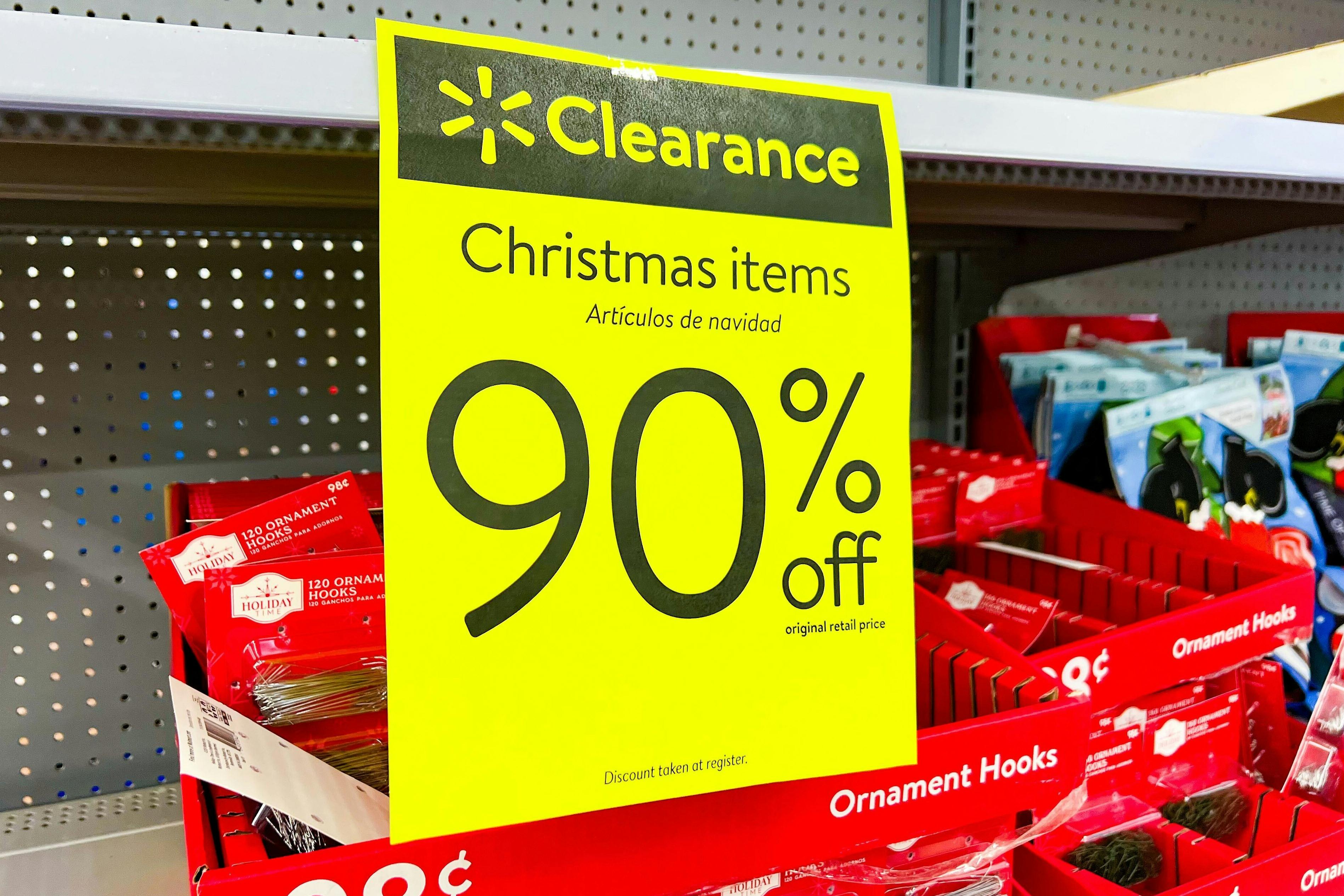
After Christmas deals represent one of the most predictable retail clearance cycles of the year, driven by merchants aggressively clearing inventory to make room for new spring stock and fulfill year-end financial quotas. Securing the best value requires understanding markdown cadences, target product categories, and the operational differences between in-store clearance and digital markdowns during the post-holiday window.
Retailers typically transition their sales floors immediately following the close of business on December 24th, with the deepest discounts unfolding in progressive waves throughout late December and early January. Unlike Black Friday, which focuses heavily on doorbusters and early-bird electronics promotions, post-holiday clearance events concentrate on seasonal merchandise, holiday-specific goods, winter apparel, and surplus inventory across major home and lifestyle categories. Mastering this retail cycle allows shoppers to systematically plan purchases, evaluate inventory conditions, and maximize savings on items that otherwise carry premium price tags during peak holiday shopping periods.
Understanding the Post-Holiday Retail Clearance Cycle
The mechanics of post-holiday discounting are rooted in inventory management and supply chain logistics. Retailers incur holding costs for unsold goods sitting in warehouses or taking up valuable retail floor space. Once the peak gifting season concludes, the opportunity cost of holding seasonal inventory multiplies rapidly. Consequently, merchants implement structured markdown schedules designed to recoup baseline costs and eliminate storage burdens.
Understanding these waves prevents buyers from purchasing items at initial clearance marks that will drop further within days. The clearance cycle typically follows a three-tier progression:
- Initial Markdown Wave (December 26–29): Discounts generally open at 30% to 50% off original retail prices. Selection is at its peak, offering the best availability of sizes, colors, and specific models, but prices are not yet at their absolute floor.
- Secondary Markdown Wave (New Year's Eve through the First Week of January): Prices drop further to 60% or 70% off. Selection begins to thin noticeably, particularly for high-demand items, but remaining inventory becomes significantly more affordable.
- Final Clearance and Liquidation (Mid-January onward): Remaining seasonal goods drop to 80% off or more. At this stage, retailers often move residual goods to centralized clearance outlets or liquidate them to third-party secondary markets, leaving sparse options on standard shelves.
Navigating these phases successfully requires balancing the desire for deep discounts against the risk of inventory depletion. High-demand items rarely survive until the final liquidation phase, making the secondary wave the optimal sweet spot for most planned purchases.
Best Product Categories for Post-Holiday Savings
Not all retail sectors participate equally in post-holiday markdowns. While electronics and major appliances see moderate adjustments, specific categories experience aggressive price slashing driven by immediate obsolescence or seasonal shifts.
Seasonal decor and holiday goods represent the most heavily discounted segment. Artificial trees, wrapping paper, ornaments, lights, and holiday-themed tableware routinely drop by 70% to 90% immediately after December 25th. Buying these items a year in advance is a reliable strategy for reducing holiday overhead, provided storage space is available.
Winter apparel also sees substantial reductions. Retailers must clear coats, boots, sweaters, and thermal wear to accommodate spring lines arriving in February. While winter weather typically persists through January and February, merchants clear out current-season inventory to make room for incoming transitional wardrobes, creating a favorable window for apparel buyers.
| Product Category | Typical Discount Range | Optimal Purchase Window | Inventory Availability Risk |
|---|---|---|---|
| Holiday Decor & Wrap | 70% - 90% off | Dec 26 – Jan 3 | High for premium items |
| Winter Apparel | 40% - 70% off | Late Dec – Mid Jan | Moderate to High |
| Fitness & Exercise Equipment | 20% - 40% off | Late Dec – January | Low to Moderate |
| Consumer Electronics | 15% - 35% off | Dec 26 – Dec 31 | Low |
| Bedding & Linens ("White Sales") | 30% - 60% off | Entire month of January | Low |
Fitness equipment and health-related goods feature prominently during this window to capitalize on New Year's resolution demand. While discounts in this category are often less steep than holiday decor markdowns, merchants frequently bundle accessories or offer promotional financing to clear out previous-year exercise machines, home gym gear, and tracking wearables.
Comparing Post-Christmas Sales and Black Friday
Shoppers frequently evaluate post-holiday clearances against Black Friday promotions, assuming one universally outperforms the other. In practice, these two shopping periods serve entirely different inventory functions and feature distinct pricing dynamics.
Black Friday centers on manufactured-for-the-event doorbusters, targeted tech promotions, and early holiday shopping incentives. Manufacturers often build specific budget models of televisions and laptops exclusively for Black Friday distribution. In contrast, post-Christmas sales deal with authentic surplus inventory—actual stock that failed to sell during the peak shopping season.
| Feature | Black Friday / Cyber Monday | After Christmas Deals |
|---|---|---|
| Primary Inventory | New releases, doorbusters, electronics, toys | Seasonal clearance, winter wear, surplus goods |
| Discount Driver | Marketing volume and early holiday capture | Inventory liquidation and floor space clearance |
| Return Policies | Extended holiday return windows apply | Standard return policies or final sale restrictions |
| Stock Depth | High volume of specifically ordered promotional units | Limited to remaining store and warehouse quantities |
| Price Stability | Lowest prices of the year for specific tech items | Lowest prices of the year for seasonal goods |
Consumers shopping for consumer electronics, video game consoles, and newly released toys generally find better selection and competitive pricing during November sales events. Conversely, shoppers seeking home goods, winter clothing, fitness gear, and holiday supplies achieve superior cost-per-unit savings during the post-holiday clearance window.
Strategic Shopping Methods for Maximizing Value
Executing a cost-effective post-holiday shopping strategy requires preparation, digital tool utilization, and strict adherence to budget constraints. Impulse buying driven by the psychological appeal of high percentage-off labels frequently leads to purchasing unneeded items.
Prior to venturing out or browsing online, compile a definitive procurement list. Focus on items requiring replacement, such as worn winter coats, upgrading home organization systems during January "White Sales," or securing next year's holiday wrapping supplies.
Utilizing price tracking browser extensions and retailer mobile applications helps verify whether a posted markdown represents an authentic historical low or merely a superficial price adjustment. Many major retailers honor price matching or price adjustments if an item purchased right before Christmas goes on clearance immediately afterward, though fine print varies regarding holiday exclusions. Always review retailer return policies before completing transactions during clearance events, as deeply discounted items are frequently designated as final sale.
Common Pitfalls and Strategic Mistakes to Avoid
The sheer volume of marketing messages and red clearance tags during the post-holiday season can lead to poor purchasing decisions. Avoiding common strategic errors protects both household budgets and storage space.
Purchasing low-quality items simply because the discount exceeds 75% represents a frequent error. A poorly constructed holiday decoration or low-grade winter garment provides little value regardless of the acquisition cost. Quality and durability must remain primary evaluation metrics.
Ignoring return policy stipulations on clearance merchandise creates unnecessary risk. Many merchants refuse returns or exchanges on items marked down by more than 50% or designated as final clearance. Inspecting items for defects prior to purchase is essential.
Overestimating available storage space for bulky seasonal goods often results in clutter. Storing massive quantities of wrapping paper, oversized ornaments, or heavy winter wear requires dedicated dry space. Measure storage capacity before purchasing bulk seasonal clearance items.
Frequently Asked Questions
When do post-Christmas sales officially begin?
Post-Christmas sales typically begin on December 26th, immediately following Christmas Day. Many major online retailers launch their digital clearance events late on Christmas evening, while physical storefronts open early on the morning of the 26th to process initial markdowns.
Are electronics cheaper after Christmas than on Black Friday?
Generally, consumer electronics are not cheaper after Christmas than on Black Friday. Black Friday and Cyber Monday feature the lowest prices and widest selection for televisions, laptops, and audio gear. Post-holiday electronics sales usually only clear out older model remnants or open-box returns.
What are January "White Sales" and how do they relate to holiday deals?
January "White Sales" are traditional retail events originating in the 19th century where merchants discount household linens, bedding, towels, and bath products. Retailers continue this tradition immediately following the winter holidays to clear out inventory and attract shoppers focused on home organization during the start of the new year.
Can items bought on post-Christmas clearance be returned?
Return eligibility depends entirely on individual retailer policy and the depth of the markdown. While standard clearance items often remain returnable within a standard window, items designated as final sale or discounted beyond a specific threshold cannot be returned or exchanged. Always verify policy details before purchasing.
Is it better to shop in-store or online for post-holiday clearance?
Both channels offer distinct advantages during post-holiday clearance events. In-store shopping allows buyers to uncover hidden clearance items, open-box specials, and regional markdowns not listed online. Online shopping provides access to broader inventory across centralized warehouses without requiring travel during harsh winter weather.
Strategic Execution and Next Actions
To capitalize effectively on post-holiday markdowns, audit current household inventory before December 25th to identify genuine needs for winter apparel, home linens, or organizational supplies. Monitor target retailer applications for early digital clearance drops starting on Christmas night, and prioritize purchases based on inventory scarcity rather than raw discount percentages. By maintaining a disciplined approach, shoppers can secure high-value goods while avoiding the clutter of impulse-driven clearance purchasing.