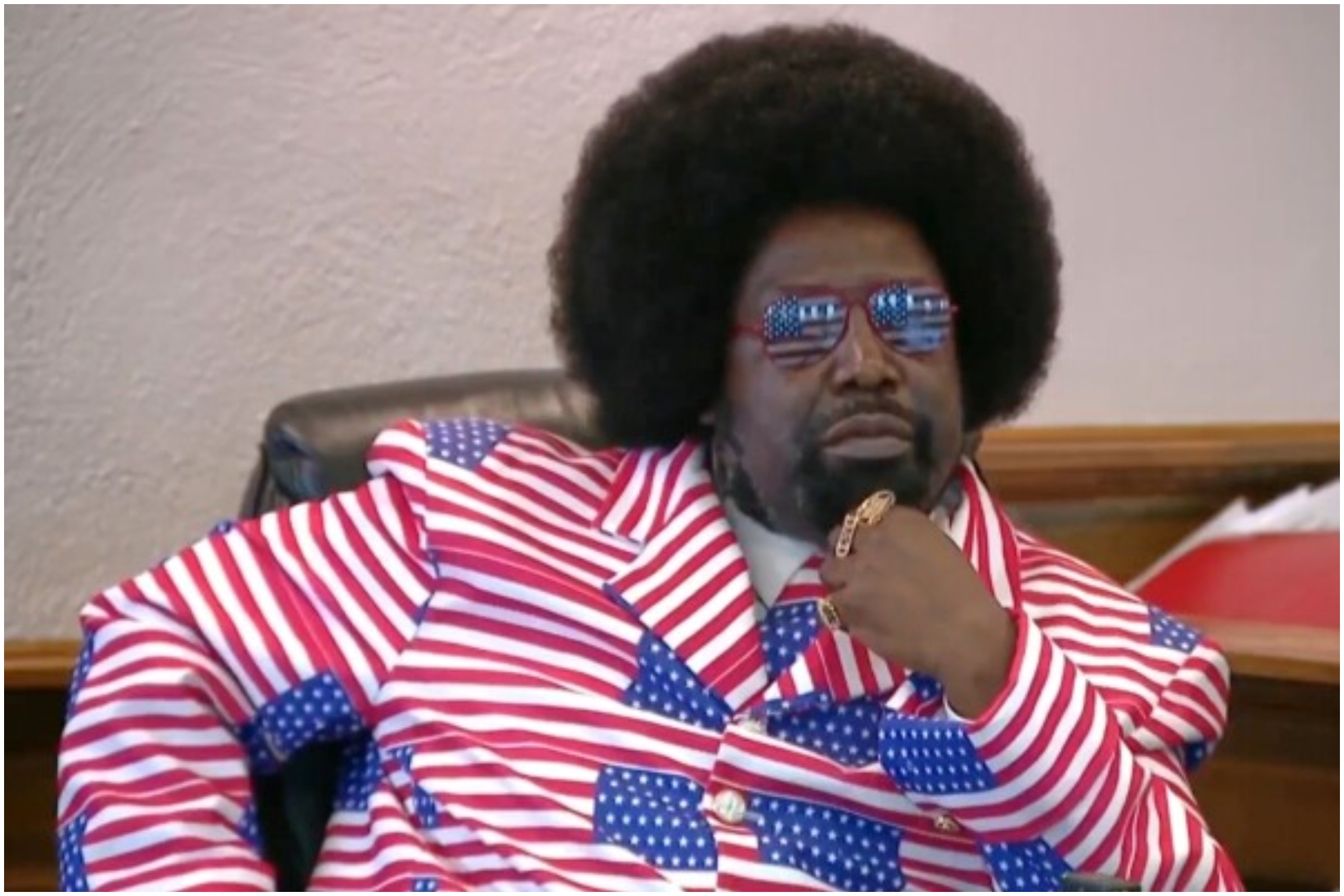
The Afroman settlement involves a significant legal and financial agreement stemming from a high-profile 2022 law enforcement raid on the musician's Ohio home, highlighting issues of civil rights, police conduct, and civil litigation.
The intersection of celebrity status, law enforcement overreach, and civil rights litigation often results in complex legal resolutions. Among recent high-profile cases involving law enforcement agencies and public figures, the legal dispute involving Joseph Foreman—better known by his stage name Afroman—and the Adams County Sheriff’s Office in Ohio stands out. This case culminated in a notable settlement that addresses constitutional rights, the use of home surveillance footage, and the financial responsibilities of municipal and county entities when civil liberties are infringed. Examining the origins, mechanics, and broader implications of this resolution provides crucial insight into modern civil rights litigation and law enforcement accountability.
Origins of the Case and the 2022 Adams County Raid
The foundational dispute began on August 21, 2022, when deputies from the Adams County Sheriff’s Office executed a search warrant at the rural Ohio residence of Joseph Foreman. Law enforcement officials suspected illegal drug activity and kidnapping. However, the subsequent search yielded no illicit narcotics or evidence supporting the kidnapping allegations, though authorities did seize cash and personal items during the operation.
What distinguished this raid from standard law enforcement procedures was the extensive use of home security cameras by the homeowner. Foreman, anticipating potential friction with local authorities or simply securing his property, had installed multiple high-definition interior and exterior cameras. The footage recorded by these devices captured deputies entering the home, searching rooms, handling personal property, and making comments that later became central to the legal strategy of the defense.
Instead of keeping the incident private, Foreman leveraged the digital age by uploading the security camera footage to social media platforms. The videos quickly went viral, generating intense public scrutiny of the Adams County Sheriff’s Office. The stark contrast between the heavy-duty police response and the ultimate outcome—no criminal charges related to narcotics or kidnapping were filed against Foreman—created significant public interest and set the stage for a protracted civil battle.
Legal Strategies and the Initiation of Civil Litigation
Following the fruitless search and the public dissemination of the footage, Foreman’s legal team pursued civil action against the Adams County Sheriff’s Office, several individual deputies, and the Board of Adams County Commissioners. The lawsuit alleged multiple constitutional and common-law violations, forming a comprehensive challenge to how the search was conducted and how the seized property was handled.
Civil rights lawsuits involving law enforcement typically navigate federal and state frameworks. In this instance, the core legal arguments centered on:
- Fourth Amendment Violations: The plaintiff argued that the search warrant lacked sufficient probable cause and that the execution of the search exceeded constitutional boundaries, particularly given the lack of incriminating evidence discovered.
- Conversion and Property Damage: During the raid, law enforcement seized thousands of dollars in cash. Foreman’s legal team contended that the seizure and subsequent temporary retention of these funds, alongside alleged damage to property during the forced entry, constituted unlawful conversion and property damage.
- Invasion of Privacy and Defamation Elements: The psychological and reputational toll of the public raid formed a significant component of the damages sought, as the execution of the warrant was perceived as overly punitive and publicly damaging.
As the litigation proceeded through the court system, the defendants faced mounting legal costs and the prospect of damaging public depositions. This dynamic often shifts the incentives of public entities toward settlement rather than a prolonged jury trial, where public sympathy and video evidence could heavily favor the plaintiff.
Terms, Financial Structures, and Resolution of the Settlement
By early 2024, the parties reached a formal settlement agreement to resolve the federal civil rights lawsuit without a trial. While many municipal settlements contain confidentiality clauses, details regarding the financial payout in the Afroman settlement became public through public records requests and statements from Foreman’s legal counsel.
The financial component of the settlement required the Adams County entities and their insurance carriers to pay a total of $490,000 to Foreman and his legal representatives. This figure was designed to cover damages, attorney fees, and the return of seized items, including the cash taken during the raid, which had already been a point of contention when Foreman claimed some money was missing or mishandled.
| Category | Details |
|---|---|
| Primary Plaintiff | Joseph Foreman (Afroman) |
| Defendants | Adams County Sheriff’s Office, Individual Deputies, County Commissioners |
| Settlement Amount | $490,000 |
| Core Issues | Unreasonable search and seizure, property damage, mishandled cash |
| Resolution Year | 2024 |
Beyond the monetary compensation, the resolution carried symbolic and operational weight. Foreman famously utilized aspects of the legal battle and the raid itself in his music videos, merchandise, and political campaign, effectively turning a negative encounter with law enforcement into a multimedia commentary on civil liberties. The financial settlement closed the judicial chapter of the civil suit, though it left lingering discussions regarding police accountability in rural jurisdictions.
Broader Implications for Law Enforcement and Surveillance Culture
The resolution of the Afroman lawsuit highlights several evolving trends in contemporary jurisprudence, particularly concerning the proliferation of private surveillance technology and its interaction with state power. Historically, disputed accounts of police raids relied heavily on the testimony of officers versus the testimony of citizens, a dynamic that frequently favored law enforcement credibility in court.
The widespread adoption of high-definition home security systems, smart doorbells, and cloud-connected cameras has fundamentally altered this evidentiary landscape. In cases like Foreman’s, objective, continuous digital recording provides an unvarnished timeline that can corroborate claims of misconduct or invalidate justifications offered by executing agencies. Consequently, public agencies face heightened risks when executing search warrants in environments saturated with recording devices.
Furthermore, the financial impact on Adams County underscores the real-world costs of civil rights violations for local governments. Taxpayer-funded settlements or payouts covered by municipal liability insurance pools demonstrate that unconstitutional or poorly managed law enforcement actions carry tangible economic penalties. This financial accountability mechanism serves as a primary driver for administrative review, improved training standards, and policy adjustments within sheriff’s offices and police departments nationwide.
Practical Lessons and Guidance for Property Owners
While the Afroman settlement involves a celebrity, the core mechanics of the case offer practical takeaways for private citizens navigating interactions with law enforcement and the legal system. Understanding rights and proper protocols during unexpected official visits can mitigate long-term legal and financial risks.
- Maintain Reliable Documentation: Installing and maintaining functional security cameras provides an objective record of events, which is invaluable if disputes regarding property, conduct, or warrants arise.
- Consult Legal Counsel Immediately: Responding to searches, seizures, or subsequent civil claims requires specialized legal expertise. Attempting to manage complex tort claims independently often compromises the potential for financial recovery or injunctive relief.
- Understand Public Records Laws: Municipal and county settlements involving public funds are generally subject to public disclosure laws. Transparency advocates and legal analysts utilize these records to track municipal liability and police conduct trends.
- Avoid Impulsive Public Statements: While publicizing an incident can bring awareness, legal teams generally advise caution regarding statements made on social media during active litigation, as they can sometimes complicate formal proceedings.
Frequently Asked Questions
What led to the lawsuit settled by Afroman?
The lawsuit stemmed from an August 2022 raid on Joseph Foreman's Ohio home by the Adams County Sheriff’s Office. Officers executed a search warrant looking for drugs and kidnapping evidence, but found nothing illegal. Foreman sued over constitutional violations, property damage, and the handling of seized cash after posting security footage of the raid online.
How much was the financial payout in the Afroman settlement?
The settlement required the defendants—including the Adams County Sheriff’s Office and county commissioners—to pay $490,000 to resolve the federal civil rights lawsuit. This amount covered damages, legal fees, and the return of seized property and funds.
Were any criminal charges filed against Afroman as a result of the raid?
No criminal charges related to narcotics or kidnapping were ever filed against Foreman following the search of his residence. The lack of criminal findings formed a core basis for his subsequent civil rights lawsuit for unlawful search and seizure.
How did home security cameras influence the case?
Foreman’s interior and exterior security cameras recorded the entire law enforcement operation. He published this footage publicly, where it went viral. The video evidence played a critical role in shaping public opinion and strengthening the civil rights claims regarding the conduct of the deputies during the search.
What administrative lessons do municipal agencies take from such settlements?
Cases resulting in substantial payouts prompt municipal and county entities to re-evaluate their risk management practices, training protocols for executing search warrants, and policies regarding the handling and documentation of seized property to avoid future high-cost litigation.
Moving Forward Responsibly in Civil Disputes
Navigating the aftermath of a disputed law enforcement encounter requires a structured, legally sound approach that balances public advocacy with formal litigation. Individuals who believe their constitutional rights have been violated during searches or property seizures should prioritize retaining qualified civil rights attorneys to evaluate claims of municipal liability, property damage, and unlawful search. Ensuring proper documentation through official channels remains the most effective path toward securing administrative accountability and financial restitution.