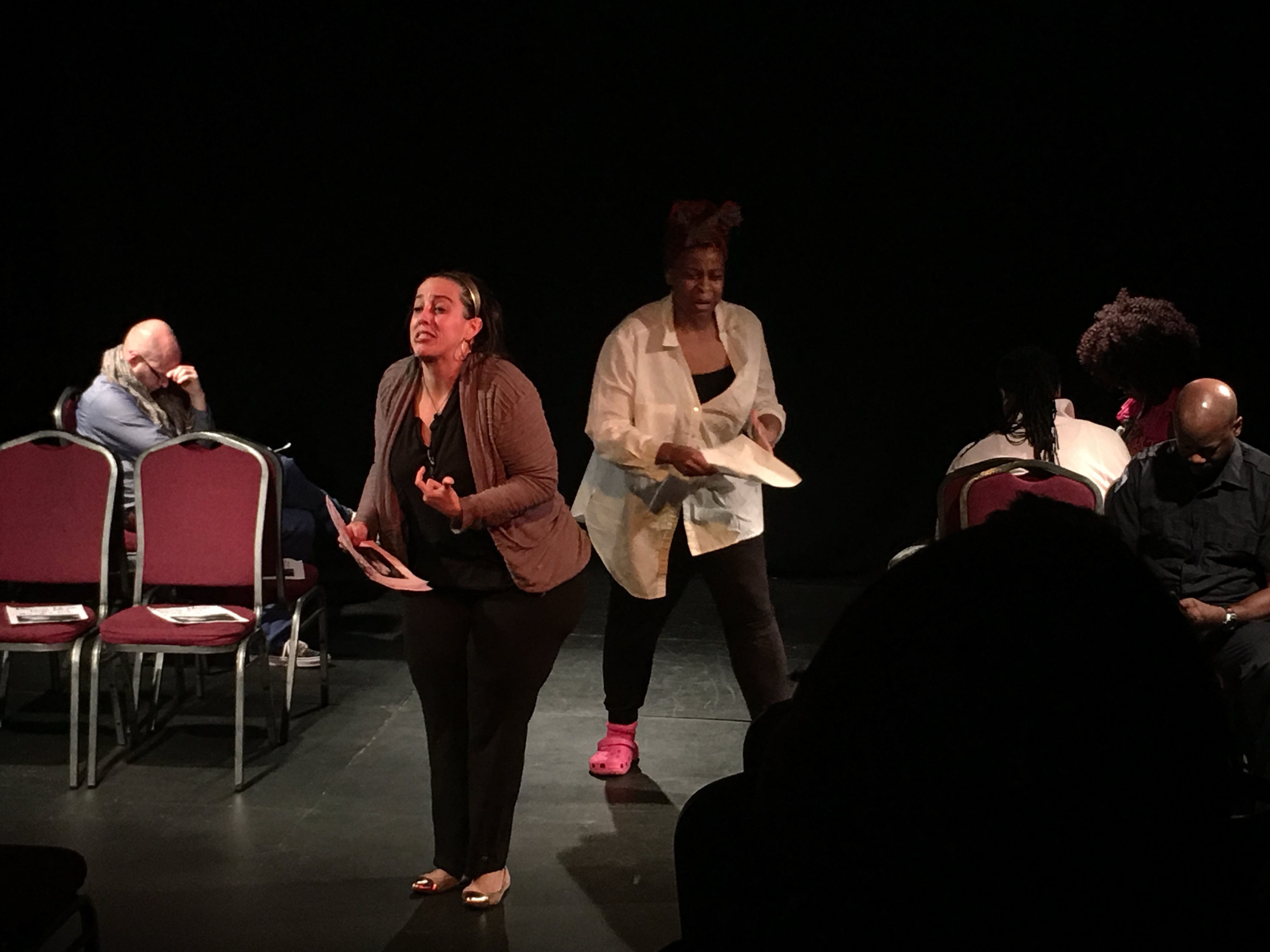
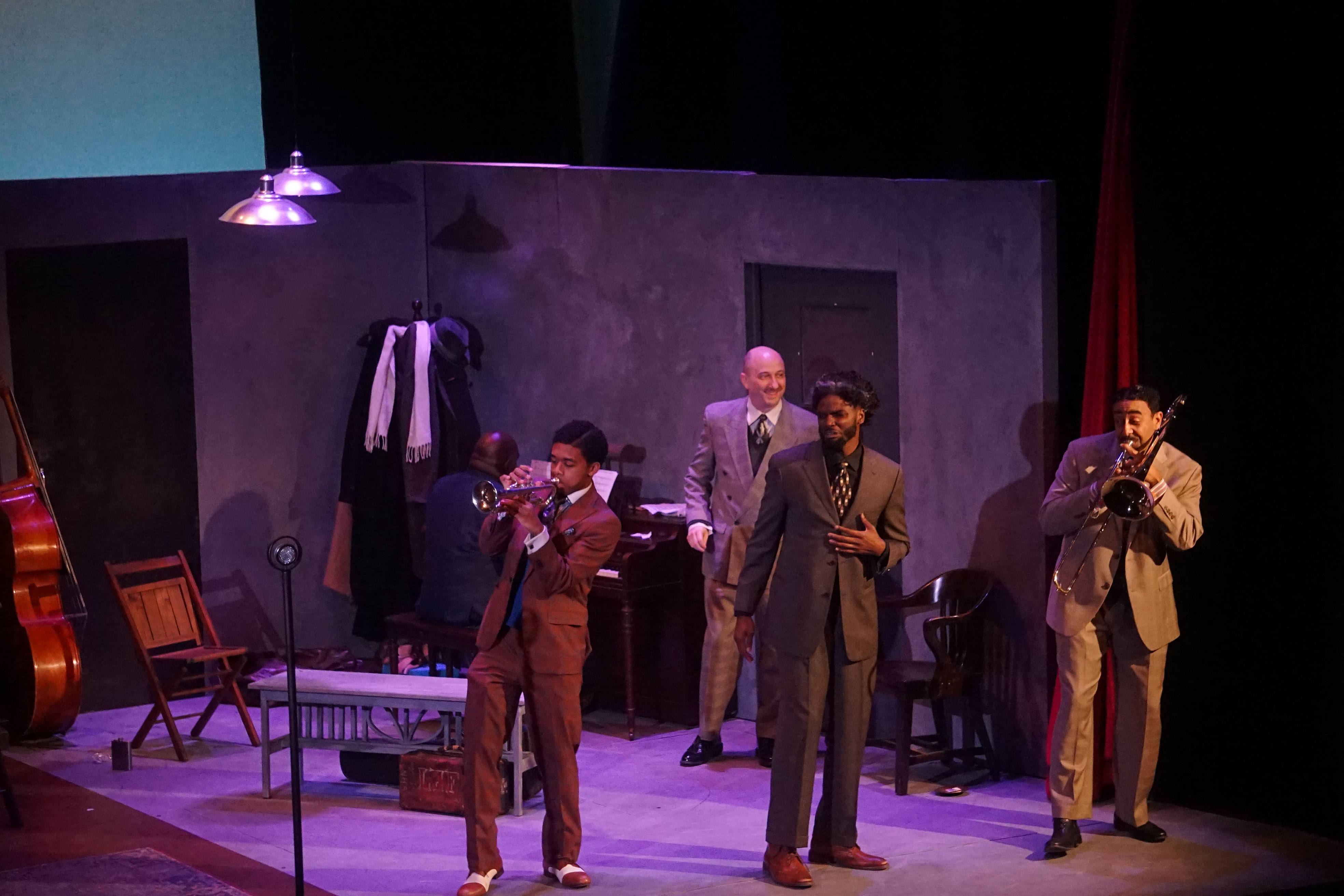
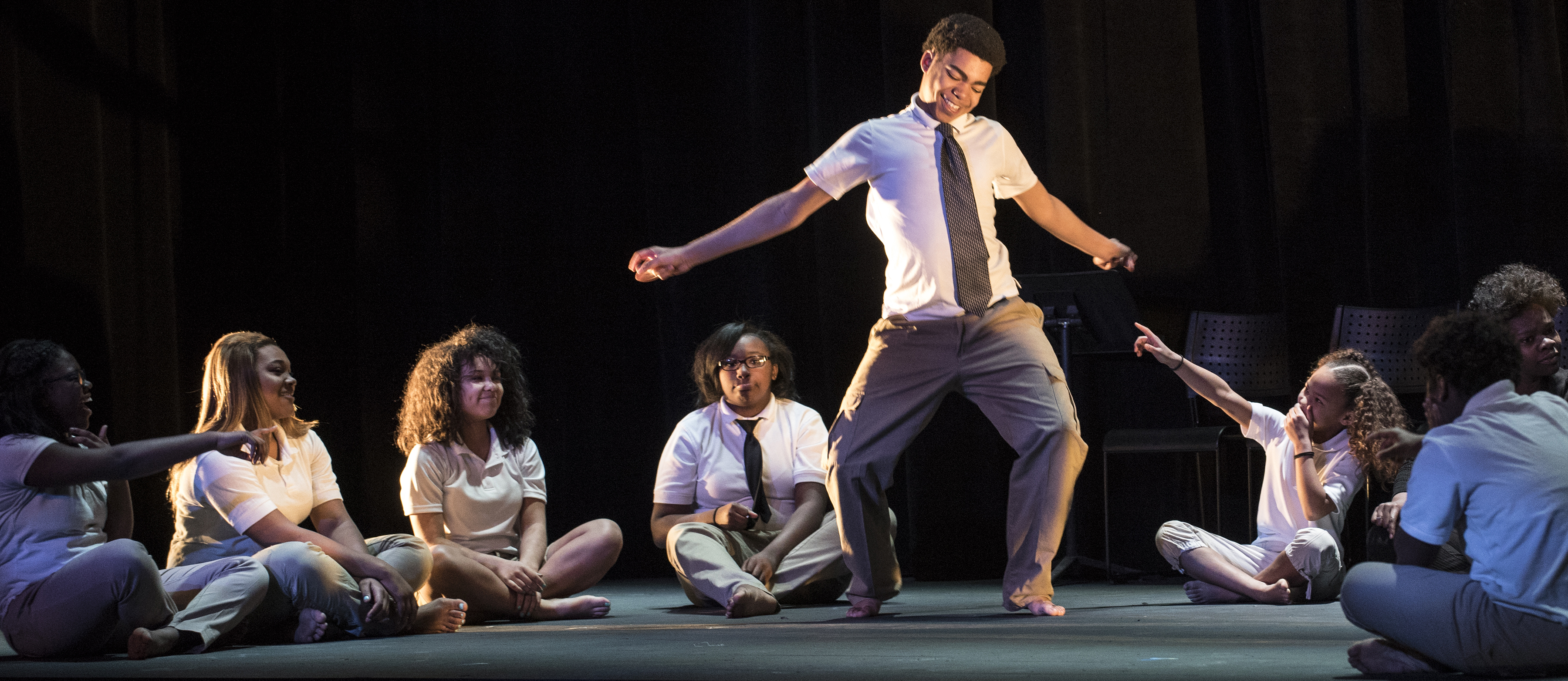
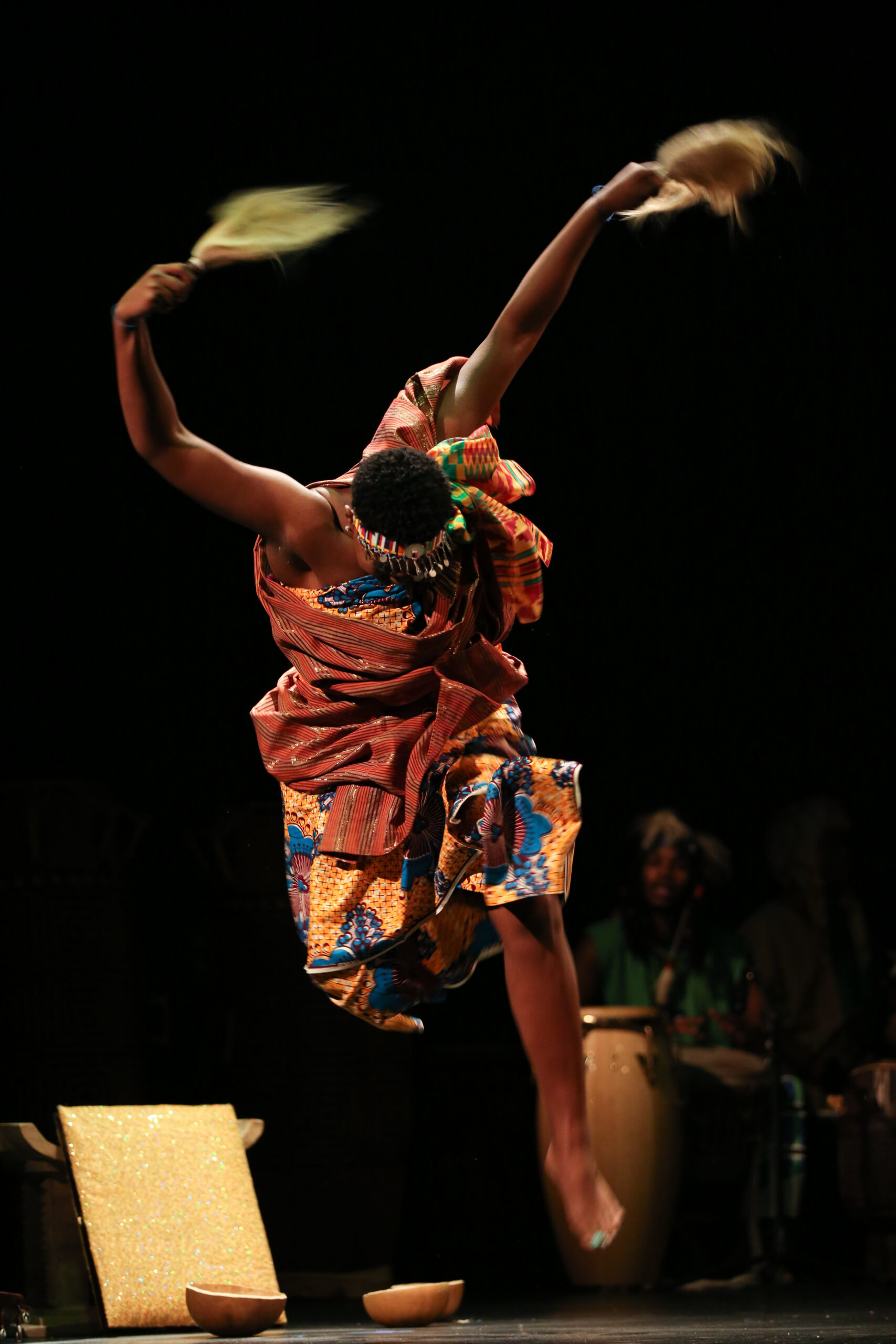
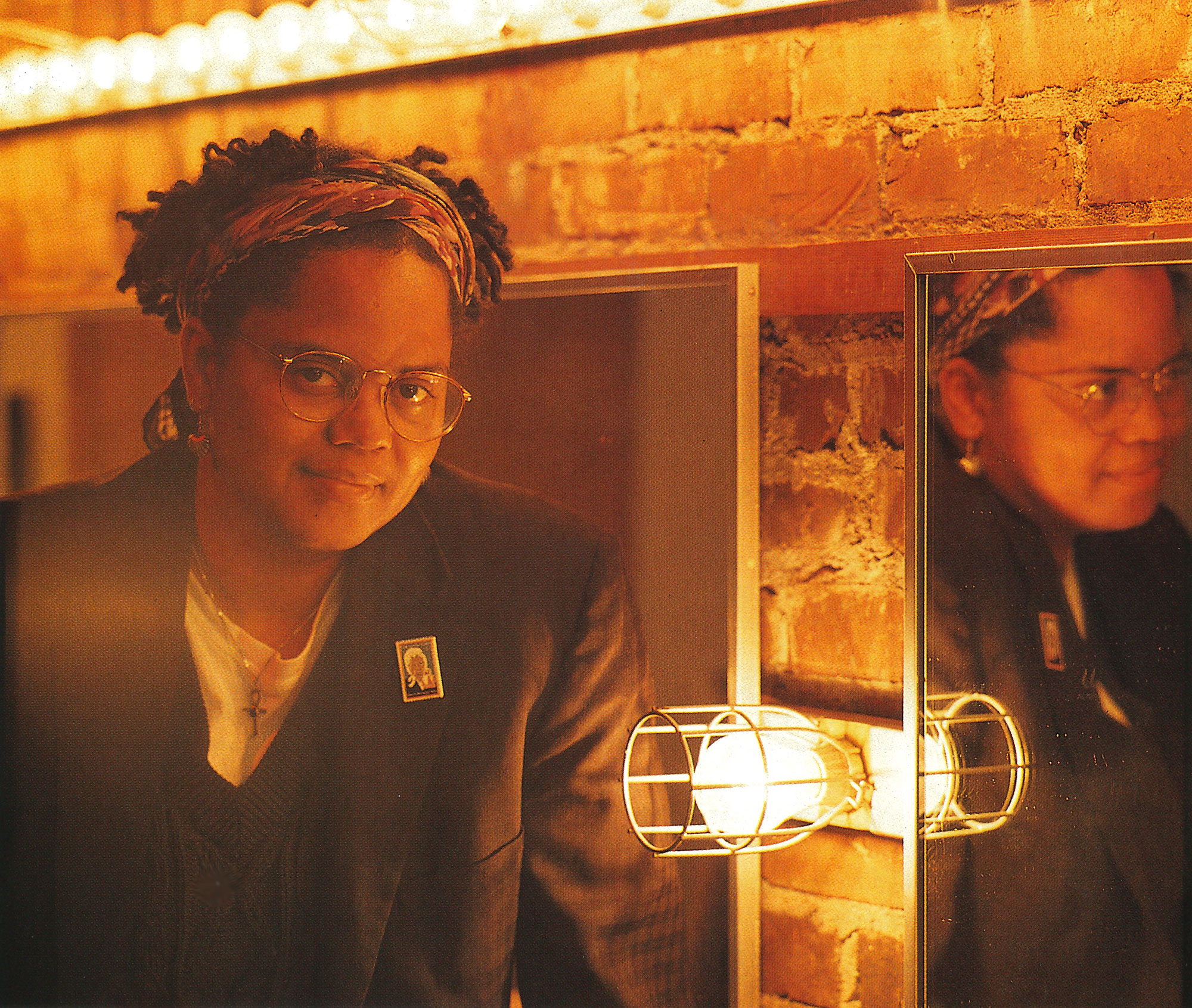
African American theater encompasses a vibrant body of dramatic works, performance traditions, and institutional movements created by Black artists to reflect the cultural, social, and political realities of the African diaspora. From minstrel show subversions in the nineteenth century to the revolutionary Black Arts Movement and contemporary Broadway triumphs, this artistic tradition serves as a foundational pillar of American performing arts.
Historical Foundations and Early Developments
The roots of African American theater run deep, originating in slave-yard performances, ring shouts, and church presentations that preserved ancestral traditions while adapting to the conditions of forced displacement. During the nineteenth century, Black performers navigated an extremely restrictive landscape. Early troupes like the African Company, established in New York City around 1821 by William Henry Brown, staged canonical European dramas alongside original works, most notably The Drama of King Shotaway.
Despite systemic barriers and the widespread degradation of minstrelsy—where white actors and eventually some Black actors performed in blackface—African American artists steadily carved out independent spaces. By the late nineteenth and early twentieth centuries, performers such as Bert Williams and George Walker utilized musical comedy to subvert racial stereotypes. These productions offered subtle critiques of Jim Crow society while entertaining diverse audiences on the vaudeville circuit and early musical theater stages.
The Harlem Renaissance and the Little Theater Movement
The 1920s marked a profound transformation during the Harlem Renaissance, a cultural explosion that redefined Black identity. Intellectuals like Alain Locke championed the concept of the "New Negro," urging playwrights to move away from minstrel tropes toward authentic portrayals of Black life. The establishment of experimental groups, such as the Krigwa Players founded by W.E.B. Du Bois, laid the groundwork for an independent Black theater network. These groups adhered to a four-point manifesto: the plays must be about us, by us, for us, and near us.
Concurrently, mainstream venues began opening their doors to serious Black drama. Plays like The Emperor Jones by Eugene O'Neill featured pioneering performances by actor Charles Gilpin, while native works such as Garner and collaborative revues brought Black creative voices to wider visibility. The Federal Theatre Project of the 1930s, specifically its Negro Theatre Units, further propelled this momentum by employing hundreds of Black actors, directors, and technicians across the United States, producing culturally resonant works like the famous "Voodoo" Macbeth directed by Orson Welles in Harlem.
The Mid-Century Breakthrough and Realism
Following World War II, African American theater achieved unprecedented commercial and critical breakthroughs, anchored by realistic depictions of working-class family life and racial struggle. The defining figure of this era was Lorraine Hansberry, whose 1959 masterpiece A Raisin in the Sun became the first play written by an African American woman to be produced on Broadway. The drama examined housing discrimination, generational conflict, and assimilation through the lens of the Younger family on Chicago's South Side.
This period also witnessed the emergence of towering literary talents who expanded the thematic boundaries of the stage. James Baldwin explored intersectional identity, religion, and sexuality in works like The Amen Corner and Blues for Mister Charlie. These productions demonstrated that Black theatrical works could achieve universal resonance while maintaining fierce cultural specificity.
Key Eras and Movements in African American Theater
| Era / Movement | Timeframe | Defining Characteristics | Key Figures and Works |
|---|---|---|---|
| Early Minstrel Subversion & Vaudeville | Late 19th Century – 1910s | Performance within restrictive commercial constraints; gradual reclaiming of musical agency. | Bert Williams, George Walker, In Dahomey |
| Harlem Renaissance | 1920s – 1930s | Flourishing of independent art spaces; demand for authentic representation and self-determination. | W.E.B. Du Bois, Angelina Weld Grimké, Krigwa Players |
| Federal Theatre Project (Negro Units) | 1935 – 1939 | Government-funded employment and training for Black theater professionals nationwide. | Rose McClendon, John Houseman, "Voodoo" Macbeth |
| Mid-Century Realism | 1940s – 1959 | Exploration of domestic life, socioeconomic barriers, and psychological depth on commercial stages. | Lorraine Hansberry, James Baldwin, A Raisin in the Sun |
| Black Arts Movement | 1965 – 1975 | Militant cultural nationalism; establishment of community-based theater companies. | Amiri Baraka, Sonia Sanchez, Ed Bullins, The Negro Ensemble Company |
The Revolutionary Impact of the Black Arts Movement
The mid-1960s ushered in the Black Arts Movement (BAM), a fiercely militant cultural arm of the Civil Rights and Black Power movements. Spearheaded by figures like Amiri Baraka (formerly LeRoi Jones), BAM rejected assimilationist aesthetics in favor of art that directly served Black communities and political liberation. Baraka’s explosive 1964 play Dutchman shocked audiences and challenged white liberal perceptions of race relations in America.
During this era, institutional foundations were built that continue to shape the landscape today. The Negro Ensemble Company (NEC), founded in 1967 by Douglas Turner Ward, Robert Hooks, and Gerald Krone, provided a permanent training ground and professional home for Black playwrights, actors, and designers. The NEC launched numerous foundational works, including Charles Fuller’s Pulitzer Prize-winning A Soldier’s Play, which investigated institutionalized racism within the United States Army.
Contemporary Voices and Broadway Dominance
In the final decades of the twentieth century and into the twenty-first century, African American theater achieved unprecedented institutional recognition, commercial success, and stylistic diversity. August Wilson stands as a titan of this modern era. Through his monumental Pittsburgh Cycle—a series of ten plays, each set in a different decade of the twentieth century—Wilson documented the African American experience with lyrical realism and epic scope, winning two Pulitzer Prizes for Fences and The Piano Lesson.
Today, contemporary dramatists continue to push formal and thematic boundaries. Playwrights like Suzan-Lori Parks, the first African American woman to win the Pulitzer Prize for Drama for Topdog/Underdog, employ nonlinear structures, absurdity, and historical reframing. Meanwhile, commercial powerhouses like George C. Wolfe have revitalized both classic and avant-garde staging. The landscape has also embraced massive commercial hits, such as Michael R. Jackson’s Pulitzer-winning musical A Strange Loop, proving that complex, niche Black queer narratives can captivate mainstream audiences.
Frequently Asked Questions
What was the significance of the African Company in early theater history?
Established in New York City around 1821, the African Company was the first known African American theater troupe in the United States. They provided professional training for Black actors, staged classical and original works, and established an early precedent for autonomous Black artistic expression despite hostile social conditions.
How did the Black Arts Movement change American theater?
The Black Arts Movement of the 1960s and 1970s shifted the theatrical paradigm by prioritizing community-based art, cultural nationalism, and political radicalism over white-dominated commercial validation. It led to the creation of permanent institutions like the Negro Ensemble Company and empowered playwrights to address systemic oppression directly.
What is August Wilson’s Pittsburgh Cycle?
The Pittsburgh Cycle is a collection of ten plays written by August Wilson that chronicles the African American experience in the twentieth century, with nine of the ten plays set in Pittsburgh's Hill District. Each play represents a different decade, examining migration, labor, family dynamics, and cultural heritage.
How do contemporary Black playwrights differ from mid-century realists?
While mid-century realists largely utilized naturalistic domestic drama to depict socioeconomic struggles, contemporary playwrights frequently experiment with nonlinear timelines, magical realism, metatheater, and avant-garde structures to examine identity, history, and modern life from diverse perspectives.
Supporting Diverse Stories in Modern Production
To engage meaningfully with African American theater today, audiences, students, and practitioners should actively support regional institutions that champion diverse programming, such as the National Black Theatre in Harlem, Penumbra Theatre in Minnesota, and Crossroads Theatre Company in New Jersey. Investigating the published texts of foundational and contemporary playwrights provides vital context for understanding the evolution of American dramatic literature as a whole.