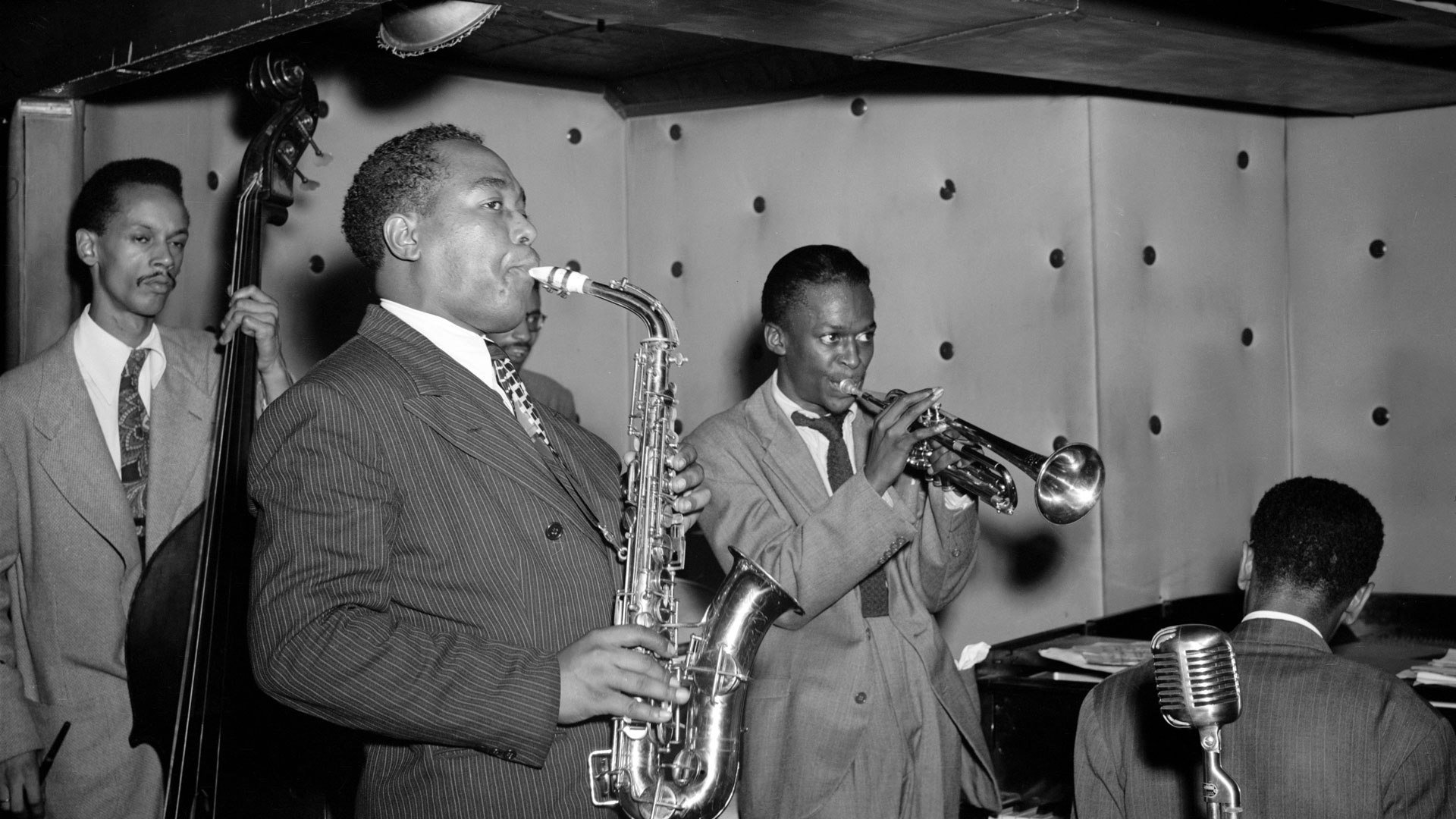
African American musicians have shaped the global soundscape through genres like jazz, blues, and hip-hop. Their contributions are foundational to modern music, reflecting a journey of resilience, innovation, and cultural expression that continues to influence contemporary technology, social movements, and the international music industry's economic structures in the current 2026 landscape.
Historical Foundations: From Spirituals to the Birth of Jazz and Blues
The journey of the African American musician began with the preservation of West African rhythmic and melodic traditions under the constraints of enslavement. These traditions evolved into spirituals and work songs, which served as both a means of survival and a complex system of communication. The technical foundation of this music relied on polyrhythms, call-and-response patterns, and the use of the "blue note"—a note sung or played at a slightly lower pitch than that of the major scale for emotional effect.
By the late 19th and early 20th centuries, these elements coalesced into the blues and ragtime. The blues provided a structural framework (often the 12-bar blues) that allowed for deep improvisation, a characteristic that would become the hallmark of the African American musical identity. Ragtime, pioneered by figures like Scott Joplin, introduced sophisticated syncopation to piano music, challenging the formal structures of European classical traditions.
As the Great Migration moved millions of Black Americans from the rural South to urban centers in the North and West, these sounds transformed. In New Orleans, the fusion of brass band traditions, blues, and ragtime gave birth to jazz. Musicians like Louis Armstrong revolutionized the role of the soloist, moving jazz from a collective improvisation to a showcase of individual virtuosity. This era established the African American musician as a primary architect of American popular culture, even as they faced systemic segregation and limited access to the wealth their creations generated.
The Mid-20th Century: Rock and Roll, Soul, and Social Change
The mid-20th century marked a pivotal shift where African American musicians began to dominate the airwaves and influence the social fabric of the United States. The 1940s and 50s saw the transition from "race records" to Rhythm and Blues (R&B), a genre that combined the soulful depth of the blues with the driving energy of the electric guitar. Musicians like Sister Rosetta Tharpe and Chuck Berry provided the blueprint for rock and roll, a genre that would eventually take the world by storm.
During the 1960s, the Civil Rights Movement found its soundtrack in the voices of African American artists. Motown Records, founded by Berry Gordy Jr. in Detroit, became "The Sound of Young America," proving that Black-owned enterprises could achieve unprecedented commercial success. Meanwhile, artists like Nina Simone and James Brown used their platforms to address racial injustice directly. Brown’s "Say It Loud – I'm Black and I'm Proud" became an anthem of empowerment, demonstrating the musician's role as a cultural leader and political influencer.
The technical complexity of this era cannot be overstated. The emergence of "The Funk"—characterized by an emphasis on "the one" (the first beat of the measure)—introduced a new rhythmic complexity that influenced everything from disco to heavy metal. Soul music, led by figures such as Aretha Franklin and Marvin Gaye, integrated gospel techniques with secular themes, creating a sophisticated musical language that remains the standard for vocal excellence in 2026.
The Digital Revolution: Hip Hop’s Global Hegemony
Since its inception in the Bronx in the 1970s, hip hop has grown from a localized youth movement into the most dominant musical force in the world. The African American musician in this space transitioned from being a performer to a multi-disciplinary creator—acting as a producer, poet, technologist, and entrepreneur. The technical innovation of "sampling"—recontextualizing snippets of existing recordings—redefined the concept of musical composition and copyright law.
In the decades leading up to 2026, hip hop has integrated with every other genre, from country to electronic dance music. The rise of independent distribution platforms allowed African American musicians to bypass traditional gatekeepers. This democratization of music production meant that an artist could record a hit in a home studio and reach a global audience without a major label's backing.
However, this digital shift also brought new challenges. While visibility increased, the economics of streaming services often disadvantaged creators. Musicians in 2026 have had to become experts in "platform literacy," managing their brand across social media, virtual reality performances, and decentralized finance (DeFi) systems to ensure they receive fair compensation for their work.
Navigating the Modern Industry: Economics and Representation in 2026
The professional landscape for African American musicians in 2026 is defined by a push for equity in ownership and representation. Historically, many Black artists lost control of their master recordings and publishing rights through predatory contracts. Today, there is a significant movement toward "artist-centric" models where musicians retain 100% of their intellectual property.
Representation in executive suites has also become a critical focus. Organizations like the Black Music Action Coalition have worked to ensure that the individuals making decisions at major labels, streaming services, and award bodies reflect the diversity of the artists they represent. This shift has led to more transparent royalty reporting and increased investment in Black-owned music technology startups.
| Musical Era | Key Genre Focus | Primary Technical Innovation | Cultural Impact |
|---|---|---|---|
| Late 1800s - 1920s | Blues, Ragtime, Early Jazz | Syncopation & Blue Notes | Formalized African American folk traditions |
| 1940s - 1960s | R&B, Rock & Roll, Soul | Electric Guitar Integration & "The One" | Provided the soundtrack for Civil Rights |
| 1970s - 1990s | Funk, Disco, Early Hip Hop | Sampling & Turntablism | Redefined composition and copyright |
| 2000s - 2020s | Modern Hip Hop, Trap, R&B | Auto-Tune & Digital Distribution | Global dominance of Black urban culture |
| Current (2026) | Genre-fluid, AI-integrated | Neural Audio Synthesis & VR Concerts | Focus on ownership and DeFi royalties |
Technical and Educational Pathways for Musicians
For the modern African American musician, the path to success often involves a blend of formal education and grassroots technical mastery. Historically Black Colleges and Universities (HBCUs) have played a vital role in this development, offering prestigious music programs that emphasize both the classical canon and the rich history of Black music. Institutions like Howard University and Morehouse College continue to produce world-class composers, conductors, and performers.
In 2026, the curriculum has expanded to include "Music-Tech" degrees. These programs focus on:
- Neural Audio Synthesis: Using AI to create new sounds or reconstruct historical instrumentations.
- Digital Rights Management (DRM): Understanding smart contracts on the blockchain to automate royalty payments.
- Immersive Audio: Mastering Dolby Atmos and spatial audio formats for virtual reality environments.
Self-taught musicians also remain a cornerstone of the industry. The "bedroom producer" phenomenon has evolved, with many artists utilizing advanced software like Ableton Live or Logic Pro to compete with high-budget studio productions. The ability to troubleshoot hardware, manage home network security for unreleased files, and edit high-definition video for social promotion has made the 2026 musician a "full-stack" creative professional.
Overcoming Systematic Barriers in Publishing and Ownership
A recurring theme for African American musicians is the struggle for control over their artistic output. The "master recording" is the most valuable asset a musician can own, as it dictates who profits from every stream, sync license (for films or commercials), and physical sale. Historically, labels would provide large advances in exchange for permanent ownership of these masters.
In 2026, the strategy has shifted toward "Leasing and Licensing." Instead of selling their rights, musicians license their music to labels for a specific term (e.g., 5 to 10 years), after which all rights revert to the artist. This model, popularized by high-profile advocacy from veteran artists, has become the standard for new talent.
Furthermore, the integration of Artificial Intelligence has introduced new legal frontiers. Musicians are now utilizing "voice modeling" licenses, where they charge companies to use an AI-generated version of their vocal likeness. This requires a deep understanding of personality rights and the ability to verify the authenticity of digital assets through encrypted watermarking.
How do African American musicians protect their intellectual property in 2026?
Musicians utilize a combination of traditional copyright registration with the U.S. Copyright Office and modern blockchain-based timestamping. In 2026, many artists use smart contracts to automatically distribute royalties to every collaborator (producers, songwriters, engineers) the moment a track is streamed, reducing the need for manual accounting and third-party auditors.
What is the role of HBCUs in the modern music industry?
HBCUs remain critical hubs for talent development, blending traditional music theory with the "Black music aesthetic." They provide networking opportunities with industry veterans and often house specialized archives and technology labs that allow students to study the technical evolution of Black genres while preparing for the 2026 digital economy.
How has AI impacted the work of African American musicians?
AI is used as a tool for creativity, such as generating complex drum patterns or assisting in the mixing process. However, it also poses a risk regarding "digital replication." To combat this, musicians are increasingly using "authorized AI" platforms where they can train models on their own discography to maintain artistic control over AI-generated content.
Are there specific grants available for Black musicians?
Yes, various organizations offer financial support specifically for African American artists to help bridge the wealth gap in the industry. Foundations such as the MusiCares program and specialized initiatives by the National Endowment for the Arts (NEA) provide funding for recording, touring, and healthcare.
What are "Sync Rights," and why are they important?
Sync rights (synchronization rights) refer to the permission to use a piece of music in visual media like films, TV shows, or advertisements. For many musicians in 2026, sync licensing is more lucrative than streaming, as it provides high upfront fees and introduces their music to massive new audiences globally.
Strategic Actions for Emerging Musicians
For an African American musician entering the industry in 2026, the focus must be on long-term sustainability rather than short-term viral success. Success is now measured by the "Core Fan" metric—building a dedicated audience that supports the artist directly through subscriptions, merchandise, and live events.
First, prioritize intellectual property education. Before signing any agreement, consult with a specialized entertainment attorney who understands the nuances of 2026 digital rights. Second, invest in technical versatility. A musician who can produce their own tracks and manage their own digital presence is less vulnerable to industry exploitation. Finally, engage in community-building. Joining organizations like the Recording Academy or local musician unions provides a collective voice to advocate for fairer industry standards and better access to resources.