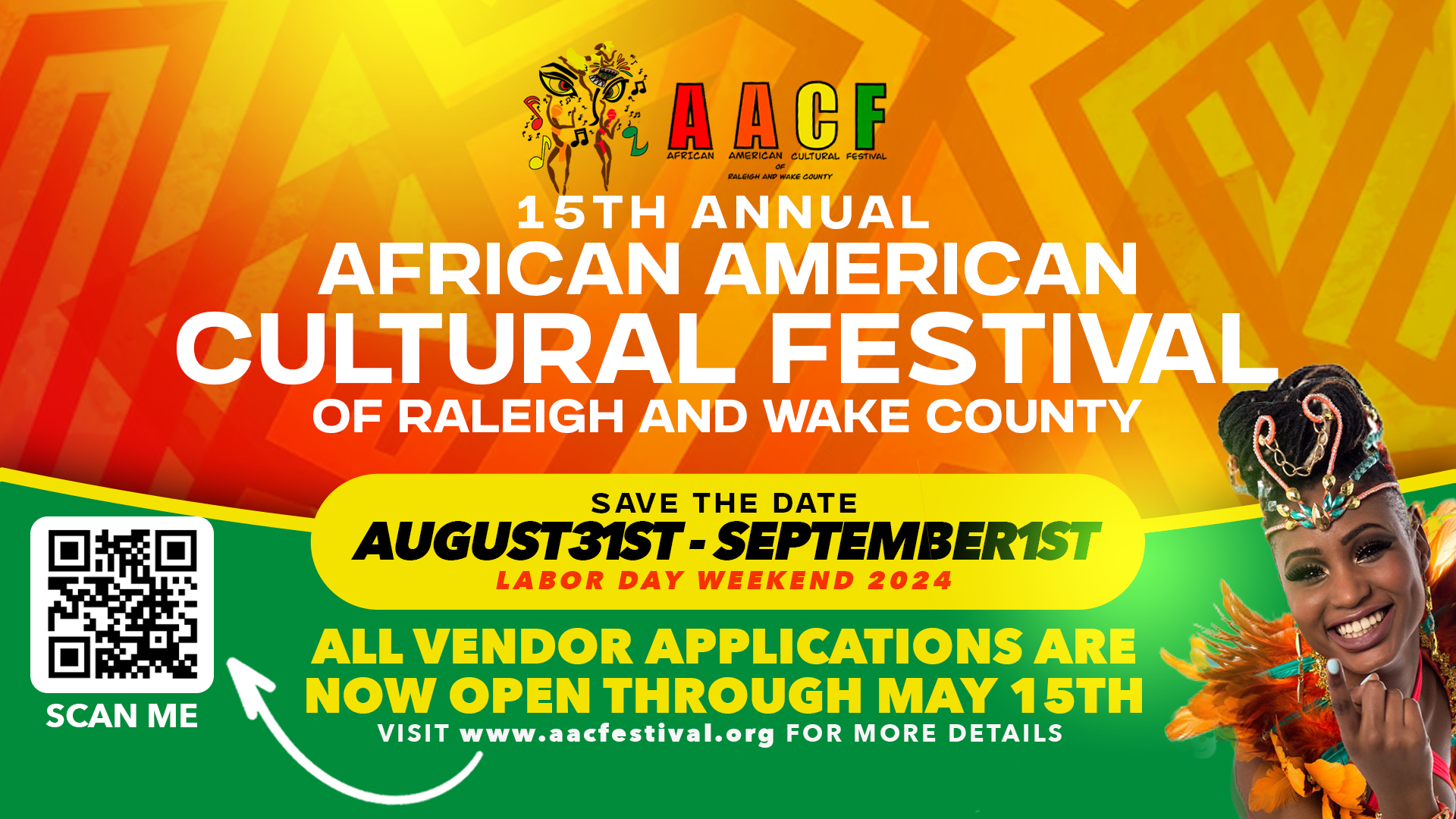
An African American event planner provides specialized professional services that combine technical event logistics with deep cultural intelligence. These professionals manage everything from large-scale corporate conferences to intimate milestone celebrations, ensuring that cultural nuances, vendor diversity, and inclusive design are integrated seamlessly into the event’s execution and overall attendee experience.
The Evolving Role of African American Event Planners in 2026
In 2026, the role of an African American event planner has transcended traditional logistics management to become a position of strategic cultural consultancy. While the core responsibilities—budgeting, site selection, and vendor management—remain foundational, there is an increased emphasis on "experiential equity." This involves designing environments where diverse audiences feel represented, respected, and engaged.
The event planning industry has seen a significant shift toward personalization. Modern planners are no longer just organizers; they are storytellers who use physical space, digital integration, and sensory elements to reflect the heritage and values of their clients. For African American professionals in this field, this often means navigating the intersection of corporate professionalism and cultural authenticity. They serve as a bridge, ensuring that traditional customs are honored while meeting the high-tech, high-efficiency demands of 2026's event landscape.
Furthermore, the rise of Environmental, Social, and Governance (ESG) criteria in the corporate world has placed African American planners at the forefront of the industry. Companies seeking to fulfill DEI (Diversity, Equity, and Inclusion) mandates often look to these professionals to curate diverse vendor pipelines, ensuring that event spends circulate within minority-owned businesses and support local community ecosystems.
Core Competencies and Cultural Intelligence (CQ)
Hiring an African American event planner offers a distinct advantage in Cultural Intelligence (CQ). This is the ability to function effectively across various cultural contexts, and it is a critical skill for events that aim to be inclusive or specifically celebrate Black excellence.
Mastery of Cultural Nuance
Cultural nuance in event planning extends far beyond aesthetic choices. It encompasses the understanding of social dynamics, dietary traditions, and historical significance. For instance, a planner specializing in African American galas understands the importance of "The Divine Nine" (historically Black Greek Letter Organizations) protocols, the specific pacing of religious-affiliated ceremonies, or the culinary requirements for soulful yet modern catering.
Vendor Network Diversity
One of the primary reasons clients seek out African American planners is their established networks of minority-owned vendors. These planners often have "black books" filled with talented caterers, photographers, florists, and lighting technicians who might be overlooked by mainstream agencies. By leveraging these networks, planners help clients bypass the "homogeneity trap," resulting in events that feel fresh, authentic, and socially responsible.
Navigating Intersectionality
In 2026, events are increasingly intersectional. A professional planner must understand how race, gender, and socioeconomic status overlap to influence an attendee's experience. African American planners are often uniquely positioned to navigate these complexities, ensuring that programming is accessible and that marketing materials resonate with a broad spectrum of the Black diaspora, including Caribbean, African, and Afro-Latinx influences.
Professional Standards and Industry Credentials
While cultural expertise is a major draw, technical proficiency remains the primary metric for success. In 2026, the industry standard for event planning continues to be rigorous. When vetting a professional, it is essential to look for specific certifications that validate their expertise in logistics and risk management.
- Certified Meeting Professional (CMP): Recognized globally as the badge of excellence in the events industry, this certification requires years of experience and a comprehensive exam covering everything from financial management to site design.
- Certified Special Events Professional (CSEP): This designation focuses on the creative and strategic aspects of special events, emphasizing the ability to manage complex productions and diverse teams.
- Digital Event Strategist (DES): Given the hybrid nature of 2026 events, many African American planners hold this certification to demonstrate their ability to manage virtual platforms alongside physical gatherings.
Membership in professional organizations such as the Association of African American Event Professionals (AAAEP) or Meeting Professionals International (MPI) also indicates a commitment to ongoing education and industry advocacy. These organizations provide planners with the latest data on market trends, security protocols, and sustainable practices.
Strategic Selection: Comparing Service Models
Choosing the right planner depends on the scope of the event and the level of involvement required. The following table outlines the typical service tiers offered by top-tier African American event firms in 2026.
| Service Tier | Best For | Key Deliverables | Typical Engagement Period |
|---|---|---|---|
| Full-Service Planning | Large-scale weddings, corporate summits, galas. | Budgeting, vendor sourcing, design, RSVP management, on-site execution. | 12 to 18 months |
| Cultural Consulting | Brands looking to market to Black audiences authentically. | Strategy sessions, audience analysis, vendor referrals, sensitive messaging review. | 3 to 6 months |
| Management & Coordination | Clients who have booked vendors but need professional "day-of" execution. | Timeline creation, vendor check-ins, floor plan management, crisis mitigation. | 1 to 3 months |
| Boutique Design | High-end milestone events (anniversaries, private retreats). | Custom aesthetic blueprints, luxury sourcing, travel logistics, concierge services. | 6 to 12 months |
The Impact of Diversity on the Event Supply Chain
When you hire an African American event planner, the economic impact extends far beyond a single contract. These professionals act as gatekeepers to a diverse economy. In 2026, the "multiplier effect" of minority-owned businesses is well-documented; for every dollar spent with a Black-owned planning firm, a significant portion is typically reinvested into other minority-owned enterprises.
This social impact is particularly relevant for non-profits and government agencies that have specific mandates to support Small Disadvantaged Businesses (SDBs). However, even for private individuals, this choice reflects a commitment to equity. It ensures that the creative talent behind the scenes—from the graphic designers who create the invitations to the AV technicians who manage the sound—is as diverse as the community the event serves.
Furthermore, a planner with a diverse worldview is less likely to fall into the trap of "performative diversity." They ensure that representation is woven into the fabric of the event—through the selection of keynote speakers, the music choices, and even the layout of the room—rather than being an afterthought or a "token" inclusion.
Technical Execution and Modern Risk Management
Modern event planning is a high-stakes environment involving complex technology and stringent safety regulations. African American event planners in 2026 are highly skilled in the technical aspects of production.
- Risk Mitigation and Safety: Planners are responsible for crowd control, emergency medical plans, and cybersecurity for event apps. They work closely with venues to ensure all fire codes and ADA (Americans with Disabilities Act) requirements are met, protecting the client from legal liability.
- Budget Optimization: Using advanced AI-driven budgeting software, planners can predict cost fluctuations in real-time. This is crucial in a 2026 economy where supply chain shifts can impact floral or catering costs overnight.
- Sustainable Practices: There is a growing demand for "zero-waste" events. Planners must now navigate the logistics of composting, digital-only collateral, and sourcing carbon-neutral venues.
- Hybrid Integration: Most events in 2026 have a digital component. Planners must manage high-speed internet requirements, live-streaming synchronization, and engagement tools for remote participants to ensure a cohesive experience for both in-person and virtual attendees.
Common Pitfalls to Avoid When Hiring
A frequent mistake is choosing a planner based solely on their social media portfolio. While aesthetics are important, they do not guarantee operational success. Potential clients should ask for "post-event reports" or case studies that demonstrate how a planner handled a crisis, such as a vendor no-show or a sudden change in weather.
Another pitfall is failing to define the scope of work clearly. A "wedding planner" and a "wedding coordinator" have different roles. The former is involved in the creative and strategic process from day one, while the latter typically steps in during the final weeks to ensure the client's pre-made plans are executed smoothly.
How to Verify a Planner’s Reputation
Before signing a contract, verify the planner’s business license and professional liability insurance. In the 2026 market, reputable planners should also be able to provide testimonials that specifically mention their communication style, transparency in billing, and ability to stay within budget. Organizations like the National Association for Catering and Events (NACE) provide directories where you can verify the standing of many top-tier professionals.
FAQs About African American Event Planners
Why should I prioritize hiring an African American event planner for a corporate event?
Hiring an African American planner for corporate events ensures a higher level of cultural competency, which is vital for internal DEI initiatives and external brand representation. These professionals help avoid cultural appropriation and ensure that diverse audiences feel genuinely included. They also facilitate connections with minority-owned vendors, helping companies meet their ESG and diversity spend goals.
Is there a price difference when hiring a specialized cultural event planner?
Generally, professional fees are based on the scope of work and experience level rather than cultural specialization. However, a planner who offers deep cultural consulting may charge a premium for that specific expertise, as it adds a layer of strategic value that a generalist might not provide. Pricing models typically range from flat fees (10-20% of the total budget) to hourly rates or per-project retainers.
Can an African American event planner manage events for non-Black clients?
Absolutely. Professional event planners are trained to manage a wide variety of events regardless of the client's background. Their unique perspective often brings a fresh, innovative approach to mainstream events, providing a competitive edge in design and attendee engagement that transcends any single demographic.
Where can I find a directory of certified Black event professionals?
Several organizations maintain databases of minority event professionals. The Association of African American Event Professionals (AAAEP) is a primary resource. Additionally, the National Minority Supplier Development Council (NMSDC) maintains records of certified minority-owned businesses that include event planning firms and related services.
Establishing a Successful Partnership
To ensure the success of your event, the relationship between the client and the planner must be built on transparency. Start by providing a clear budget range and a list of "non-negotiables." An experienced African American event planner will use this information to build a realistic framework, advising you on where to invest and where to save to achieve the maximum impact.
When interviewing candidates, focus on their communication tools. Do they use project management software like Basecamp or Trello? How do they handle contract negotiations with venues? The best planners are those who combine a visionary creative eye with the disciplined, methodical approach of a project manager. By selecting a professional who understands both the technical requirements of 2026 and the cultural nuances of your specific audience, you ensure an event that is not only well-executed but also meaningful and memorable.