Planning Africa visits in 2026 requires navigating a diverse landscape of 54 independent nations, each with distinct entry protocols, health mandates, and transport infrastructures. Success depends on securing digital e-visas through official government portals, verifying mandatory Yellow Fever vaccinations, and selecting regional hubs like Addis Ababa, Nairobi, or Johannesburg to facilitate efficient cross-border movement.
The Evolving Landscape of African Travel in 2026
As of 2026, the movement of people across the African continent has undergone a significant transformation driven by the African Union’s Agenda 2063. The primary goal of these initiatives is to foster greater integration, making "Africa visits" more streamlined for both international tourists and business travelers. While a single "African Passport" for all global visitors remains a long-term aspiration, the proliferation of regional visa blocs and digital entry systems has drastically reduced the administrative burden for travelers.
Current data from the African Development Bank indicates that visa openness has reached record highs. Many nations have moved toward "visa-on-arrival" or "visa-free" status for a broader range of nationalities, particularly for travelers from other African nations and major global economies. However, for the international visitor, the landscape is still segmented into specific regional protocols that dictate how one must prepare for a multi-country itinerary.
Travelers must distinguish between the five major regions: North, East, West, Central, and Southern Africa. Each region offers a different level of infrastructure and different regulatory hurdles. For instance, East Africa has led the way in digital integration, while parts of Central Africa still require more traditional, consulate-based application processes. Understanding these nuances is the first step in ensuring a seamless visit.
Navigating Visa Requirements and Digital Entry Systems
The most critical component of planning Africa visits is the visa application process. By 2026, the majority of high-traffic tourism destinations have transitioned to fully functional e-visa systems. These platforms allow travelers to submit documentation, pay fees, and receive authorization electronically before departure.
The East Africa Tourist Visa
One of the most successful implementations of regional cooperation is the East Africa Tourist Visa. This single permit allows multiple entries into Kenya, Rwanda, and Uganda. It is an ideal solution for those planning a "visit Africa" itinerary that includes mountain gorilla trekking in Rwanda, a safari in the Maasai Mara, and a cultural tour of Kampala. This visa is typically valid for 90 days and cannot be extended.
Southern Africa and the KAZA Univisa
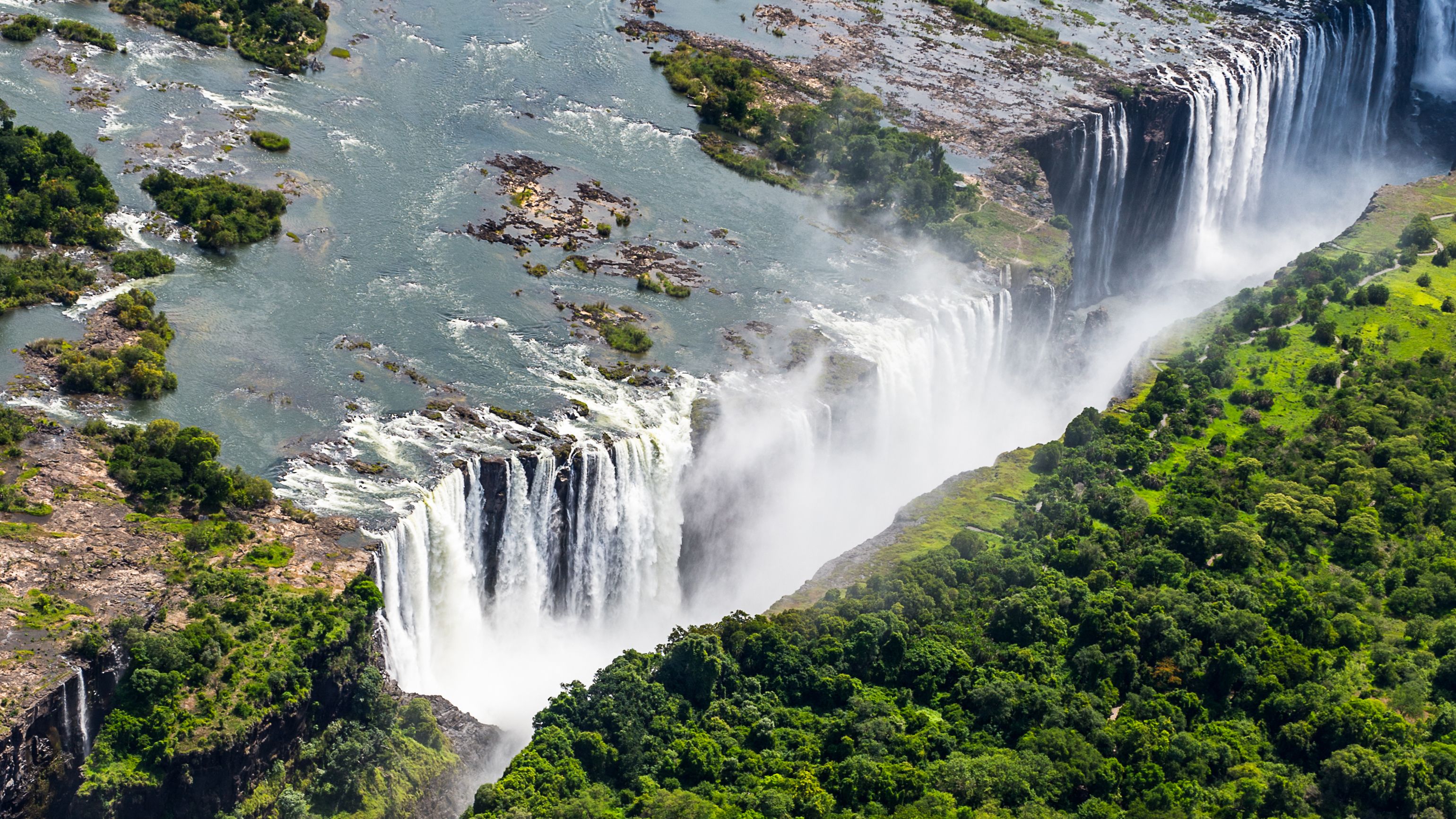
In Southern Africa, the KAZA (Kavango-Zambezi) Univisa remains a staple for those visiting the Victoria Falls region. It allows travelers to cross between Zimbabwe and Zambia multiple times, and even permits day trips into Botswana via the Kazungula border. As of 2026, there are ongoing discussions to expand this permit to include Namibia and Angola, further simplifying travel in the southern cone.
E-Visa Best Practices
When applying for e-visas, travelers must use official government domains. Third-party agencies often charge exorbitant "service fees" without providing any expedited processing. Verified portals, such as those managed by the Directorate of Immigration Services in Kenya or the South African Department of Home Affairs, provide the most accurate fee schedules and processing times. Always print a physical copy of your e-visa approval, as some regional border posts may still require a hard copy for their records despite the digital system.
Essential Health Protocols and Vaccination Mandates
Health security remains a cornerstone of Africa visits. Unlike travel in Europe or North America, many African nations have strict health entry requirements that are non-negotiable.
Yellow Fever Certification
The "Yellow Card" or International Certificate of Vaccination or Prophylaxis (ICVP) is the most important document in your health portfolio. Many countries, particularly in West and Central Africa, require proof of Yellow Fever vaccination for all incoming travelers. Even in countries where the disease is not endemic, such as South Africa, officials will demand the certificate if you are arriving from a country that is within the Yellow Fever belt.
Malaria Prophylaxis and Prevention
Malaria remains prevalent in many parts of Sub-Saharan Africa. In 2026, while progress has been made with the rollout of the R21/Matrix-M vaccine in several nations, it is primarily targeted at children in high-burden areas. International visitors are still advised to consult with a travel clinic regarding chemoprophylaxis (such as Malarone or Doxycycline). Prevention through the use of DEET-based repellents and mosquito nets is equally vital, especially during the rainy seasons when mosquito populations surge.
Water and Food Safety
In major urban centers like Cairo, Cape Town, or Kigali, tap water is often treated to international standards. However, for the vast majority of "Africa visits," bottled or filtered water is recommended. Travelers should be aware of "Traveler's Diarrhea" and carry basic rehydration salts and antibiotics as prescribed by their physician.
Regional Travel Logistics and Connectivity
The logistics of moving between countries can be one of the most challenging aspects of Africa visits. The continent is vast, and ground transportation between distant regions is often impractical for those on a limited timeframe.
Aviation Hubs
Air travel is the primary method for long-distance transit. Three major airlines dominate the landscape in 2026:
- Ethiopian Airlines: Operating out of Addis Ababa (Bole International Airport), it offers the most comprehensive network across the continent.
- Kenya Airways: A primary hub for East and Central Africa via Nairobi (Jomo Kenyatta International Airport).
- South African Airways & Airlink: Vital for connecting the Southern African Development Community (SADC) region.
Direct flights between West and East Africa have improved, but many travelers may still find themselves routing through a major hub. For example, flying from Lagos to Nairobi is significantly easier than it was a decade ago, thanks to the Single African Air Transport Market (SAATM) initiative.
Ground Transportation and Infrastructure
While air travel is king, ground infrastructure is improving. The Standard Gauge Railway (SGR) in East Africa provides a reliable link between Mombasa and Nairobi. In North Africa, high-speed rail connects major Moroccan cities like Tangier and Casablanca. For intra-city travel, ride-hailing apps like Uber and Bolt are widely available in cities like Johannesburg, Lagos, and Accra, offering a safer and more transparent alternative to traditional taxis.
| Region | Primary Hub | Visa Ease (2026) | Primary Health Concern | Popular Attractions |
|---|---|---|---|---|
| East Africa | Nairobi / Addis Ababa | High (E-visa / Regional) | Malaria / Yellow Fever | Serengeti, Kilimanjaro |
| Southern Africa | Johannesburg | Moderate (E-visa) | Water Safety (limited areas) | Kruger Park, Table Mountain |
| North Africa | Cairo / Casablanca | High (E-visa / On Arrival) | Food-borne Illness | Pyramids, Atlas Mountains |
| West Africa | Lagos / Accra | Moderate (Varies) | Yellow Fever (Mandatory) | Slave Coast History, Markets |
| Central Africa | Libreville | Low (Consular focus) | Tropical Diseases | Primate Trekking, Rainforests |
Safety, Security, and Ethical Considerations
Safety during Africa visits is often a primary concern for first-time travelers. While most visits are trouble-free, a nuanced approach to security is required.
Personal Safety and Situational Awareness
Crime in major metropolitan areas is often opportunistic. Travelers are advised to avoid displaying expensive jewelry or electronics in crowded market areas. Using hotel safes for passports and excess cash is standard practice. In 2026, local authorities in many tourism-heavy zones have established "Tourism Police" units specifically to assist international visitors and ensure their safety at major landmarks.
Geopolitical Stability
Before any visit, it is essential to check current travel advisories from sources like the U.S. Department of State or the UK Foreign, Commonwealth & Development Office. While countries like Namibia, Botswana, and Rwanda are consistently ranked among the safest in the world, other regions may experience localized instability. It is important to distinguish between a country as a whole and specific border regions where travel might be discouraged.
Ethical Tourism and Sustainability
In 2026, the trend of "impact travel" has gained significant traction. Visitors are encouraged to seek out community-owned lodges and tour operators that reinvest profits into local conservation or education. When visiting wildlife reserves, adherence to "Leave No Trace" principles is mandatory. Furthermore, the use of plastic has been strictly regulated; for example, Kenya and Rwanda have long-standing bans on single-use plastic bags, and travelers found with them can face fines.
Cost Considerations and Currency Management
Budgeting for Africa visits varies wildly depending on the style of travel. While countries like Egypt and Ethiopia can be very affordable for budget travelers, high-end safaris in Botswana or the Serengeti can cost upwards of $1,000 USD per night.
Currency and Payments
While the US Dollar and Euro are widely accepted for large expenses like park fees or luxury hotels, local currency is essential for markets and small shops. In 2026, mobile money (such as M-Pesa in East Africa) has become a dominant force. While international tourists may not always be able to register for local mobile money accounts easily, many vendors now accept international credit cards (Visa and Mastercard) through mobile point-of-sale systems.
Always inform your bank of your travel plans to prevent card blocks. It is also wise to carry a "backup" supply of crisp, new-series US Dollar bills (dated 2013 or later), as many exchange bureaus and government offices will reject older or damaged notes.
Tipping Customs
Tipping is a standard part of the service economy in most African tourism sectors. For safari guides, a tip of $10-$15 per person per day is customary. In restaurants, 10% is the standard. In some North African countries, "Baksheesh" (a small tip for a service) is a deeply ingrained cultural practice that visitors should be prepared for.
Frequently Asked Questions
Do I need a different visa for every African country?
Yes, in most cases. While regional permits like the East Africa Tourist Visa exist, most of the 54 countries require their own specific visa. You should check the requirements for every single country on your itinerary, including transit countries if you plan to leave the airport.
Is it safe to go on a self-drive safari?
Self-drive safaris are very popular and safe in countries with excellent infrastructure like South Africa, Namibia, and Botswana. However, in East or West Africa, road conditions and navigation can be much more challenging, and hiring a professional driver/guide is generally recommended for safety and a better wildlife viewing experience.
Can I use my smartphone for navigation and payments?
Yes, smartphone penetration is high across the continent. You can purchase local SIM cards at most international airports for a low cost. Apps like Google Maps are reliable in urban areas, and ride-hailing apps are the safest way to navigate cities. For payments, while cards are common in cities, always carry cash for rural areas.
What is the best time of year for Africa visits?
The "best" time depends on your goals. For wildlife viewing in East and Southern Africa, the dry season (June to October) is ideal as animals congregate around water holes. For North Africa, the cooler months (October to April) are more comfortable for exploring historical sites.
Are vaccinations mandatory for entry?
The Yellow Fever vaccination is the most common mandatory requirement, especially if you are traveling between African countries. Some countries may also require proof of polio or meningitis vaccination depending on current health alerts in 2026. Always check the official health portal of your destination country at least 8 weeks before travel.
Final Recommendations for a Successful Visit
To ensure your Africa visits in 2026 are successful, begin your planning by categorizing your trip into "Administrative," "Medical," and "Logistical" phases. Start the administrative process at least three months in advance to account for any visa processing delays. Consult a specialized travel clinic to finalize your medical preparations, ensuring all vaccinations are documented in your Yellow Card.
Finally, prioritize flexibility. Travel in Africa can be unpredictable due to weather or local schedule changes. By choosing established regional hubs and using reputable tour operators, you can mitigate risks while enjoying the unparalleled cultural and natural richness of the continent. For the most up-to-date regional advice, always refer to the official tourism boards of your specific destination countries.