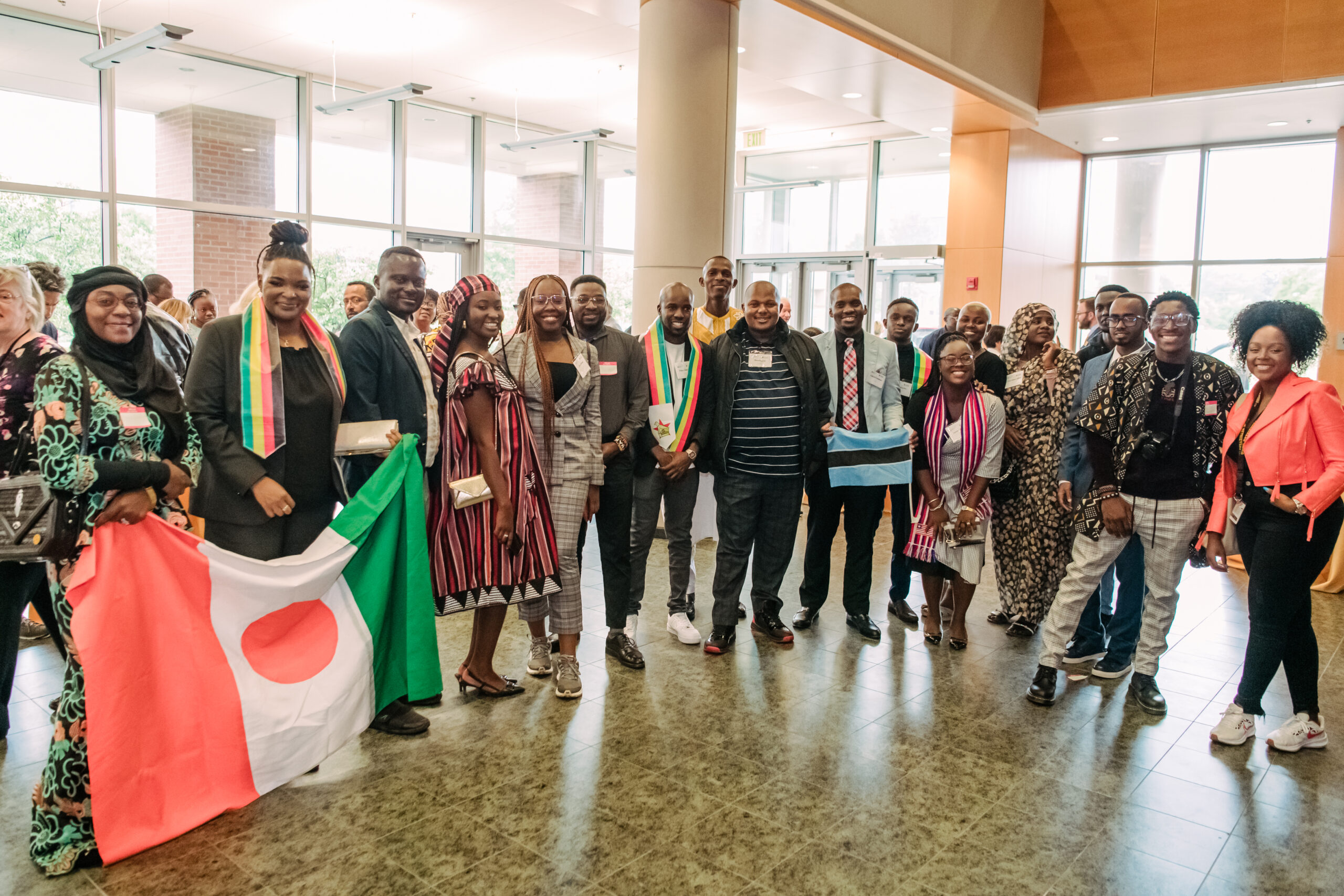
Africa engagement in 2026 refers to the coordinated strategies, partnerships, and operational frameworks utilized by international, governmental, and private sector entities to facilitate economic, humanitarian, and diplomatic collaboration across the continent. It encompasses the alignment of foreign policy, trade agreements, and sustainable development initiatives that prioritize localized infrastructure growth, regulatory compliance, and cross-border knowledge exchange.
The Evolution of Africa Engagement Strategies
Modern engagement with African nations has shifted from traditional aid-based models toward institutional partnerships and direct foreign investment (DFI) that prioritize sustainable economic sovereignty. As of 2026, the focus lies in fostering "mutually beneficial" ecosystems where international actors provide the technical expertise and capital necessary to scale local innovations, particularly in the tech, renewable energy, and agricultural sectors.
Effective engagement requires navigating a complex landscape of regional blocs, such as the African Continental Free Trade Area (AfCFTA). Organizations must understand that engagement is not a monolithic effort but a series of distinct interactions tailored to the unique economic realities of individual nations and regional economic communities (RECs). Success is increasingly measured by the capacity to integrate into regional value chains rather than merely extracting resources or providing temporary relief.
Navigating Regulatory and Compliance Frameworks
Before initiating any engagement project, entities must perform rigorous due diligence regarding local legal requirements. Compliance standards have tightened significantly as nations harmonize their regulatory environments to attract stable, long-term capital.
- AfCFTA Compliance: Familiarize your organization with the protocols governing the free movement of goods, services, and people. Understanding the "rules of origin" is essential for any entity planning to utilize the regional trade bloc to facilitate supply chain logistics.
- Local Content Laws: Many jurisdictions have enacted strict local content requirements. These mandate that a specific percentage of a project’s workforce, materials, or ownership must be held by local citizens or entities. Ignoring these statutes often leads to licensing delays, litigation, or outright project rejection.
- Financial Transparency: Engagement often involves complex cross-border financial transactions. Adhering to the anti-money laundering (AML) and "know your customer" (KYC) standards established by regional central banks is non-negotiable for maintaining operational licenses in 2026.
Comparison of Engagement Modalities
Choosing the appropriate modality for engagement depends on the objective—whether it is commercial expansion, policy advocacy, or development assistance. The following table contrasts the primary approaches used by international organizations today.
| Modality | Primary Driver | Risk Profile | Long-term Impact |
|---|---|---|---|
| Public-Private Partnerships (PPP) | Infrastructure | Moderate | High (Systemic) |
| Direct Foreign Investment | Profit/Market Share | High | Moderate (Enterprise) |
| Grant-Based Development | Social/Humanitarian | Low | Variable |
| Joint Ventures (JV) | Knowledge Transfer | Moderate | High (Operational) |
Prerequisites for Sustainable Operations
Engagement is frequently hampered by poor planning regarding the operational environment. To ensure continuity and impact, organizations must secure the following prerequisites prior to deployment:
- Regional Contextualization: Avoid the "pan-African" fallacy. A strategy that works in a stable, digitized economy like Mauritius or Kenya may not be applicable to the nascent markets of the Sahel or Central Africa. Conduct localized socio-economic audits.
- On-the-Ground Presence: Remote management is rarely sufficient for complex engagement. Establish permanent or semi-permanent local offices staffed by teams that understand local cultural norms, linguistic nuances, and community expectations.
- Risk Mitigation Strategy: Beyond standard political risk insurance, engagement requires a technical contingency plan. This includes securing secondary power sources, redundant digital communication channels, and logistics partnerships capable of navigating infrastructure gaps.
Overcoming Infrastructure and Logistical Challenges
The most significant barrier to effective engagement remains the physical and digital infrastructure gap. While "leapfrogging" technologies (such as mobile-first banking and satellite internet) have mitigated some traditional bottlenecks, supply chain volatility remains a reality in 2026.
Organizations should prioritize "plug-and-play" solutions. For instance, rather than attempting to build proprietary logistics networks, successful entities leverage existing local last-mile delivery services. Furthermore, digital infrastructure engagement must account for varying levels of grid reliability; designing hardware that functions effectively in low-bandwidth or intermittent-power environments is a critical technical requirement for success.
Strategic Communication and Stakeholder Alignment
Engagement is as much about perception as it is about operational output. Stakeholder alignment involves managing expectations with host governments, local communities, and internal investors simultaneously.
Use transparent, data-driven reporting to track progress against milestones. In 2026, there is a strong emphasis on Environmental, Social, and Governance (ESG) reporting. Stakeholders expect detailed metrics on how engagement projects are contributing to local job creation, carbon footprint reduction, and gender parity. Failing to document these impacts can result in a loss of "social license to operate," which often proves more damaging than regulatory friction.
FAQ: Common Concerns in Africa Engagement
What is the biggest mistake organizations make when entering African markets?
The most common mistake is the "copy-paste" approach—applying business models developed in Western or Asian markets without modifying them for local infrastructure, legal, or cultural realities. Successful engagement necessitates a ground-up redesign of products and services.
How does the AfCFTA impact my business strategy?
The AfCFTA reduces tariff and non-tariff barriers, effectively creating a unified continental market. For your strategy, this means you can consolidate manufacturing or service hubs in key countries and scale more efficiently across borders, provided you meet the unified rules of origin.
What role do regional hubs play in engagement?
Regional hubs (such as Lagos, Nairobi, Johannesburg, or Casablanca) serve as centers of gravity for finance, logistics, and human capital. They allow organizations to maintain a centralized management structure while still having the proximity required to respond to neighboring, smaller-market demands.
Are there specific risks I should prepare for in 2026?
Beyond standard macroeconomic volatility, monitor shifts in local digitalization policies and evolving tax treaties. Many African nations are updating their tax codes to specifically address digital services, which may impact your profit margins if not accounted for during the budgeting phase.
How do I measure the success of engagement initiatives?
Shift focus from output metrics (e.g., "amount invested") to outcome metrics (e.g., "number of local SMEs integrated into the supply chain" or "kWh of renewable energy generated"). These metrics align better with the developmental priorities of host nations and the global standards for sustainable investment.
Recommended Next Action
If your organization is currently in the planning phase, your immediate next action should be to conduct a "Regulatory and Logistics Readiness Audit." This document should aggregate all relevant local laws, tax obligations, and supply chain constraints specific to your sector in your target country. Do not move into the investment or deployment stage until this audit is reviewed and signed off by both legal counsel and a local representative with significant operational experience in that specific jurisdiction.