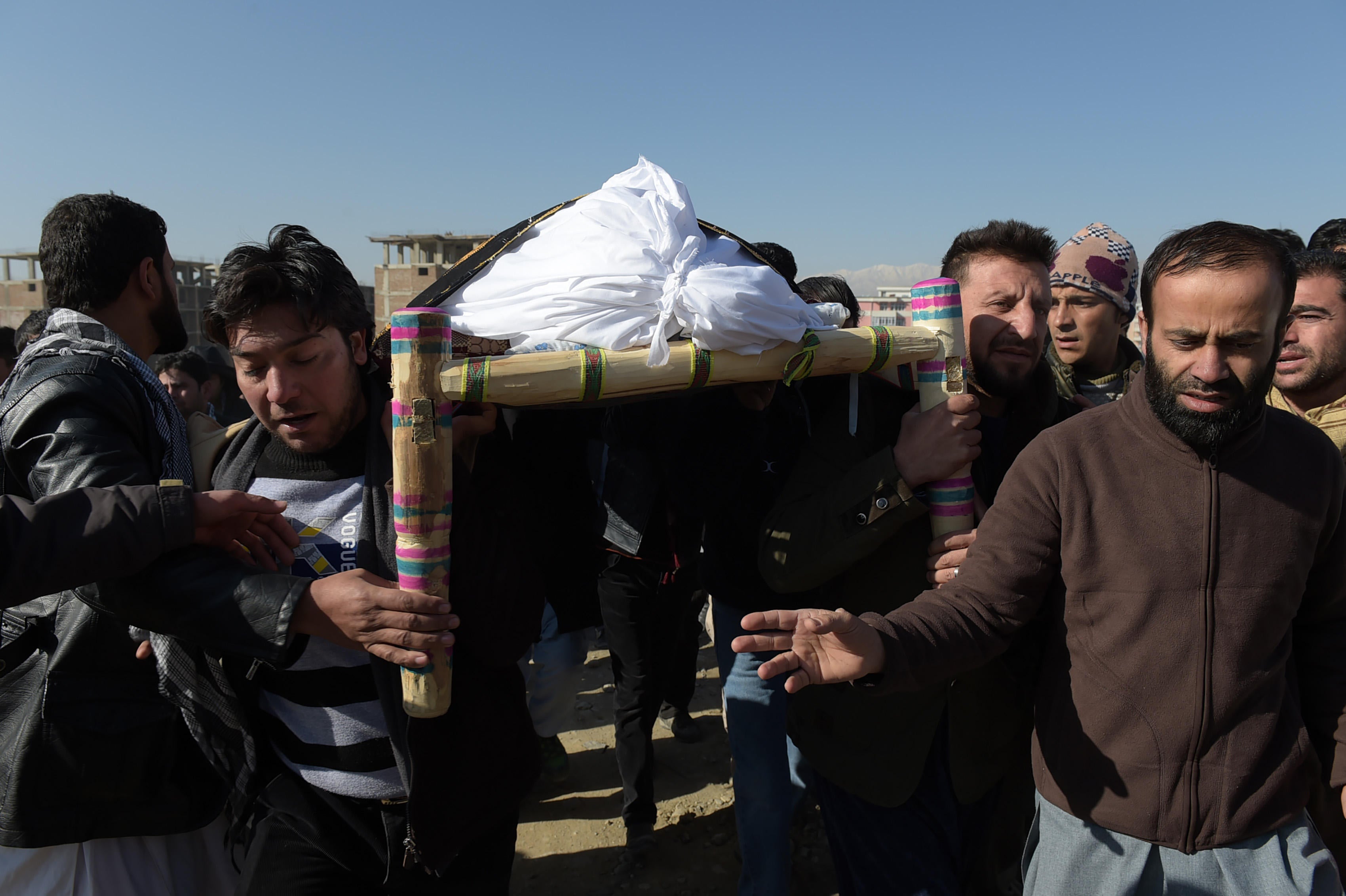
Tracking casualties from the conflict in Afghanistan requires synthesizing data from diverse sources, including military reports, non-governmental organizations, and international monitoring bodies. Because no single entity maintained a comprehensive, universally accepted database of all conflict-related deaths and injuries across the 20-year span (2001–2021), data sets vary significantly based on methodology, criteria for inclusion, and political perspective.
The Complexity of Data Collection
Quantifying casualties in a protracted, decentralized conflict is inherently difficult. In the context of Afghanistan, the lack of a centralized civilian death registration system, the prevalence of improvised explosive device (IED) attacks in rural areas, and the difficulty of verifying reports from conflict zones contributed to significant disparities in data. International military forces, such as the International Security Assistance Force (ISAF) and later Resolute Support, primarily tracked casualties involving their own personnel and, to a lesser extent, Afghan National Defense and Security Forces (ANDSF). Conversely, human rights organizations often focused on civilian impact, utilizing field interviews, local hospital records, and media reports to corroborate incidents.
Categorizing Conflict Casualties
To analyze the toll of the conflict, researchers typically divide casualties into three primary categories: coalition forces, Afghan security personnel, and civilians. Each group faced distinct risks and reporting structures.
International Coalition Personnel
The casualties among international troops are the most precisely recorded segment of the conflict. Because militaries maintain strict personnel records and operational logs, the figures for foreign soldiers are subject to high levels of verification. The U.S. Department of Defense and the United Kingdom’s Ministry of Defence maintain granular data on fatalities, distinguishing between "hostile" and "non-hostile" deaths. These statistics provide a baseline for the intensity of the conflict during various phases, such as the "Surge" period between 2009 and 2011.
Afghan National Defense and Security Forces (ANDSF)
The human cost to the Afghan army and police forces represents the largest share of uniformed casualties. However, these figures were often subject to operational sensitivity. Throughout the latter years of the conflict, Afghan government reporting fluctuated, occasionally omitting data to maintain morale or, conversely, highlighting losses to secure international funding and support. Estimates from bodies like the Special Inspector General for Afghanistan Reconstruction (SIGAR) often provide the most reliable independent oversight, though even these reports note the limitations of official data collection in remote Afghan provinces.
Civilian Casualties
Civilian casualties represent the most contentious and difficult data set. The United Nations Assistance Mission in Afghanistan (UNAMA) became the authoritative source for civilian impact data starting in 2009. Their methodology involved rigorous field verification and the exclusion of deaths that could not be corroborated by at least three independent sources. Despite this, UNAMA consistently warned that their figures were "conservative" and likely represented a minimum number of total incidents.
Comparative Data Overview
The following table highlights the nature of reporting across different segments of the conflict. Understanding these categories is essential for researchers looking to navigate the discrepancies between various historical reports.
| Casualty Group | Primary Reporting Body | Verification Challenges | Data Reliability |
|---|---|---|---|
| Coalition Forces | DoD / MoD | Minimal; strict personnel tracking | Very High |
| Afghan Security Forces | Ministry of Interior / Defense | Political suppression, log gaps | Moderate to High |
| Civilians | UNAMA / Human Rights NGOs | Access to remote areas, under-reporting | Moderate |
| Insurgents | Various Intelligence Estimates | Lack of formal reporting structure | Low |
Factors Influencing Data Discrepancies
When reviewing historical data, it is important to account for why different sources present conflicting numbers. The definition of a "casualty" often varies; some sources count only fatalities, while others include injuries and permanent disabilities. Furthermore, the political climate of the time heavily influenced the transparency of the data.
- Geographic Coverage: Many incidents in mountainous or insurgent-controlled regions were never reported to centralized authorities, leading to systemic under-counting in rural sectors.
- Methodological Differences: Some agencies include secondary deaths—those occurring from malnutrition or lack of healthcare infrastructure caused by the conflict—while others only count direct combat-related trauma.
- Timeframes: Reporting periods often vary by fiscal year, calendar year, or the duration of specific military mandates, making direct comparison across different studies difficult without careful normalization.
The Role of Independent Verification
Given the discrepancies, academic researchers and policy analysts often turn to academic longitudinal studies or long-standing human rights monitors. These entities serve as a check against official narratives. For instance, projects like the Costs of War at Brown University have synthesized government data with independent research to provide a comprehensive look at the total human toll, including the ripple effects on public health and mortality rates long after direct kinetic events occurred.
Addressing Common Research Queries
For those navigating these records, several recurring questions help clarify the scope of available information.
What is the primary source for civilian casualty statistics in Afghanistan?
The United Nations Assistance Mission in Afghanistan (UNAMA) is widely considered the gold standard for civilian casualty reporting. Between 2009 and 2021, they issued annual and quarterly reports based on systematic investigation and cross-referencing of reports from local communities, hospital records, and, where possible, site visits.
Why are there different numbers for Afghan military casualties?
Discrepancies often arise from how "missing in action," "desertion," and "killed in action" are categorized by different administrative branches. During the final years of the conflict, the Afghan government frequently restricted the release of casualty data to prevent discouraging recruitment and to manage public perception of the war's progress.
How do researchers define "hostile" versus "non-hostile" deaths?
"Hostile" deaths typically refer to casualties caused by enemy action, such as IEDs, small-arms fire, or rocket attacks. "Non-hostile" deaths include accidents, training mishaps, aviation crashes, and health-related incidents. Military records clearly distinguish these to allow for accurate assessment of operational risks versus equipment or training failures.
Are there estimates for insurgent casualties?
Insurgent casualty counts are the least reliable data points. Because insurgent groups did not maintain public records, researchers must rely on intelligence estimates from the coalition forces or the Afghan government. These numbers are often derived from combat engagement logs and air-strike assessments, which are prone to overestimation during the heat of active engagements.
Accessing Historical Records
For those conducting professional research or seeking specific historical documentation, access to primary data is best sought through official archival portals rather than aggregate media summaries.
- Government Archives: The U.S. National Archives and Records Administration (NARA) holds significant documentation regarding military operations.
- Specialized Oversight: The Special Inspector General for Afghanistan Reconstruction (SIGAR) archives contain over a decade of quarterly reports that analyze the operational effectiveness and human costs of the conflict.
- Human Rights Documentation: Organizations like Amnesty International and Human Rights Watch maintain historical dossiers that provide qualitative context to the quantitative casualty data.
When conducting research, verify the publication date of the study. Data released in 2026 often benefits from declassified records that were unavailable in previous years. Always cross-reference institutional findings with academic reviews to identify potential biases or methodological limitations inherent in the source material.