Affordable firearms are reliable, budget-conscious weapons—typically ranging from $300 to $600—that provide essential functionality for self-defense, sport, or hunting without the premium costs of "duty-grade" or custom builds. Selecting the right model requires balancing manufacturing quality and aftermarket support against the lower price point to ensure long-term safety.
Defining the Affordable Firearm Landscape in 2026
In the 2026 firearms market, "affordable" no longer implies "low quality." Technological advancements in CNC machining and metal injection molding (MIM) have allowed manufacturers to produce highly consistent components at a fraction of the cost seen in previous decades. However, buyers must still distinguish between a "value" firearm and a "cheap" firearm. A value firearm, such as those from reputable manufacturers like Ruger, Taurus, or Palmetto State Armory, maintains strict safety standards and utilizes proven internal geometries. A "cheap" firearm often lacks metallurgical consistency, resulting in premature wear or catastrophic failure.
When evaluating affordability, the primary focus should be on the mechanical action's reliability. A firearm that fails to cycle or fire is a liability regardless of its price. In 2026, the baseline for a dependable budget handgun is generally considered to be a striker-fired, polymer-framed semi-automatic. These designs have the fewest moving parts and benefit from economies of scale. For long guns, pump-action shotguns and bolt-action rifles remain the entry-level standards due to their inherent mechanical simplicity and durability.
The current economic environment has also shifted what users expect from a budget purchase. While a $300 handgun in 2026 might not feature the refined trigger or the aesthetic finish of a $1,200 competition model, it is expected to be "optics-ready" and possess basic ergonomic modularity, such as interchangeable backstraps or accessory rails.
Top Picks for Budget-Friendly Handguns
The handgun market is the most competitive segment for affordable firearms. For those seeking a primary defensive tool, three manufacturers currently dominate the value-to-performance ratio.
Palmetto State Armory (PSA) Dagger Series
The PSA Dagger remains a disruptor in 2026. By utilizing the expired patents of the Gen 3 Glock 19, PSA has created a platform that is almost entirely compatible with one of the world's most popular firearm ecosystems. This compatibility is the Dagger’s greatest asset; users can find affordable magazines, holsters, and replacement parts at nearly any sporting goods store. The Dagger often retails for significantly less than its Austrian inspiration while offering improved ergonomics and forward slide serrations.
Taurus G3 and GX4 Series
Taurus has undergone a significant quality control transformation over the last decade. By 2026, the G3 (full-sized) and GX4 (micro-compact) series have solidified their reputation as rugged, reliable tools. The G3 series is particularly noted for its "restrike" capability, allowing a user to pull the trigger a second time on a stubborn primer without cycling the slide—a feature rarely found in other striker-fired pistols. These models frequently appear in the sub-$350 range, making them accessible to first-time buyers.
Ruger Security-9 and LCP Max
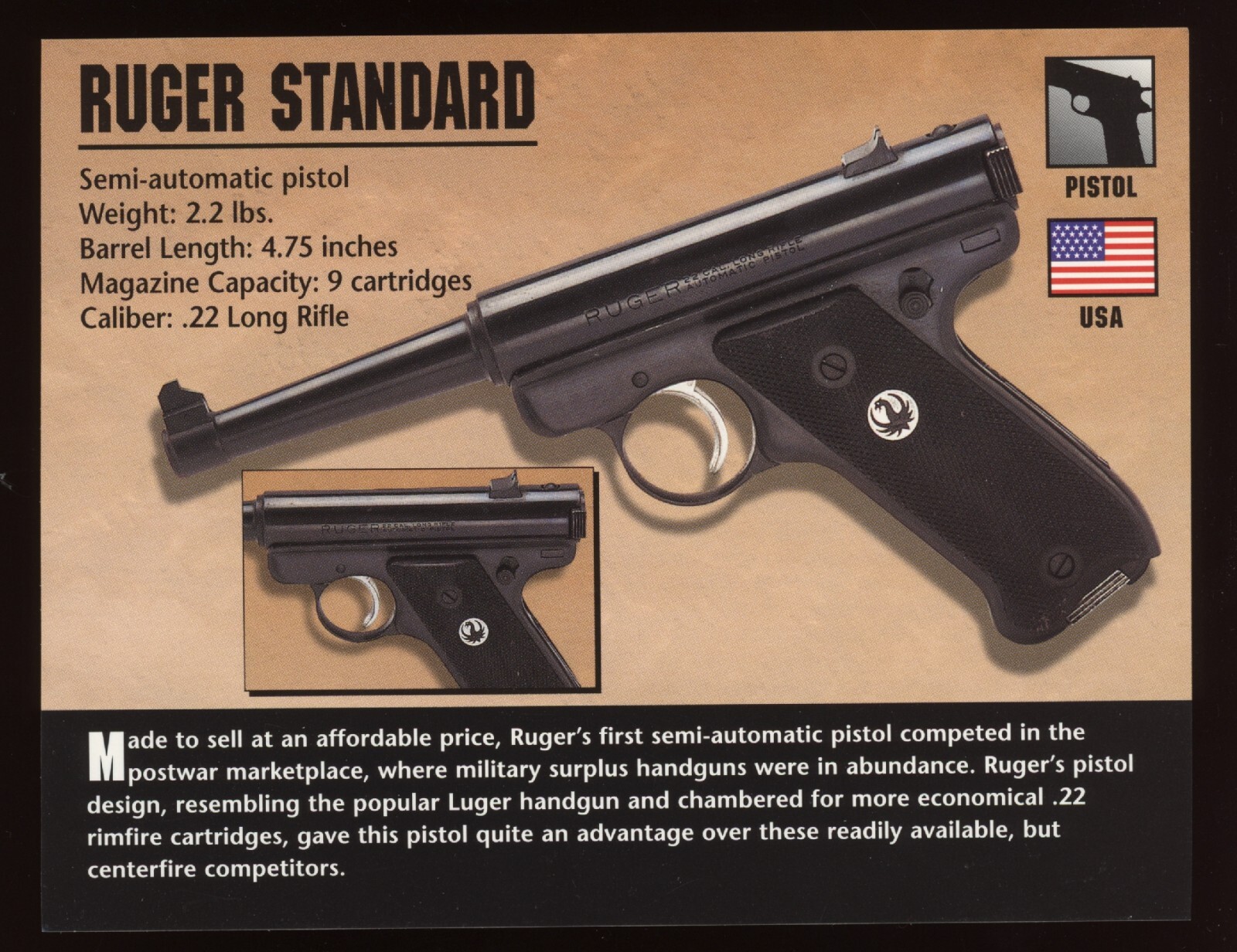
Ruger remains a staple of American manufacturing, known for standing behind their products with excellent customer service. The Security-9 provides a mid-sized defensive option that uses a hammer-fired internal system, which some users find easier to rack than traditional striker-fired alternatives. For deep concealment, the LCP Max offers 10+1 capacity in a pocket-sized frame, solving the capacity issues that plagued earlier generations of "mouse guns."
Reliable Rifles and Shotguns for the Value-Conscious
For home defense or hunting, long guns often provide a higher degree of terminal ballistics and hit probability than handguns. In 2026, several platforms offer professional-level performance at entry-level prices.
The Mossberg Maverick 88
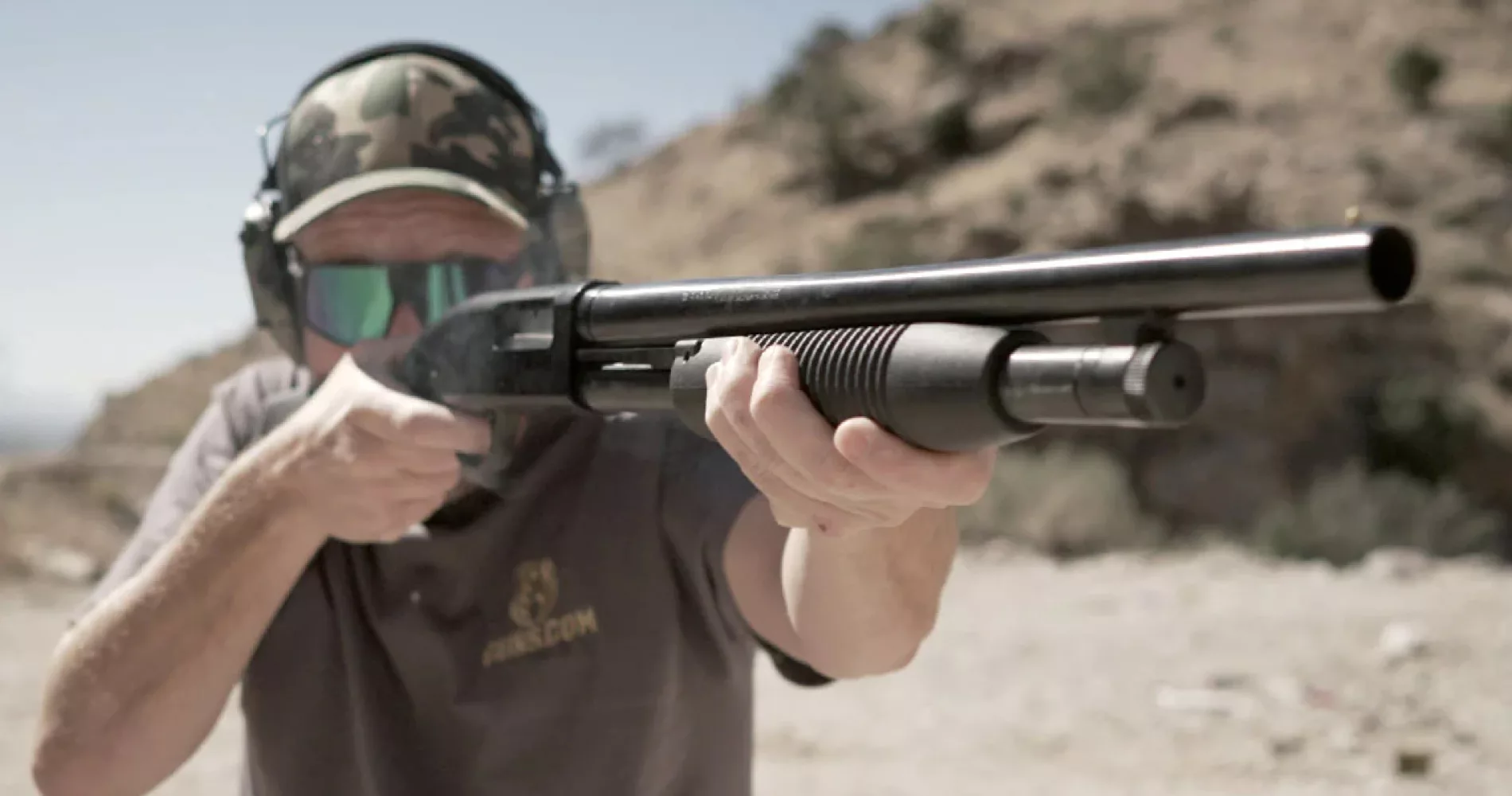
The Maverick 88 is widely regarded as the gold standard of budget shotguns. While it shares many internal components with the legendary Mossberg 500, cost savings are achieved through a different safety placement and a pinned forend. It is a no-frills, pump-action workhorse that is virtually indestructible. In an era where electronic gadgets fail, the mechanical simplicity of the Maverick 88 makes it a preferred choice for residential security.
Savage Axis II and Ruger American Rifles
For those interested in precision shooting or hunting, the Savage Axis II and the Ruger American have redefined expectations for "budget" bolt-action rifles. Both rifles feature adjustable triggers (the AccuTrigger for Savage and the Marksman Observer for Ruger) and free-floated barrels. In 2026, it is common for these rifles to produce sub-MOA (Minute of Angle) accuracy right out of the box, a feat that would have required a custom gunsmith 20 years ago.
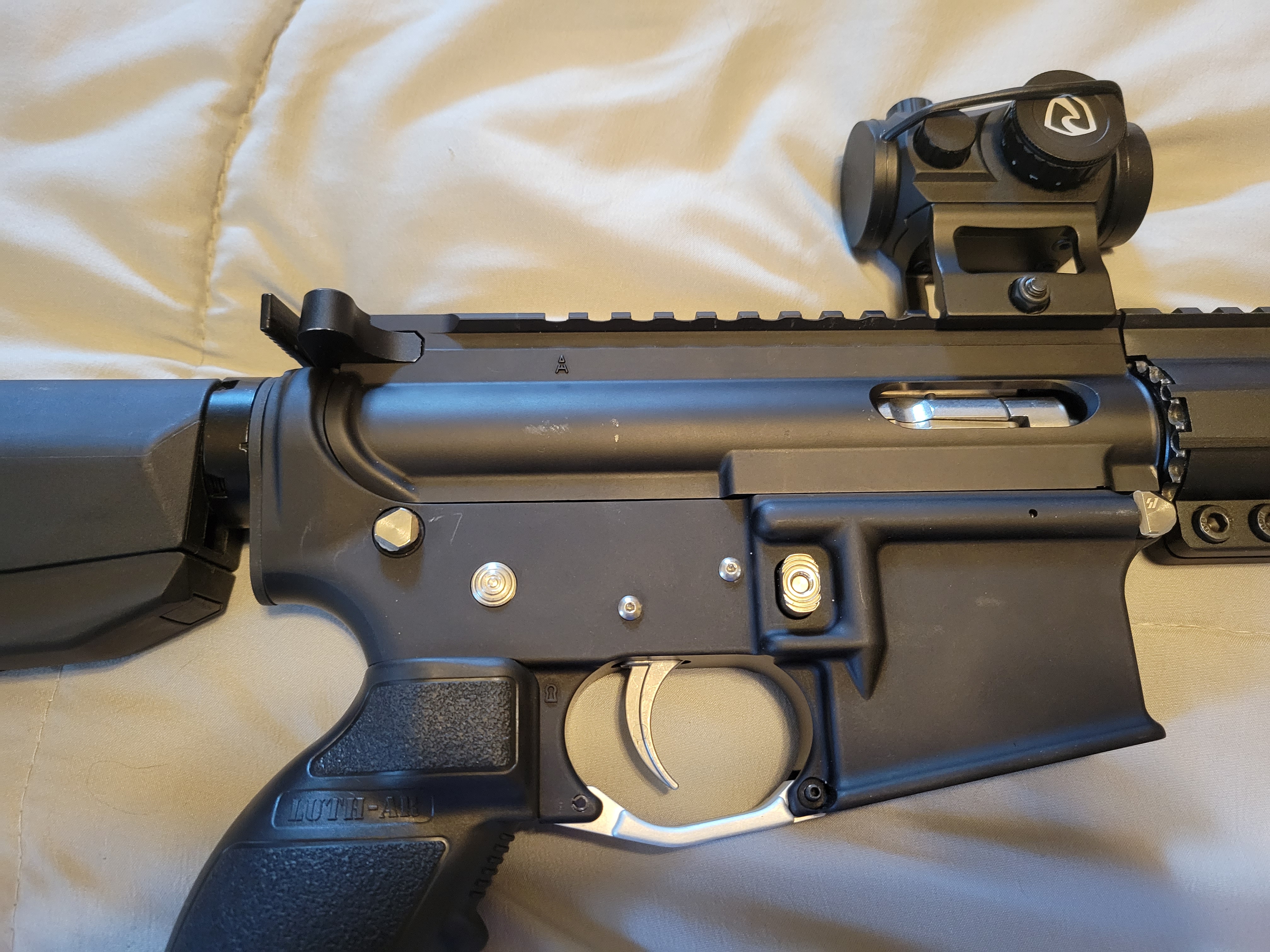
PSA PA-15 (The Affordable AR-15)
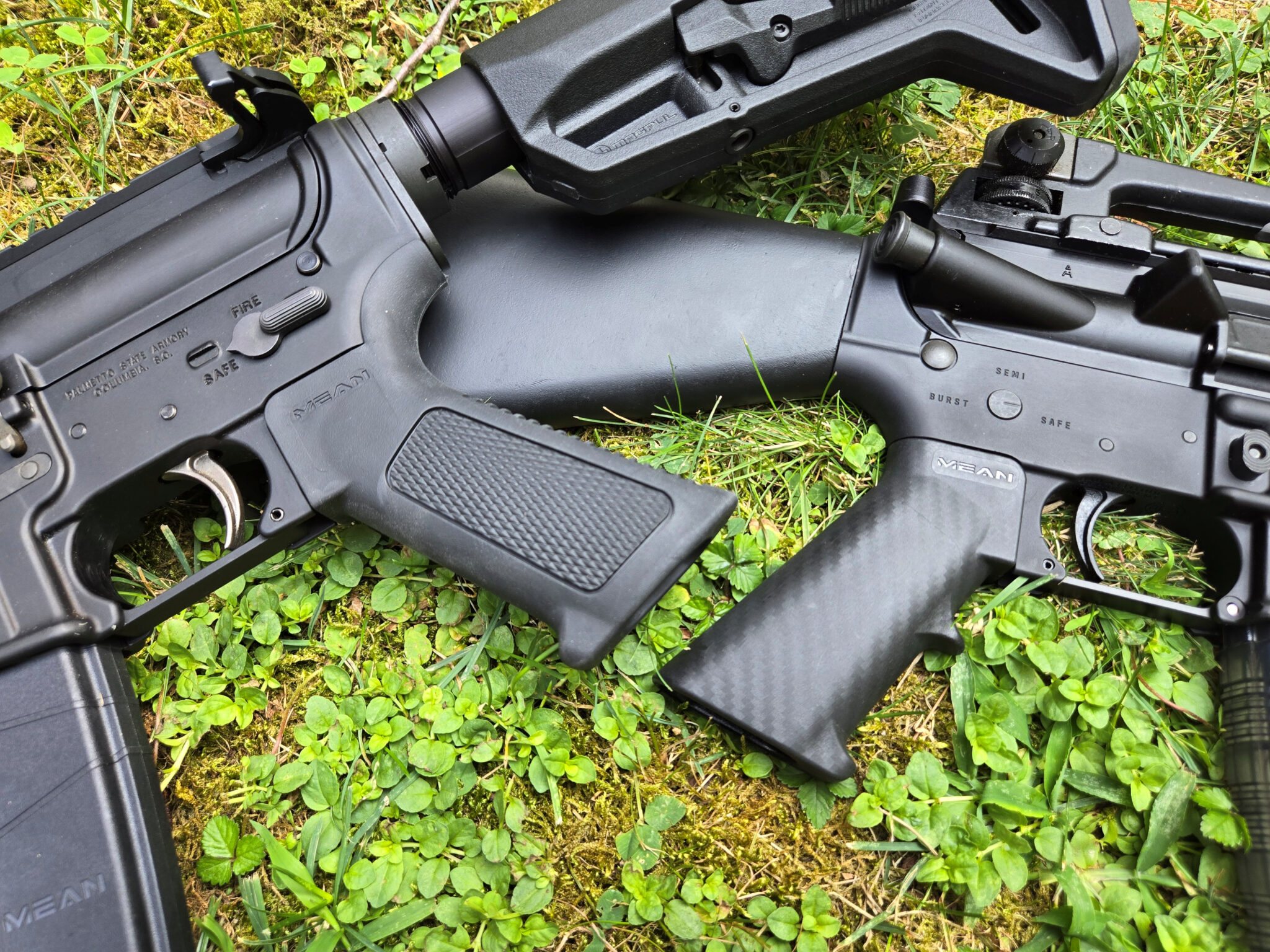
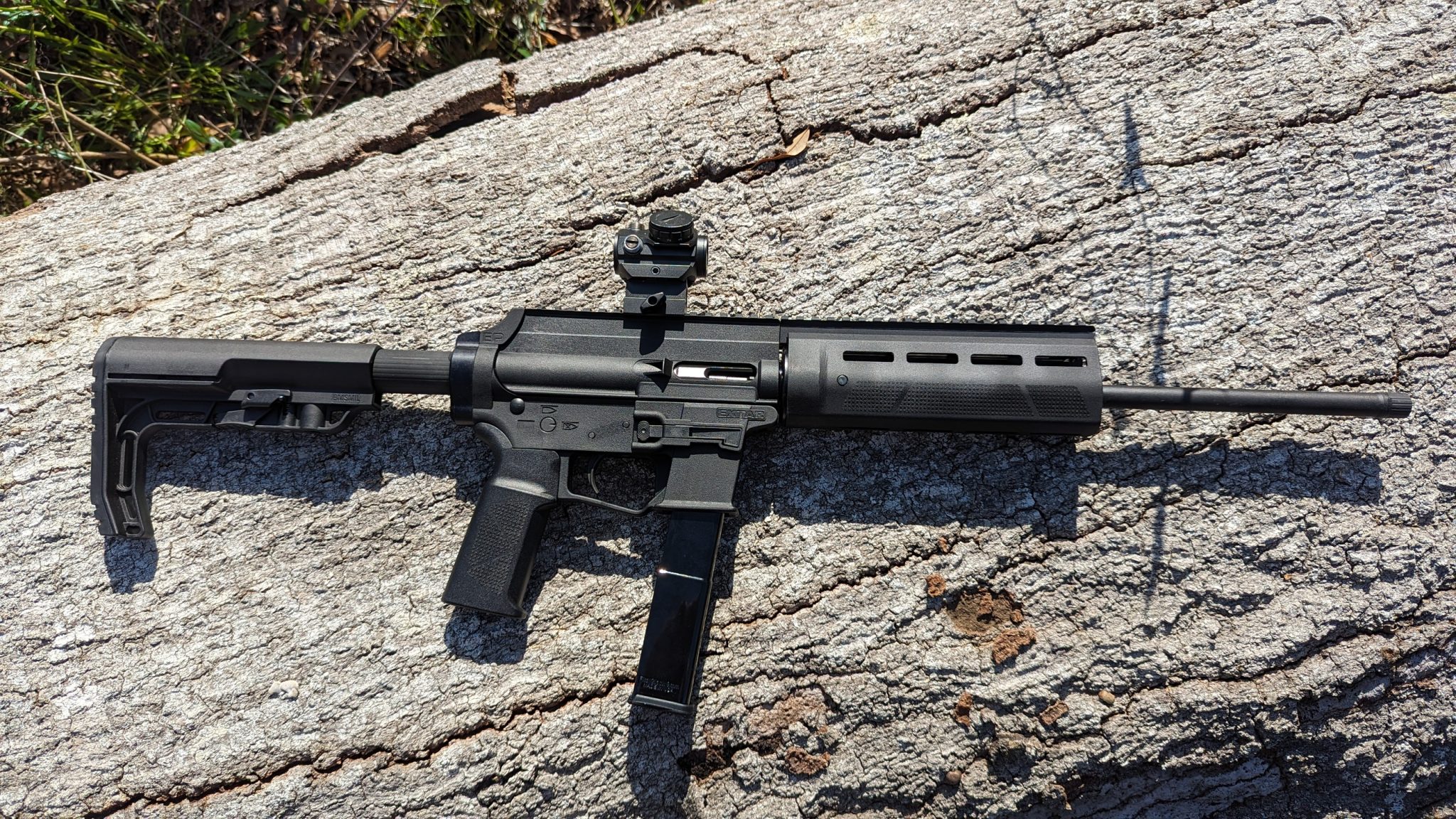
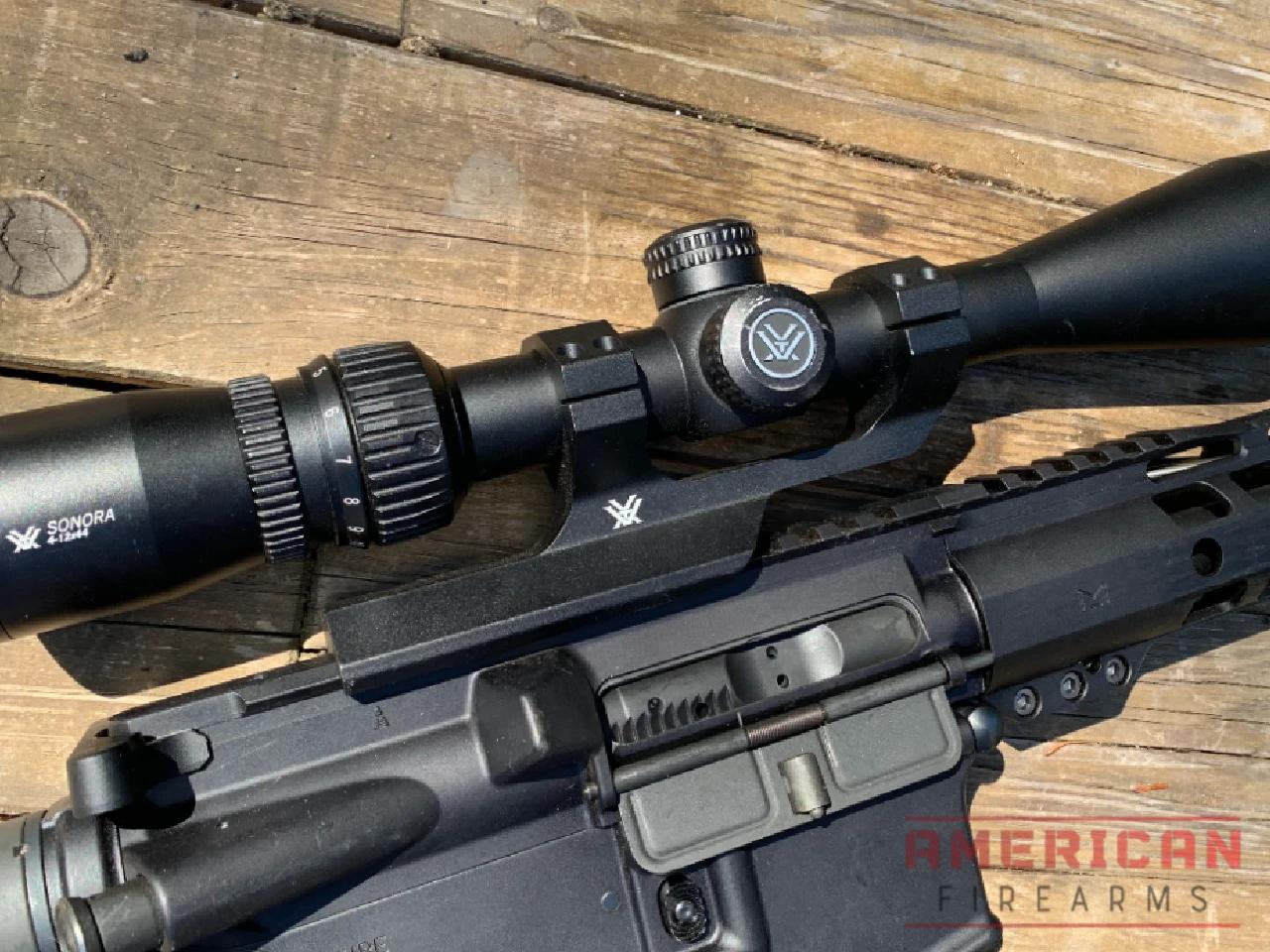
The AR-15 remains the most modular firearm in existence. Palmetto State Armory’s PA-15 line allows users to enter the "modern sporting rifle" category for a price comparable to a mid-range handgun. Because the platform is standardized, owners can buy a basic model and upgrade components like the trigger, stock, or handguard as their budget allows, effectively spreading the cost of a "high-end" rifle over several years.
The Strategic Approach to Buying Used Firearms
Purchasing a pre-owned firearm is one of the most effective ways to acquire a premium brand at a budget price. However, this path requires a keen eye for mechanical wear. In 2026, the "police trade-in" market is a primary source for high-quality used guns. Law enforcement agencies frequently cycle out their sidearms (often Glock or SIG Sauer models) after a set number of years. These firearms may show "holster wear" (surface scratches on the finish) but typically have very low round counts and have been maintained by professional armorers.
When inspecting a used firearm, consumers should check the following:
- The Bore: Use a small light to inspect the rifling inside the barrel. It should be sharp and shiny, not pitted or "frosted."
- Lock-up: On a handgun, ensure the slide fits tightly to the frame. On a revolver, ensure the cylinder does not wobble significantly when the hammer is cocked.
- Safety Function: Verify all manual and passive safeties function as intended (always perform this with an unloaded firearm).
- Dry Fire: With the seller's permission, test the trigger pull to ensure it is crisp and does not "creep" or feel gritty.
Essential Considerations Beyond the Sticker Price
The "affordable" nature of a firearm is often eclipsed by the total cost of ownership (TCO). A $300 gun becomes expensive if the owner cannot afford to operate it safely. In 2026, buyers must budget for several non-negotiable accessories.
Ammunition and Training: A firearm is a tool of skill. It is recommended that a new owner spend at least 50% of the firearm's purchase price on ammunition for initial training. Without proficiency, the mechanical quality of the firearm is irrelevant.
Safe Storage: Regardless of the firearm's cost, legal and ethical responsibilities dictate secure storage. Even a basic, California-approved steel lockbox (common standards in 2026) can be found for $50 to $100. This prevents unauthorized access by children or intruders.
Maintenance Kits: Modern firearms are resilient, but they are not maintenance-free. A basic cleaning kit with a bore snake, CLP (Cleaner, Lubricant, and Preservative), and a nylon brush is essential for preventing corrosion and ensuring cycle reliability.
| Model Category | Recommended Model | Primary Benefit | Typical 2026 Price Range |
|---|---|---|---|
| Compact Handgun | PSA Dagger | High parts compatibility | $300 - $400 |
| Micro-Compact | Taurus GX4 | Excellent ergonomics/size | $330 - $390 |
| Defensive Shotgun | Mossberg Maverick 88 | Extreme reliability | $230 - $280 |
| Bolt-Action Rifle | Ruger American | Sub-MOA accuracy | $450 - $550 |
| Full-Sized Pistol | Smith & Wesson SD9 2.0 | Proven track record | $350 - $420 |
Frequently Asked Questions
Are budget firearms safe to use for home defense?
Yes, provided they are from reputable manufacturers and have been "vetted." Any defensive firearm, regardless of price, should be tested with at least 100 to 200 rounds of your chosen self-defense ammunition to ensure there are no cycling issues. Reliability is a result of mechanical harmony, not a high price tag.
Why are some firearms so much more expensive than these "affordable" options?
Higher-priced firearms usually offer refined trigger pulls, superior finishes (like DLC or specialized Cerakote), better ergonomics, and tighter tolerances. Professional shooters or those in "high-duty" roles (like specialized law enforcement) require gear that can withstand tens of thousands of rounds without parts replacement; budget firearms are generally designed for the average user who shoots a few hundred rounds per year.
Where is the best place to find deals on affordable firearms?
Online aggregators and local gun shows are popular, but established online retailers often provide the most consistent pricing. Additionally, many local gun shops offer "layaway" programs, which can make a mid-tier firearm more affordable by spreading payments over several months without the high interest of a credit card.
Is it better to buy a cheap new gun or a high-end used gun?
This depends on your mechanical aptitude. A new budget gun comes with a factory warranty, which is vital for new owners. A high-end used gun offers better performance but requires the buyer to be able to identify potential issues that the previous owner might be trying to "unload." For a first-time buyer in 2026, a new budget firearm from a major brand is often the safer choice.
Do affordable firearms hold their resale value?
Generally, budget firearms do not appreciate in value. They are "tools of utility" rather than "investments." You can expect to recoup 50-70% of the value on a trade-in, whereas high-end or collectible firearms may hold 90% or even increase in value over time.
Developing a Long-Term Ownership Plan
After selecting an affordable firearm, the next logical step is to invest in a quality holster and a professional training course. In 2026, many ranges offer "First Shots" or introductory defensive pistol/rifle courses. These classes are essential for understanding the legalities of firearm use in your specific jurisdiction and for establishing the muscle memory required to handle the tool safely.
Remember that the firearm is only one component of a safety plan. Regularly scheduled practice, proper maintenance, and staying informed about local 2026 firearm regulations will ensure that your "affordable" investment remains a reliable asset for years to come. Prioritize proficiency over accessories; a skilled shooter with a $350 Taurus is significantly more effective than an untrained individual with a $3,000 custom race gun.