Affordable bee swarm removal in almond orchards is best achieved through live relocation and the sale of colonies to local beekeepers, rather than extermination. This approach eliminates the cost of chemical treatments, preserves vital pollinators, and can even generate a small profit. By partnering with beekeeping associations, orchard managers in 2026 can ensure safe, efficient removal that protects both farm workers and the local ecosystem.
Understanding Bee Swarms in the Almond Orchard Context
In the 2026 agricultural landscape, almond orchards remain one of the most pollinator-dependent crops in the world. As trees bloom, the massive influx of managed honeybee colonies often leads to natural reproductive events known as swarming. A swarm occurs when a queen bee leaves her original colony with a large group of worker bees to establish a new home. While this is a sign of a healthy, vigorous colony, a hanging swarm in an orchard can pose a temporary logistical challenge and a perceived safety risk to farm labor.
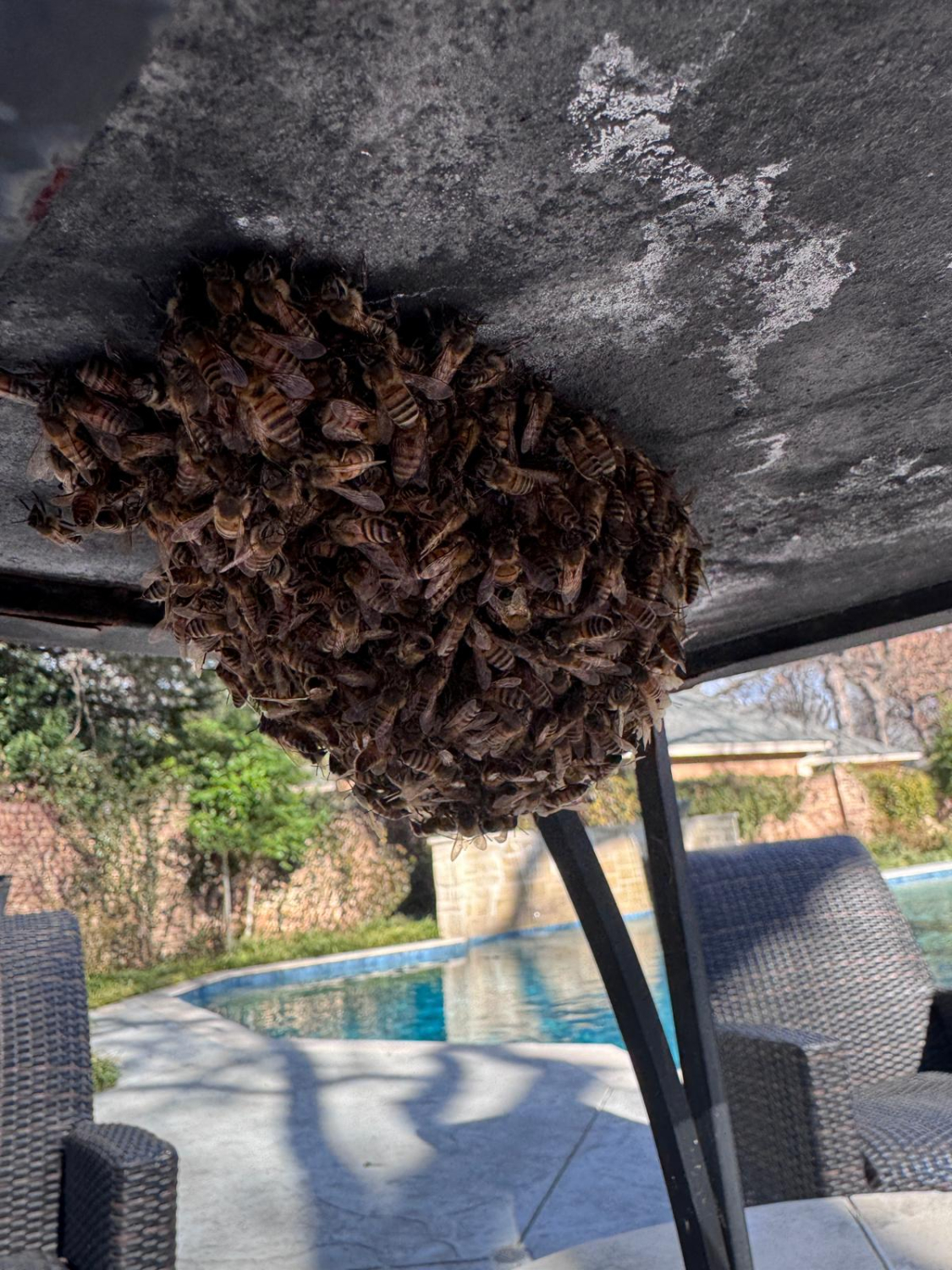
A swarm is not an established "hive" with honeycomb and brood; rather, it is a transient cluster of bees usually found hanging from a tree limb, farm equipment, or fence post. In this state, bees are typically at their most docile because they have no home or honey stores to defend and are engorged with nectar to fuel their journey. However, for an almond grower, a swarm located near active irrigation lines or harvesting pathways requires immediate attention to prevent work stoppages.
Understanding the biology of a swarm is the first step toward affordable management. Because these bees are "homeless," they are highly valuable to beekeepers looking to expand their apiaries. This value is the leverage orchard owners use to secure removal services that are often free of charge or even revenue-generating.
The Economic Logic of Relocation vs. Extermination
Historically, some growers viewed bee swarms as pests to be eradicated with quick-acting insecticides. By 2026, the economic and environmental costs of this practice have made it obsolete. Professional pest control companies often charge between $200 and $500 for a single service call to exterminate a swarm, citing the specialized equipment and risks involved.
In contrast, live relocation is often "affordable" because it involves a mutually beneficial trade. A healthy swarm in 2026 represents a biological asset worth approximately $150 to $250, depending on the lineage of the queen and the size of the cluster. Many beekeepers will travel to an orchard and remove the swarm for free in exchange for keeping the bees. In some cases, if the swarm is particularly large or a specific desired breed (such as Varroa-resistant stock), the beekeeper may even pay the grower a "finder's fee."
Furthermore, using chemicals in an orchard during or near bloom can have cascading negative effects. Pesticide residues can contaminate the very colonies you have paid to rent for pollination, leading to colony collapse and reduced nut sets. Live relocation avoids these chemical risks entirely, ensuring that the orchard's primary reproductive workforce remains healthy and productive.
Safety Protocols for Orchard Workers and Management
Safety is the primary concern when a swarm is discovered near active work zones. While swarming bees are generally non-aggressive, they will sting if the cluster is physically crushed or if workers attempt to "wash" them away with high-pressure hoses—a common but dangerous mistake.
Upon discovering a swarm, orchard managers should implement the following safety steps:
- Establish a Buffer Zone: Mark the area with high-visibility tape. A 20-foot radius is usually sufficient to prevent accidental disturbance by tractors or hand-labor crews.
- Notify Personnel: Inform all workers of the swarm's location via radio or morning briefings. Ensure that anyone with a known bee allergy is reassigned to a different block.
- Monitor the Swarm: Swarms are temporary. Most will move on to a permanent nesting site within 24 to 48 hours. However, if the swarm is in a high-traffic area, waiting is not an option.
- Avoid DIY Methods: Do not use smoke, water, or over-the-counter bug sprays. These actions agitate the bees and make professional live removal much more difficult and dangerous.
By following these protocols, growers minimize liability and ensure that the relocation process can proceed smoothly without injury to staff or the bees.
Step-by-Step Relocation and Removal Process
The process of moving a swarm from an almond branch to a beekeeper’s "nuc" (nucleus) box is a technical task that should be performed by experienced handlers. In 2026, many orchards have standing agreements with their pollination providers to handle swarms as part of their service contract.
Identification and Assessment
The beekeeper first assesses the height and accessibility of the swarm. Swarms located on low-hanging almond branches are the easiest to remove. Those located high in the canopy or inside farm machinery require more specialized equipment, such as bee vacuums or lift platforms.
The "Drop" Technique
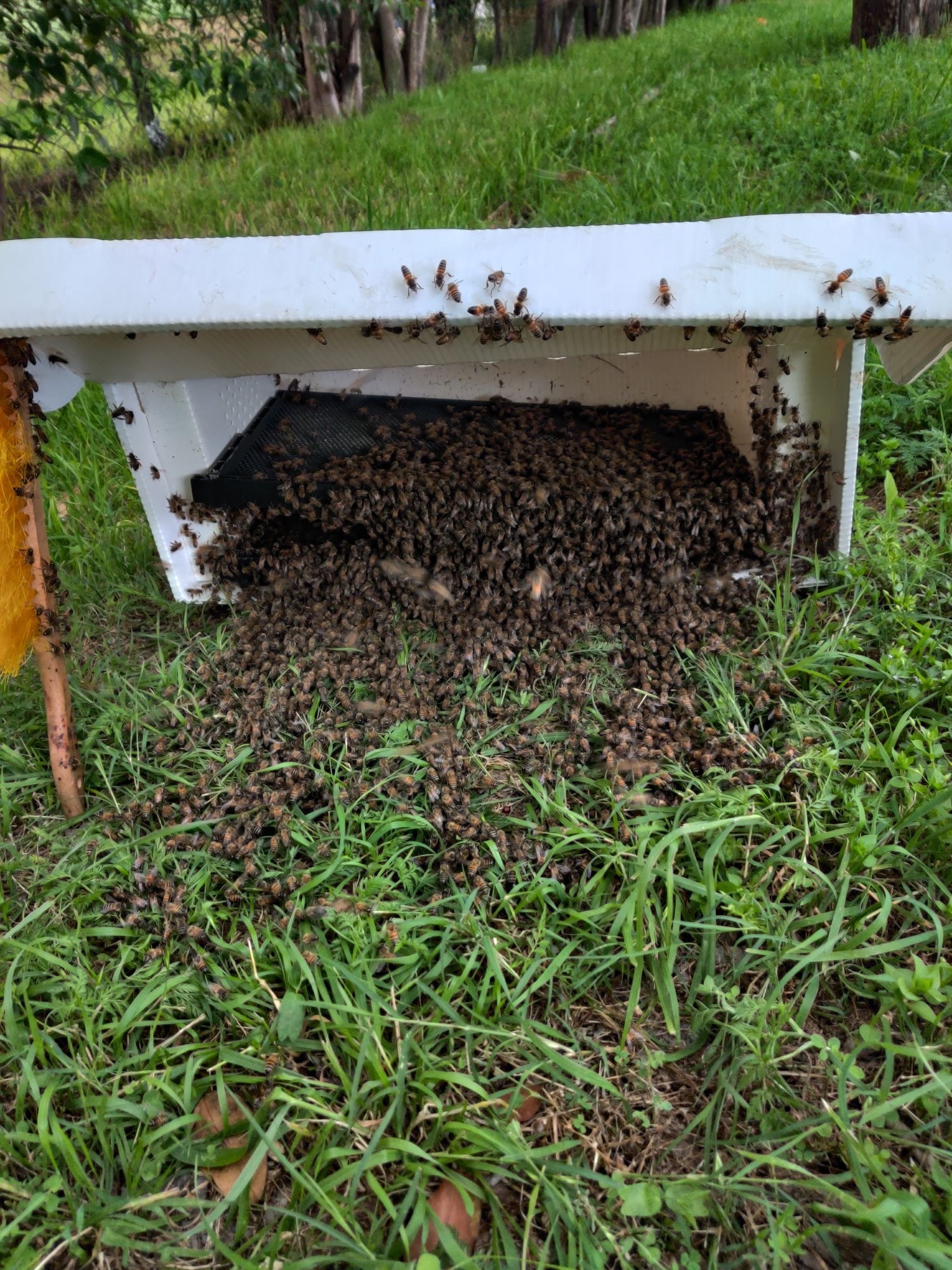
For most orchard swarms, the beekeeper places a capture box directly beneath the cluster. With a sharp, controlled shake of the branch, the bulk of the bees fall into the box. If the queen is among the bees that fell into the box, the remaining bees will follow her scent (pheromones) and march into the container within minutes.
Pheromone Lures
If the queen is not immediately captured, beekeepers use synthetic Nasonov pheromones to signal to the scout bees that the box is a safe haven. This ensures that the entire swarm is collected, leaving no "stragglers" behind to bother workers the next day.
Transport and Re-Homing
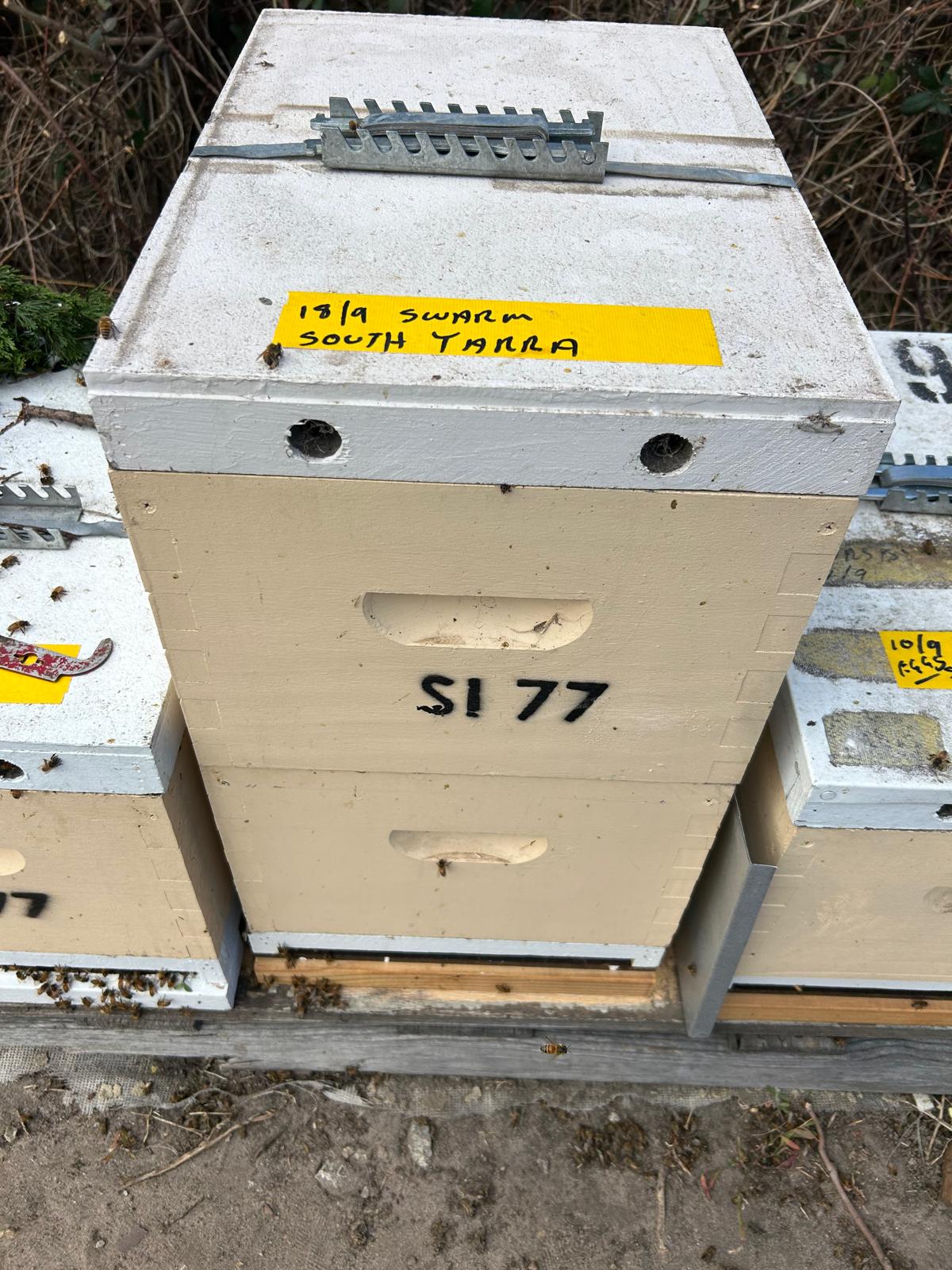
Once the bees have settled into the box, it is sealed with breathable mesh and transported to a quarantine yard. This is a critical step in 2026 to ensure the swarm does not carry diseases or parasites into established apiaries.
Legal and Environmental Considerations in 2026
In 2026, the regulatory environment surrounding honeybees has tightened. The Environmental Protection Agency (EPA) and various state departments of agriculture have implemented stricter "Bee Protective" labeling on pesticides. Intentionally killing a honeybee swarm with unauthorized chemicals can result in significant fines and the loss of organic certifications for almond growers.
Moreover, many almond buyers and global retailers now require "Pollinator Friendly" certifications. Demonstrating a policy of live relocation and swarm sale rather than extermination can help growers meet these ESG (Environmental, Social, and Governance) criteria, potentially opening up premium markets for their almond crop.
| Feature | Extermination | Professional Live Removal (Paid) | Beekeeping Partnership (Relocation/Sale) |
|---|---|---|---|
| Direct Cost | High ($200 - $500) | Moderate ($100 - $250) | Zero to Profitable |
| Environmental Impact | Negative (Chemicals) | Positive | Positive |
| Safety Risk | Moderate (Agitated bees) | Low (Handled by pros) | Low (Handled by pros) |
| Worker Safety | Immediate but toxic | High | High |
| Legal Compliance | Risk of fines (2026 regs) | Fully Compliant | Fully Compliant |
| Speed | 1 - 2 Hours | 2 - 4 Hours | 2 - 24 Hours |
Maximizing Profit: How to Sell Swarms to Local Beekeepers
For larger almond operations, swarms can be viewed as a minor secondary revenue stream. To maximize the value of these bees, growers should build a network of local beekeepers who are on-call during the bloom.
- Beekeeping Associations: Contact organizations like the California State Beekeepers Association or local county chapters. They often maintain "Swarm Lists" of members willing to pay or provide free removal.
- Pollination Contracts: When negotiating your annual pollination contract, include a clause that requires the beekeeping company to manage all swarms in the orchard. This internalizes the cost and ensures expert handling.
- Swarm Traps: Proactive growers can place "swarm traps" (empty boxes with lures) around the perimeter of the orchard. This encourages swarms to move into a box voluntarily, making "removal" as simple as closing a lid and calling a buyer.
- Verification of Health: If selling a swarm, providing a quick photo of the cluster size can help the buyer determine the price. In 2026, large "basketball-sized" swarms are the most sought after.
Next Steps for Orchard Management
The most effective way to handle bee swarms in 2026 is to move from a reactive "pest control" mindset to a proactive "resource management" strategy. Begin by updating your farm’s Standard Operating Procedures (SOPs) to explicitly forbid the spraying of honeybee swarms.
Create a contact list of at least three local beekeepers or removal specialists who guarantee a response time of under four hours. By facilitating the safe relocation and sale of these bees, you protect your workers, adhere to environmental regulations, and contribute to the health of the very pollinators that make the almond industry possible. For technical guidance on bee-safe pesticide applications that might coincide with swarm season, consult the UC Davis Honey Bee Haven resources.
Frequently Asked Questions
Is it legal to kill a bee swarm in my orchard?
While laws vary by state, in 2026, many jurisdictions have strict regulations against the non-essential killing of honeybees, especially during the almond bloom. Using unregistered pesticides for bee extermination can lead to heavy fines from the Department of Pesticide Regulation. Live relocation is always the legally safer and more environmentally responsible route.
How much can I get paid for a bee swarm?
The price for a "raw" swarm usually ranges from $20 to $50 if the beekeeper has to come and collect it. If the swarm is already in a trap or box provided by the grower, the price can rise to $100 or more. However, the primary "profit" for most growers is the saving of the $300+ fee that a pest control company would otherwise charge.
Will a swarm attack my workers?
A swarm is generally very docile because they have no hive or honey to protect. However, they will defend themselves if provoked. As long as workers maintain a safe distance and do not attempt to move the swarm themselves using improper tools, the risk of a mass stinging event is extremely low.
How long will a swarm stay on a branch?
A swarm is in transit. They typically stay in one spot for a few hours to two days while "scout bees" look for a permanent home (like a hollow tree or a wall void). Because time is of the essence, calling a relocation specialist as soon as the swarm is spotted is vital before they move into a location where removal becomes expensive, such as inside a building or piece of heavy machinery.