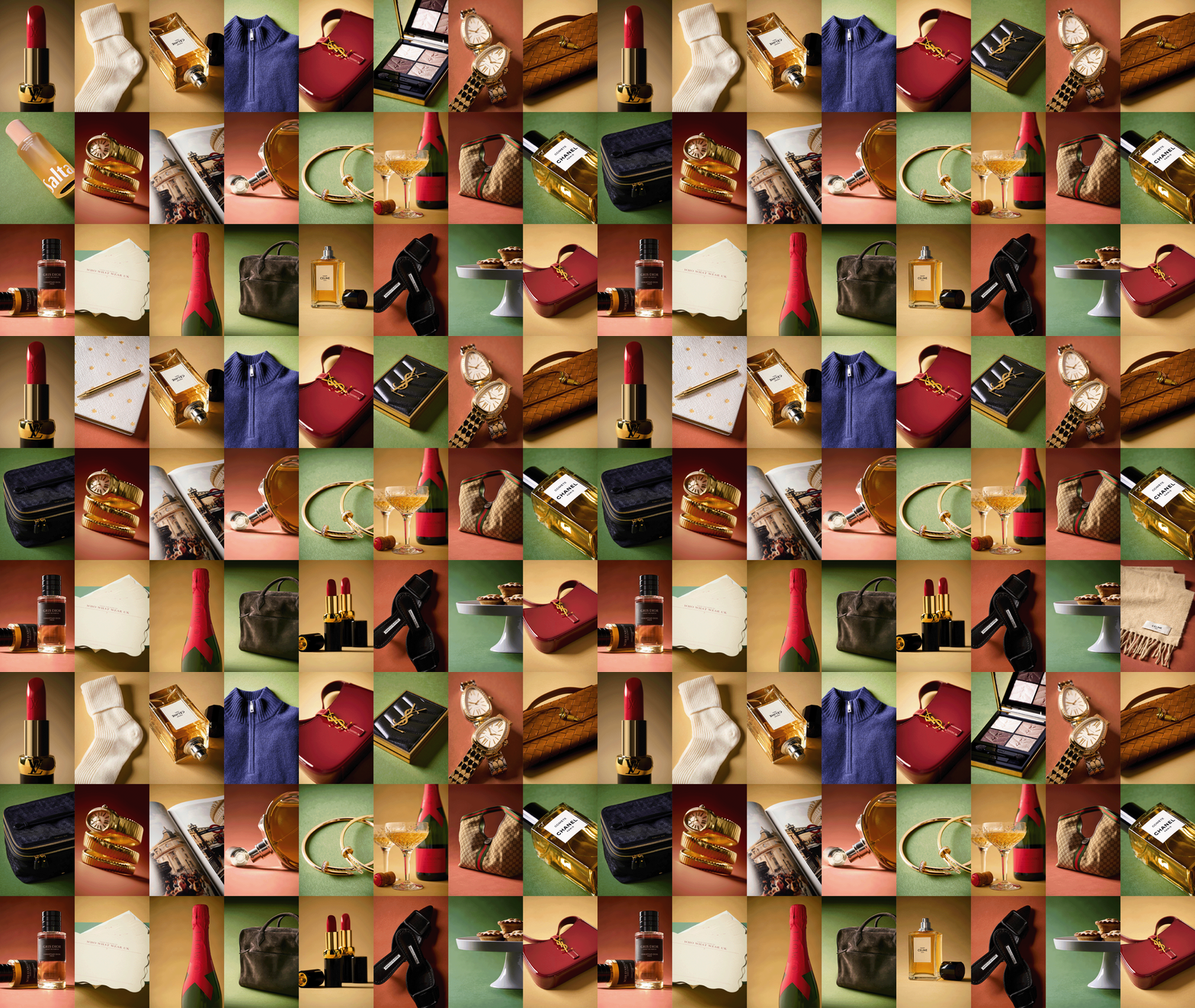
Affluent gifts are high-value, often bespoke items or exclusive experiences tailored specifically for high-net-worth individuals (HNWIs). These gifts prioritize rarity, provenance, and deep personal relevance over mere price, serving to strengthen professional relationships or celebrate significant milestones through a lens of craftsmanship, exclusivity, and "stealth wealth" sensibilities.
Understanding the Psychology of High-Value Gifting
In 2026, the landscape of luxury gifting has shifted significantly away from conspicuous consumption toward what experts call "emotional ROI." For the affluent recipient, the value of a gift is rarely found in its price tag—which they could likely afford themselves—but rather in the effort, access, and thoughtfulness required to procure it. Selecting an affluent gift requires an understanding of the recipient’s lifestyle, values, and existing collection.
The concept of "quiet luxury" or "stealth wealth" dominates current trends. This means avoiding overtly branded items in favor of those recognizable only to a peer group of connoisseurs. A gift that tells a story—such as a piece of furniture crafted from reclaimed wood with historical significance or a vintage timepiece with a documented lineage—carries more weight than a mass-produced luxury item. The goal is to provide something the recipient did not know they wanted, or something they could not easily acquire through standard retail channels.
Furthermore, gifting within affluent circles often involves navigating complex social and professional hierarchies. A gift must be generous enough to show respect but not so lavish that it creates an uncomfortable "debt of gratitude" or violates corporate compliance policies. Understanding the nuance of the relationship is the first step in successful high-end procurement.
Primary Categories of Affluent Gifts in 2026
The market for affluent gifts is diverse, ranging from tangible assets to ephemeral experiences. As we move through 2026, four key categories have emerged as the most effective for making a lasting impression.
Bespoke Horology and Fine Jewelry
While luxury watches have always been a staple, the focus has moved toward independent watchmakers and bespoke commissions. Brands like F.P. Journe or Grönefeld represent a level of "if you know, you know" prestige that surpasses more common luxury names. For jewelry, the emphasis is on "investment-grade" stones—specifically colored diamonds or untreated sapphires—set in custom designs that reflect the recipient’s personal style. The inclusion of blockchain-backed digital certificates of authenticity is now standard for these items, ensuring that the provenance and ownership history are indisputable.
Rare Spirits and Viticulture
The gifting of fine wine and spirits has evolved into the gifting of "liquid assets." This includes not just rare vintages from established houses like DRC (Domaine de la Romanée-Conti) or vintage Macallan, but also the acquisition of entire casks or private vineyard rows. In 2026, affluent givers often opt for "library releases"—bottles held back by the estate for decades and only released to preferred clients. These gifts are often accompanied by an invitation to the estate, bridging the gap between a physical product and an exclusive experience.
High-Tech Wellness and Longevity Tools
As the affluent population focuses increasingly on "healthspan," wellness technology has become a premier gift category. This includes medical-grade recovery tools, such as private hyperbaric oxygen chambers, advanced cold-plunge systems with integrated filtration, or AI-driven biometric monitoring systems for the home. These gifts signal a deep care for the recipient’s long-term well-being and are highly valued for their practical utility in a high-stress lifestyle.
Commissioned Art and Heritage Items
Art remains one of the most personal and impactful gifts. However, rather than purchasing finished works, many givers are now commissioning pieces that reflect a shared history or the recipient’s specific interests. This might include a custom-bound book of the recipient's family history, a piece of sculpture commissioned for their estate, or even a bespoke fragrance developed by a master perfumer in Grasse. These items are inherently unique, satisfying the desire for exclusivity that defines affluent tastes.
Comparison of High-Value Gift Segments
When choosing a category, it is helpful to weigh the lead time against the level of personalization required. The following table provides a breakdown of common affluent gift categories and their logistical requirements.
| Gift Category | Typical Lead Time | Personalization Level | Best For |
|---|---|---|---|
| Bespoke Horology | 6–24 Months | Extreme (Custom Dial/Case) | Major milestones, legacy events |
| Rare Spirits/Wine | 1–4 Weeks | Moderate (Vintage Selection) | Corporate gratitude, housewarming |
| Wellness Tech | 2–8 Weeks | Low to Moderate (Fit/Install) | Close friends, family, health-conscious |
| Commissioned Art | 3–12 Months | High (Subject & Medium) | Personal anniversaries, retirement |
| Private Experiences | 2–6 Weeks | Extreme (Curated Itinerary) | High-impact networking, birthdays |
Navigating the Logistics of Acquisition and Authentication
Sourcing an affluent gift is rarely as simple as visiting a storefront. Most high-value items require access to private "VIC" (Very Important Client) lists or relationships with specialized brokers. For instance, acquiring a rare Hermès Birkin or a limited-edition Patek Philippe often requires a significant purchase history with the brand, or the use of a luxury concierge service that specializes in secondary market sourcing.
Authentication is the most critical technical aspect of affluent gifting. In an era where high-grade "super-fakes" are prevalent, providing a gift without ironclad documentation is a major faux pas. Givers should ensure that any item comes with:
- Original Certification: GIA reports for stones, COSC or brand-specific certificates for watches.
- Provenance Documentation: A clear "paper trail" showing previous ownership, especially for antiques or fine art.
- Appraisal Reports: A contemporary valuation for insurance purposes, which is a thoughtful addition for the recipient.
In 2026, many luxury brands utilize NFC (Near Field Communication) chips embedded in products that link to a secure digital ledger. This allows the recipient to verify the item’s authenticity instantly via a smartphone, providing peace of mind and simplifying future insurance or resale processes.
Tax Implications and Regulatory Compliance
High-value gifting is not just a social gesture; it is a financial event. In the United States, for 2026, the IRS annual gift tax exclusion is a critical threshold to monitor. While the exact inflation-adjusted figure is updated annually, it typically hovers around $19,000 to $20,000 per recipient. Gifts exceeding this value must be reported on Form 709, and while they may not trigger immediate taxes due to the lifetime exemption, they do require professional accounting oversight.
For corporate gifting, the rules are even more stringent. Under the Foreign Corrupt Practices Act (FCPA) and various international anti-bribery statutes, gifts to government officials or executives of state-owned enterprises are heavily regulated. Most multinational corporations have internal "Gift and Hospitality" policies that cap the value of acceptable gifts (often at $100 or $250). Giving a gift that exceeds these limits can inadvertently cause a legal or HR nightmare for the recipient. Always verify the recipient’s corporate policy before finalizing a high-value purchase.
The Role of Personalization and Presentation
In the world of affluent gifts, the "unboxing" experience is almost as important as the gift itself. Presentation should reflect the same level of quality as the item inside. This often involves custom-made wooden crates, hand-stitched leather cases, or stationery from prestigious houses like Smythson of Bond Street.
Personalization in 2026 has moved beyond simple monograms. It now includes "deep personalization," such as:
- Thematic Alignment: Choosing a vintage of wine from the birth year of the recipient's child.
- Bespoke Scenting: Having the packaging treated with a custom-developed ambient fragrance.
- Digital Integration: A small, high-resolution screen embedded in the gift box that plays a personalized video message upon opening.
These touches demonstrate that the giver has invested significant time and thought, which is the ultimate currency among the affluent.
Frequently Asked Questions
What is the appropriate price range for an "affluent" gift?
While there is no fixed floor, affluent gifts generally start in the $2,000 to $5,000 range for "entry-level" luxury (such as high-end leather goods or rare spirits) and can extend into the hundreds of thousands for bespoke jewelry, watches, or vehicles. The "appropriateness" is determined by the recipient's net worth and your relationship to them.
How do I gift someone who "already has everything"?
The key is to focus on access and experiences rather than ownership. Gifts such as a private tour of a museum’s archives, a dinner prepared at home by a Michelin-starred chef, or a donation to a cause they are passionate about in their name (a "philanthropic gift") are often more appreciated than another physical object.
Is it acceptable to give cash or gift cards in affluent circles?
Generally, no. Cash or standard gift cards are often viewed as a lack of effort. However, a "pre-funded" bespoke experience—such as a credit with a specific master tailor for a custom suit or a deposit at a luxury travel agency—is an acceptable alternative, as it still requires a specific recommendation and curation.
How should I handle the delivery of a high-value gift?
High-value gifts should never be sent via standard courier services without white-glove handling. For items like fine art or jewelry, use a specialized secure transport service. For personal gifts, delivering the item in person or via a professional concierge ensures it arrives in perfect condition and is received with the appropriate ceremony.
Are digital assets like NFTs still considered good affluent gifts?
By 2026, the "hype" around NFTs has matured. Digital assets are now valued primarily when they offer "utility"—such as a digital token that grants lifetime access to a private club, early access to luxury product drops, or as a digital twin (proof of ownership) for a physical luxury item. Purely speculative digital art is less common as a gift than it was several years ago.
Implementing a Strategic Gifting Plan
To successfully navigate the world of affluent gifting, one must approach it with the same rigor as a business investment. Start by maintaining a "relationship dossier" for key contacts, noting their interests, preferred brands, allergies, and significant dates.
Work with a dedicated luxury consultant or concierge service if you are unfamiliar with specific markets like horology or fine wine. These professionals provide the "access" that is the hallmark of a truly affluent gift. Finally, always allow for significant lead times. The best gifts—those that are truly bespoke and rare—cannot be rushed. By planning 6 to 12 months in advance, you ensure that your gift stands out as a masterpiece of thoughtfulness and exclusivity.