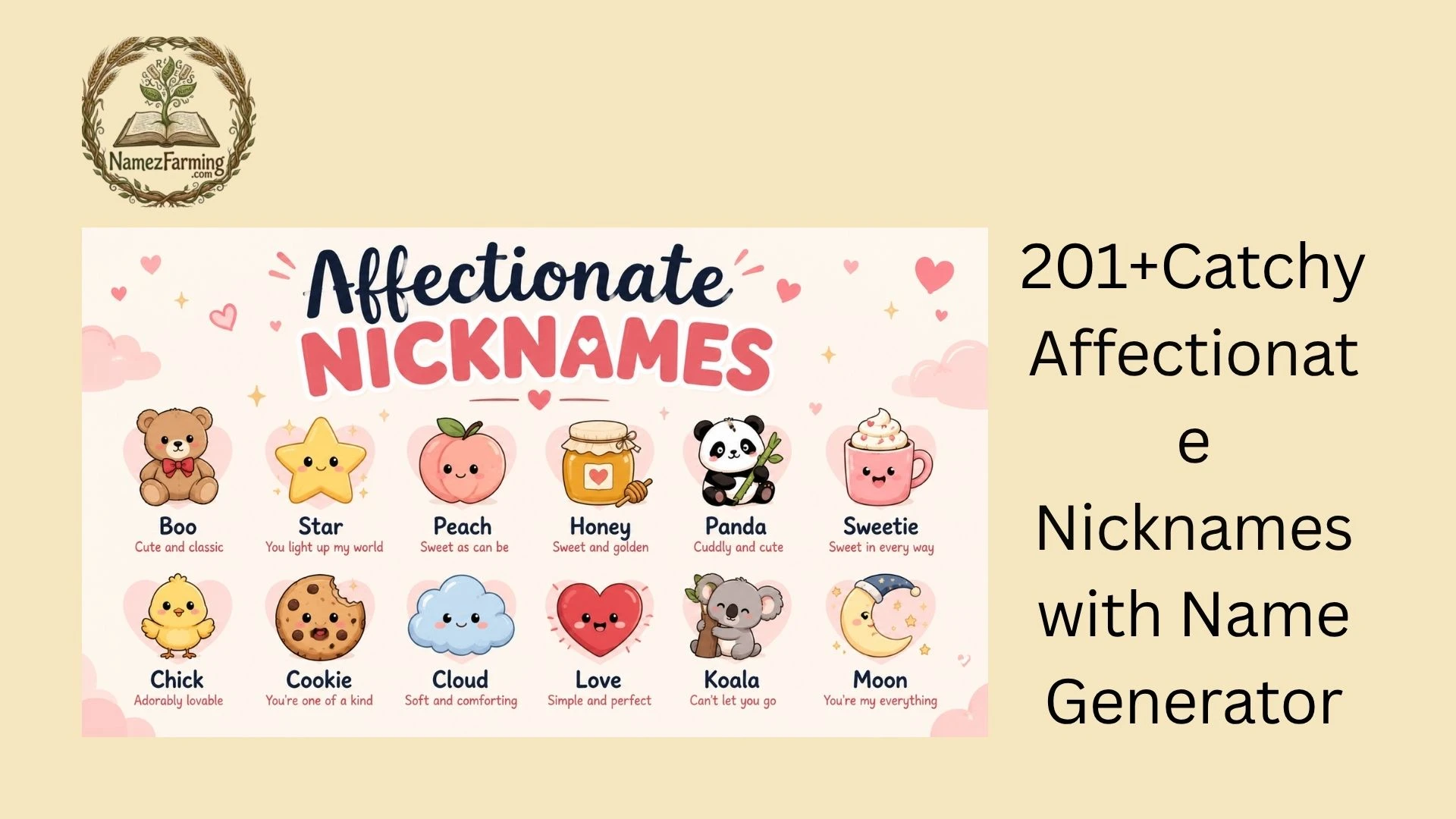
Affectionate nicknames are personalized terms of endearment used to express intimacy, care, and familiarity. They range from classic terms like "Honey" and "Sweetheart" to unique, context-specific monikers. By creating a shared linguistic space, these names solidify emotional connections, signal exclusivity in relationships, and trigger positive neurological responses between individuals.
The Psychology of Endearment: Why We Use Nicknames
The use of affectionate nicknames, often referred to in psychology as "personal idioms" or "relational currency," is a fundamental aspect of human bonding. These terms serve as a shorthand for a vast array of shared experiences and emotions. When a partner or parent uses a nickname, it signals a shift from a public persona to a private, intimate one. As of 2026, research in interpersonal communication continues to highlight how these linguistic choices reinforce the "insider" status of a relationship, creating a psychological barrier against the outside world.
From a neurological perspective, being called by a beloved nickname can trigger the release of oxytocin, often called the "bonding hormone." This chemical reaction promotes feelings of trust and safety. Furthermore, the use of "baby talk" or higher-pitched tones—often accompanying nicknames—mimics the primary caregiver-infant bond, fostering a sense of unconditional security even in adult romantic relationships. This regression is not a sign of immaturity but rather a sophisticated tool for maintaining emotional proximity and vulnerability.
Psychologists suggest that the most effective nicknames are those that arise organically. A name born from a shared joke or a specific moment of tenderness carries more emotional weight than a generic term. This is because the name functions as a "micro-narrative," instantly recalling a positive memory and reinforcing the unique identity of the duo.
Categorizing Affectionate Nicknames by Relationship Type
The appropriateness and impact of a nickname depend heavily on the context of the relationship. While some names are universal, others are strictly reserved for specific dynamics. Understanding these categories helps in navigating social boundaries and choosing the right term for the right person.
Romantic Relationships
Romantic nicknames are perhaps the most diverse and frequent. They serve as a constant reminder of the romantic bond.
- The Classics: Terms like "Darling," "Sweetheart," and "Love" have endured for centuries. "Darling" originates from the Old English "deorling," meaning a "little dear one." These terms are safe, universally understood, and carry a sense of timeless devotion.
- Food-Based Endearments: "Honey," "Sugar," "Cupcake," and "Pumpkin" utilize the metaphor of sweetness to describe the partner. This association of love with literal sweetness is a cross-cultural phenomenon, suggesting a deep-seated human link between nourishment and affection.
- Modern Slang: In 2026, terms like "Bae," "Boo," and "Pookie" remain popular among younger generations. These names often evolve through social media and digital communication, reflecting the current linguistic zeitgeist while maintaining the core function of endearment.
Familial Bonds
In families, nicknames often emphasize protection, growth, and hereditary roles.
- Parent-Child: Parents frequently use diminutive versions of names or animal-themed monikers like "Little Bear," "Kitten," or "Sprout." These names emphasize the child's need for protection and the parent’s role as a provider.
- Grandparents: Nicknames for grandparents—such as "Nana," "Papa," or "G-Ma"—are often the first words a child learns, establishing a unique identity for the elder generation that is distinct from the more formal "Grandmother" or "Grandfather."
Platonic Friendships
Nicknames among friends often lean toward the humorous or the abbreviated. They might be based on a last name, a physical trait (used kindly), or an inside joke. Unlike romantic nicknames, platonic ones often avoid "sweet" metaphors, opting instead for names that signal camaraderie and shared history. Examples include "Bestie," "Bud," or even ironic nicknames that might sound insulting to an outsider but signify deep trust within the group.
Cultural Perspectives on Terms of Endearment
Nicknames are not a monolith; they vary significantly across languages and cultures, reflecting different values and social structures. Exploring these variations provides a broader understanding of how humans express love globally.
| Language | Nickname | Literal Meaning | Usage Context |
|---|---|---|---|
| Spanish | Mi Cielito | My little sky/heaven | High romantic or parental intimacy |
| French | Mon Petit Chou | My little cabbage | Romantic or toward children |
| German | Schatz | Treasure | Universal term for loved ones |
| Japanese | -chan / -kun | Honorific suffixes | Used with names to denote cuteness/closeness |
| Arabic | Ya Hayati | My life | Deeply romantic or familial |
| Italian | Tesoro | Treasure | Romantic or very close friends |
| Russian | Solnyshko | Little sun | Romantic or toward children |
In many Romance languages, the use of diminutive suffixes (like -ito in Spanish or -ino in Italian) is a standard way to turn any noun into an affectionate nickname. In contrast, East Asian cultures often use honorifics that shift based on the level of intimacy, where the omission of a last name or the addition of a specific suffix signals a "nickname" status. For instance, the use of "-chan" in Japanese creates a "cute" version of a name, often used for children, pets, and female friends or partners.
The Evolution of Nicknames in the Digital Era of 2026
As we move through 2026, the way we use nicknames has been significantly influenced by digital interfaces. The rise of "contact name" customization on smartphones has turned the nickname into a semi-permanent visual identifier. Many people now see their partner’s nickname more often on a screen than they hear it spoken aloud.
Furthermore, the integration of emojis has created a new class of "visual nicknames." A couple might refer to each other as "🐧" (penguin) or "🍄" (mushroom) based on an emoji that has become an inside joke. This visual shorthand is a direct result of mobile-first communication, where a single character can replace a multi-syllabic term of endearment. According to reports on digital linguistics, the "emoji-as-name" trend has grown by 30% since the early 2020s, reflecting a move toward more abstract and personalized identifiers.
AI assistants have also begun to play a role. Users often give their AI interfaces affectionate or humorous nicknames, which researchers at institutions like MIT suggest can facilitate a more seamless human-computer interaction by tapping into the same social brain circuits used for human relationships.
Etiquette and Boundaries: When Nicknames Go Wrong
While nicknames are generally positive, they require social intelligence and consent. Not everyone enjoys being addressed by a pet name, particularly in professional or public settings.
The Importance of Consent
A nickname should always be a "gift" that the recipient is happy to receive. If a partner or friend expresses discomfort with a name—even if it was intended to be sweet—it should be retired immediately. Some individuals find certain terms (like "Baby" or "Honey") to be patronizing or infantalizing. Respecting these boundaries is crucial for maintaining the trust that the nickname was supposed to build in the first place.
Professional Boundaries
The use of affectionate nicknames in the workplace is generally discouraged. Terms of endearment can be perceived as unprofessional, exclusionary, or even as a form of harassment, depending on the power dynamic. While a close-knit team might have internal nicknames, using "Sweetheart" or "Dear" with subordinates or clients is often a violation of modern corporate conduct codes. As of 2026, many HR guidelines specifically list "unwelcome terms of endearment" as a behavior to avoid to ensure an inclusive environment.
The "Cringe" Factor
In the early stages of a relationship, overusing intense nicknames can be overwhelming or perceived as "love bombing." It is often better to let nicknames emerge naturally as the level of intimacy grows. Forced nicknames rarely stick and often feel performative rather than authentic.
Creating a Unique Nickname: A Step-by-Step Guide
If you want to move beyond "Babe" or "Honey," follow these steps to develop a moniker that is truly unique to your relationship:
- Observe Their Traits: Look for a unique habit, a favorite item of clothing, or a physical feature that you find endearing (e.g., "Dimples," "Blueberry" for someone who always wears blue).
- Recall Shared Memories: Think of a place you visited, a movie you both loved, or a funny mistake one of you made. These provide excellent fodder for names like "Paris" or "Clumsy."
- Use Wordplay: Combine their name with an adjective or another noun. For example, if their name is Sarah and she loves tea, "Tearah" or "Earl Grey" might become a playful internal name.
- Test the Waters: Use the name in a low-stakes environment. See how they react. If they laugh or smile, you have a winner. If they look confused or annoyed, try a different angle.
- Keep it Private First: Give the name time to "set" in your private conversations before using it in front of friends or family.
Frequently Asked Questions
Why do some people hate being called nicknames?
Some people associate nicknames with a lack of respect or a loss of identity. For those who value formal boundaries or have had negative experiences with "pet names" being used patronizingly, a nickname can feel like an intrusion rather than an endearment. It is always best to ask before assuming a nickname is welcome.
Are nicknames healthy for a relationship?
Yes, most research suggests that the use of idiosyncratic communication—including nicknames—is a sign of a healthy, satisfied relationship. It indicates a high level of comfort and a strong shared identity. However, they are a symptom of health, not a cure for underlying issues.
Can nicknames change over time?
Absolutely. Nicknames often evolve as a relationship matures. A name used in the "honeymoon phase" might be replaced by something more grounded or humorous as the couple settles into long-term partnership. This evolution reflects the changing nature of the bond itself.
Should I use the same nickname for my new partner that I used for my ex?
Generally, no. Nicknames carry emotional baggage and history. Using the same name can lead to accidental comparisons and may hurt your current partner if they find out. It is better to let a new, unique name develop for your new relationship.
How do I stop someone from using a nickname I don't like?
The most effective approach is a direct but kind conversation. You might say, "I know you mean it affectionately, but I actually prefer being called by my name. I find [nickname] a bit uncomfortable." Most people will appreciate the honesty and adjust their behavior accordingly.
Practical Steps for Implementing Endearment
To effectively integrate nicknames into your life, start by identifying the "emotional gaps" in your current communication. Are your greetings feeling too formal? Is there a sense of distance? Introducing a gentle, classic term like "Dear" can be a low-risk way to signal a desire for more closeness. If you are already in a highly intimate relationship, challenge yourself to move away from generic terms and find a "personal idiom" that captures a specific aspect of your partner’s personality. Remember that the goal of an affectionate nickname is not just to have a label, but to reinforce the idea that the person you are speaking to is special, seen, and deeply valued.