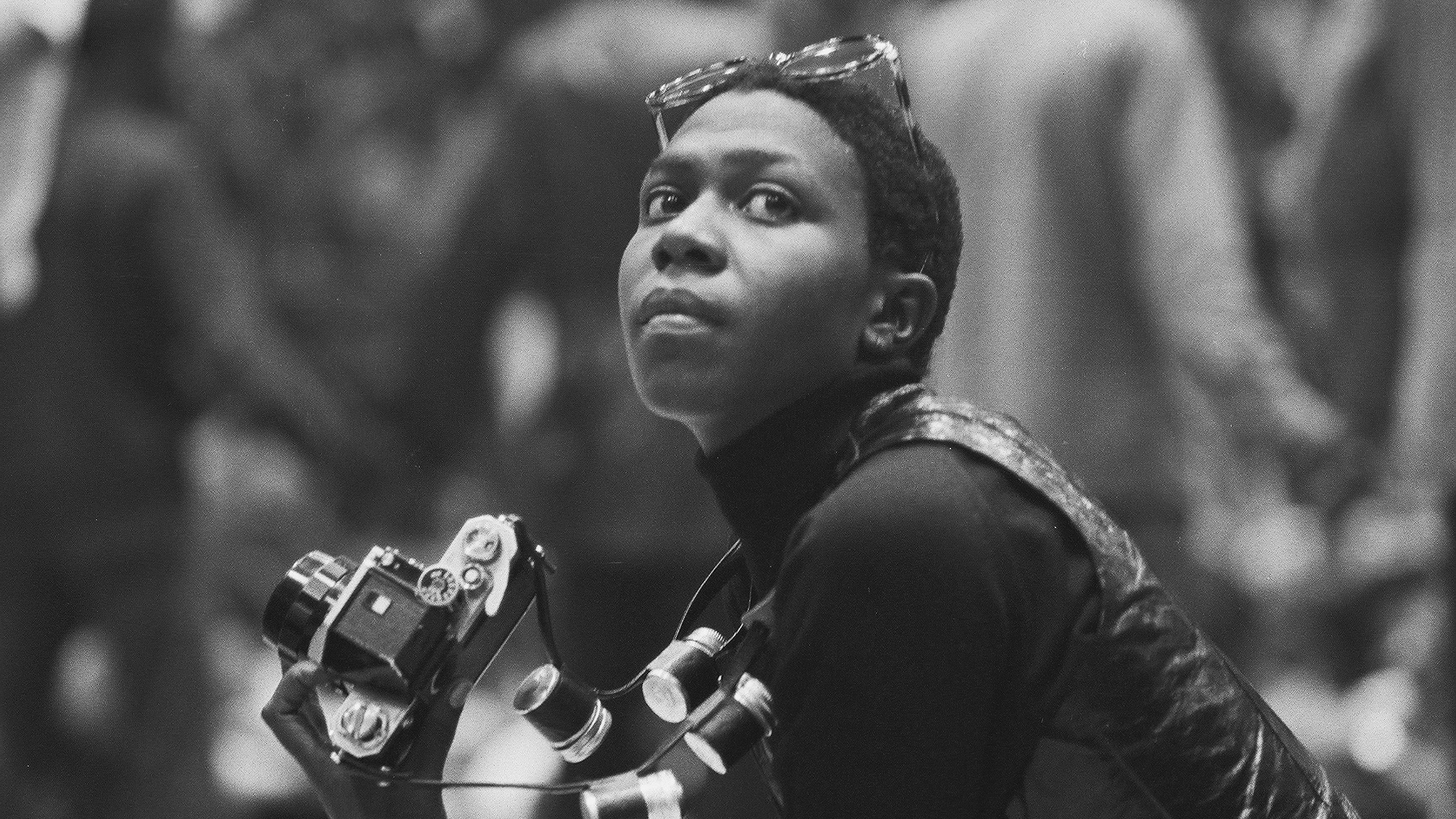
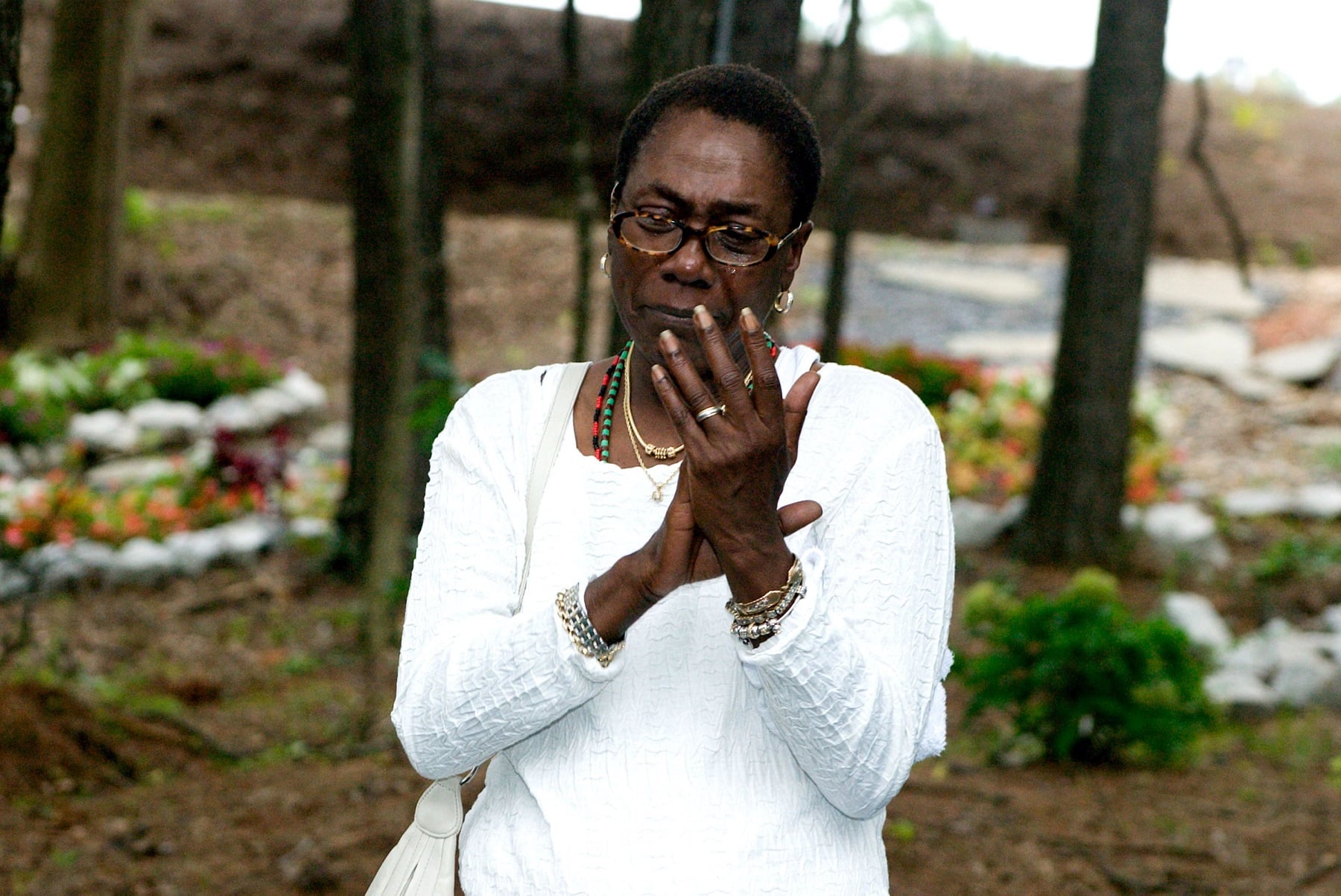
Afeni Shakur’s religion was not a single, static denomination but an evolving, personal spirituality that transitioned from traditional Southern Baptist roots to revolutionary secularism, and finally to a non-denominational faith centered on a "Higher Power." Her spiritual journey emphasized personal accountability, social justice, and a direct relationship with the divine outside the confines of organized religious institutions.
Early Roots: Baptist Upbringing and the Shift to Political Activism
Born Alice Faye Williams in 1947 in Lumberton, North Carolina, Afeni Shakur was raised in the heart of the segregated South. Like many African Americans of her generation, her early life was steeped in the traditions of the Black Baptist Church. In this context, the church served as more than just a place of worship; it was a sanctuary from the systemic violence of Jim Crow and a primary hub for community organization. The sermons she heard as a child focused on the themes of exodus, liberation, and the inherent dignity of the oppressed—themes that would later form the bedrock of her political and spiritual consciousness.
However, as she moved to New York City in the 1960s, Afeni began to feel a disconnect between the traditional church's rhetoric and the urgent needs of the Black community. She perceived the organized church of that era as being too passive in the face of escalating racial injustice. This disillusionment led her to the Black Panther Party in 1968. During this period, she changed her name to Afeni, which means "dear to the people" or "lover of the people" in Yoruba. Her "religion" effectively shifted from the pulpit to the platform of the Ten-Point Program. The Panther philosophy was rooted in Marxist-Leninist secularism and dialectical materialism, emphasizing that power comes from the people rather than a supernatural entity.
Despite the secular nature of the Panthers, Afeni’s actions during this time were deeply "spiritual" in a functional sense. Her commitment to the Free Breakfast for Children programs and health clinics was an extension of the "love your neighbor" ethos she learned in the Baptist church, reframed through a revolutionary lens. This period taught her that faith without works—specifically works that challenged the status quo—was insufficient.
The Panther 21 and the Trial of Faith
In 1969, Afeni Shakur was arrested as part of the Panther 21, a group of Black Panther members accused of conspiring to bomb police stations and public places in New York. Facing a possible 300-year sentence and pregnant with her son, Lesane Parish Crooks (later renamed Tupac Amaru Shakur), Afeni chose to represent herself in court.
This period was a pivotal spiritual crucible. Afeni often spoke about the immense internal strength required to face the weight of the American legal system while carrying a child. While she did not frequently cite specific scriptures during the trial, her reliance on truth as a defensive shield mirrored the biblical concept of "the truth shall set you free." Her acquittal in 1971 was seen by many as a modern-day miracle, reinforcing her belief in a justice that transcended the written law. This experience solidified her view that the "spirit" resides within the individual’s capacity for resilience and intellectual clarity.
Afeni’s Spiritual Evolution and the Recovery Journey
Following the decline of the Black Panther Party and her subsequent struggle with substance abuse in the 1980s, Afeni Shakur’s spirituality underwent its most profound transformation. Her path to sobriety was facilitated through 12-step programs, which emphasize a relationship with a "Higher Power" as the individual understands it.
This period moved her away from the rigid secularism of her revolutionary years and back toward a concept of God, but it was a God stripped of denominational dogma. She embraced a more eclectic, Pan-African spirituality that integrated:
- Ancestral Veneration: Acknowledging the strength and struggles of those who came before her.
- Universalism: The belief that all paths to the divine are valid if they lead to healing and service.
- Radical Honesty: The spiritual practice of "walking in the light," which she applied to her public admissions of her past mistakes.
By the early 1990s, when her son Tupac’s career was ascending, Afeni had established a spiritual practice that was deeply grounded in the "Spirit of Truth." She taught that one must be accountable to God directly, a philosophy that would heavily influence Tupac's own lyrical content and public persona.
How Afeni Shakur Shaped Tupac’s Religious Worldview
Tupac Shakur’s complex relationship with God is one of the most studied aspects of his legacy. His lyrics frequently toggled between deep devotion and scathing critiques of organized religion. This duality was a direct inheritance from Afeni.
She did not force Tupac into a specific church; instead, she encouraged him to read, question, and seek the divine in the struggles of the "ghetto." Tupac’s famous concept of "Only God Can Judge Me" was not an excuse for lawlessness, but a reflection of Afeni’s teaching that human institutions are flawed and often biased, whereas the Creator sees the heart and the intent.
| Spiritual Aspect | Afeni's Influence on Tupac | Reflection in Tupac’s Work |
|---|---|---|
| Organized Religion | Taught skepticism of "church as a business." | Lyrics in "Blasphemy" critiquing "pimping" preachers. |
| Nature of God | Viewed God as a source of strength for the oppressed. | "Ghetto Gospel" and the search for peace in chaos. |
| Social Justice | Faith must be expressed through activism. | The "Thug Life" movement as a social code of conduct. |
| Personal Judgment | God as the ultimate arbiter, not society. | "Only God Can Judge Me" (Title and core theme). |
Afeni’s spiritual legacy in Tupac is most evident in his "God-centric" worldview that exists entirely outside of traditional Western Christianity. He viewed God as someone who understood the "thug," the "outcast," and the "single mother"—a perspective Afeni cultivated by sharing her own journey of redemption and struggle.
The Afeni Shakur Foundation and Her Enduring Legacy in 2026
As of 2026, a decade since her passing in 2016, Afeni Shakur’s spiritual legacy continues through the Tupac Amaru Shakur Foundation (TASF). The foundation's focus on mental health, the arts, and social services is the physical manifestation of her spiritual belief in "healing the whole person."
Afeni believed that the spirit cannot thrive if the mind and body are neglected. Her legacy is not found in a church building, but in the institutionalized efforts to provide therapy and creative outlets for youth in underserved communities. In 2026, the foundation remains a leading voice in the intersection of Hip-Hop and mental health advocacy, reflecting Afeni's belief that "God is in the work."
Furthermore, her spiritual journey has become a blueprint for "Revolutionary Womanhood." She demonstrated that one could be a fierce political radical and a person of deep, abiding faith simultaneously. Her life taught that spirituality is not about escaping the world's problems through prayer, but about finding the spiritual fortitude to face those problems head-on.
Analyzing the Themes of Faith in Her Teachings
To understand Afeni Shakur’s spiritual legacy, one must analyze her core teachings, which she shared through interviews, the book Afeni Shakur: Evolution of a Revolutionary, and her public speeches.
- The Divinity of Mothers: Afeni often spoke about the sacred role of the mother as the first teacher and the first source of spiritual grounding. She viewed the struggle of the Black mother as a divine mission.
- Redemption Over Perfection: Her life was an open book regarding her drug addiction and her recovery. Her spirituality was one of "fallen but rising," teaching that God’s grace is found in the process of recovery rather than in the avoidance of sin.
- The Power of the Word: Like the West African Griot tradition, Afeni believed that words carried spiritual weight. She taught Tupac that his voice was a gift from the Creator and that he had a responsibility to use it for those who were voiceless.
- Eclecticism: She found truth in the Bible, the Quran, and political manifestos. This "spiritual gumbo" allowed her to connect with a wide range of people, from former Panthers to young rappers.
Was Afeni Shakur a Muslim?
While many members of the Black Panther Party and the Black Power movement were influenced by the Nation of Islam or orthodox Islam, Afeni Shakur was not a practicing Muslim. She respected Islamic discipline and the Nation of Islam’s work in the Black community, but her personal faith remained a non-denominational spiritualism that drew from various sources, including her Baptist upbringing and 12-step recovery principles.
How did Afeni's faith influence Tupac's views on the afterlife?
Tupac’s lyrics often reflected a "restless" view of the afterlife, where he hoped for a "Black Man's Heaven." This was influenced by Afeni’s teaching that the struggle for peace begins on earth. She emphasized that "Heaven" was a state of being and a reward for those who fought for justice, rather than just a destination after death.
Did Afeni Shakur return to the church before her death?
In her later years, Afeni did not return to a traditional Baptist lifestyle, but she was deeply involved in spiritual communities. She maintained a "private altar" of sorts, where her spirituality was expressed through her gardening, her philanthropy, and her stewardship of her son's estate. She remained a "believer" in the broadest sense until her passing in 2016.
What is the primary message of her spiritual legacy in 2026?
The primary message is that spirituality is a tool for liberation. In 2026, scholars and activists point to Afeni Shakur as a prime example of how faith can be used to sustain oneself through political imprisonment, addiction, and the grief of losing a child. Her legacy teaches that one's relationship with God is the ultimate source of autonomy.
Practical Engagement with the Shakur Legacy
For those looking to honor Afeni Shakur’s spiritual legacy, the most effective path is through service-based activism. Her faith was never a passive experience; it was an active engagement with the world's suffering.
- Support Grassroots Arts: Afeni believed the arts were a spiritual conduit. Supporting local youth arts programs aligns with her vision for TASF.
- Advocate for Holistic Health: Her journey through recovery highlights the spiritual importance of mental health and addiction services.
- Study Black Revolutionary History: Understanding her faith requires understanding the history of the Black Panther Party and the Student Nonviolent Coordinating Committee (SNCC), which provided the political context for her spiritual evolution.
By viewing Afeni Shakur not just as the mother of a rap icon, but as a spiritual philosopher in her own right, we gain a deeper understanding of the resilience that defines the African American experience. Her "religion" was, ultimately, the relentless pursuit of truth and the unwavering belief that every human being has a divine right to be free.