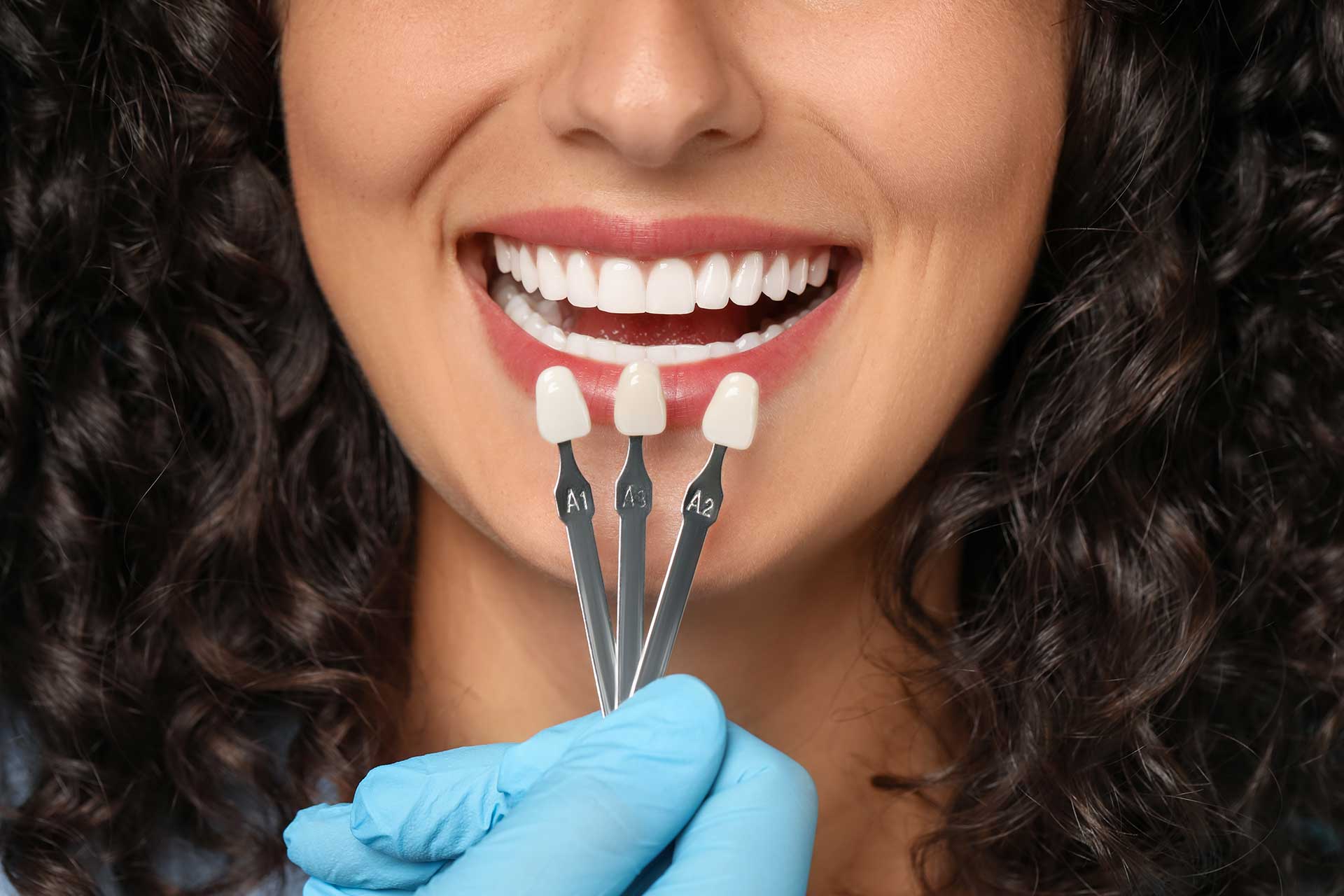
Aesthetic dentistry is a specialized field of dental care focused on enhancing the visual appearance of the teeth, gums, and bite while maintaining optimal functional health. Unlike traditional dentistry, which prioritizes the prevention and treatment of oral disease, aesthetic dentistry integrates clinical precision with artistic principles to improve symmetry, color, and facial harmony through procedures like veneers, bonding, and advanced digital smile design.
The landscape of dental care has shifted significantly by 2026. Patients no longer seek merely the "whitest" teeth; instead, the demand has pivoted toward "biomimetic" results—restorations that are indistinguishable from natural tooth structure in both appearance and physical performance. Aesthetic dentistry today is as much about the psychological impact of a confident smile as it is about the technical application of ceramics and composites.
The Evolution and Philosophy of Aesthetic Dentistry
Aesthetic dentistry represents the intersection of medicine and art. While the term is often used interchangeably with "cosmetic dentistry," practitioners in 2026 distinguish the two by the level of functional integration. Cosmetic dentistry often focuses on superficial changes, whereas aesthetic dentistry prioritizes the "Golden Proportion" and facial flow, ensuring that any visual enhancement supports the long-term structural integrity of the patient’s masticatory system.
The philosophy of modern aesthetic treatment is rooted in "minimally invasive" protocols. Historically, achieving a perfect smile often required the aggressive removal of healthy tooth enamel to make room for crowns or thick veneers. Current standards emphasize enamel preservation. Through the use of high-strength lithium disilicate (E-max) and translucent zirconia, dentists can now create ultra-thin restorations that require little to no reduction of the natural tooth. This shift is critical because enamel is a finite resource; preserving it ensures the tooth remains vital and less prone to sensitivity or structural failure over time.
Furthermore, the aesthetic approach considers the "pink aesthetics"—the health and contour of the gingival (gum) tissues. A perfect set of teeth can look artificial if the gum line is asymmetrical or recessed. Modern aesthetic dentistry frequently employs soft-tissue lasers to contour the gums, creating a balanced frame for the teeth.
Primary Procedures in Aesthetic Smile Transformation
To understand how aesthetic dentistry solves complex dental issues, one must look at the specific modalities used to correct imperfections such as discoloration, misalignment, gaps (diastemas), and chipped edges.
Porcelain Veneers and Lumineers
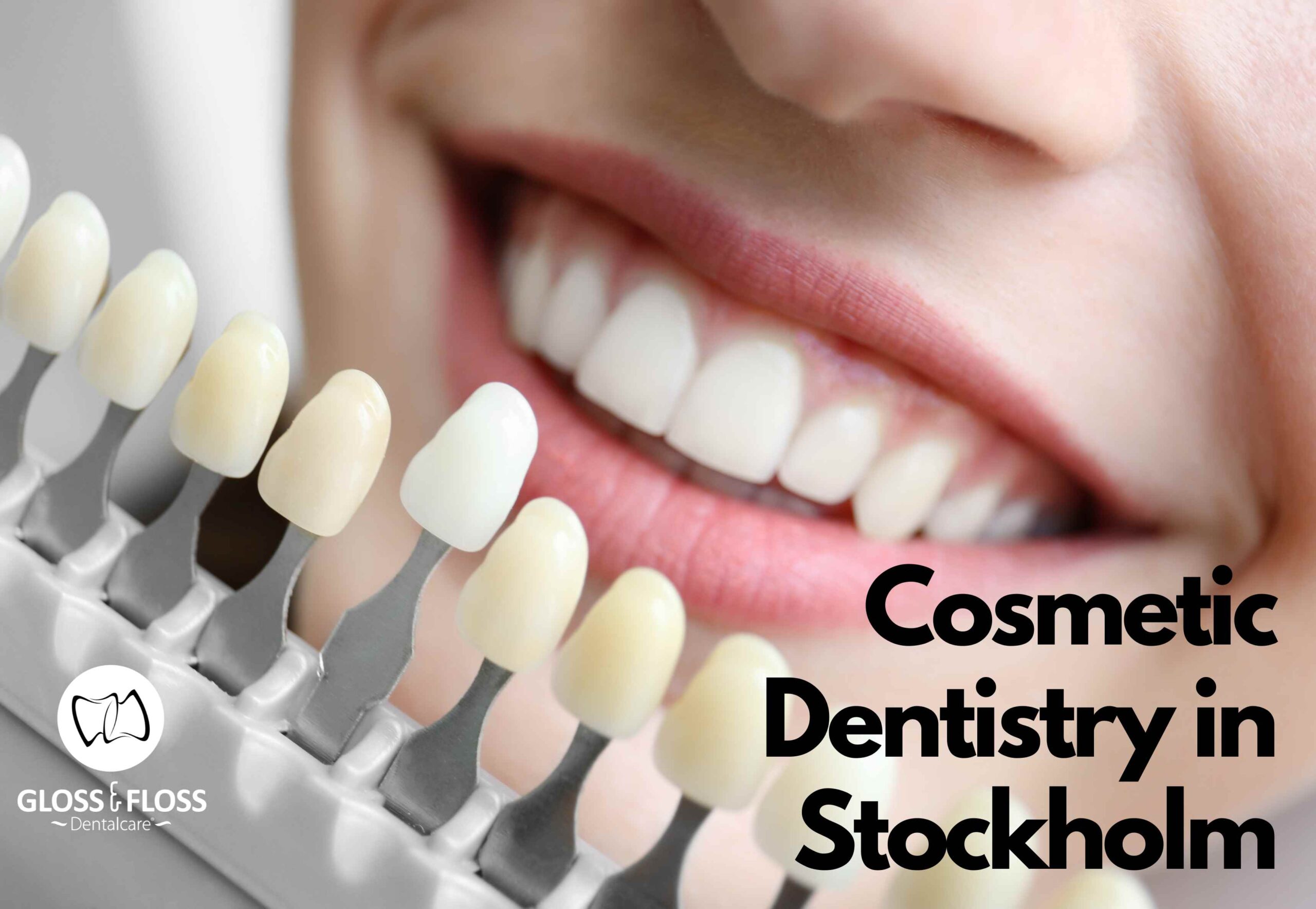
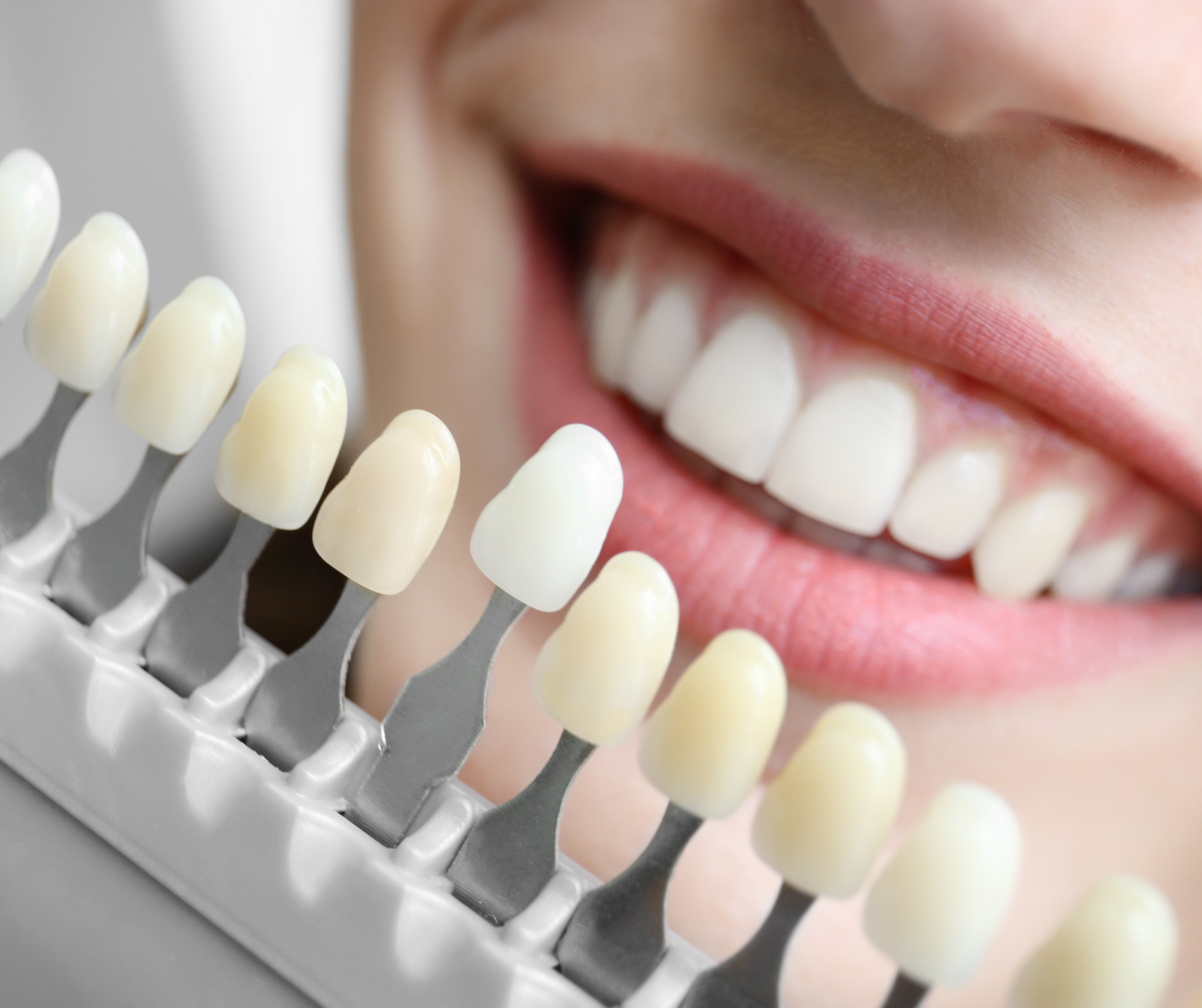
Veneers remain the gold standard for comprehensive smile makeovers. These are custom-made, wafer-thin shells of dental ceramic bonded to the front surface of the teeth. In 2026, the use of "layered" porcelain allows technicians to mimic the natural opalescence and translucency of human enamel. Veneers can correct almost any aesthetic concern, including permanent deep stains that do not respond to bleaching, slightly crooked teeth, and uneven tooth lengths.
Composite Resin Bonding
For patients seeking immediate results with lower financial investment, composite bonding is a highly effective alternative. A tooth-colored, biocompatible resin is applied directly to the tooth, sculpted by hand, and hardened with a high-intensity curing light. While composite is more prone to staining and wear than porcelain, modern nano-hybrid composites offer impressive durability and a high-polish finish that rivals the luster of natural teeth.
Professional Teeth Whitening and Internal Bleaching
Whitening is the most requested aesthetic procedure. Beyond standard surface whitening, aesthetic dentists now utilize "internal bleaching" for teeth that have darkened due to trauma or previous root canal therapy. This involves placing a whitening agent inside the tooth structure itself to brighten it from the inside out, a task that over-the-counter products cannot achieve.
Clear Aligner Therapy (Orthodontic Integration)
Aesthetic dentistry often begins with alignment. Using clear aligners (such as Invisalign or similar 2026-standard systems), dentists can move teeth into the ideal position before applying veneers or bonding. This "ortho-aesthetic" approach ensures that the final restorations are placed on a stable, well-aligned foundation, which significantly improves the longevity of the dental work.
Technological Integration: Digital Smile Design (DSD)
The most significant advancement in aesthetic dentistry over the last decade is the implementation of Digital Smile Design (DSD). This process removes the guesswork from cosmetic consultations, allowing patients to see their results before any permanent changes are made.
The DSD workflow typically follows these steps:
- 3D Intraoral Scanning: High-definition digital impressions replace the uncomfortable "putty" molds of the past. These scans create a perfect 1:1 digital twin of the patient's oral cavity.
- Facial Analysis AI: Advanced software analyzes the patient's facial proportions, lip line, and speech patterns. The software ensures the new teeth "flow" with the patient's unique facial movements.
- The Digital Mock-up: The dentist designs the ideal tooth shapes and positions digitally.
- The Physical Trial: Using 3D printing, a temporary "trial smile" is created. The patient can wear this temporary acrylic version of their new smile for a few days to test the look, feel, and phonetics (speech) in real-world conditions.
This technology has revolutionized patient satisfaction. By 2026, the "trial smile" phase has become a standard ethical requirement in high-end aesthetic clinics to ensure informed consent and clinical accuracy.
Material Science: Zirconia vs. Lithium Disilicate
The choice of material is a technical decision that dictates both the beauty and the lifespan of the restoration. Aesthetic dentists must balance the need for strength (to withstand biting forces) with the need for translucency (to look real).
- Lithium Disilicate (E-max): Known for its superior translucency and "chameleon effect," E-max is the preferred choice for front teeth (the aesthetic zone). It bonds exceptionally well to enamel, creating a unified structure.
- Monolithic Zirconia: Traditionally used for back teeth due to its extreme toughness, modern "high-translucency" zirconia is now frequently used for aesthetic bridges and full-arch restorations (such as "All-on-X" implants). It is virtually unbreakable and is highly resistant to staining.
The following table compares the most common aesthetic interventions as of 2026:
| Procedure | Primary Aesthetic Goal | Expected Longevity | Typical Invasiveness |
|---|---|---|---|
| Porcelain Veneers | Total reshape & brighten | 10–20 Years | Minimal to Moderate |
| Composite Bonding | Repair chips & small gaps | 5–8 Years | Non-invasive |
| Dental Implants | Replace missing teeth | 25+ Years | Surgical |
| Gum Contouring | Fix "gummy" smile | Permanent | Minimal (Laser) |
| In-Office Whitening | Remove deep stains | 1–3 Years | Non-invasive |
| Ceramic Crowns | Restore damaged teeth | 15–20 Years | Moderate |
Cost Considerations and Investment Analysis
Aesthetic dentistry is largely considered an elective "out-of-pocket" expense. In 2026, while basic restorative work might be covered by dental insurance, pure aesthetic enhancements (like veneers or whitening) are rarely covered unless there is a documented functional necessity, such as replacing a fractured crown.
Costs vary significantly based on geographic location, the expertise of the clinician, and the quality of the dental laboratory used. High-end aesthetic results require a skilled "Master Ceramist" to hand-finish the porcelain, which increases the laboratory fee. Patients should view these procedures as a long-term investment in their professional and social confidence, as well as their oral health. Many clinics now offer specialized financing plans to distribute the cost of comprehensive smile makeovers over several years.
The Patient Journey and Maintenance
Achieving a successful result in aesthetic dentistry requires a collaborative effort between the patient and the dental team. The process begins with a comprehensive health screening; aesthetic work cannot be performed on a foundation of gum disease or untreated decay.
Once the health foundation is cleared, the treatment progresses through the design, preparation, and "seat" (delivery) of the restorations. However, the completion of the procedure is just the beginning of the maintenance phase.
Maintenance Requirements:
- Night Guards: Most aesthetic dentists now require patients to wear a custom-fitted occlusal guard at night. This protects expensive ceramic work from the destructive forces of bruxism (teeth grinding).
- Non-Abrasive Hygiene: Patients must use specific non-abrasive toothpastes to avoid scratching the surface polish of veneers or composite resins.
- Professional Cleaning: Regular prophylaxis (cleaning) by a dental hygienist familiar with aesthetic restorations is essential to prevent "marginal staining" where the restoration meets the natural tooth.
Frequently Asked Questions
Is aesthetic dentistry painful?
Most aesthetic procedures are minimally invasive and performed under local anesthesia. For more extensive transformations or patients with dental anxiety, many clinics in 2026 offer sedation dentistry options. Post-operative sensitivity is usually mild and resolves within a few days.
What is the difference between aesthetic and cosmetic dentistry?
While often used interchangeably, "aesthetic" dentistry focuses on creating a look that is naturally beautiful and functionally sound, often involving restorative work. "Cosmetic" dentistry is a broader term that may focus strictly on the visual "whiteness" or "straightness" of the teeth, sometimes at the expense of natural-looking variation.
Will my insurance cover porcelain veneers?
Generally, no. Insurance companies classify veneers as elective cosmetic procedures. However, if a tooth requires a crown for structural reasons (such as a large cavity or fracture), the insurance may cover a portion of the cost, even if the crown is designed to be highly aesthetic.
Can I get veneers if I have gum disease?
No. Aesthetic procedures should only be performed on a healthy foundation. Any existing periodontal (gum) disease must be treated and stabilized before a dentist will proceed with aesthetic enhancements. Placing veneers on unhealthy gums can lead to rapid failure and bone loss.
How do I choose the right aesthetic dentist?
Look for a dentist who provides a portfolio of their own actual cases (not stock photos) and emphasizes "Digital Smile Design" or "biomimetic" principles. Accreditation from recognized bodies, such as the American Academy of Cosmetic Dentistry (AACD), is also a strong indicator of specialized training and clinical excellence.
Next Actions for Smile Enhancement
If you are considering aesthetic dentistry, the first step is to schedule a comprehensive consultation that includes a "Smile Analysis." During this visit, ensure the dentist takes full-face photographs and digital scans. Ask to see a digital preview or a "wax-up" of your potential results before committing to treatment. It is also advisable to address any underlying bite issues or grinding habits early in the process, as these are the leading causes of aesthetic restoration failure.
Disclaimer: This information is for educational purposes and does not constitute medical advice. Always consult with a licensed dental professional to determine the best treatment plan for your specific oral health needs.