Aerospace safety is a comprehensive discipline dedicated to the identification, assessment, and mitigation of risks associated with flight within and beyond Earth's atmosphere. It encompasses a rigorous synergy of engineering excellence, human factors analysis, and strict regulatory compliance. As of 2026, this field ensures the operational integrity of commercial aviation, private space exploration, and emerging autonomous aerial systems through a multi-layered defense strategy known as a Safety Management System (SMS).
The Evolution of the Aerospace Safety Paradigm
Historically, aviation and space safety were treated as distinct domains. However, as we move through 2026, the boundaries have blurred. The rise of suborbital tourism, high-altitude long-endurance (HALE) platforms, and point-to-point rocket travel has necessitated a unified "aerospace" approach. This evolution is driven by the understanding that safety is not merely the absence of accidents but the presence of robust defenses and systemic resilience.
In the early decades of flight, safety was reactive—improvements were made only after a tragedy. Modern aerospace safety is fundamentally proactive and predictive. It utilizes vast streams of data from Flight Data Monitoring (FDM) and satellite telemetry to identify trends before they manifest as incidents. The goal is to move from "learning from failure" to "anticipating failure," ensuring that the complex interdependencies of modern hardware and software do not lead to catastrophic cascading effects.
The Four Pillars of Safety Management Systems (SMS)
The globally recognized standard for managing aerospace safety is the Safety Management System (SMS). Mandated by the International Civil Aviation Organization (ICAO) and enforced by national regulators like the FAA and EASA, the SMS framework consists of four critical components that every aerospace organization must implement to maintain operational certification.
1. Safety Policy
This establishes the senior management's commitment to safety. It defines the organizational structure, responsibilities, and accountabilities. A crucial element of modern safety policy is the "Just Culture" philosophy, which encourages employees to report errors or hazards without fear of retribution, provided the actions were not result of gross negligence or willful misconduct.
2. Safety Risk Management (SRM)
SRM is the process through which hazards are identified and risks are analyzed. In 2026, this involves sophisticated digital twin modeling and Probabilistic Risk Assessment (PRA). Engineers look at the "severity" of a potential event versus its "probability." If the risk falls into an unacceptable "red" zone on the risk matrix, mitigation strategies—such as hardware redundancy or modified procedures—must be implemented before operations can proceed.
3. Safety Assurance
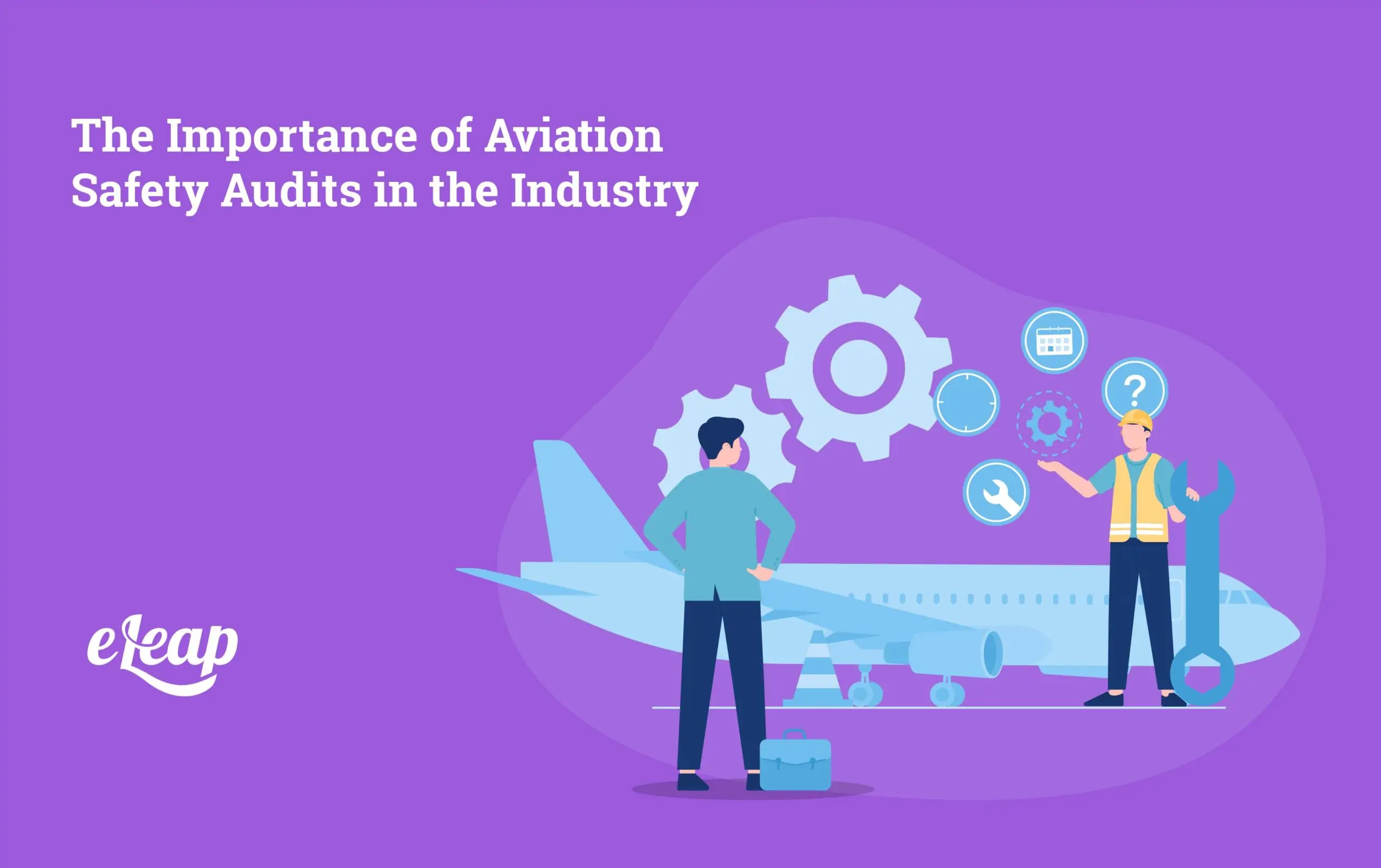
This pillar acts as a quality control mechanism for the safety system itself. It involves continuous monitoring, internal audits, and data analysis to ensure that the risk mitigations developed in the SRM phase are actually working. Safety assurance allows an organization to verify that they are not just "following the rules" but are actually achieving the desired safety outcomes.
4. Safety Promotion
Safety promotion focuses on training, communication, and the cultivation of a positive safety culture. It ensures that every stakeholder, from the maintenance technician on the hangar floor to the mission controller in a space operations center, understands their role in the safety chain.
Engineering for Reliability: Redundancy and Software Integrity
In the aerospace sector, mechanical or electronic failure can have immediate and total consequences. Therefore, engineering for safety relies on the principle of "fail-safe" design. This means that if a component fails, the system is designed to revert to a safe state or continue operating through redundant paths.
Hardware Redundancy
Modern aircraft and spacecraft utilize triple or even quadruple redundancy for critical systems. For example, fly-by-wire flight control systems typically use multiple independent computers and hydraulic actuators. If one computer malfunctions or a sensor provides "erroneous data," voting logic compares the inputs and ignores the outlier to maintain controlled flight.
Software Verification (DO-178C)
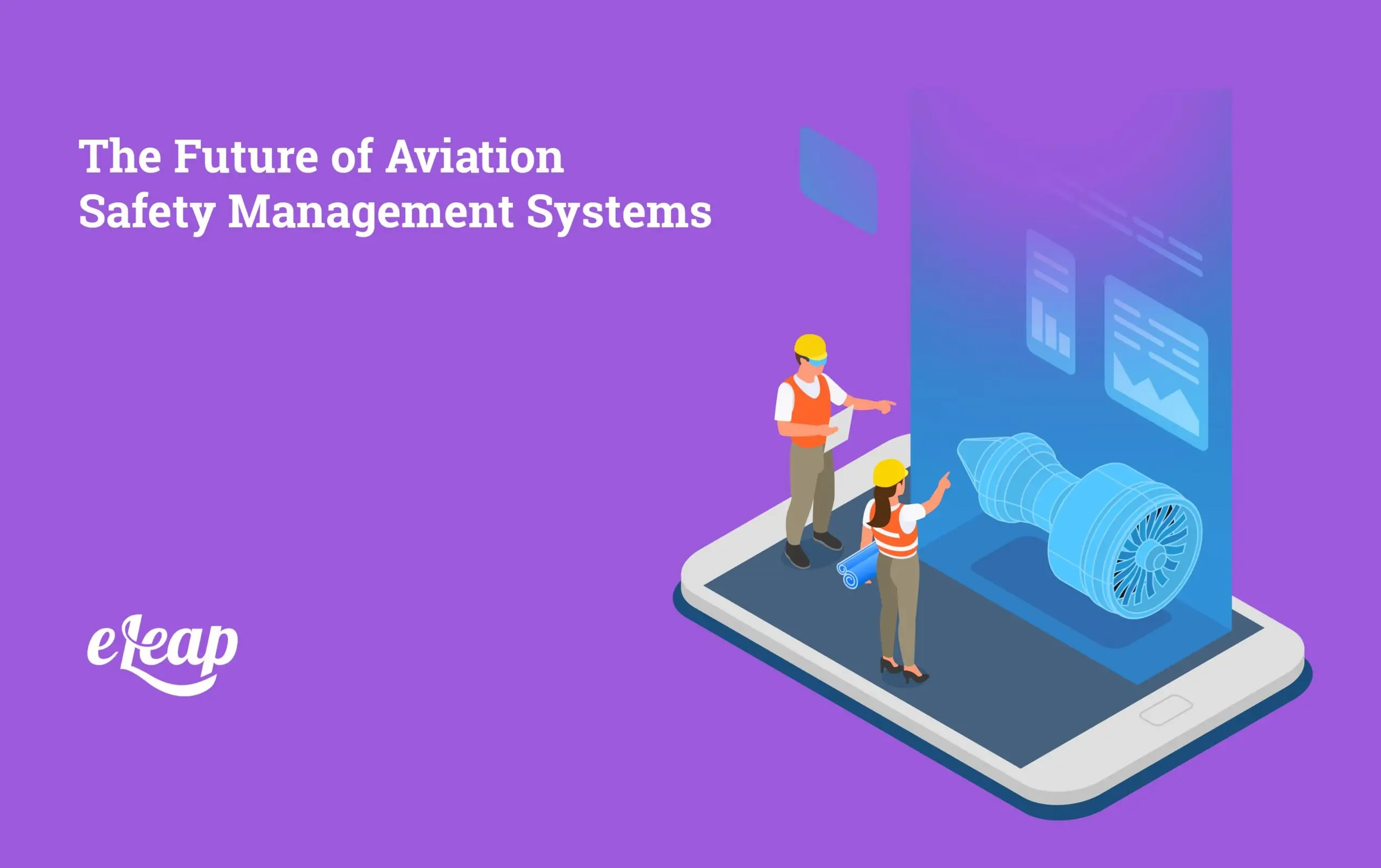
As aerospace vehicles become increasingly software-defined, the integrity of code is paramount. The industry follows rigorous standards such as DO-178C, "Software Considerations in Airborne Systems and Equipment Certification." This standard requires exhaustive testing and verification to ensure that the software behaves exactly as intended under every conceivable condition. In 2026, this also includes the "Explainable AI" (XAI) protocols for autonomous systems, ensuring that AI-driven decisions in the cockpit can be audited and understood by human supervisors.
Human Factors: The SHELL Model and Crew Resource Management
Despite advancements in automation, humans remain a central element of the aerospace safety equation. Human factors science studies the interaction between people and their tools, environments, and colleagues. The industry frequently utilizes the SHELL Model to visualize these interactions:
- Software: Rules, procedures, and symbology.
- Hardware: The physical equipment and cockpit interfaces.
- Environment: The internal (cockpit) and external (weather, radiation) conditions.
- Liveware (The Individual): The human at the center (pilot, controller, engineer).
- Liveware (The Team): The interaction between different human elements.
One of the greatest successes in aerospace safety has been the implementation of Crew Resource Management (CRM). Originally developed by NASA and major airlines in the late 1970s, CRM focuses on communication, leadership, and decision-making. It breaks down rigid hierarchies, allowing a junior officer to challenge a captain if they perceive a safety threat. In 2026, CRM has been expanded into "Multi-Domain Resource Management," including the coordination between human pilots and ground-based operators of unmanned systems.
Regulatory Oversight and Global Standards
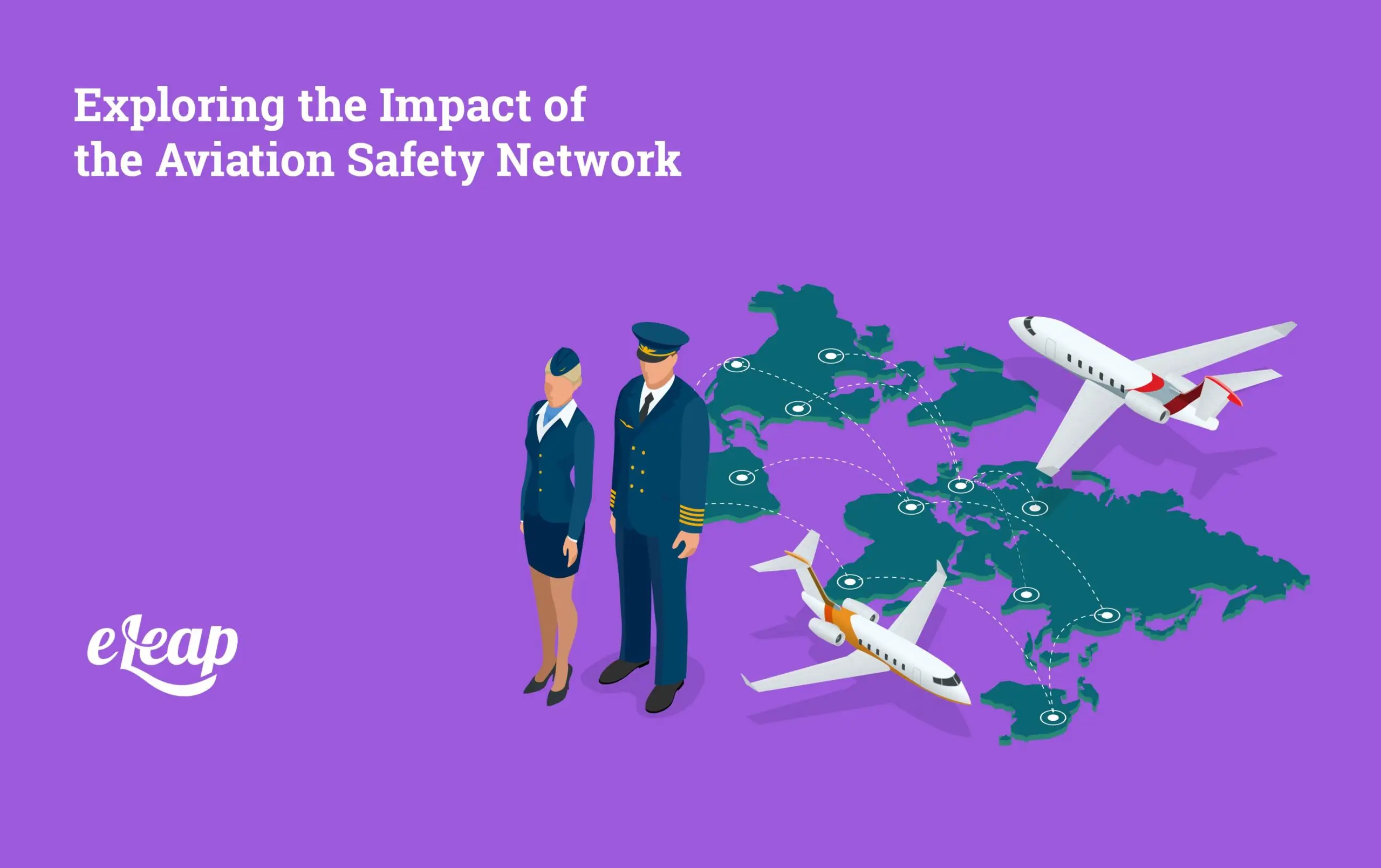
Aerospace safety is governed by a complex web of international and national bodies. These organizations set the "floor" for safety standards that all operators must meet.
| Organization | Scope | Primary Responsibility |
|---|---|---|
| ICAO | Global Aviation | Setting international SARPs (Standards and Recommended Practices). |
| FAA (USA) | National (USA) | Certification of aircraft, pilots, and space launch licenses. |
| EASA (EU) | Regional (Europe) | Harmonizing safety rules across European member states. |
| UNOOSA | Outer Space | Managing the "Space Debris" registry and long-term sustainability guidelines. |
| RTCA/EUROCAE | Technical | Developing consensus-based technical performance standards for avionics. |
Compliance with these bodies is not optional. For instance, the AS9100 quality management standard is a requirement for almost all aerospace manufacturers, ensuring that every bolt, chip, and composite panel has a verified pedigree and meets stringent durability requirements.
Modern Challenges: Space Debris and Urban Air Mobility
As we navigate through 2026, two specific areas have emerged as the primary frontiers of aerospace safety: the management of orbital debris and the integration of Urban Air Mobility (UAM).
The Kessler Syndrome and Space Sustainability
In the orbital environment, safety is threatened by the sheer volume of "space junk." Even a fragment of paint traveling at 17,500 mph can cause catastrophic damage to a satellite or a crewed habitat. The industry is currently implementing "Space Situational Awareness" (SSA) programs to track debris and "Active Debris Removal" (ADR) technologies. International guidelines now require satellites to have a de-orbit plan to ensure they do not remain in useful orbits indefinitely after their mission ends.
Urban Air Mobility (UAM) and Drones
The proliferation of electric Vertical Take-Off and Landing (eVTOL) aircraft—often called "flying taxis"—presents a unique safety challenge. These vehicles operate in densely populated urban environments at low altitudes. Safety in this sector relies on "Detect and Avoid" (DAA) technology and highly automated Traffic Management (UTM) systems that function similarly to air traffic control but at a much higher density and speed.
Risk Assessment Methodologies
To maintain the high safety records of the 2020s, aerospace professionals use quantitative and qualitative risk assessments.
- Fault Tree Analysis (FTA): A top-down approach that starts with an undesirable event (e.g., engine failure) and maps out all the possible combinations of component failures that could cause it.
- Failure Mode and Effects Analysis (FMEA): A bottom-up approach that examines every individual component to see what happens to the system if that specific part fails.
- Hazard and Operability Study (HAZOP): A structured brainstorming technique used to identify deviations from intended design that could lead to safety risks.
These methodologies ensure that engineers don't just hope for the best; they mathematically prove that the probability of a "hull loss" event is less than one in a billion flight hours for commercial transport.
FAQ: Aerospace Safety in 2026
What is the difference between aviation safety and space safety?
Aviation safety focuses on aerodynamic flight within the atmosphere, emphasizing weather, air traffic control, and mechanical reliability. Space safety focuses on orbital mechanics, vacuum environments, radiation shielding, and high-velocity re-entry. However, as 2026 technologies like suborbital rockets emerge, the two fields are merging into a single "aerospace safety" discipline.
How does "Just Culture" improve safety?
Just Culture improves safety by removing the fear of punishment for honest mistakes. When employees feel safe to report "near misses," the organization gains valuable data that can be used to fix systemic flaws. Without it, errors are often hidden until they result in a major accident.
Are autonomous aircraft safer than human-piloted ones?
In 2026, the data suggests that autonomous systems are superior at handling repetitive tasks and rapid calculations, reducing "pilot fly-into-terrain" accidents. However, humans are still better at handling "unprecedented" emergencies where creative problem-solving is required. The safest systems currently use a "Human-in-the-Loop" or "Human-on-the-Loop" approach.
What is the "Kessler Syndrome"?
The Kessler Syndrome is a theoretical scenario where the density of objects in Low Earth Orbit (LEO) is high enough that a collision between objects could cause a cascade—each collision generating debris that increases the likelihood of further collisions. Aerospace safety protocols in 2026 are heavily focused on preventing this to ensure space remains usable.
How are black boxes evolving?
Modern "black boxes" (Flight Data Recorders and Cockpit Voice Recorders) in 2026 now often include real-time satellite streaming capabilities. This ensures that even if a recorder is lost in deep water, the data leading up to the incident is already securely stored in a cloud-based server for investigators.
Implementing a Proactive Safety Posture
For organizations and professionals looking to enhance their aerospace safety profile, the next step is the transition from "Compliance" to "Commitment." Mere adherence to FAA or EASA regulations is the minimum requirement; a proactive safety posture involves the continuous investment in predictive data analytics and the strengthening of a safety-first organizational culture.
Stakeholders should prioritize the integration of Advanced Air Mobility (AAM) standards and ensure that their Safety Management Systems are dynamic enough to incorporate the rapid advancements in AI and carbon-neutral propulsion. By treating safety as an evolving engineering challenge rather than a static set of rules, the aerospace industry can continue to maintain its status as the world's safest mode of transportation and exploration.