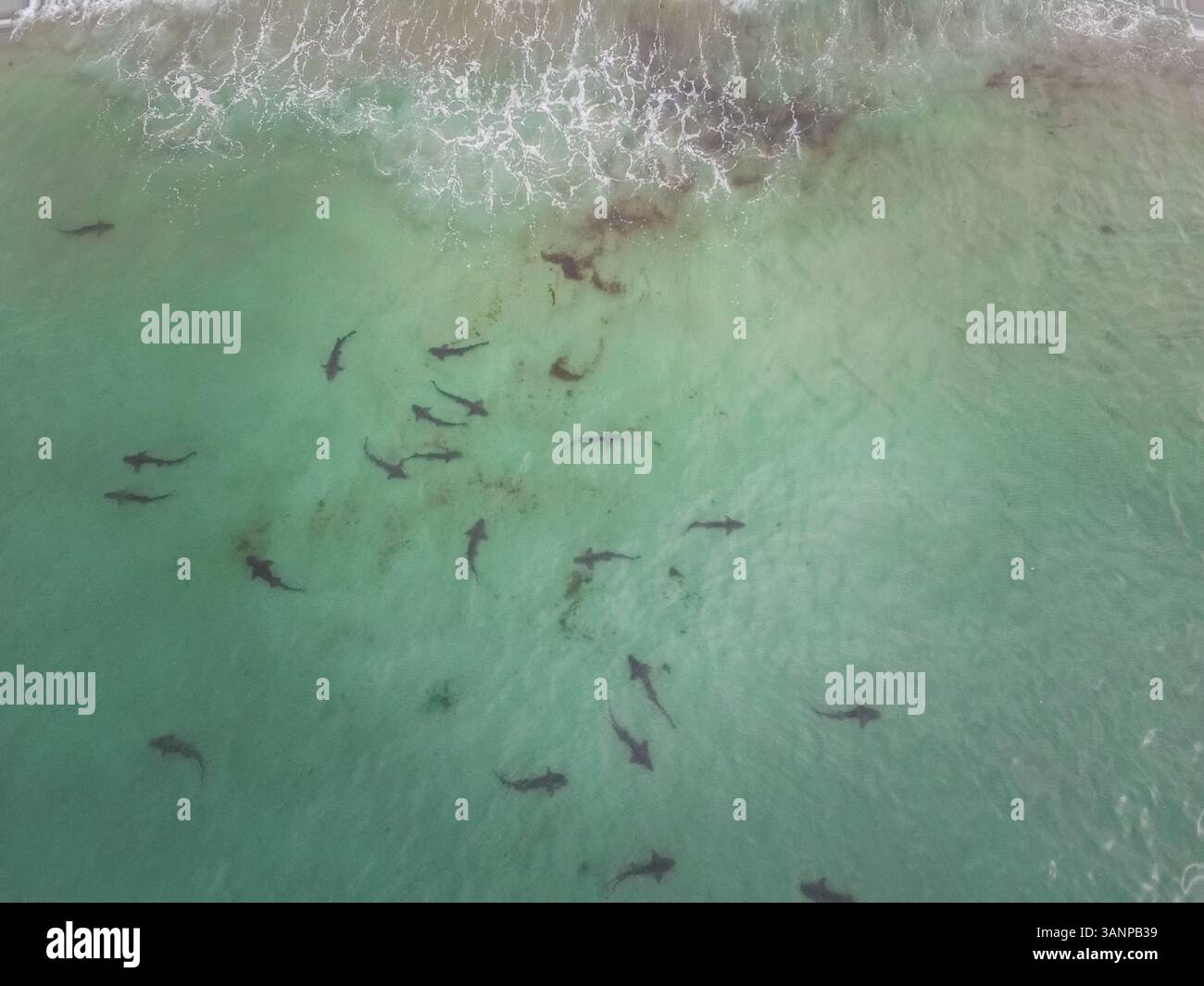
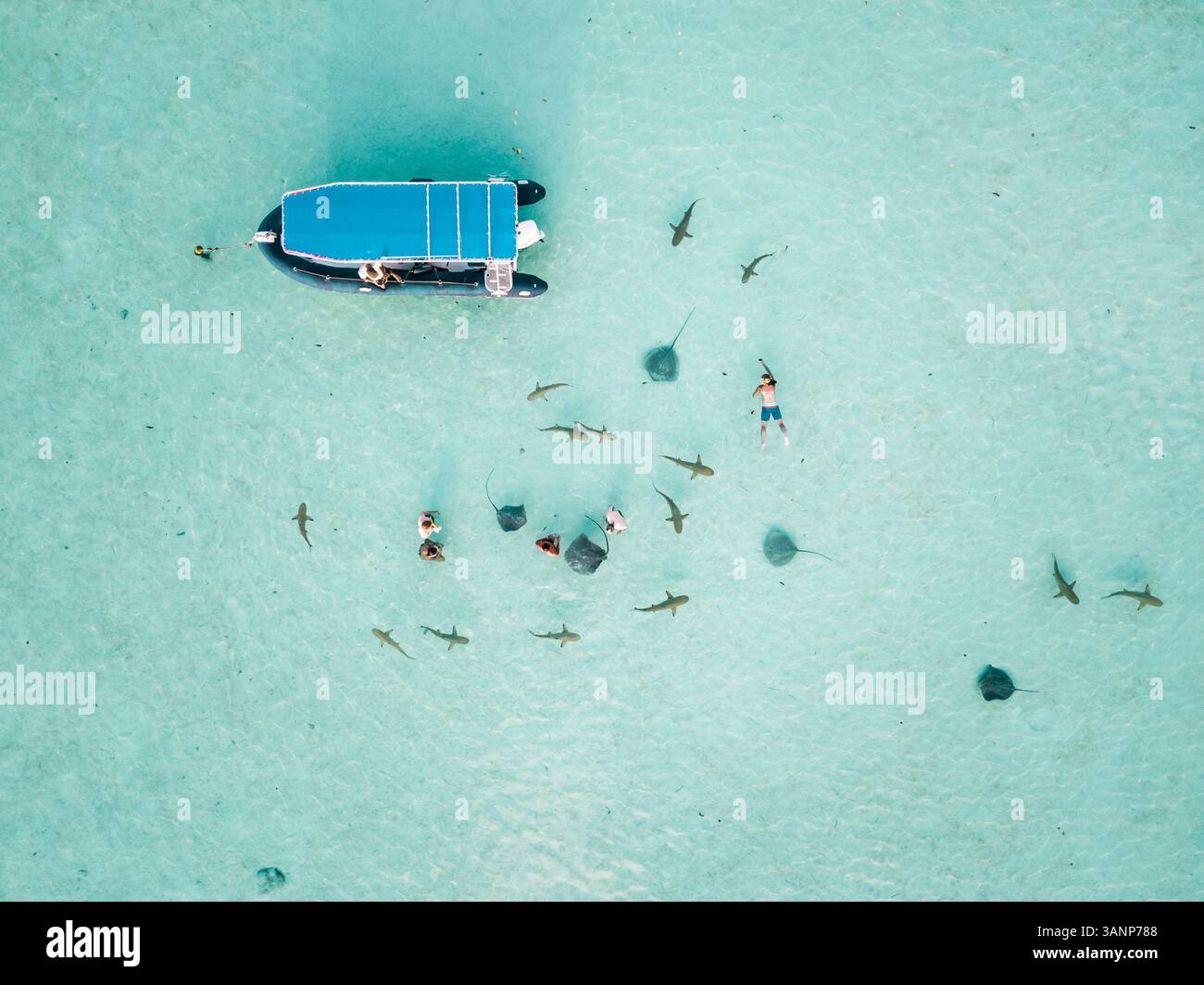
Capturing an aerial view of sharks with swimmers provides a unique perspective on marine interactions, offering both a dramatic visual narrative of ocean life and a critical tool for safety, research, and public awareness. These encounters, often facilitated by drone technology, reveal the natural proximity between apex predators and humans, requiring a balanced understanding of wildlife behavior, environmental conditions, and technological capabilities to ensure both aesthetic success and safety.
The Evolution of Aerial Perspectives in Marine Environments
The rise of high-resolution drone photography and videography in the 2020s has fundamentally changed how we observe ocean encounters. Previously, such documentation required expensive helicopter charters or fortuitous timing from elevated coastal lookouts. Today, portable unmanned aerial vehicles (UAVs) equipped with 4K and 8K cameras allow researchers, filmmakers, and enthusiasts to hover above coastal waters, providing a "God’s-eye view" of shark movements in relation to swimmers.
This aerial perspective is not merely aesthetic; it is scientific. Marine biologists use these vantage points to observe behaviors that are otherwise invisible from the surface. Patterns of patrol, interaction, and avoidance become clear, allowing for a better understanding of how sharks navigate near-shore environments. For the public, these visuals often challenge long-held perceptions, frequently showing sharks passing by swimmers without incident, highlighting the rarity of unprovoked attacks.
Prerequisites for Aerial Documentation
Before attempting to capture aerial footage of marine encounters, operators must account for significant environmental, legal, and technical requirements. The ocean is a dynamic environment that poses risks to both the equipment and the surrounding wildlife.
Regulatory Compliance and Ethics
Operating a drone near swimmers and wildlife is subject to strict local aviation authority regulations. In many jurisdictions, operating over people who are not part of the filming operation is restricted or requires specific waivers. Furthermore, flying drones near marine life—including sharks—is governed by marine protection acts. Operators must ensure they maintain a respectful distance to avoid causing "harassment," which can alter the animals' natural behavior.
Technical Specifications for Optimal Imagery
Capturing "epic" footage requires more than a standard consumer drone. Operators typically look for:
- Sensor Size: Larger sensors (1-inch or greater) perform better in the high-contrast environment of reflected sunlight on water.
- Polarizing Filters: Essential for cutting glare off the water surface, allowing the camera to "see" through the waves to the creatures below.
- Flight Time: Ocean conditions can be unpredictable, requiring drones with at least 30–40 minutes of battery life per flight to account for wind resistance and return-to-home protocols.
Comparative Overview: Observing Ocean Encounters
The table below outlines the differences between various observation methods, highlighting why the aerial view has become the standard for modern documentation.
| Method | Field of View | Safety Impact | Cost/Accessibility | Data Quality |
|---|---|---|---|---|
| Drone (UAV) | Bird's-eye | High (non-intrusive) | Moderate | Excellent (High-Res) |
| Fixed Tower | Limited | High | Low | Moderate |
| Helicopter | Wide | Medium | Very High | Excellent |
| Underwater/Diver | Localized | Low (high risk) | Moderate | High (Detail-focused) |
Managing Safety During Ocean Encounters
The juxtaposition of sharks and swimmers is a high-stakes scenario. From an aerial view, safety becomes a collaborative effort. Lifeguard services and beach authorities are increasingly adopting drone patrol programs to monitor water conditions. If a shark is detected in proximity to swimmers, aerial operators can provide real-time intelligence to rescue teams, enabling faster evacuations or temporary closures of the beach.
The Role of Behavioral Analysis
Understanding what constitutes an "epic encounter" versus a "dangerous encounter" is crucial. Many sharks, such as blacktips or spinner sharks, are often found in shallow, clear water. Aerial observers look for specific body language:
- Neutral/Patrol: The shark maintains a steady pace, parallel to the shoreline, showing no interest in human activity.
- Agitated: The shark exhibits sharp, sudden turns or rapid acceleration.
- Inquisitive: The shark circles or moves directly toward an object, though this does not always indicate malice.
Common Pitfalls and Troubleshooting
Those new to filming or observing these encounters often face technical and environmental hurdles. The most common mistake is failing to account for the "refraction" of light in moving water. Even with a high-end lens, whitecaps and surface chop can obscure a shark entirely.
Troubleshooting tips for clear footage:
- Time of Day: Early morning or late afternoon (the "golden hour") provides lower light angles, which significantly reduces surface glare and makes the silhouette of the shark stand out against the sandy or rocky bottom.
- Altitude Management: Flying too low can cause the drone’s rotors to create shadows on the water, which may startle marine life. Maintain a consistent altitude of 50 to 100 feet for the best balance of detail and stealth.
- Wind Sensitivity: Ocean winds are often stronger than those on the beach. Always check high-altitude wind speeds before takeoff, as coastal gusts can easily overpower smaller, lightweight drones.
Ethical Considerations for Wildlife Observers
Documentation must never come at the cost of the safety or well-being of the animal. Harassment occurs when the presence of a drone forces a shark to change its course, stop feeding, or flee an area. Experienced operators employ a "soft approach," using zoom lenses rather than physically moving the drone closer to the subject. This minimizes the acoustic impact of the drone’s rotors, which can be heard underwater, and reduces the likelihood of stressing the animal.
Frequently Asked Questions
H3: Are sharks more likely to be found near swimmers at specific times?
Sharks, particularly those that frequent shallow waters, are often most active during dawn and dusk. This aligns with their natural hunting cycles. However, environmental factors such as water temperature, bait fish presence, and tide cycles are often more significant predictors of shark activity than simply the time of day.
H3: Can drones effectively prevent shark encounters?
Drones are highly effective as an observation and notification tool. While they cannot "prevent" an encounter in a physical sense, they provide authorities with the data necessary to make informed decisions about beach safety, allowing for timely warnings that prevent the physical proximity of sharks and swimmers.
H3: What is the legal threshold for filming marine life from the air?
Legal thresholds vary by region, but most maritime laws mandate that you cannot interfere with the natural activity of protected marine species. Using a drone to chase or repeatedly dive toward a shark to get "the shot" is illegal in many coastal zones and can lead to significant fines.
H3: Does the color of the surfboard or swimwear impact shark behavior?
While some anecdotal evidence suggests that high-contrast colors might attract attention, scientific consensus remains that sharks rely more on movement patterns and acoustic signals (like thrashing) than specific colors. However, avoiding high-visibility, high-contrast gear in murky water is often recommended as a general safety precaution.
H3: How does the "epic" quality of footage get verified for accuracy?
"Epic" often refers to the clarity and the unique, rare behavior captured. Verification is typically handled by experts who review the footage to ensure no artificial manipulation was used. Authentic footage of this nature usually captures a natural interaction, free from baiting (the use of food to attract animals), which is widely considered unethical.
Recommendations for Future Documentation
If you are looking to document or monitor ocean encounters, start by partnering with local lifeguard associations or marine research institutions. This ensures that your flight activity serves a dual purpose: gathering high-quality visual data while contributing to public safety monitoring. Ensure your equipment is properly registered and that you have obtained all necessary permits for the specific coastline where you intend to operate. Always prioritize the safety of swimmers and the integrity of the marine habitat over obtaining the perfect frame. By maintaining a disciplined, ethical, and technically sound approach, you can contribute to a better, evidence-based understanding of the complex relationship between sharks and humans in our oceans.