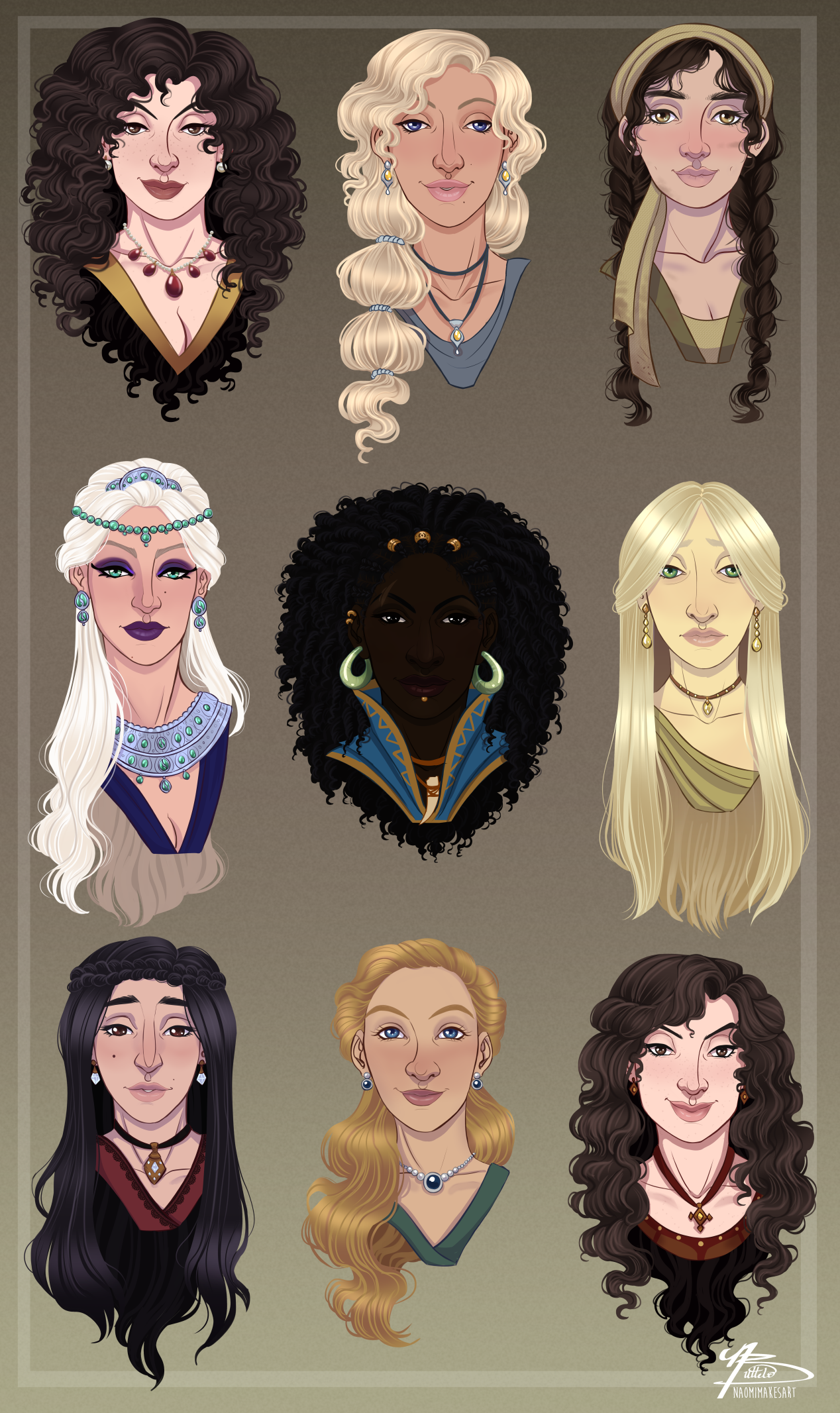
Aegon IV Targaryen, often remembered as Aegon the Unworthy, was the fourteenth Targaryen king to sit upon the Iron Throne. His reign, lasting from 172 AC to 184 AC, is historically defined by excessive indulgence, political instability, and the legitimization of his numerous bastards on his deathbed, which ultimately seeded the catastrophic Blackfyre Rebellions that plagued the Seven Kingdoms for generations.
The Early Life and Character of a Future King
Born in 135 AC to King Viserys II Targaryen and Lady Larra Rogare, Aegon was the eldest of three siblings. During his youth, he was celebrated for his charisma, physical beauty, and martial prowess. Chroniclers of the period describe him as a vibrant, energetic prince who embodied the traditional Targaryen traits. However, as he transitioned into adulthood, these traits became overshadowed by a burgeoning reputation for gluttony, hedonism, and a lack of moral restraint that would eventually define his tenure as monarch.
Even before ascending the throne, Aegon was known for his extensive list of mistresses and his pursuit of base pleasures. His father, Viserys II, a pragmatic and efficient ruler who had served as Hand of the King for decades, reportedly viewed his son’s excesses with growing concern. When Aegon finally ascended the Iron Throne in 172 AC following his father's brief year-long reign, he brought with him a court environment that prioritized sycophancy and immediate gratification over the long-term stability of the realm.
Political Instability and the Decay of Governance
The reign of Aegon IV is frequently categorized by historians as one of the most corrupt periods in the history of the Targaryen dynasty. Rather than focusing on the administrative duties or the maintenance of the peace established by his predecessors, Aegon utilized the crown’s resources to fund his extravagant lifestyle. He surrounded himself with "flatterers," courtiers who gained influence by indulging the king's whims, while dismissing or alienating those who offered genuine counsel.
One of the most significant failures of his reign was his disastrous attempt to conquer Dorne. Unlike previous efforts which relied on careful planning and tactical deployment, Aegon’s crusade was driven by personal ego and the desire for martial glory. He commissioned the construction of massive wooden dragons and innovative siege weaponry, most of which proved ineffective in the harsh terrain of the Dornish Marches. The campaign resulted in a heavy expenditure of royal gold with virtually no territorial gain, serving only to heighten the tension between the Iron Throne and the Dornish princes.
The Legitimization of the Great Bastards
The most consequential act of Aegon IV’s life occurred on his deathbed in 184 AC. Throughout his adulthood, Aegon fathered a multitude of bastards with various noblewomen. While he formally acknowledged several—often referred to as the "Great Bastards"—he had never granted them the status of legal heirs. In a final, vindictive maneuver intended to weaken his legitimate son and heir, Daeron II, Aegon signed a royal decree legitimizing all of his natural children.
This decision effectively fractured the stability of the Targaryen succession. By elevating the status of his bastards, particularly Daemon Waters (later known as Daemon Blackfyre), Aegon introduced a rival claim to the throne that existed within the bloodline itself. The legitimization created an immediate existential threat to Daeron II, as powerful lords throughout the Seven Kingdoms found themselves caught between loyalty to the established heir and the charisma of the newly legitimized, martial-minded princes.
The Great Bastards and Their Origins
The following table summarizes the primary individuals elevated by Aegon IV’s decree and their respective mothers:
| Name | Mother | Note |
|---|---|---|
| Daemon Blackfyre | Daena the Defiant | Founded House Blackfyre |
| Aegor Rivers (Bittersteel) | Barba Bracken | Founder of the Golden Company |
| Brynden Rivers (Bloodraven) | Melissa Blackwood | Later served as Hand of the King |
| Shiera Seastar | Serenei of Lys | Renowned for beauty and intellect |
The Aftermath: The Blackfyre Rebellions
The immediate result of the legitimization was a period of extreme civil anxiety. When Daeron II eventually assumed the throne, his efforts to integrate Dorne through marriage alliances were viewed with suspicion by many Westerosi lords, particularly those who favored the more traditional, martial image represented by Daemon Blackfyre. The seeds of discord planted by Aegon IV eventually blossomed into the First Blackfyre Rebellion in 196 AC.
The conflict pitted brother against brother and house against house, leading to a long period of internal warfare that saw the loss of countless lives and the depletion of the royal treasury. Even after the First Blackfyre Rebellion was suppressed, the existence of the Blackfyre lineage and the memory of the "Unworthy" King’s decree ensured that the shadow of rebellion would loom over the Seven Kingdoms for decades to come.
Historical Perspectives and Legacy
Modern scholars view Aegon IV not merely as a failed king, but as the primary catalyst for the decline of the Targaryen house. His actions demonstrated the danger of a monarch who prioritizes personal pleasure over the fundamental responsibilities of statecraft. By disregarding the legal framework of the succession and fostering an environment of favoritism, he eroded the trust of the Great Houses, effectively weakening the authority of the Iron Throne.
Beyond his political errors, Aegon’s reign serves as a study in the degradation of monarchical power. The transition from the calculated, efficient reign of Viserys II to the chaotic, self-serving rule of Aegon IV highlights how quickly institutional stability can collapse under the weight of poor leadership. His legacy is one of cautionary significance, frequently cited by later rulers as an example of how dynastic pride and personal malice can lead to widespread suffering.
Frequently Asked Questions
Why is Aegon IV called "The Unworthy"?
He earned this moniker due to his gluttony, sexual excess, and his decision to legitimize his bastards on his deathbed, which caused significant instability for the kingdom.
What was the main intent behind legitimizing his bastards?
Most historians believe the move was intended to spite his legitimate son, Daeron II. Aegon viewed Daeron as weak and preferred the more martial Daemon Blackfyre, hoping the legitimization would either depose his son or force him to struggle for the crown.
How did Aegon IV’s reign affect the Targaryen dynasty’s long-term power?
His reign caused irreparable fractures within the dynasty. The Blackfyre Rebellions, which were a direct result of his deathbed decree, cost the monarchy vast amounts of resources and internal support, contributing to a long-term decline in the family's overall influence.
What happened to the Great Bastards after Aegon IV’s death?
They took on different paths: some fought for the Iron Throne against their half-brother Daeron, while others served the crown in various roles, most notably Brynden Rivers, who became a significant, albeit polarizing, figure in Targaryen history.
Determining Your Next Action
If you are researching the history of the Targaryen dynasty for academic purposes or creative writing, focus your next steps on the immediate consequences of the 184 AC succession. Examining the court records of Daeron II’s early reign will provide a clearer picture of how the realm attempted to cope with the sudden surge of political competition introduced by Aegon IV. Scholars looking for primary source analysis should cross-reference the The World of Ice & Fire historical records with the perspectives found in the Fire & Blood chronicles to understand the nuances of the court's transition from the "Unworthy" king to his successor.