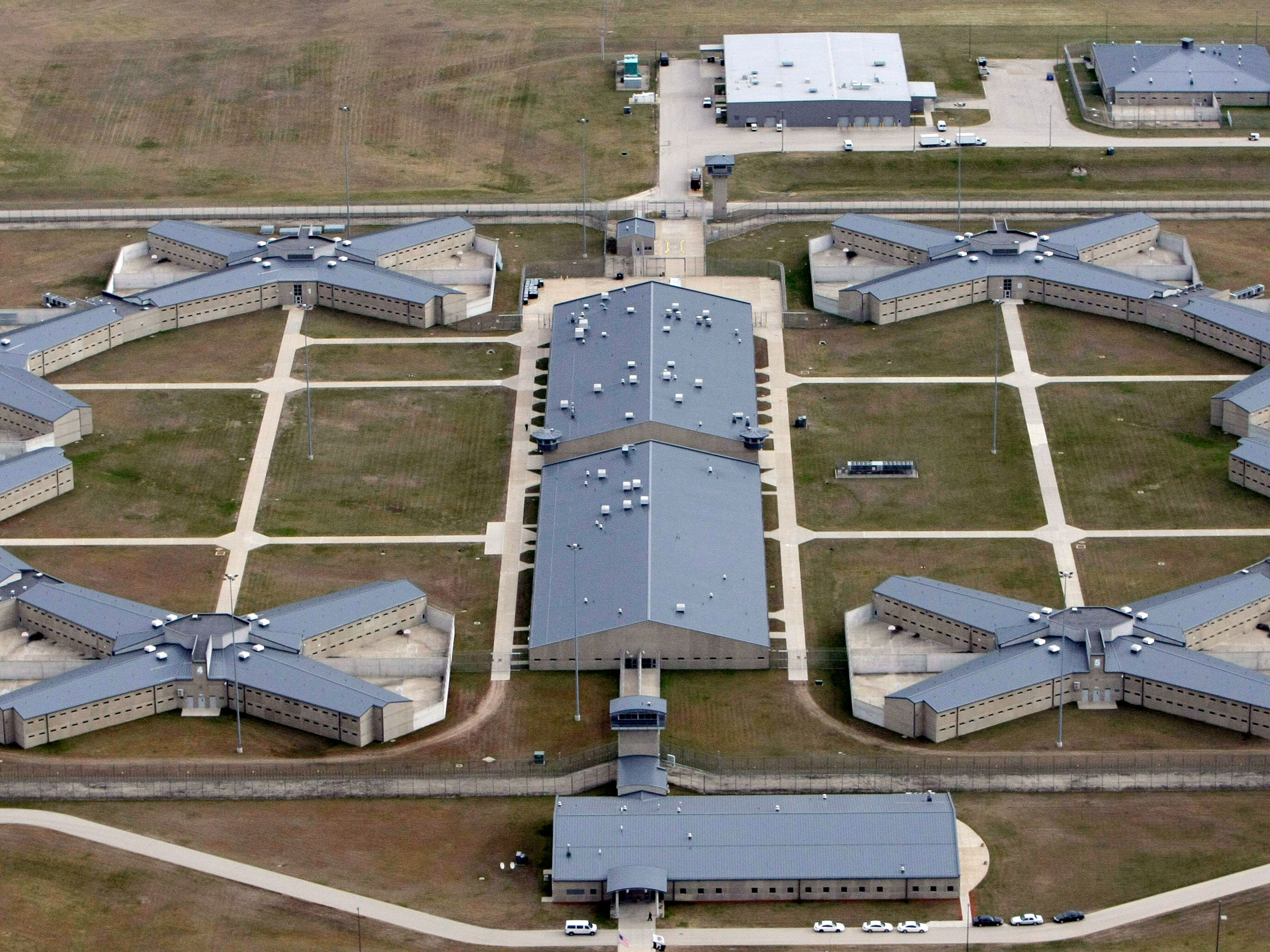
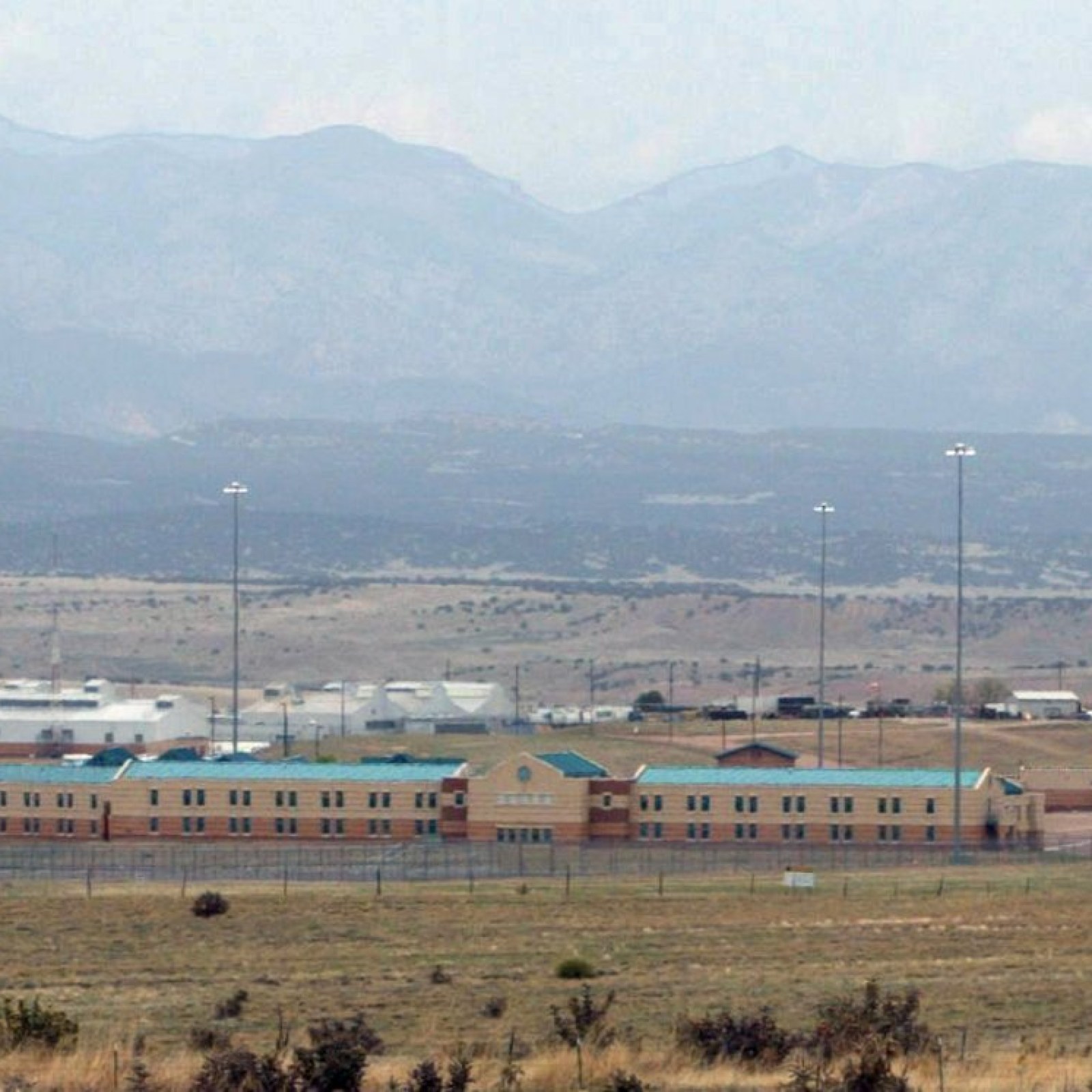
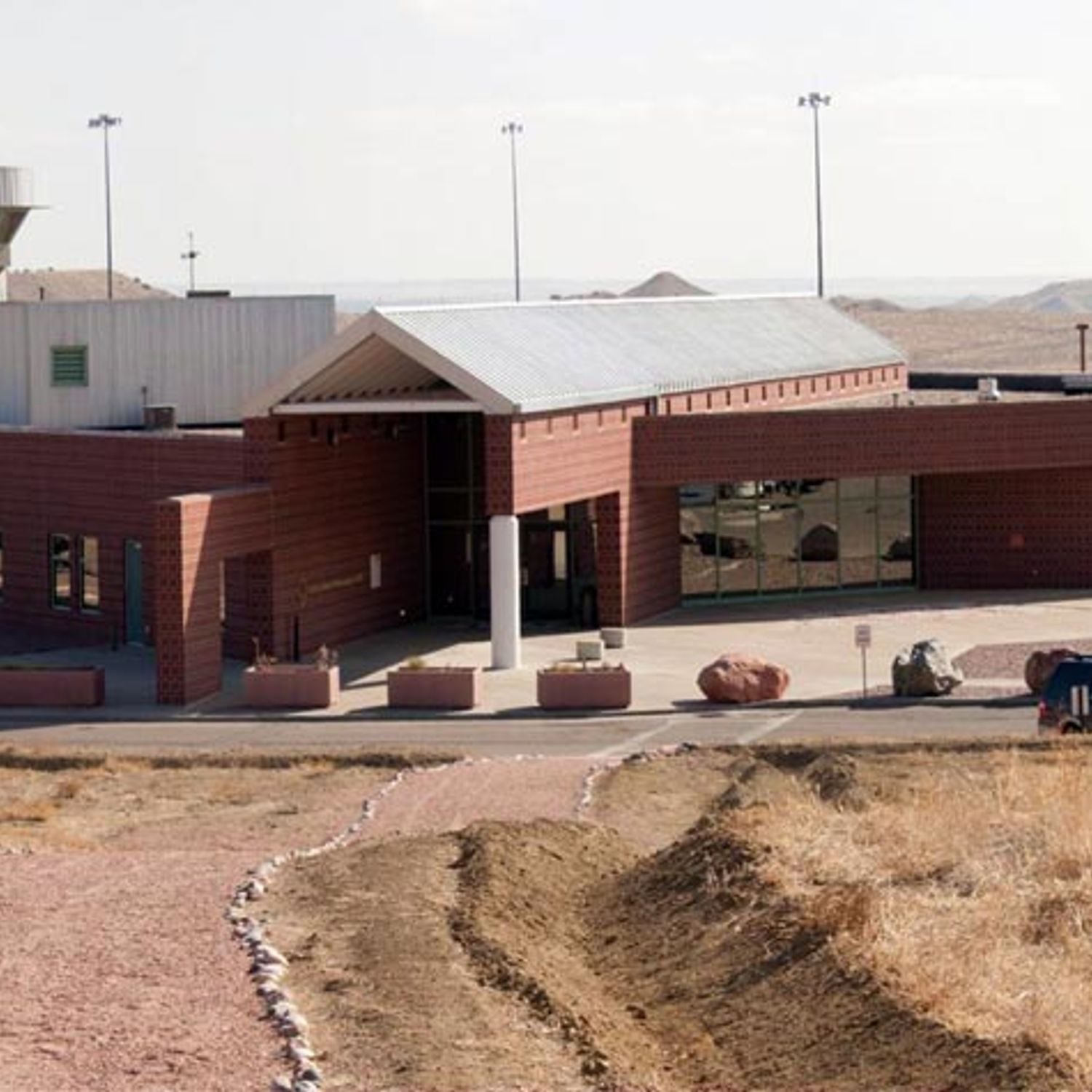
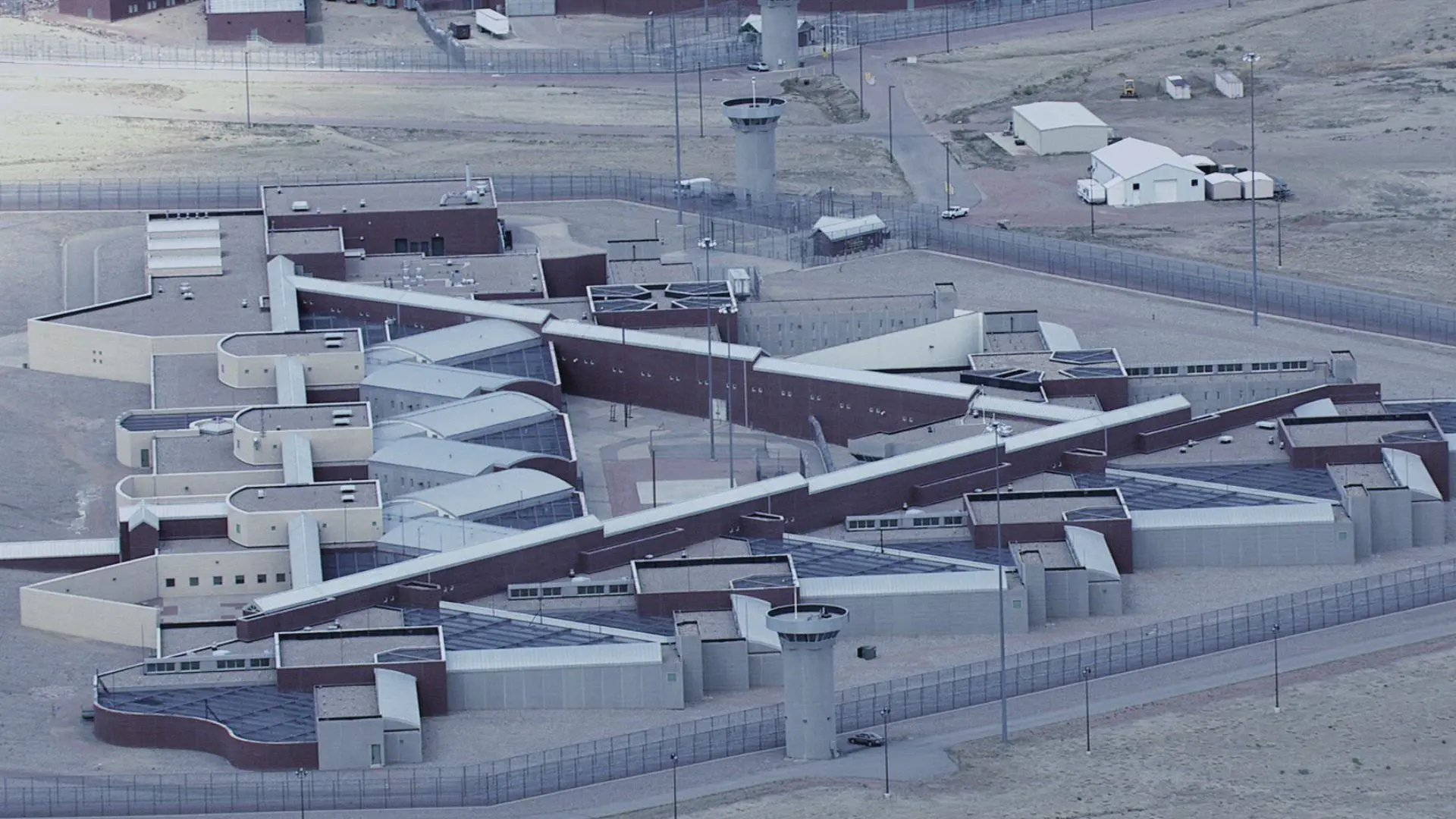
The United States Penitentiary, Administrative Maximum Facility (ADX Florence) is a federal supermax prison located in Fremont County, Colorado. It is designed to house inmates classified as the highest security risks within the Federal Bureau of Prisons (BOP) system. Operating under stringent isolation protocols, the facility serves to neutralize threats from individuals deemed too dangerous or disruptive for general population prisons.
The Functional Purpose of ADX Florence
ADX Florence, often referred to as "the Alcatraz of the Rockies," serves a singular, specialized purpose: the permanent incarceration of inmates who require the highest level of supervision. Unlike traditional high-security facilities, where inmates may have some degree of interaction within a controlled setting, ADX Florence is defined by its "control unit" design. This architectural and procedural strategy minimizes contact between inmates and staff, and completely eliminates contact between inmates.
The facility functions as a mechanism for institutional stability. By concentrating individuals who have demonstrated a history of violence against staff or other inmates, or who possess leadership roles in dangerous organizations, the BOP isolates the sources of prison volatility. The security measures at ADX are not merely intended to prevent escape; they are intended to render the inmate entirely incapable of exercising influence or violence within the broader prison environment.
Architectural and Security Design Principles
The security infrastructure of ADX Florence is a multi-layered system designed to minimize human interaction and maximize containment. The facility is constructed from reinforced concrete, featuring extensive use of soundproofing, advanced surveillance, and automated locking systems.
The housing units are designed to confine an inmate to a cell for approximately 22 to 23 hours per day. These cells are typically pre-cast concrete modules, featuring narrow "slit" windows designed to prevent the occupant from discerning their precise location within the facility or the surrounding landscape. Furniture is generally poured-concrete, fixed to the floor and walls to prevent tampering or the construction of improvised weapons.
Security is further maintained through restricted movement protocols. When an inmate is permitted to leave their cell—generally for exercise, medical appointments, or legal visitation—they are subject to rigorous restraints, including handcuffs and leg irons. Movement is conducted under the supervision of multiple correctional officers, and the layout of the prison is designed to ensure that paths never cross between inmates. This "no-contact" policy is the hallmark of the ADX operational philosophy.
Classification and Eligibility for Placement
Placement at ADX Florence is not a permanent status in the legal sense, though it often lasts for the duration of an inmate's sentence. The decision to transfer an inmate to this facility is made by the Federal Bureau of Prisons based on a comprehensive assessment of the individual's behavior and potential threat level.
The criteria for placement generally include:
- History of violence: Documented attacks on staff or other inmates in previous facilities.
- Security threat group involvement: High-level membership in organizations that pose a risk to the integrity of the prison system.
- Escape risk: Individuals who have attempted escape or demonstrated an intent to do so.
- Intelligence-based threats: Inmates identified as orchestrating criminal activity from within the prison, such as directing gang operations or planning violence against external targets.
The BOP conducts periodic reviews of inmates housed at ADX. These reviews are designed to determine if the inmate still requires the level of containment provided by the facility. However, due to the high-risk nature of the population, transfers out of ADX are rare and are subject to stringent oversight and administrative approval processes.
Comparison of Security Environments
The security posture at ADX Florence is distinct from other levels of federal incarceration. Understanding these differences is essential for evaluating why this facility is used only for the most extreme cases.
| Feature | Low/Medium Security Prison | High-Security Penitentiary | ADX Florence (Supermax) |
|---|---|---|---|
| Inmate Interaction | High | Moderate | None |
| Cell Design | Traditional bars/doors | Reinforced steel/concrete | Concrete module/sealed |
| Staff Ratio | Standard | High | Very High |
| Movement | Supervised | Heavily Escorted | Restrained/Isolated |
| Outdoor Access | Shared yards | Controlled yards | Isolated "dog cage" areas |
The table above illustrates the progression of confinement. While a High-Security Penitentiary focuses on maintaining order in a group setting, ADX Florence focuses on the total individualization of confinement to ensure zero potential for collective action or violence.
Operational Limitations and Human Rights Considerations
The operating model of ADX Florence has been the subject of ongoing scrutiny regarding the psychological impacts of long-term solitary confinement. The isolation, while effective for institutional security, poses unique challenges for the mental health of the inmate population.
The BOP addresses these concerns through medical and psychological services, though the delivery of these services is constrained by the same security protocols that govern the rest of the facility. Telehealth and remote observation are increasingly utilized to provide care without compromising the isolation of the housing unit. The professional consensus within the BOP is that the security requirements of the facility take precedence, and that individualized care must be balanced against the absolute requirement for containment.
For families and legal representatives, communication is restricted. Visitation is limited and subject to strict security screening. Interaction with attorneys is facilitated through secure channels, but in-person visits require extensive logistical coordination and are always conducted behind physical barriers.
Addressing Inmate Management Challenges
Management within ADX Florence requires a high degree of staff vigilance. Because the opportunity for violence is severely limited by design, the challenges typically involve the frustration of the inmate, the maintenance of the physical plant, and the rigorous adherence to procedural rules.
- Staff Training: Officers assigned to ADX undergo specialized training that emphasizes de-escalation and situational awareness.
- Preventative Maintenance: The facility’s infrastructure is under constant inspection. Because inmates have extensive time to manipulate their environment, even minor weaknesses in cell hardware are identified and corrected immediately.
- Procedural Consistency: Security protocols are applied with zero tolerance for variation. This consistency reduces the opportunity for inmates to manipulate staff or exploit perceived procedural leniency.
Frequently Asked Questions regarding ADX Florence
Can an inmate request a transfer to ADX Florence?
No. Placement at ADX Florence is an administrative determination made by the Bureau of Prisons based on objective risk criteria. It is a involuntary designation reserved for those who cannot be managed in lower-security environments.
Are inmates at ADX allowed to interact with each other?
No. The operational goal of the facility is complete isolation. Inmates are moved through the facility in a manner that ensures they never come into direct contact with one another, preventing the formation of social structures or group violence.
How is medical care provided within such strict isolation?
Medical care is provided by institutional staff or through secure medical facilities within the prison. When an inmate requires a procedure that cannot be performed in-cell, they are transported under maximum security to the facility’s medical unit, ensuring strict separation from the general population at all times.
Is the isolation at ADX Florence permanent for the entire sentence?
Not necessarily, but it is typical. While the BOP reviews the status of all inmates periodically, the criteria for "stepping down" to a lower security level are extremely rigorous. Given that inmates are sent to ADX for severe, documented risks, most remain there until their security profile changes or their sentence concludes.
What is the difference between a "Control Unit" and a "Supermax"?
While terms are sometimes used interchangeably, a "Control Unit" describes a specialized section within a larger prison used for long-term segregation. "Supermax" refers to the entire facility being designed around the concept of maximum control and isolation, which is the defining characteristic of ADX Florence.
Navigating Legal and Administrative Inquiries
If you are a legal representative or a family member seeking information regarding an inmate at ADX Florence, it is necessary to utilize official channels. Requests for information should be directed to the Federal Bureau of Prisons' administrative offices. Please note that security protocols at ADX are considered sensitive; details regarding specific internal procedures, staff movements, or facility vulnerabilities are generally withheld from the public to maintain the integrity of the institution.
When communicating with an inmate at ADX, follow all posted guidelines regarding correspondence and permitted items. Unauthorized materials or attempts to circumvent communication security protocols will result in the immediate loss of privileges and may lead to further administrative sanctions against the inmate. Always verify current visitation procedures with the facility administration prior to attempting any contact, as policies are subject to modification based on institutional security status and updated administrative mandates.