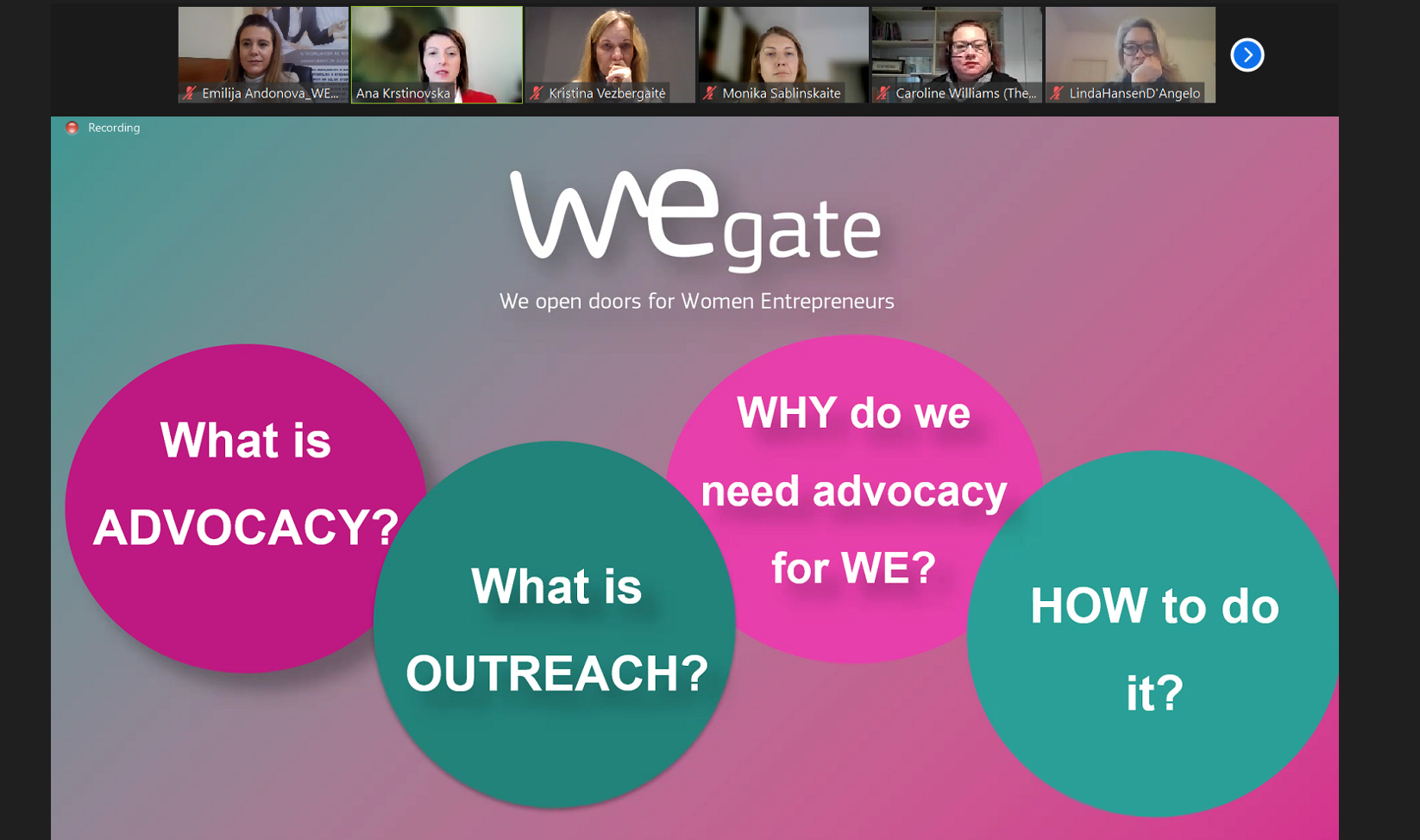
Advocacy and representation involve the intentional process of supporting a cause, policy, or group while ensuring their interests are articulated by individuals or organizations with the authority and expertise to influence decision-makers. Effective practice requires aligning strategic communication, legal awareness, and relationship management to bridge the gap between stakeholders and those who hold the power to implement change.
Defining the Scope of Advocacy and Representation
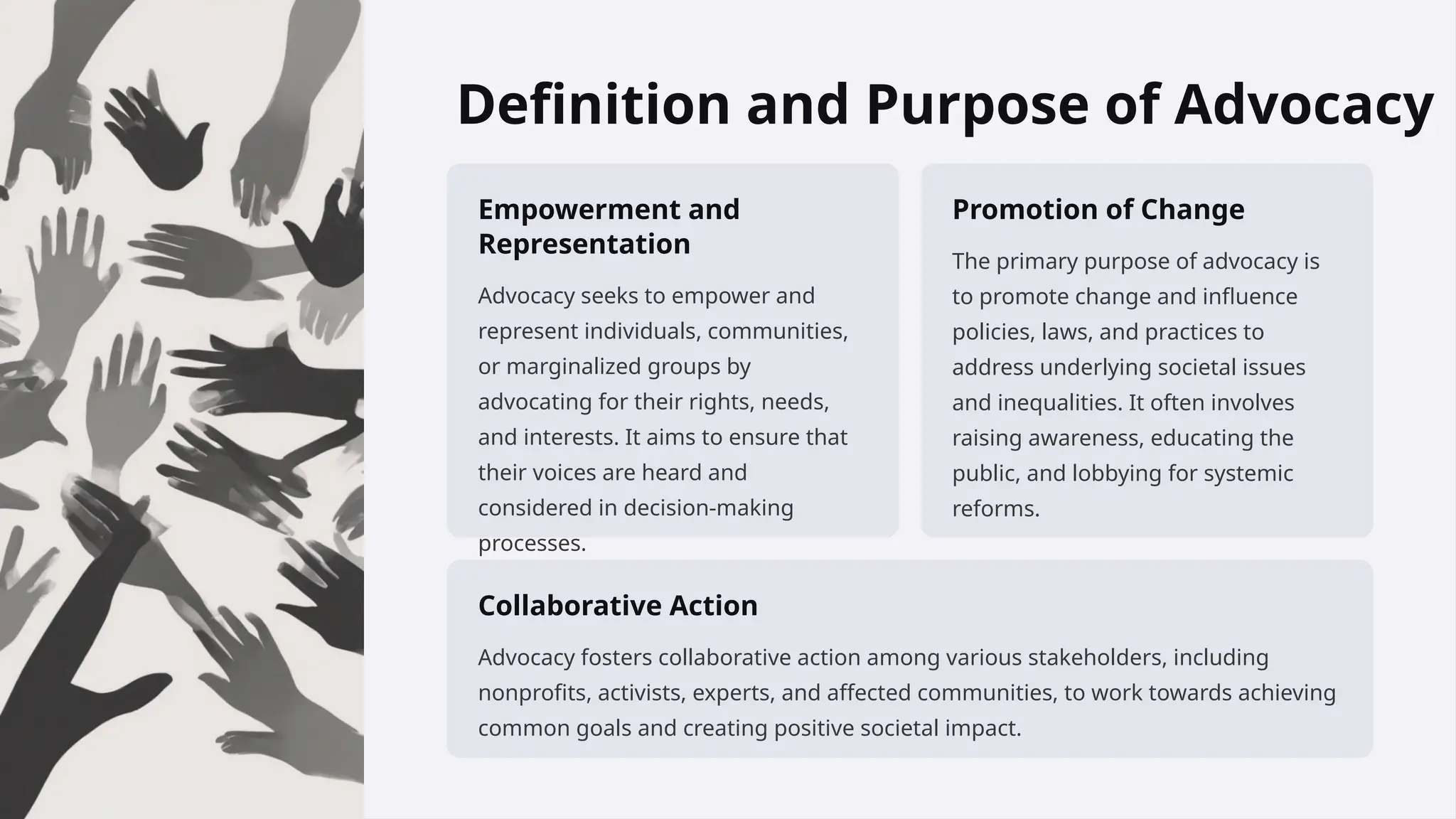
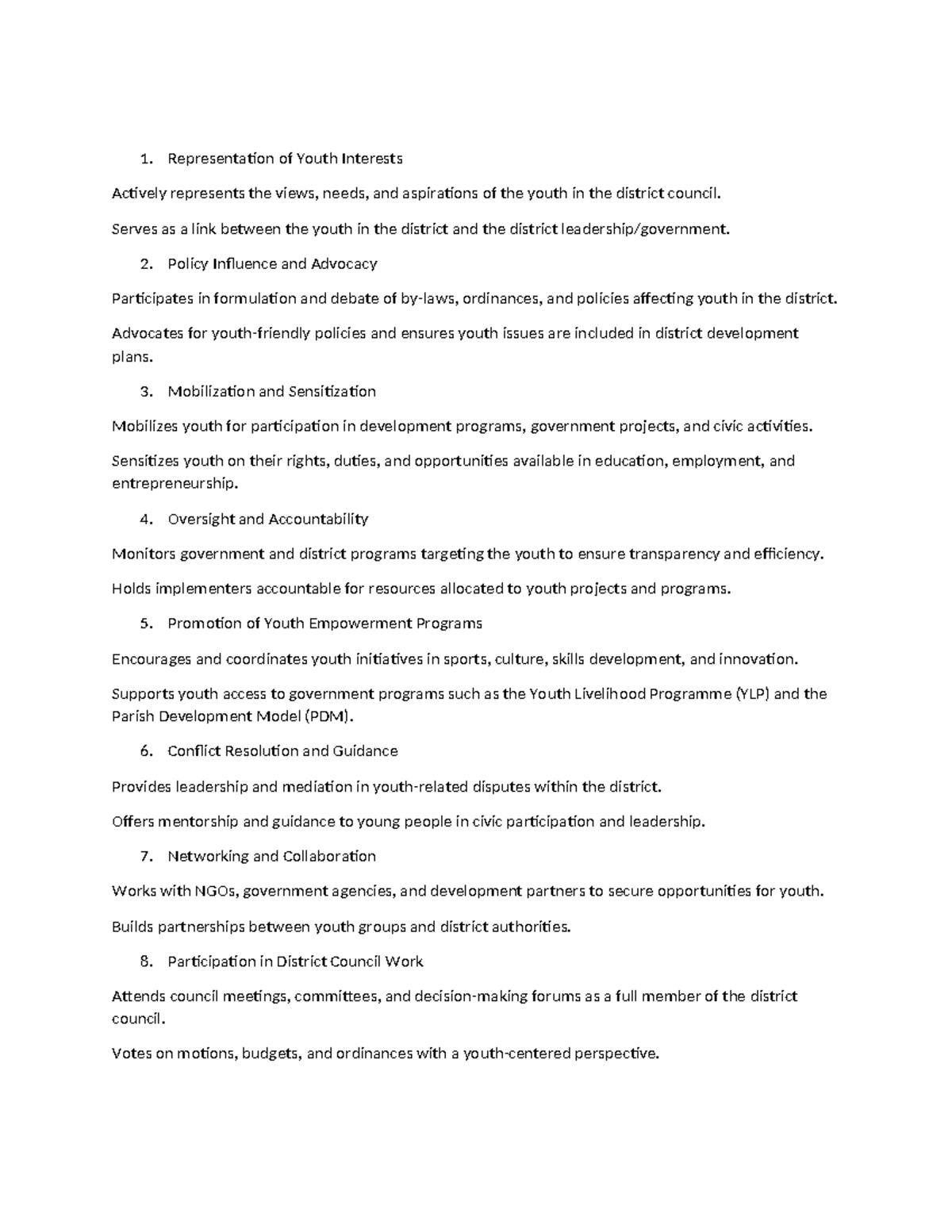
In a professional and public context, advocacy is the act of speaking, writing, or acting on behalf of a cause to influence outcomes. Representation, meanwhile, is the mechanism through which an individual or group is "re-presented" by a proxy—whether that is a legal counsel, a lobbyist, a union representative, or an elected official. While advocacy is often grassroots-driven and ideological, representation is frequently structural and transactional, grounded in legal or organizational mandates.
Successful navigation of these domains requires a firm grasp of the environment in which you are operating. Whether you are dealing with corporate governance, municipal policy, or human rights, you must determine if you are seeking systemic change (advocacy) or individual relief (representation). Confusing these roles can lead to misdirected resources, as advocacy is a long-term game of opinion-shaping, while representation is an immediate effort to protect specific rights or interests.
Prerequisites for Effective Representation
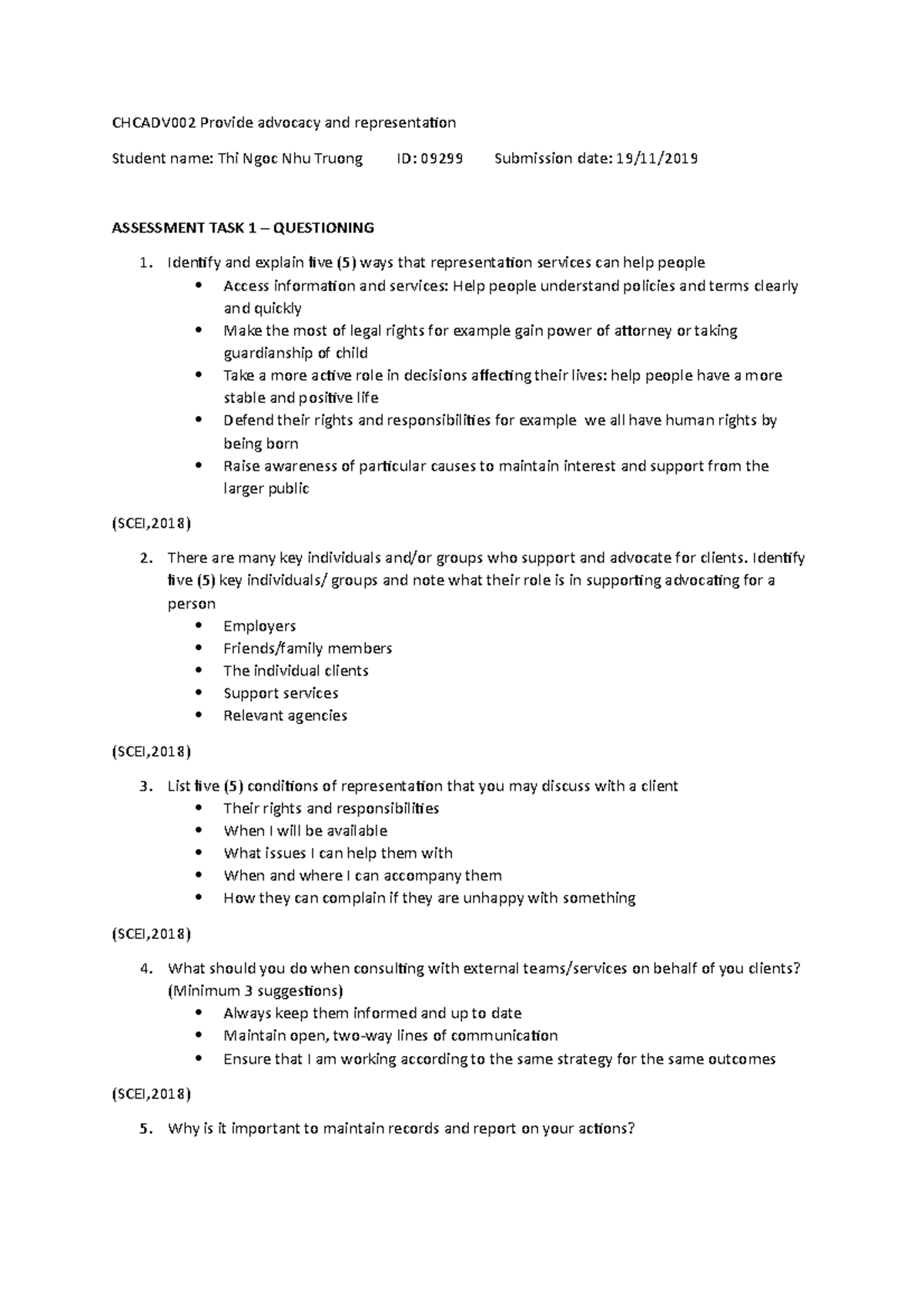
Before engaging a representative or initiating an advocacy campaign, stakeholders must verify the legitimacy and capacity of the participants. Representation in legal or regulatory settings requires documented authority. For example, in a dispute, an individual must provide a signed power of attorney or formal engagement letter to a lawyer to grant them the right to speak or act on their behalf.
For advocacy, the prerequisites are more informal but equally demanding. You must possess:
- Clear Objectives: Define the exact change or protection you are seeking.
- Evidence Base: Gather data, research, or firsthand testimony to substantiate your position.
- Stakeholder Alignment: Ensure that those you represent have given consent and are aligned with your proposed strategy.
- Compliance Awareness: Identify relevant regulations, such as lobbyist registration requirements in your jurisdiction, which may dictate how and when you can engage with public officials.
Navigating Legal and Ethical Frameworks
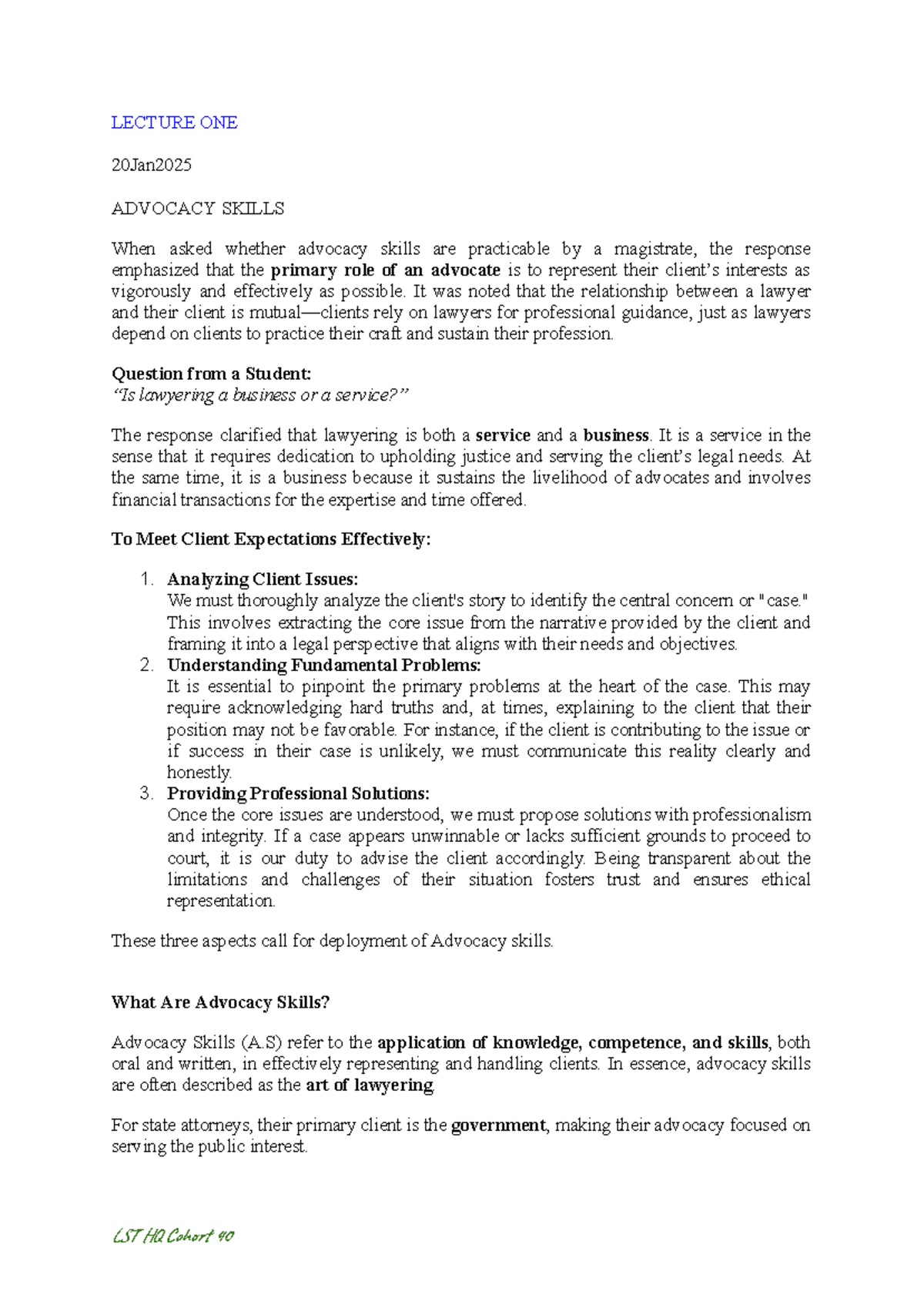
Advocacy and representation are subject to strict ethical and legal boundaries. In the legal profession, representation is governed by strict codes of conduct that demand confidentiality, loyalty, and competence. An advocate—whether a solicitor, a barrister, or a specialized representative—must prioritize the interests of the client above their own.
In the public policy sphere, "lobbying" is a specific form of representation that is heavily regulated. In 2026, most jurisdictions require individuals who attempt to influence legislation to register with a government ethics commission. Failure to disclose these relationships can result in significant legal liabilities, including fines or permanent bans from interacting with government agencies. Always verify the specific disclosure requirements for your locale before scheduling meetings with decision-makers.
Comparison of Advocacy and Representation Models
| Feature | Advocacy | Representation |
|---|---|---|
| Primary Goal | Shifting policy or public opinion | Securing specific rights or outcomes |
| Relationship | Often broad or community-based | Usually defined by contract or mandate |
| Duration | Long-term, iterative, campaigns | Context-specific, case-based |
| Verification | Measured by influence and engagement | Measured by legal standing and results |
| Regulatory Risk | Disclosure of lobbying activity | Confidentiality and conflict of interest |
Strategic Implementation of Advocacy Campaigns
When the objective is to change a status quo rather than resolve a single conflict, you must execute a strategic advocacy campaign. This begins with identifying "pressure points"—individuals or boards with the authority to grant your request. Research their past decisions, public statements, and the organizational constraints they operate under.
Your messaging must be tailored to the specific values of your audience. If you are advocating for an environmental policy change, framing it through the lens of economic sustainability often carries more weight with corporate board members than an appeal based solely on ideology. Maintain a consistent, factual narrative across all channels, from social media outreach to formal briefings.
Managing Risks and Addressing Common Pitfalls
The most frequent error in representation is the "mission creep" that occurs when an advocate loses sight of the specific interests of their constituents. This can lead to a loss of trust or, in a legal setting, a conflict of interest.
To mitigate these risks:
- Establish Regular Check-ins: Maintain open channels of communication with the group being represented to ensure your efforts remain aligned with their needs.
- Maintain Records: Document all interactions with decision-makers to protect against claims of impropriety or failure to represent.
- Understand Jurisdiction: Advocacy is ineffective if directed at the wrong level of government or a department without the mandate to change the issue. Ensure your target has the actual power to act.
- Avoid Emotional Overreach: While passion fuels advocacy, professional representation must be tempered by logic and, where necessary, legal prudence. Over-emotional arguments can sometimes alienate the very decision-makers you need to convince.
Troubleshooting Impasses in Advocacy
If your efforts are stalled, the first step is to revisit your data. Often, advocacy fails because the underlying evidence is perceived as biased or incomplete. In such cases, commission an independent study or aggregate public data that supports your position.
If you are dealing with a representation crisis—such as a lawyer failing to act in your best interest—examine your contract for termination clauses or look into the oversight bodies that regulate your representative’s profession. In 2026, professional associations often provide online portals to verify credentials and report professional misconduct. If the impasse is with a regulatory agency, utilize Freedom of Information requests to uncover the internal communications that may explain why your position was rejected.
Next Actions for Effective Engagement
To begin or improve your advocacy and representation efforts, start by auditing your current standing. If you require legal representation, identify three potential firms or practitioners and compare their experience with your specific issue. If you are starting an advocacy movement, draft a clear mission statement that includes the specific legislative or organizational change you seek to influence.
Create a contact matrix identifying the three primary decision-makers who hold authority over your issue. Research their recent voting records or public policy statements to ensure your approach is compatible with their established priorities. By moving from a position of general concern to one of targeted, evidence-based engagement, you dramatically increase the likelihood of achieving your goals.