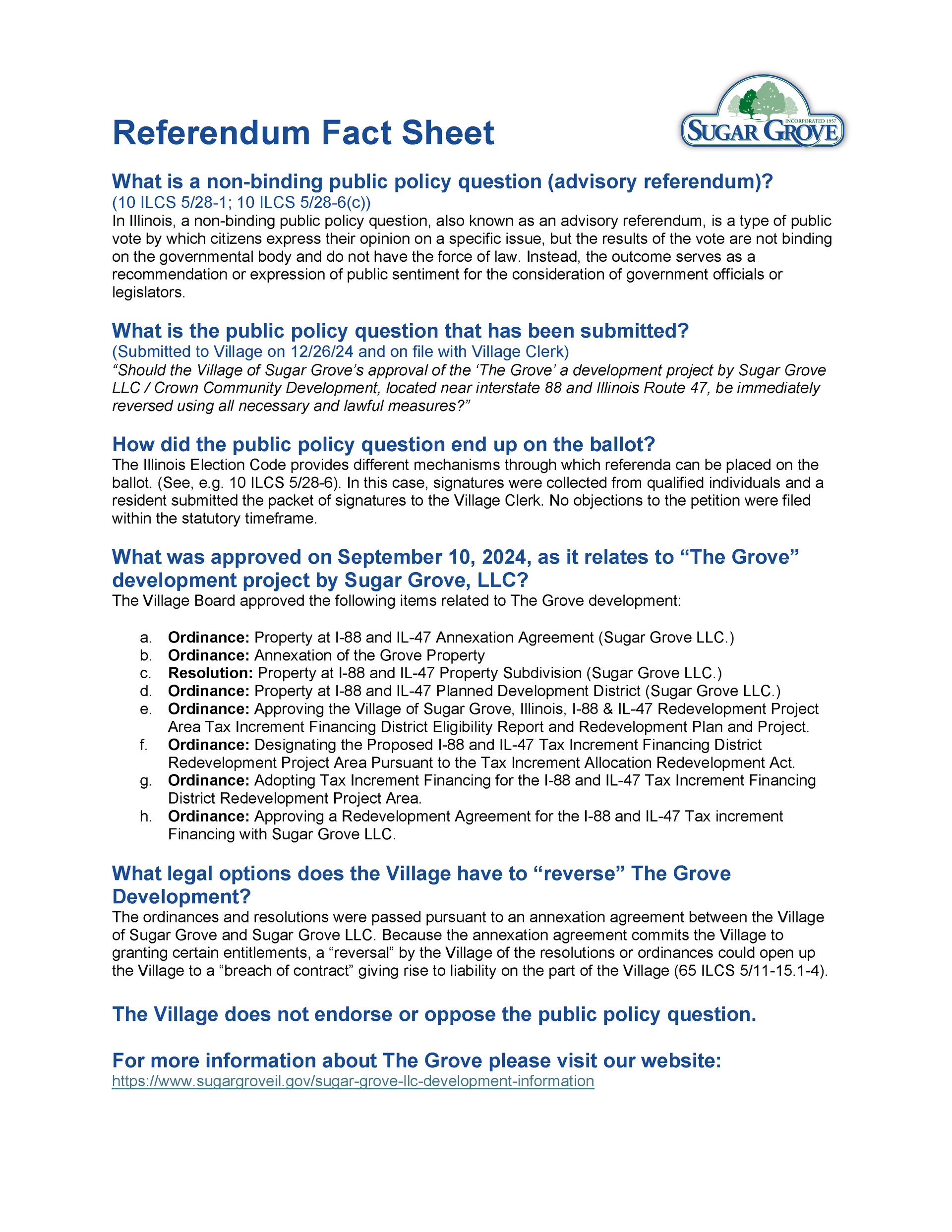
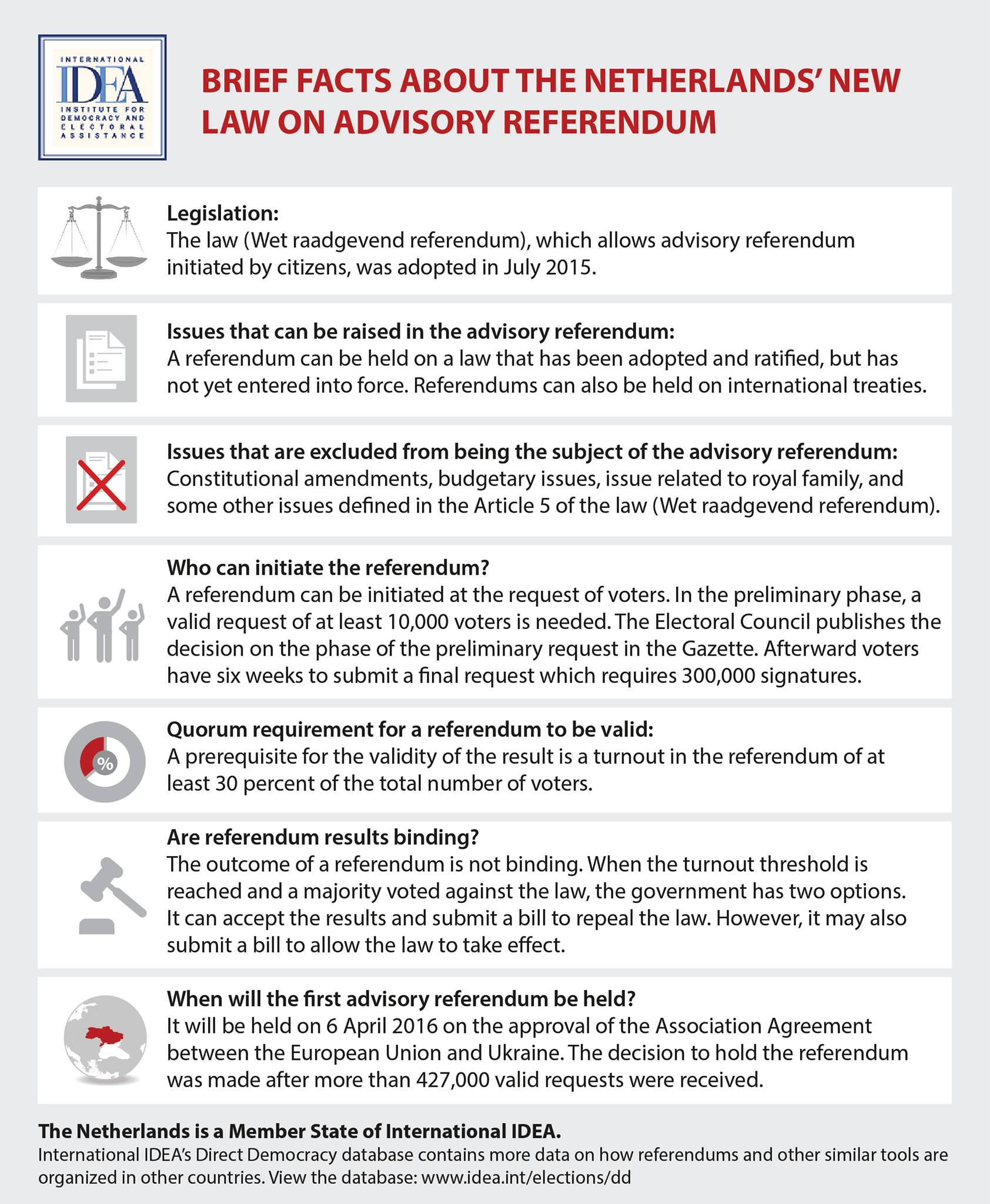
An advisory referendum is a non-binding popular vote held to gauge public opinion on a specific policy, proposed law, or government action. Unlike a mandatory or binding referendum, the outcome of an advisory vote does not automatically enact policy changes; instead, it serves as a formal, documented measure of voter sentiment to guide elected officials and policymakers in their decision-making processes.
Defining the Mechanism of an Advisory Referendum
At its core, an advisory referendum functions as a democratic instrument intended to provide representative bodies with clear data regarding the will of their constituents. Because it lacks the force of law, its implementation is largely contingent upon the political will of the legislative body that authorized it. Governments may utilize this tool to build consensus, legitimize controversial initiatives, or assess public appetite for proposed budgetary changes.
From a structural perspective, these votes often appear on the same ballot as general or special elections to maximize voter turnout and minimize the cost of administration. By presenting a simple "yes" or "no" question or a choice between specific policy alternatives, jurisdictions can strip away the complexity of nuanced legislation and distill a problem into a clear, binary pulse of public opinion. However, the legal weight remains strictly consultative. A legislature or city council remains free to vote against the majority opinion expressed in an advisory referendum if they determine that other factors—such as economic necessity, legal constraints, or long-term policy goals—outweigh the popular sentiment.
Legal Status and Jurisdictional Variations
The legality and frequency of advisory referendums vary significantly across different states, municipalities, and countries. In many democratic jurisdictions, the authority to call an advisory referendum is granted through statutes or local ordinances. These regulations establish the procedural requirements, such as signature thresholds for citizen-initiated measures, or the number of legislative votes required to place a question on the ballot by government decree.
It is critical to recognize that while the result is not legally binding, the process itself is subject to rigorous election standards. The language used in the ballot question must often undergo a public review process to ensure it is neutral and not leading or biased toward a particular outcome. Challenges to ballot language are common in the lead-up to an election, as both proponents and opponents of a measure understand that the phrasing of a question can significantly influence voter interpretation and, consequently, the final result.
The Role of Advisory Referendums in Governance
Governments frequently deploy advisory referendums when they face issues that are politically sensitive or represent a departure from established party platforms. In these instances, the referendum serves as a form of "political cover." If a councilor or legislator supports a controversial project, a positive advisory vote provides a shield against accusations of ignoring public desire. Conversely, if a proposed tax levy for infrastructure receives an overwhelming "no" from the electorate, the local government has a clear mandate to seek alternative funding sources, thereby avoiding a potentially disastrous legislative battle.
The following table summarizes the primary differences between common types of referendums to assist in distinguishing the advisory format from others.
| Feature | Advisory Referendum | Binding Referendum | Legislative Referral |
|---|---|---|---|
| Legal Effect | Non-binding; consultative | Law-making; mandatory | Changes existing law |
| Goal | Assess public opinion | Enact/Reject a law | Constitutional change |
| Decision Maker | Legislature/Council | The Electorate | Legislature/Voters |
| Frequency | Used for guidance | Higher stakes/legal change | Periodic/Constitutional |
Strategic Advantages for Policymakers
For administrators, the primary advantage of the advisory referendum is information acquisition. In large, diverse districts, it can be difficult for representatives to discern the true priority of the citizenry. Traditional polling—such as phone surveys or digital questionnaires—often suffers from low response rates or skewed demographic samples. An advisory referendum, by virtue of occurring within the controlled environment of an official election, ensures a broader and more representative demographic engagement.
Furthermore, these referendums act as an educational catalyst. When a question is placed on the ballot, media outlets, civic groups, and political organizations begin to report on and debate the issue. This forced public engagement often leads to a more informed electorate. Even if the vote is non-binding, the process of discussing the merits and demerits of the proposal forces a level of public scrutiny that is rarely achieved through standard legislative hearings.
Limitations and Risks
Despite the potential for improved transparency, the advisory referendum is not without risks. One of the most significant concerns is "voter fatigue." When ballots become cluttered with numerous non-binding questions, voters may feel overwhelmed, potentially leading to lower participation in critical candidate races or even the abandonment of the ballot altogether.
Another inherent danger is the distortion of the democratic process through biased framing. If the governing body writes the question in a way that emphasizes the benefits of a proposal while omitting the costs, they can manufacture a "mandate" that is reflective of the phrasing rather than the actual issue. This is why many jurisdictions require an independent board to review and rewrite ballot titles to ensure they meet standards of objective neutrality. Finally, there is the risk of political cynicism. If a government holds an advisory referendum and subsequently ignores the overwhelming will of the people, it can severely erode trust in local government institutions, making it harder to pass future policy initiatives.
Prerequisites for Conducting an Advisory Vote
Before a jurisdiction moves to place an advisory referendum on the ballot, several prerequisites must be satisfied:
- Legal Authority: The governing body must have an existing statutory framework that allows for the placement of non-binding questions on the ballot.
- Budgetary Allocation: Funds must be available to cover the administrative costs of printing additional ballot space, conducting public information campaigns, and certifying the results.
- Language Neutrality: The question must undergo a vetting process to ensure it is clear, concise, and devoid of emotional language that could sway the vote.
- Defined Scope: There must be a clear definition of what "success" or "failure" means for the policy under review, preventing ambiguity once the results are tallied.
Best Practices for Voters
For the average citizen, understanding an advisory referendum requires shifting the perspective from "voting for a law" to "providing a data point." Voters should seek out the official "Pro" and "Con" statements, which are typically found in the voter information pamphlet distributed by the local election commission. It is essential to remember that even if the majority votes in favor of a measure, the implementation remains at the discretion of the legislative body.
If you feel strongly about the issue, treat the advisory referendum as the first step in a larger advocacy campaign. A successful vote in your favor should be used as leverage in subsequent city council meetings or legislative sessions to hold officials accountable to the public mandate. Conversely, if you oppose a measure, your primary focus should be organizing against it during the campaign phase, as the referendum result will eventually be used to justify the government's next steps.
When to Engage with Local Representatives
If an advisory referendum is on your upcoming ballot, the most effective way to influence the policy outcome is to contact your local representatives before the vote occurs. Because the referendum is meant to gauge interest, legislators are often in "listening mode" during this period. Engaging with them allows you to provide context on why you believe the issue is important and how you intend to vote. By providing your input, you contribute to the overall political climate that informs how the government interprets the final ballot numbers.