Adventure travel safety requires a proactive strategy that integrates meticulous pre-trip planning, rigorous self-assessment, and the procurement of specialized emergency support. By matching personal capabilities with environmental hazards, researching jurisdictional medical standards, and securing appropriate insurance, travelers can mitigate the inherent risks associated with remote exploration, high-altitude trekking, and technical outdoor activities.
The Foundation of Risk Assessment
Safety in adventure travel begins with an honest evaluation of the gap between a destination’s environmental challenges and your own technical proficiency. Unlike standard tourism, adventure travel often involves environments where professional rescue infrastructure may be delayed or entirely absent.
Before booking any expedition, identify the "point of no return" for your activities. This involves assessing the terrain, climate, and local infrastructure. For instance, mountaineering in the Andes involves different physiological stresses than cave diving in the Yucatan. Research the specific environmental variables—such as altitude sickness indices, local weather patterns, and seasonal access—to determine if your current skills and fitness levels are adequate.
Self-assessment also extends to your psychological preparedness. Adventure travel often puts participants in high-stress, rapidly changing situations. Recognizing your limits—and having the discipline to abandon an objective when conditions degrade—is the hallmark of an experienced adventurer.
Regulatory and Medical Requirements
Adventure destinations often mandate specific administrative and health prerequisites that differ from standard international travel requirements. Many countries have enacted strict entry protocols for high-risk zones or protected wilderness areas, often requiring specialized permits or evidence of physical fitness documentation.
Consult the embassy or official tourism board of your destination for current regulations. In many jurisdictions, you may be required to prove you have adequate travel insurance that includes emergency medical evacuation. Furthermore, verify the local medical infrastructure. In some regions, the closest "advanced care" facility may be hundreds of miles away or across an international border, necessitating a pre-arranged medical evacuation plan.
Essential Safety Preparations
- Medical Screening: Consult a travel medicine specialist at least eight weeks before departure to address vaccinations, prophylactic medications, and the management of pre-existing conditions.
- Documentation: Carry physical and digital copies of your passport, insurance policies, emergency contacts, and blood type/allergy information.
- Communications: In areas without cellular coverage, rely on satellite-based communication devices (e.g., satellite messengers) rather than standard mobile phones.
- Local Liaison: Register your itinerary with the nearest embassy or consulate of your home country via their official travel registration program.
Understanding Specialized Adventure Insurance
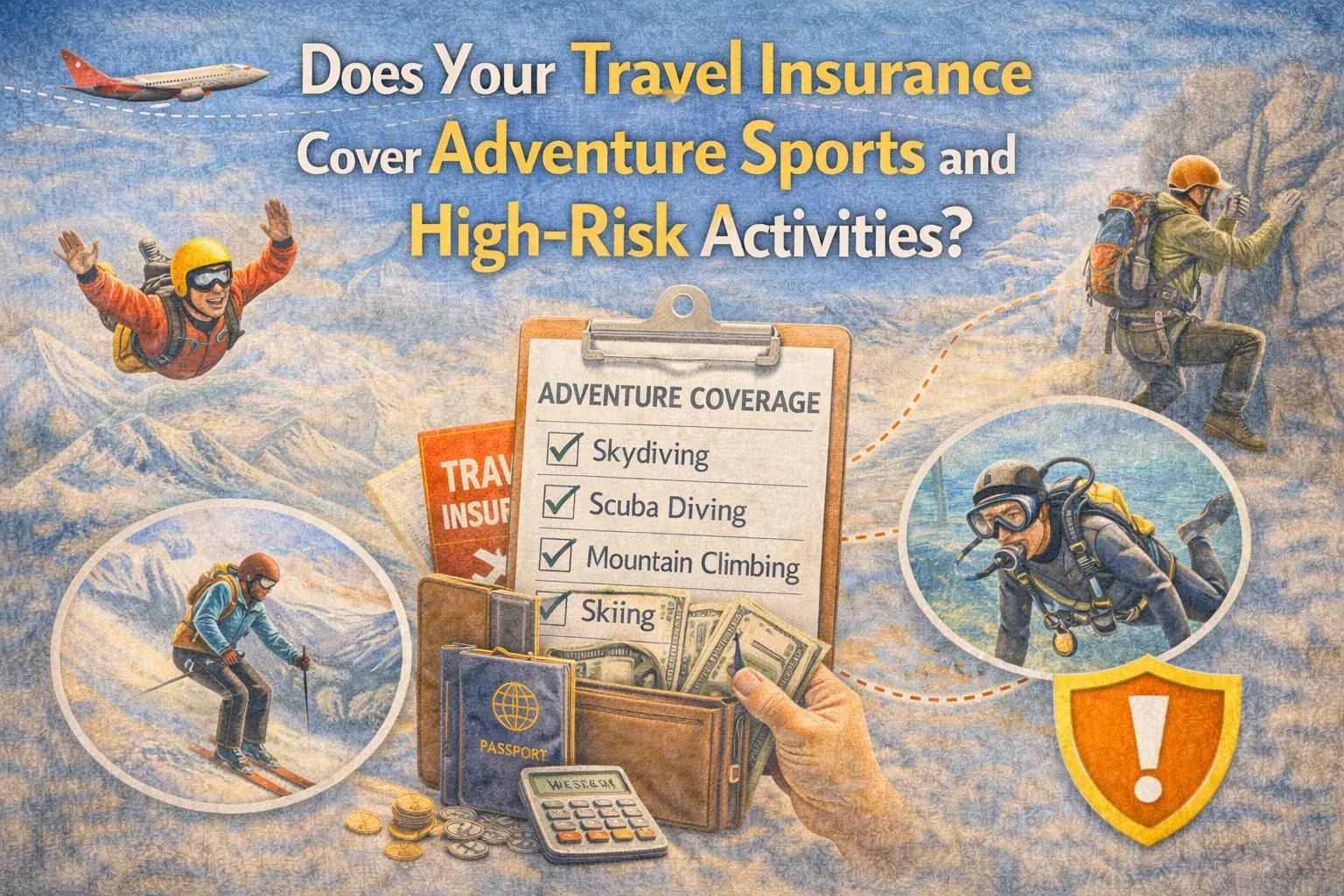
Standard travel insurance policies often contain exclusions for high-risk activities such as backcountry skiing, rock climbing, or scuba diving. To ensure protection, you must verify that your policy explicitly covers "adventure sports" or "hazardous activities."
Insurance for adventure travel is bifurcated into two main categories: trip protection (covering cancellations, lost gear, and travel delays) and emergency medical services (covering field rescue, air ambulance transport, and hospital stays). When purchasing, look for policies that offer high-limit medical evacuation coverage. In remote locations, the cost of a private helicopter extraction can exceed $50,000 USD, a sum that most standard credit card travel protections do not cover.
Comparative Factors in Adventure Insurance
| Feature | Standard Travel Insurance | Specialized Adventure Insurance |
|---|---|---|
| Emergency Extraction | Often capped at low limits | High limits or unlimited |
| Activity Coverage | Basic activities only | Extensive (climbing, diving, etc.) |
| Equipment Coverage | Standard theft/loss | High-value gear coverage |
| Search & Rescue | Frequently excluded | Specifically included |
| 24/7 Assistance | Generalized hotline | Tactical/medical experts |
Operational Safety in Remote Environments
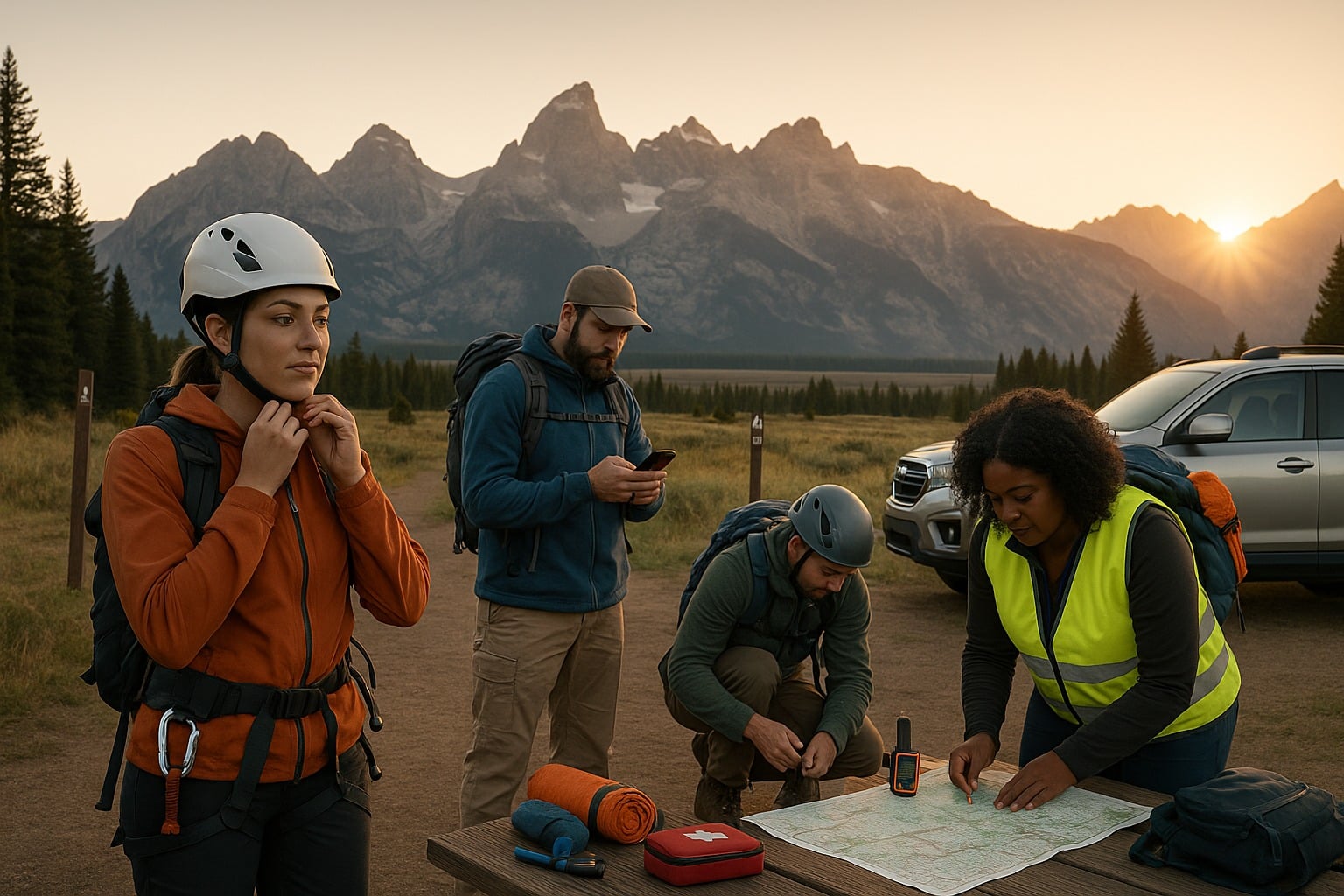
When operating in the field, safety is maintained through adherence to established protocols. This includes the "Rule of Three"—ensuring you have at least three means of navigation, communication, and water purification. Do not rely on a single device, as electronic failure in remote environments is a high-probability risk.
Navigation and Resource Management
Navigation should always include a primary GPS device, a secondary GPS-enabled mobile app (with offline maps), and a tertiary physical topographic map with a magnetic compass. Proficiency in using these tools is mandatory; technological tools are useless if the user does not understand how to orient their position in relation to physical landmarks.
Resource management involves calculating your "burn rate" for supplies. In extreme environments, you should carry at least 20% more fuel, food, and water than your calculated requirement for the duration of the trip. This buffer accounts for unexpected delays, which are common in adventure settings.
Dealing with Medical Emergencies
If an injury occurs in a remote location, the primary goal is stabilization and communication. If the victim is non-ambulatory, initiate your predetermined evacuation protocol immediately. Do not attempt to move a casualty with suspected spinal or long-bone injuries unless they are in immediate danger from the environment (e.g., flash flood, rockfall).
Maintain a comprehensive wilderness first-aid kit, and ensure at least one member of your party has formal training in Wilderness First Responder (WFR) or an equivalent certification. This training emphasizes improvisational medicine, using limited supplies to treat trauma when professional medical care is hours or days away.
Addressing Common Risks and Hazards
Adventure travel safety is not just about avoiding accidents but about identifying recurring patterns that lead to injury. Most incidents in wilderness environments are caused by three factors: excessive ambition (pushing past capabilities), environmental underestimation (ignoring weather changes), and equipment failure.
To mitigate these, adopt a "check-in" schedule. If you are traveling in a group, verify that everyone is physically and mentally capable of continuing at the start of each day. If a single member of the team is compromised, the entire group’s safety is compromised. In solo expeditions, this check-in should be done with an off-site contact who knows your exact route and your "check-in" deadline. If you fail to communicate by the agreed time, the contact should be instructed to initiate the distress protocol.
Frequently Asked Questions
What should I look for in an adventure travel guide service?
Look for certification from international bodies such as the International Federation of Mountain Guides Associations (IFMGA) or equivalent national agencies. Verify that the company maintains current public liability insurance and has a transparent emergency response plan.
Can I rely on a standard smartphone for navigation?
No. Smartphones are susceptible to cold-induced battery failure, screen damage, and lack of satellite connectivity. They should only serve as a secondary or tertiary navigation tool, and always be paired with a rugged, dedicated GPS unit and paper maps.
How do I handle emergency evacuations in a foreign country?
Before your trip, identify the contact information for local emergency services and the nearest embassy. Your insurance provider should offer a 24/7 emergency hotline that manages the logistics of contacting local authorities and initiating extraction when required.
What vaccinations are necessary for remote adventure travel?
Vaccination requirements vary by region rather than by activity. Consult a travel clinic or the World Health Organization (WHO) portal for the most recent health notices for your specific destination, focusing on vector-borne diseases and water-quality risks.
Are there specific gear maintenance habits for safety?
Yes. Perform a "pre-flight" check of all critical safety gear—harnesses, helmets, stoves, and satellite devices—before leaving for your base camp. Check for structural fatigue, frayed stitching, or battery degradation that could lead to failure in the field.
Implementing Your Safety Protocol
Before your next departure, finalize your safety plan by creating a "Go-Bag" for emergencies that includes a physical copy of your insurance policy, contact details for your consulate, and a list of medical contacts. Conduct a full systems check of your communication devices, ensuring all firmware is updated and that you have tested them in a remote area near your home before relying on them internationally. Finally, ensure your designated emergency contact knows your itinerary, your satellite device tracking link, and the exact protocols for calling in professional help if you fail to arrive at a scheduled waypoint.