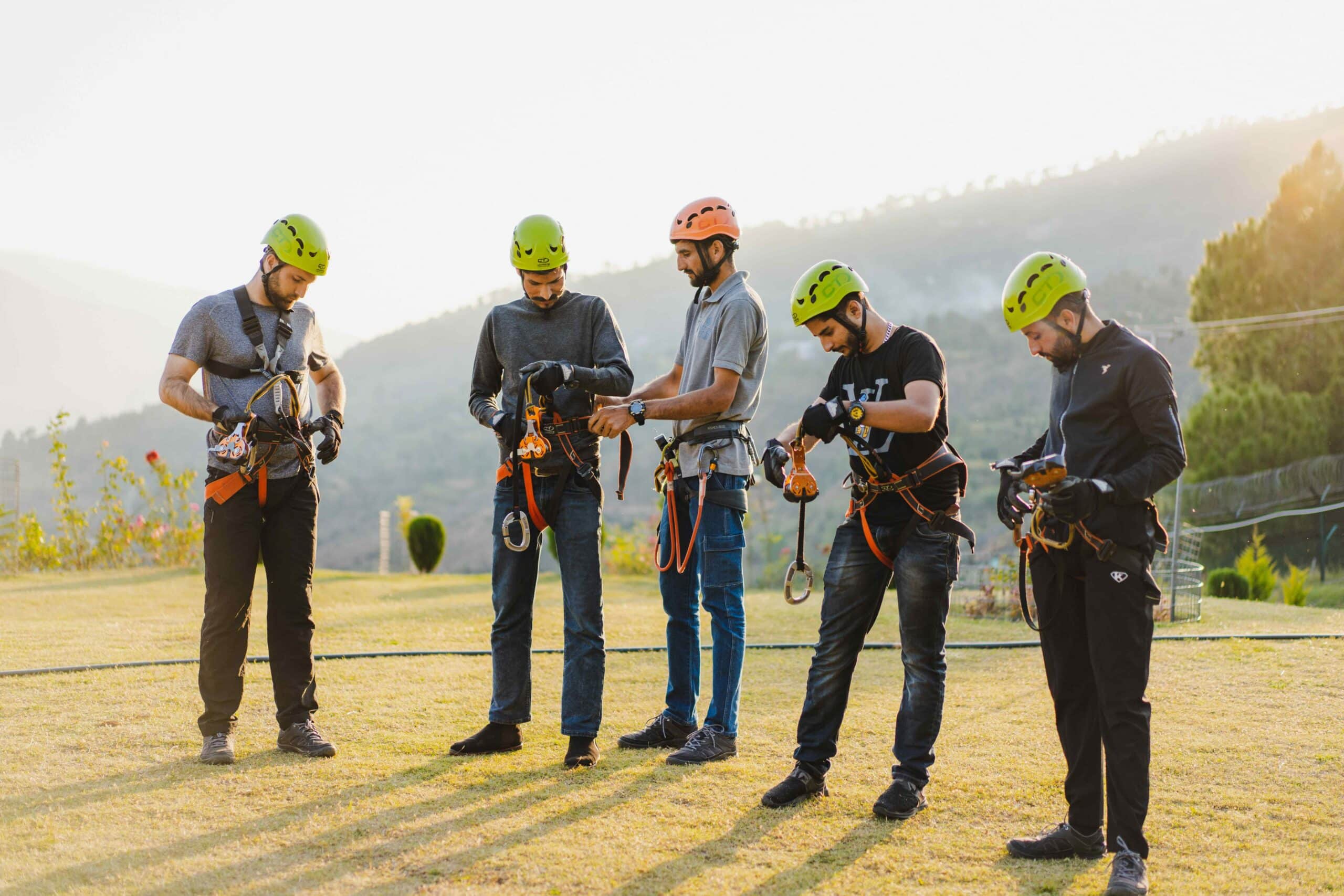
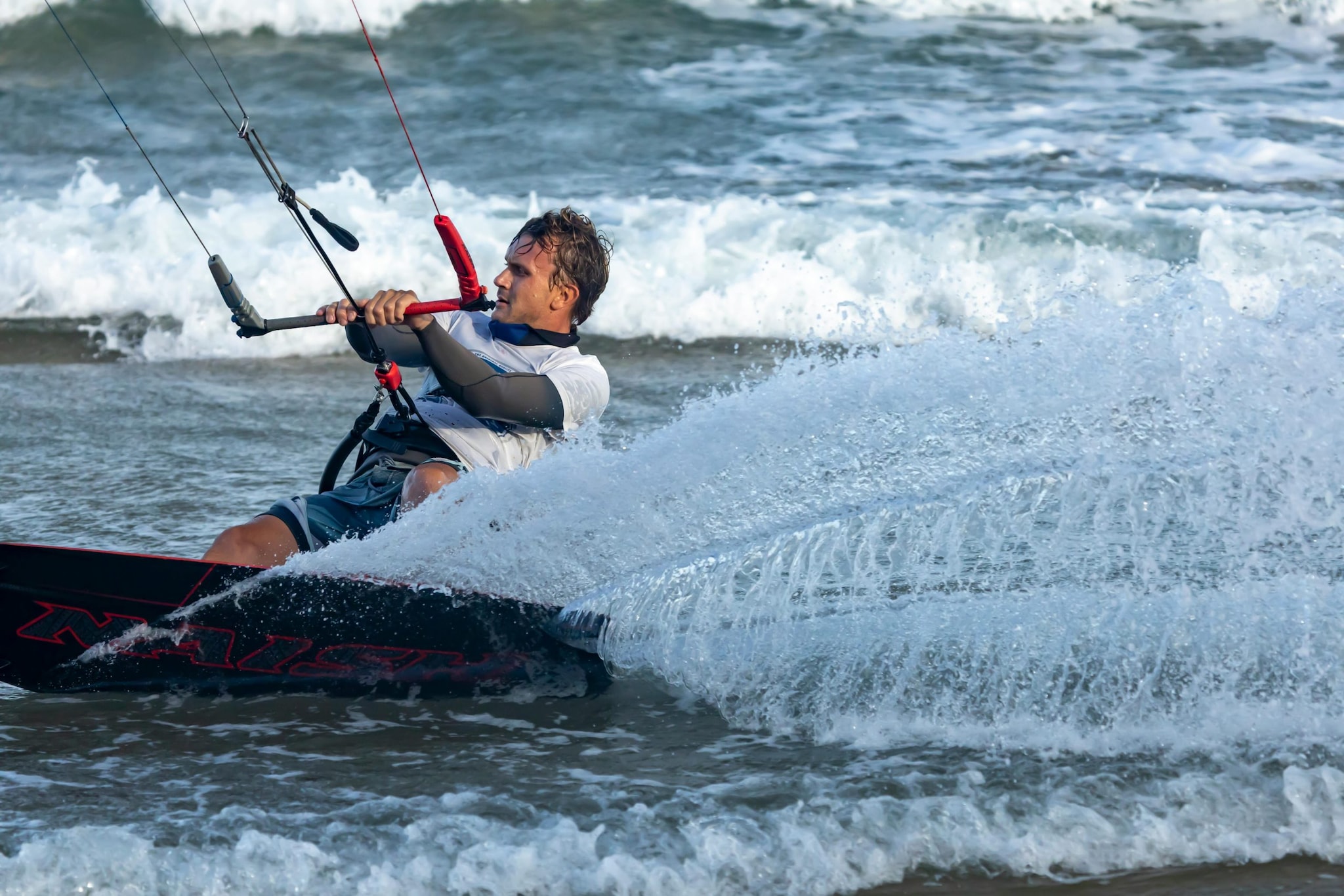
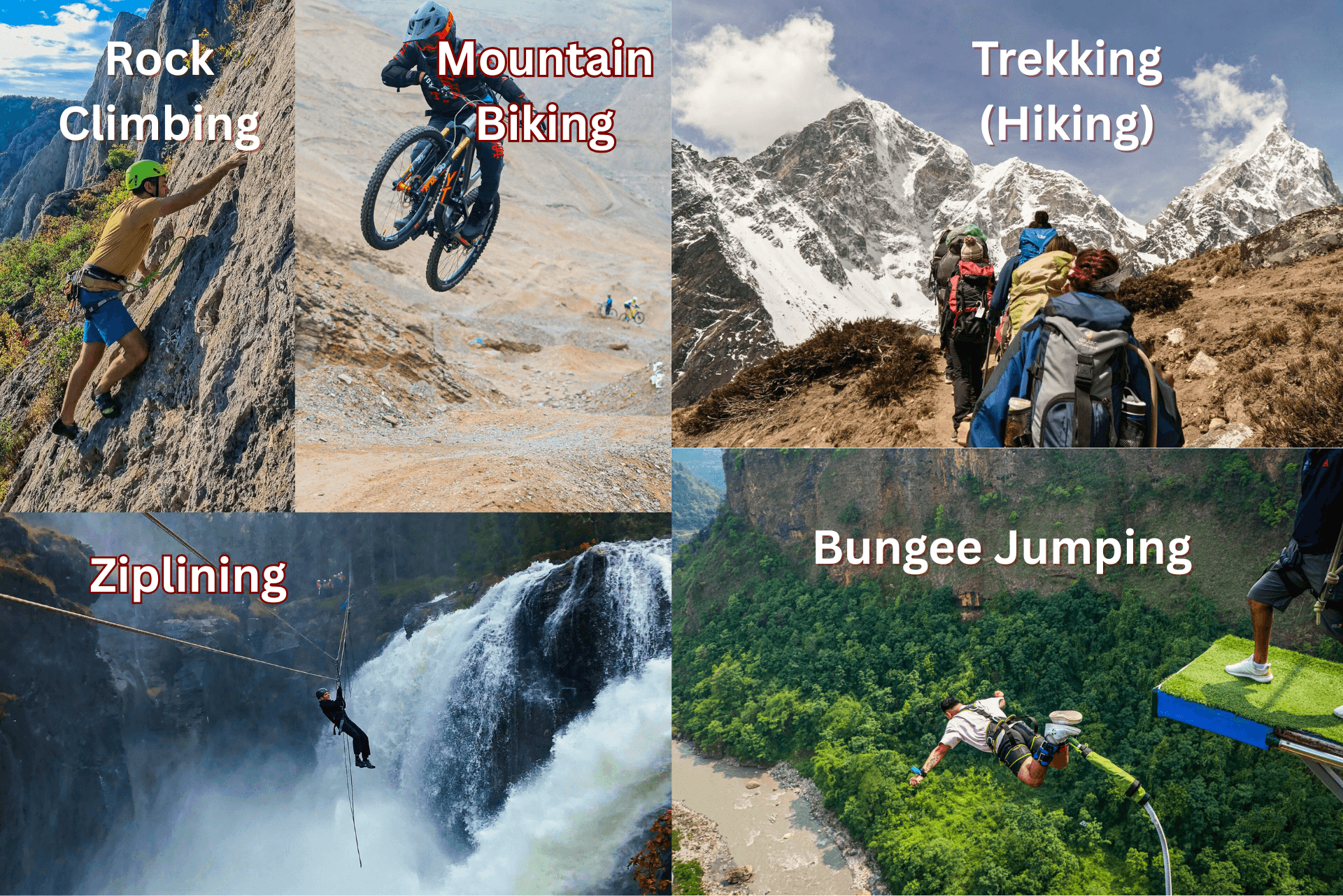
Adventure sports safety is the systematic application of risk management, technical proficiency, and verified equipment standards to mitigate the inherent hazards of high-intensity outdoor activities. It requires a dual approach: rigorous individual preparation through skills acquisition and the objective assessment of external factors, such as environmental conditions and gear integrity, before and during every excursion.
The Foundation of Risk Management in Extreme Environments
Safety in adventure sports is rarely about the total elimination of risk, as the nature of these activities often involves controlled exposure to danger. Instead, the objective is to practice informed risk management. Every participant must assess their capability against the specific challenges of the environment. This begins with an honest self-evaluation of physical fitness, technical skill levels, and psychological readiness.
Professional organizations emphasize the "Hierarchy of Controls" as a standard framework for managing site-specific hazards. First, one must attempt to eliminate the hazard—for instance, choosing a different, safer route when weather conditions become unstable. If elimination is impossible, substitution, engineering controls (such as using redundant anchor systems), and administrative controls (such as adhering to strict communication protocols) are employed. Relying solely on personal protective equipment (PPE) is considered the final and least effective line of defense.
Verified Equipment Standards and Maintenance
The integrity of gear is a non-negotiable pillar of adventure safety. In 2026, equipment must meet specific industry standards, such as those set by the Union Internationale des Associations d'Alpinisme (UIAA) for climbing hardware or the European Committee for Standardization (CEN) for personal protective equipment.
Maintenance goes beyond simple inspection. It involves a documented lifecycle management process. For instance, textile components like climbing ropes and harnesses have specific retirement dates or usage limits, regardless of their apparent condition. UV exposure, chemical contamination, and micro-abrasions can compromise synthetic fibers long before visible fraying occurs. Establishing a digital or physical logbook for high-stakes equipment allows users to track hours of use, stress events (such as major falls), and manufacturing date codes to ensure compliance with the manufacturer’s service life specifications.
Environmental Assessment and Meteorological Monitoring
One of the most frequent contributors to accidents in outdoor sports is the failure to adapt to changing environmental conditions. Safety protocols must include pre-trip, in-transit, and real-time monitoring. This requires basic proficiency in interpreting local meteorological data rather than relying solely on generalized regional forecasts.
In alpine or maritime environments, recognizing signs of rapid atmospheric pressure drops, shifts in wind direction, or cloud development is critical. Advanced preparation involves identifying "escape routes" or "bail-out points" that allow participants to exit a dangerous area quickly. These points should be mapped out before the activity commences. If the environment shifts beyond the pre-determined safety threshold, the protocol must mandate an immediate cessation of the activity or a retreat to a pre-defined safe zone.
| Risk Category | Primary Hazard | Mitigation Strategy |
|---|---|---|
| Alpine Sports | Avalanche/Rockfall | Terrain analysis and snowpack testing |
| Water Sports | Currents/Hypothermia | PFD certification and thermal base layers |
| Aerial Sports | Wind Shear/Turbulence | Pre-flight weather model verification |
| Trail/Off-Road | Mechanical Failure | Pre-departure multi-point inspection |
Human Factors and Group Dynamics
The psychological aspect of adventure sports, often referred to as human factors, is a leading cause of preventable incidents. Group dynamics can lead to "summit fever" or "the herd effect," where individuals ignore personal safety thresholds to maintain the pace or goals of the collective. Effective safety management requires that every member of a group has the explicit authority to call a halt to the activity without fear of social repercussions or peer pressure.
Communication protocols must be established before starting any objective. This includes defining clear hand signals or vocal commands for high-noise environments, such as rushing water or high-altitude winds, where standard verbal communication may fail. Furthermore, a "dead man's switch" concept or check-in system should be shared with a reliable third party—someone not involved in the activity who knows the exact route, intended return time, and the threshold for alerting emergency services.
First Aid Preparedness and Emergency Response
Possessing basic first aid knowledge is insufficient for those participating in remote or high-intensity sports. The standard of care for these activities is Wilderness First Aid (WFA) or Wilderness First Responder (WFR) training. These certifications teach participants how to manage trauma and medical issues in environments where professional medical assistance may be hours or days away.
Every group should carry a specialized kit tailored to the specific environment and activity type. A standard kit is not a universal solution. For example, a kit for backcountry skiing must emphasize hemorrhage control and thermal regulation, whereas a maritime kit must prioritize signaling devices and water purification. The primary objective of any emergency response plan is stabilization and signaling for rescue, rather than definitive medical treatment. Always ensure that the communication devices, such as satellite messengers or emergency beacons, are registered and that their subscription status is active prior to the excursion.
Navigating Regulatory and Legal Requirements
Adventure sports safety is also governed by regional and national regulations, particularly when utilizing public lands or international territories. Understanding the legal requirements regarding permits, insurance, and mandatory safety equipment is essential. Some regions, for instance, mandate the possession of specific insurance policies that cover search and rescue operations, as taxpayers may not be liable for the costs of extracting individuals from self-imposed hazardous environments.
Failure to adhere to local signage or restricted area warnings can result in legal liability and the invalidation of personal insurance policies. Before engaging in an activity, verify the current status of the intended area through official government land management portals or national park service databases. These platforms frequently update closure notices due to seasonal conditions or maintenance, which serve as direct indicators of safety viability.
Common Safety Mistakes to Avoid
A recurring error among both novice and intermediate athletes is the "normalization of deviance," where small shortcuts or safety lapses occur without immediate negative consequences. Over time, these actions become accepted as normal behavior, significantly increasing the probability of a catastrophic event. Examples include failing to double-check knot security, skipping a formal gear inspection because the trip "seems easy," or ignoring minor equipment fatigue.
Another significant error is over-reliance on technology. GPS devices, mobile applications, and satellite messengers are auxiliary tools, not replacements for traditional navigation skills like map-and-compass proficiency. Batteries fail, signals get blocked by terrain, and electronics can be damaged by water or impact. True safety is derived from the ability to navigate and survive when technology is no longer functional.
Establishing Your Safety Plan
Before your next adventure, draft a clear, written safety plan. This document should list the primary objective, participants, expected duration, specific gear list, identified bail-out points, and the contact information of a designated emergency responder. Share this document with a trusted individual. By codifying your safety strategy, you move from passive participation to active risk management. Consistently review your performance after every trip—what went well, what hazards were overlooked, and how you can improve your preparedness for the next challenge.