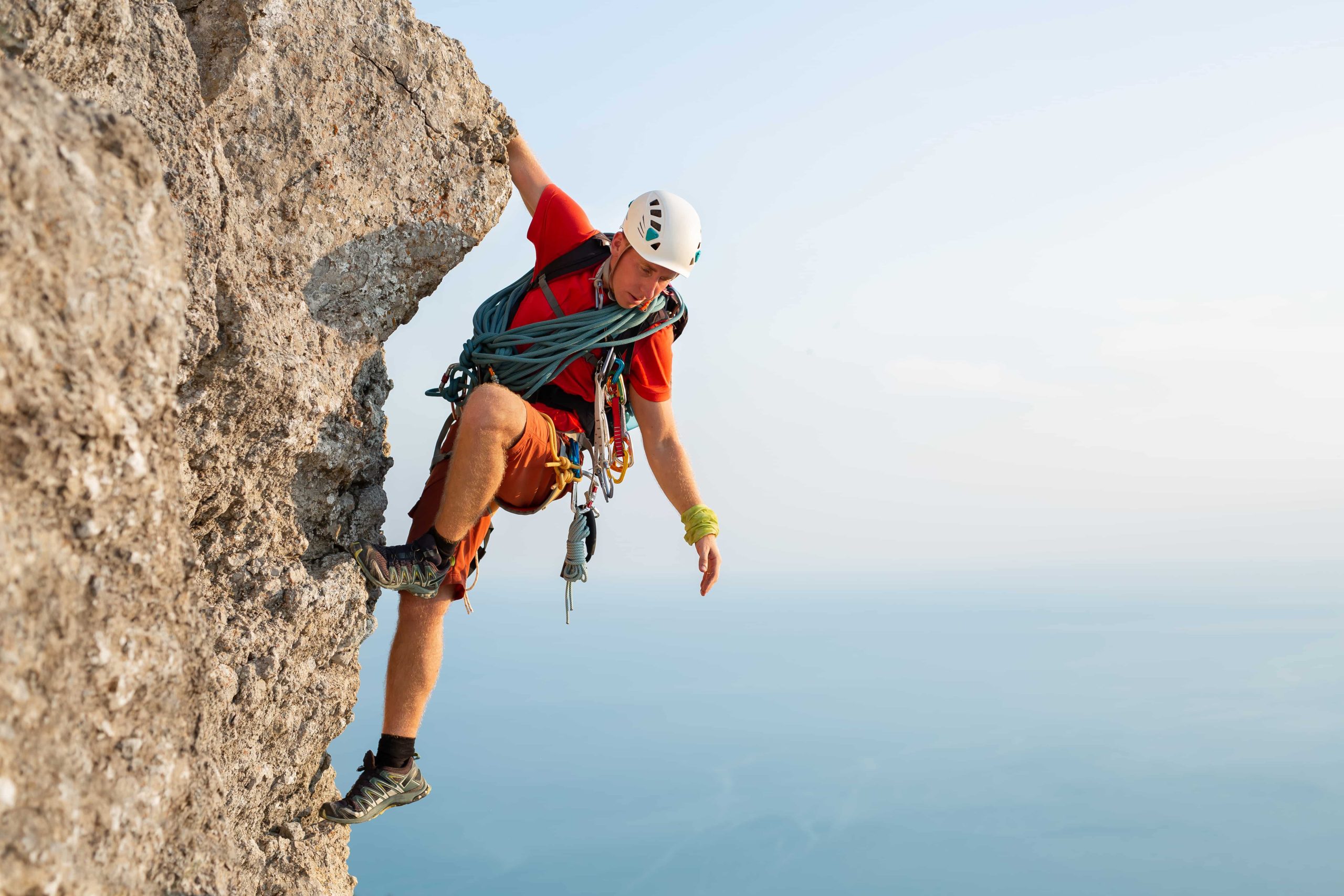
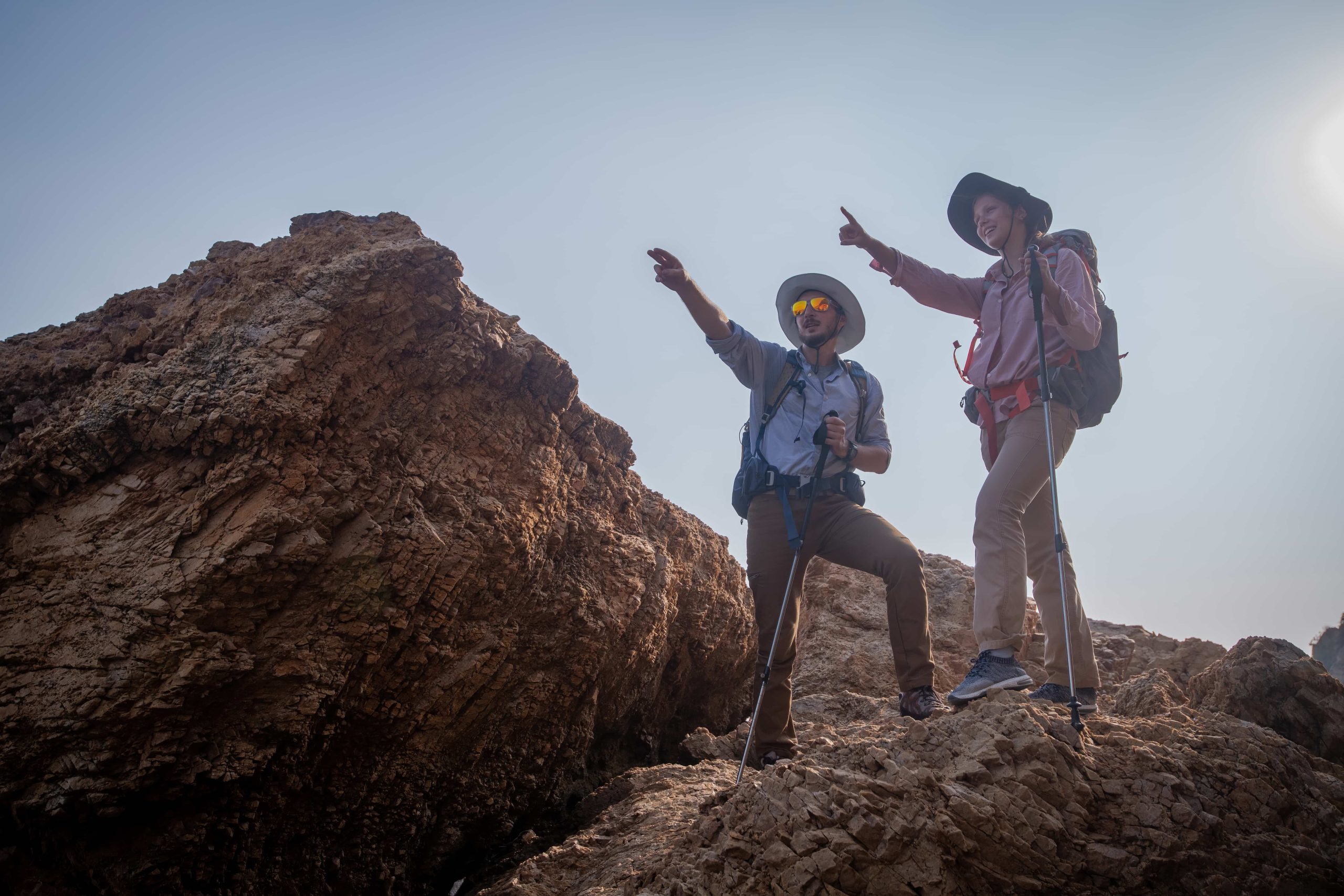
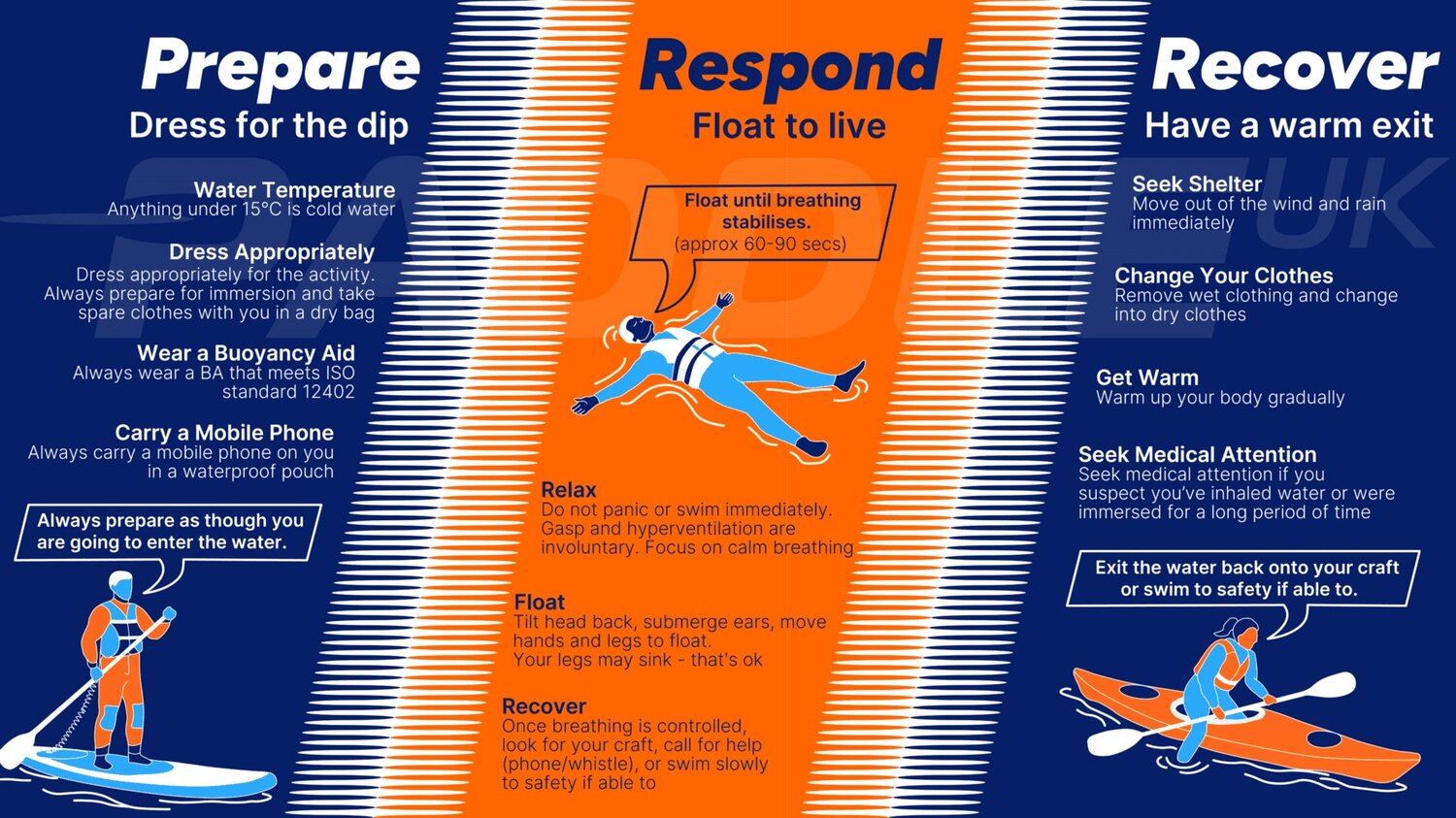
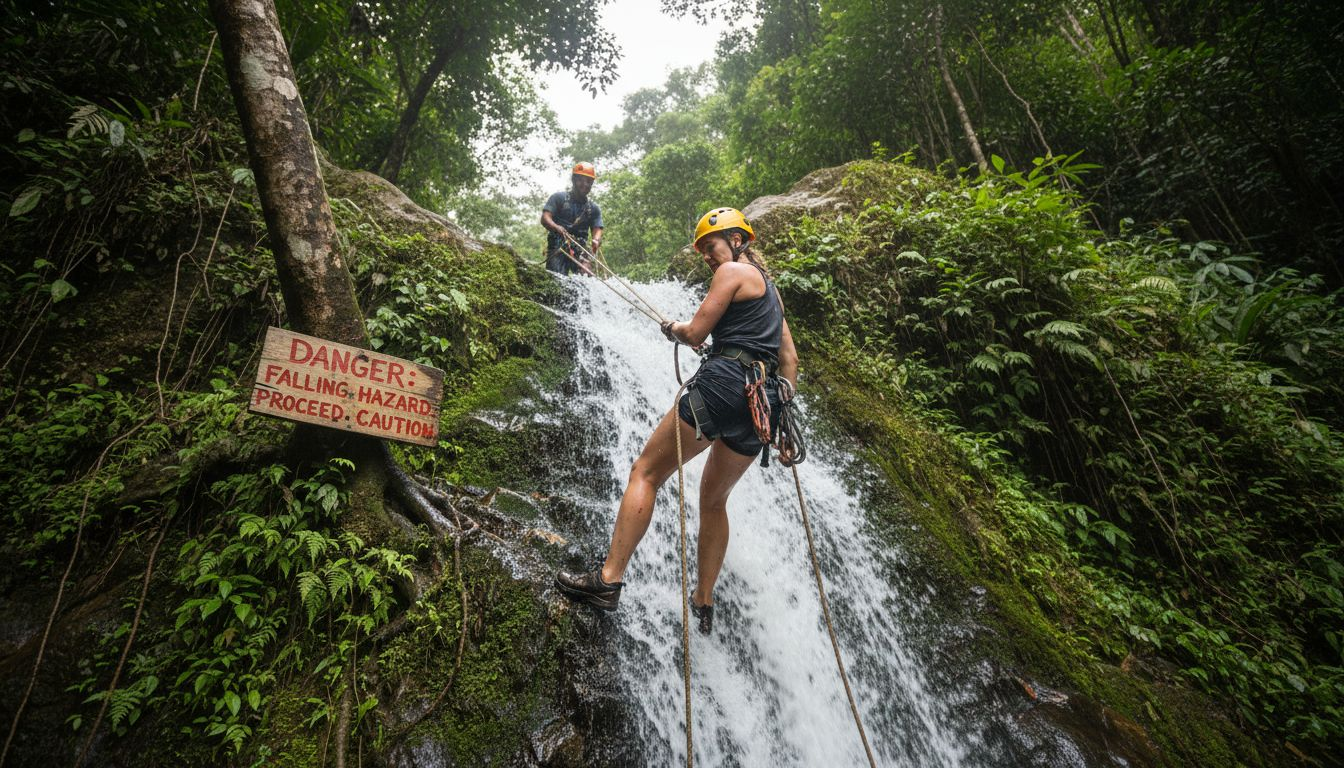
Adventure activities—ranging from high-altitude mountaineering and whitewater rafting to remote backcountry trekking—carry inherent physical and environmental risks that require diligent assessment, specialized training, and robust emergency planning to mitigate effectively. Participants, organizers, and guides must balance the appeal of high-stakes outdoor experiences with rigorous safety protocols to prevent life-threatening incidents and ensure sustainable participation.
The Landscape of Adventure Activity Hazards
Adventure activities are defined by their departure from controlled environments. Unlike traditional sports or urban recreation, these pursuits place individuals in settings where the primary variables—weather, terrain, equipment, and physiological stress—are often beyond the total control of the participant. Recognizing these risks is the first step in risk management, which practitioners categorize into three primary domains: environmental, technical, and human factors.
Environmental risks include unpredictable meteorological shifts, geological instability such as rockfalls or avalanches, and biological hazards like wildlife encounters or heat-related illnesses. Technical risks pertain to the failure of specialized gear, such as climbing ropes, carabiners, or communication devices in remote areas where recovery is delayed. Human factors, often cited as the most significant contributor to accidents, involve decision-making under stress, physical exhaustion, and the “normalization of deviance,” where safety shortcuts become accepted practice over time.
Assessing and Categorizing Risk Exposure
To manage risks effectively, participants must distinguish between “perceived risk” and “actual risk.” Perceived risk is the psychological sensation of danger that draws many to adventure activities, while actual risk represents the statistical probability of a negative outcome. A professional approach to adventure requires aligning the two, ensuring that one’s technical competence matches the objective hazards of the environment.
When planning an activity, it is helpful to categorize risks based on their potential severity and the likelihood of occurrence. This creates a risk matrix that guides decision-making.
| Risk Category | Examples | Mitigation Strategy |
|---|---|---|
| Environmental | Sudden storms, altitude, flash floods | Detailed meteorological forecasting, terrain awareness |
| Technical | Equipment fatigue, harness failure | Rigorous pre-trip inspection, redundancy in gear |
| Human | Fatigue, poor judgment, social pressure | Proper hydration/nutrition, incident management training |
| Logistical | Delayed rescue, lack of communication | Satellite messaging devices, filed trip plans |
The Role of Competence and Certification
The most effective barrier against adventure activity risks is the competence of the participants. For guided activities, this involves vetting the credentials of the organization. As of 2026, industry standards often rely on certifications from organizations such as the International Federation of Mountain Guides Associations (IFMGA) or equivalent national governing bodies. Participants should not hesitate to verify the currency of a guide's certifications, as skills in wilderness first aid and rescue require frequent recertification to remain effective.
Self-guided participants face a higher burden. Without a professional guide, the responsibility for hazard identification shifts entirely to the individual. This requires a progressive approach to skill acquisition: one does not attempt high-consequence alpine routes without first mastering navigation, anchor systems, and emergency evacuation protocols in lower-stakes environments.
Managing Human Factors and Group Dynamics
Even highly trained professionals are susceptible to cognitive biases that increase risk. Group dynamics, in particular, can lead to “adventure bias” or “summit fever,” where the desire to complete an objective overrides the objective evidence that conditions are unsafe.
To mitigate these human errors, adventure teams often utilize established communication frameworks. One such method is the “pre-mortem,” where the group identifies everything that could possibly go wrong before beginning the journey. Another is the use of “turn-back times,” fixed deadlines during a trip after which the group must retreat regardless of progress. These pre-agreed constraints remove the need for real-time, emotional decision-making when fatigue and goal-orientation are at their peak.
Essential Equipment and Redundancy
In remote environments, equipment failure is not just an inconvenience; it is a potential emergency. The concept of redundancy is central to adventure risk management. This means having a backup for critical systems, especially those related to communication and navigation.
For instance, relying solely on a smartphone for GPS in the backcountry is a known point of failure due to battery life and temperature sensitivity. A dedicated satellite messenger combined with physical topographical maps provides the necessary redundancy. Similarly, in climbing or canyoneering, critical hardware should always have a backup attachment point. Before any expedition, verify that all gear is rated for the specific stresses it will endure and that it has been maintained according to the manufacturer’s 2026 guidelines.
Liability and Insurance Considerations
Engaging in adventure activities involves legal and financial risks that participants often overlook. Most standard health insurance policies contain exclusions for “extreme” or “hazardous” activities. Before participating in such pursuits, individuals should review their coverage or obtain specialized adventure travel insurance.
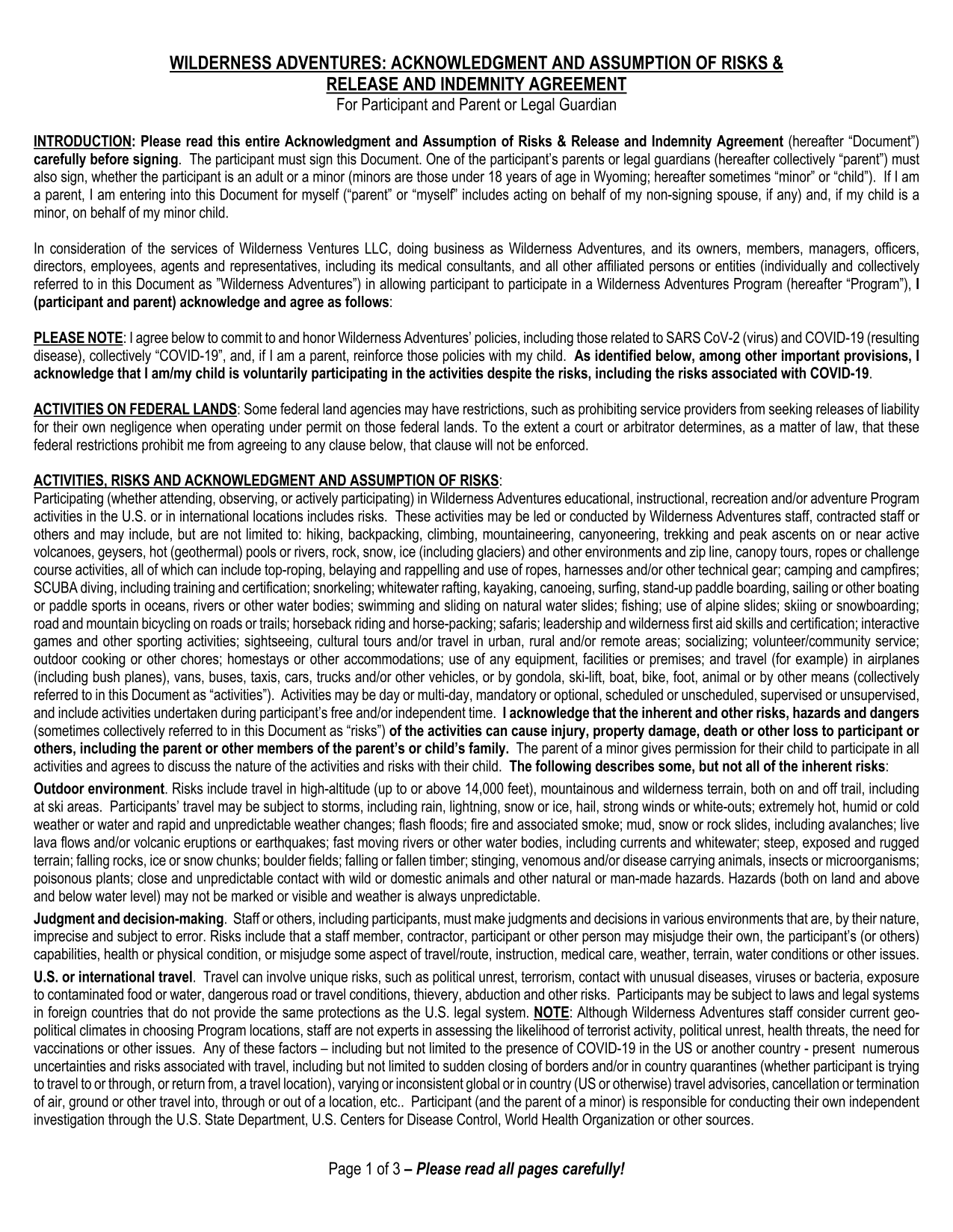
These policies are designed to cover not only medical treatment but also the high costs of search-and-rescue (SAR) operations and emergency medical evacuation. In many jurisdictions, the cost of an aerial rescue can reach tens of thousands of dollars, and the burden of payment often falls on the individual if they cannot demonstrate financial responsibility. Furthermore, signing a liability waiver is a standard practice in the industry. While these documents may limit the liability of a guide or operator, they generally do not waive an individual’s responsibility for their own safety or actions.
Next Steps for Safer Exploration
The successful mitigation of adventure activity risks is a continuous process of education and preparation. Before your next outing, follow these specific actions to ensure your risk management strategy is robust:
- Conduct a Skill Audit: Honestly assess your abilities relative to the trip's requirements. If there is a gap, seek formal training before attempting the activity.
- Verify Trip Logistics: Ensure that you have a detailed route plan and that at least one person not on the trip is aware of your itinerary and expected check-in time.
- Perform Gear Maintenance: Conduct a thorough inspection of all safety-critical equipment. If a component shows signs of wear—fraying on webbing, oxidation on metal, or intermittent battery failure—replace it immediately.
- Monitor Environmental Data: Utilize local forecast services and mountain-specific weather reports. Remain prepared to cancel or pivot the trip if conditions exceed your established safety thresholds.
- Review Insurance: Confirm that your insurance policy covers the specific activities you are undertaking and that the coverage limits include emergency extraction.
By treating preparation with the same intensity as the activity itself, you significantly reduce the likelihood of avoidable accidents, allowing the focus to remain on the environment and the experience.