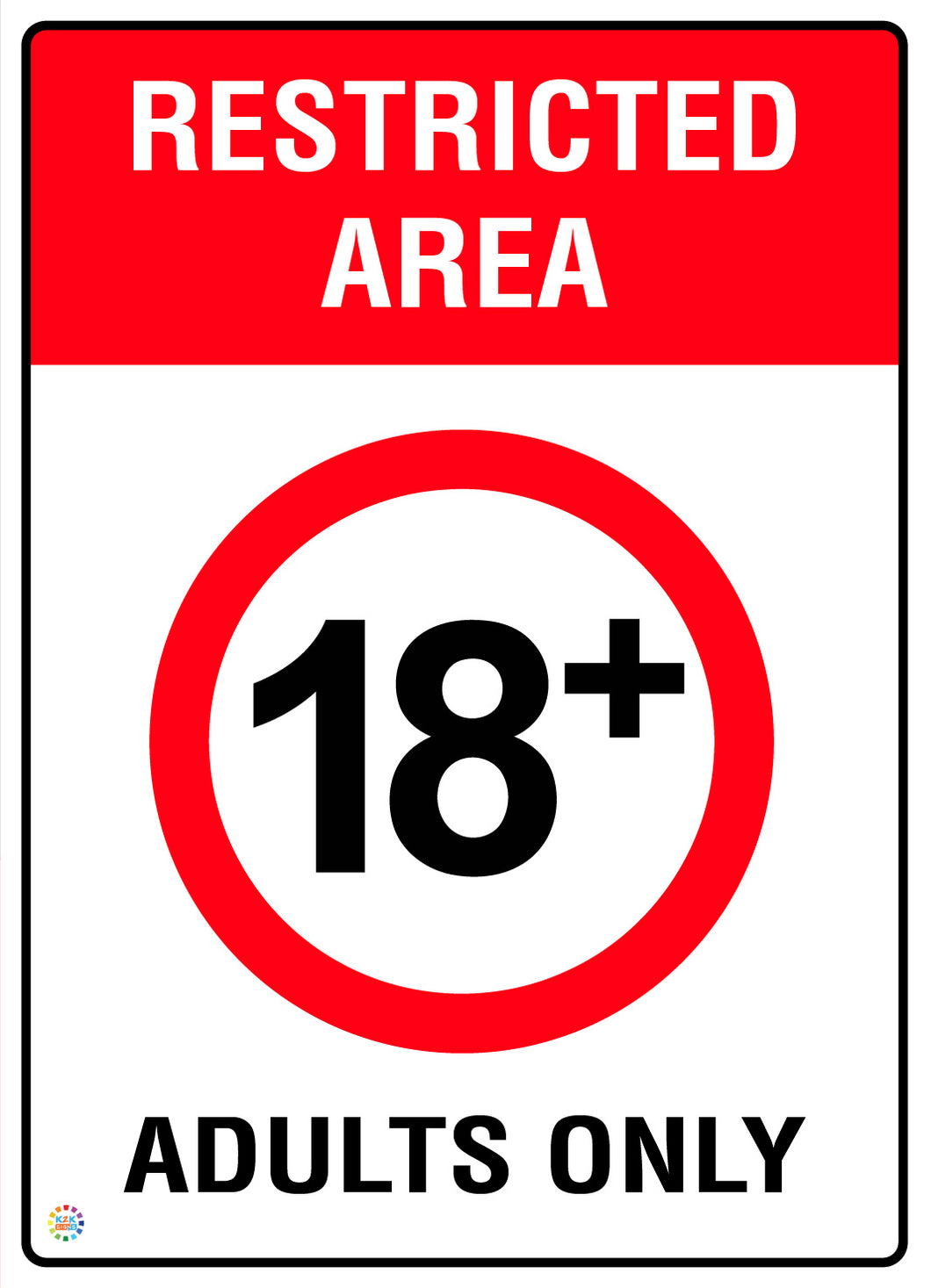
Adults-only designations serve as a regulatory and operational classification used to restrict access to specific physical locations, digital content, or residential communities based on age-verification thresholds. These classifications are typically enforced through legal statutes regarding age of majority, health and safety liability, or community zoning requirements to ensure environments meet the specific behavioral or developmental expectations of adult participants.
Understanding the Legal Basis for Age Restrictions
The term "adults only" is not merely a marketing label but a specific designation often rooted in local, regional, or national law. In most jurisdictions, the age of majority—the threshold at which a person is legally recognized as an adult—is 18 years. However, specific contexts such as housing, hospitality, or digital media may impose higher age requirements, such as 21 or 25, based on local ordinances or private business policies.
Legally, these restrictions are often supported by the need to manage liability. For example, in the hospitality industry, a resort labeled as adults-only often does so to provide a quiet, hazard-minimized environment that is incompatible with the safety protocols required for children. In residential real estate, such as 55+ communities in the United States, the Fair Housing Act provides specific exemptions from familial status discrimination, allowing for age-restricted housing provided certain occupancy requirements are met.
Implementation in the Hospitality and Tourism Sector
In the travel industry, adults-only hotels and cruises offer an experience curated specifically for guests who seek environments free from the noise and activity levels typically associated with family tourism. These establishments are strictly managed, and guests are required to provide government-issued identification at check-in to verify that all occupants meet the minimum age criteria.
When booking these properties, it is essential to understand that "adults-only" is a rigid policy. Unlike general hospitality settings, these properties often lack the infrastructure—such as child-safe furniture, play areas, or specialized medical staff—to accommodate minors. Consequently, attempting to circumvent these policies by providing false information regarding age usually results in immediate denied entry or forced cancellation without refund. Travelers should always confirm the exact age threshold, as some luxury resorts may set the minimum age at 16, while others, particularly those focused on nightlife or high-stakes activities, may require all guests to be at least 21 or 25.
Age-Restricted Housing and Community Zoning
The "adults-only" classification in real estate is heavily regulated to prevent discriminatory practices while allowing for niche community living. In the United States, for example, the Housing for Older Persons Act (HOPA) of 1995 amended the Fair Housing Act to allow communities to designate themselves as housing for older persons. To qualify, these communities must satisfy rigorous requirements, such as ensuring that at least 80% of occupied units have at least one person 55 years of age or older.
These designations are not permanent and require consistent monitoring and documentation by property management. A community that fails to maintain the necessary age-ratio documentation risks losing its status, which could lead to significant legal exposure and operational changes. For prospective residents, the due diligence process involves reviewing the community’s bylaws and understanding the restrictive covenants that define the age-based limitations of the property.
Digital Content and Online Verification Standards
In the digital landscape, "adults-only" refers to content that is unsuitable for minors, such as explicit material, high-risk gambling platforms, or age-restricted social spaces. As of 2026, the enforcement of these standards has become increasingly stringent through mandatory age-verification technology. Operators are no longer relying solely on user-entered birth dates; instead, they are implementing multi-factor verification, including government ID uploads, facial age-estimation software, or credit card verification protocols.
The primary goal of these measures is compliance with international digital safety regulations, which protect minors from exposure to inappropriate material. Failure to implement effective age-gating can result in heavy regulatory fines, seizure of digital assets, or the revocation of business licenses. For the end user, this means that accessing such platforms requires providing sensitive identity information, which carries its own set of data privacy considerations.
Comparison of Age-Restricted Environments
The following table compares the typical requirements and legal foundations for different categories of adults-only environments.
| Sector | Primary Objective | Typical Age Floor | Verification Method |
|---|---|---|---|
| Hospitality | Environment curation | 16–21 | Government ID at check-in |
| Residential | Housing exclusivity | 55+ | Lease/Deed age covenants |
| Digital Media | Legal/Safety compliance | 18+ | ID scan or biometric checks |
| Gambling | Risk/Financial control | 18–21 | Tax/Bank verification |
Common Misconceptions and Compliance Risks
A frequent error made by individuals and business operators is the assumption that "adults only" is a flexible policy. In practice, these designations are often tied to insurance premiums and liability waivers. If a hotel that is marketed as adults-only allows an exception for a minor, they may inadvertently void their liability insurance coverage for the entire property. This is why enforcement is rarely discretionary.
For those operating under an adults-only designation, compliance is an ongoing task. This includes:
- Clear Disclosure: Policies must be clearly stated in all marketing materials, booking engines, and signage to prevent consumer disputes.
- Staff Training: Personnel must be trained to handle age verification consistently and firmly, ensuring no exceptions are granted based on social pressure or convenience.
- Documentation: Maintaining accurate records of age verification for every occupant is necessary for legal audits and insurance renewals.
Practical Steps for Verification and Access
If you are planning to access a service or property designated as adults-only, follow these steps to ensure a smooth process:
- Verify the Specific Age Threshold: Do not assume 18 is the standard. Check the terms of service or the property’s official website for the exact minimum age.
- Prepare Valid Identification: Ensure you have a physical, government-issued photo ID. Digital copies or expired documents are frequently rejected.
- Review the Fine Print: If booking for a group, ensure that every member of the party meets the age requirement. Policies often apply to the entire group; if one person is under the age limit, the entire party may be barred from entry.
- Data Privacy Check: For online services, research how your identity information will be stored and for how long. Use platforms that comply with established data protection regulations.
If you encounter a situation where you believe an age restriction is being applied incorrectly or you are experiencing technical difficulties with a verification portal, the next step is to contact the organization’s compliance officer or customer support lead. Keep records of all correspondence, as these will be essential should the matter escalate to a consumer protection agency or a formal dispute.