Managing yellow jackets requires a precise understanding of their life cycle, colonial social structure, and behavioral patterns to effectively distinguish them from other stinging insects. Adult yellow jackets are social wasps of the genus Vespula and Dolichovespula that exhibit complex colony dynamics, centered around a queen, workers, and, seasonally, reproductive males. Successful removal or mitigation relies on identifying the specific nest location and understanding the transition of the colony from early spring expansion to late summer defensive behavior.
Understanding Yellow Jacket Cast and Colonial Structure
Yellow jackets are eusocial insects, meaning they live in highly organized colonies featuring a reproductive division of labor. The colony consists of three primary castes: the queen, the workers, and the males (drones). Understanding these roles is essential for anyone attempting to control a nest, as the target of most removal efforts is the worker population and the queen.
- The Queen: The sole reproductive female responsible for establishing the nest in the spring. She is significantly larger than workers. After the initial founding of the colony, she remains deep within the nest, focusing exclusively on egg production.
- Workers: These are sterile females that perform all colony maintenance. They gather food, expand the paper nest, and defend the colony. Because workers are the individuals seen foraging for food and aggressively defending the nest, they are the primary focus of most human-wasp interactions.
- Males (Drones): Appearing in late summer or early fall, these individuals do not possess a stinger. Their sole biological purpose is to mate with new queens. They are generally less aggressive but are often confused with workers due to their similar markings.
Identification: Distinguishing Yellow Jackets from Other Wasps
Misidentification is the most common error in pest management. Yellow jackets are frequently confused with paper wasps and honeybees. Correct identification ensures the use of appropriate safety equipment and suppression strategies.
Key visual indicators include:
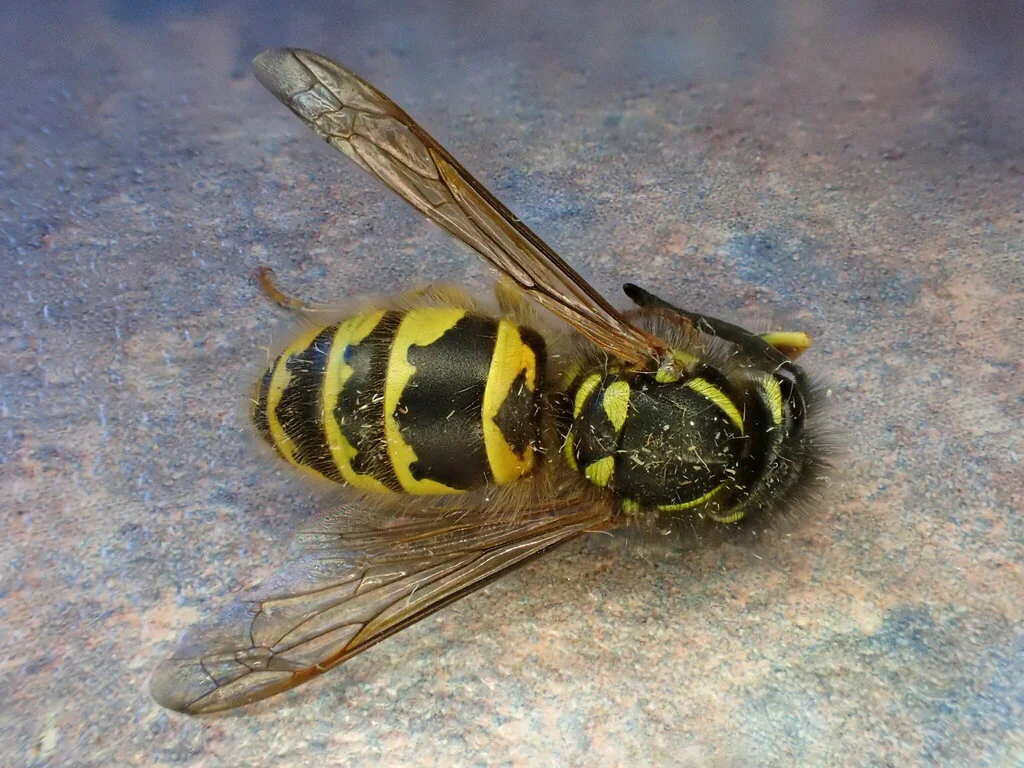
- Coloration: Yellow jackets feature a distinct black and bright yellow pattern on the abdomen and head. Unlike honeybees, they are hairless and have a "shiny" appearance.
- Body Shape: They exhibit the classic "wasp waist" (a thin connection between the thorax and abdomen) and possess well-defined, jagged black markings that often look like bands or spots.
- Flight Pattern: When approaching a nest or food source, yellow jackets move with rapid, darting movements, unlike the slower, more deliberate flight of honeybees.
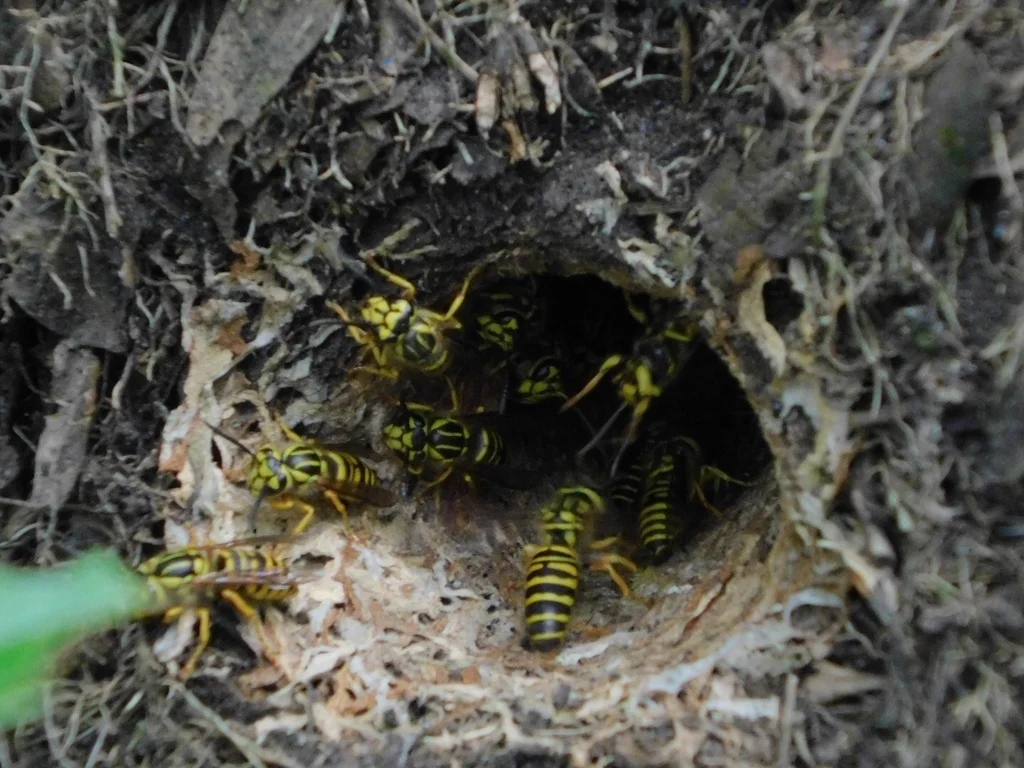
- Nesting Habitat: Yellow jackets typically build nests in concealed locations. Common sites include abandoned rodent burrows, wall voids in structures, hollow trees, or dense shrubbery. Their nests are constructed from chewed wood fibers, creating a papery, grey, or beige multi-tiered structure encased within an envelope.
Behavioral Patterns and Defensive Triggers
Yellow jackets are scavenger wasps. Their behavior shifts dramatically throughout the season, which dictates the level of risk to property owners. In early summer, the colony is small, and the workers are focused on protein acquisition (insects, caterpillars) to feed the developing larvae. They are generally less interested in human food during this phase.
As the season progresses into late summer and early fall, the colony reaches its peak population. During this period, the demand for protein drops because there are fewer larvae to feed, and the workers shift their focus to carbohydrates. This is when they become persistent nuisances at outdoor dining areas, trash receptacles, and picnic spots.
The defensive behavior of a colony is highly elevated if the nest is disturbed. Yellow jackets mark threats with pheromones, which signal other workers to attack simultaneously. Unlike honeybees, yellow jackets can sting multiple times, making the accidental disturbance of a nest a significant health risk for those with allergies to Hymenoptera venom.
Comparison of Common Stinging Insects
The following table provides a quick reference for distinguishing yellow jackets from their look-alikes to ensure the correct identification before choosing a removal method.
| Feature | Yellow Jacket | Paper Wasp | Honeybee |
|---|---|---|---|
| Color | Bright Yellow/Black | Brown/Red/Yellow | Amber/Brown/Black |
| Hairiness | Hairless/Shiny | Sparse hair | Very hairy |
| Nest Type | Enclosed paper | Open, umbrella-shaped | Wax combs |
| Aggression | High (near nest) | Moderate | Low (unless provoked) |
| Sting Ability | Multiple stings | Multiple stings | Single sting (barbed) |
Strategies for Safe Removal and Mitigation
Before initiating any removal, conduct a thorough site assessment. If you have a known allergy to stings, do not attempt to remove a nest; professional pest control services are mandatory for your safety.
1. Verification of Nest Location
Observe the flight path of the wasps from a safe distance during the day to pinpoint the entrance of the nest. If the nest is in a wall void, do not seal the hole. If you seal the entrance while the colony is active, they will likely chew through interior drywall or wood to find a new exit, resulting in an indoor swarm.
2. Timing the Application
Treatment is most effective after sunset or just before sunrise. During these hours, the entire colony is present in the nest, and their activity levels are at their lowest, reducing the chance of an immediate defensive reaction.
3. Selection of Control Products
Use EPA-registered insecticides specifically labeled for yellow jacket or wasp control. Aerosol sprays designed for long-range application allow the user to remain at a distance. Dust formulations are effective for nests inside wall voids, as the workers track the dust into the deep galleries of the nest, ensuring the queen and developing brood are reached.
4. Personal Protective Equipment (PPE)
Never approach a nest in shorts or short-sleeved shirts. Wear thick, heavy clothing that covers all skin, secure pant legs into boots, and use a veil or protective headgear if available. A flashlight should be used with a red filter, as many wasps are less sensitive to red light, which helps prevent alerting the colony during the approach.
Common Mistakes and Troubleshooting
One of the most frequent errors is attempting to "drown" a nest with water or gasoline. Water is ineffective against the paper structure of a nest, and using gasoline is environmentally hazardous, illegal in many jurisdictions, and poses a severe fire risk.
If you find that the population of yellow jackets remains high after a treatment attempt, the nest may be larger than estimated or have multiple entry points. In such cases, the chemical application did not reach the central brood chamber. Do not attempt a second DIY treatment if the first one failed; the wasps will be highly agitated and sensitized to further activity. This is the stage where the risk of multiple stings increases significantly.
Frequently Asked Questions
H3: Are yellow jackets beneficial to the environment?
Yes, yellow jackets are beneficial because they act as natural predators of many garden pests, including caterpillars, flies, and grubs. They contribute to ecological balance by controlling populations of insects that might otherwise damage vegetation. They should generally be left alone if they are located in areas where they do not pose a direct threat to human activity.
H3: Can I relocate a yellow jacket nest instead of destroying it?
Relocation is generally not feasible or recommended for yellow jackets. Unlike honeybee hives, which can be moved by beekeepers, yellow jacket nests are fragile and inextricably linked to their environment. Attempting to physically move a nest will almost certainly result in a mass attack by the colony.
H3: What is the risk to pets if a nest is near the home?
The primary risk to pets is accidental disturbance. Dogs and cats are naturally curious and may investigate the nest entrance, potentially leading to dozens of stings. If a nest is located near a high-traffic pet area, it must be addressed, preferably by a professional to ensure the safety of the animals during the removal process.
H3: Do yellow jackets die in the winter?
In most temperate climates, the entire colony, including the workers and the old queen, dies upon the arrival of freezing temperatures in late autumn. Only the newly mated queens survive the winter by hibernating in protected spaces like leaf litter or hollow logs. The old nest is never reused in the following season.
Next Actions for Property Owners
If you have identified a yellow jacket nest that presents a genuine threat to your household or outdoor activities, the most responsible next action is to assess the nest's location. If the nest is elevated, in a structural void, or large (exceeding the size of a basketball), contact a licensed pest control professional. Professionals have access to specialized pressurized equipment and protective gear that ensures the colony is neutralized without risking human injury. Always inquire about the company's treatment methods to ensure they follow integrated pest management principles, prioritizing the safe elimination of the colony while minimizing environmental impact.