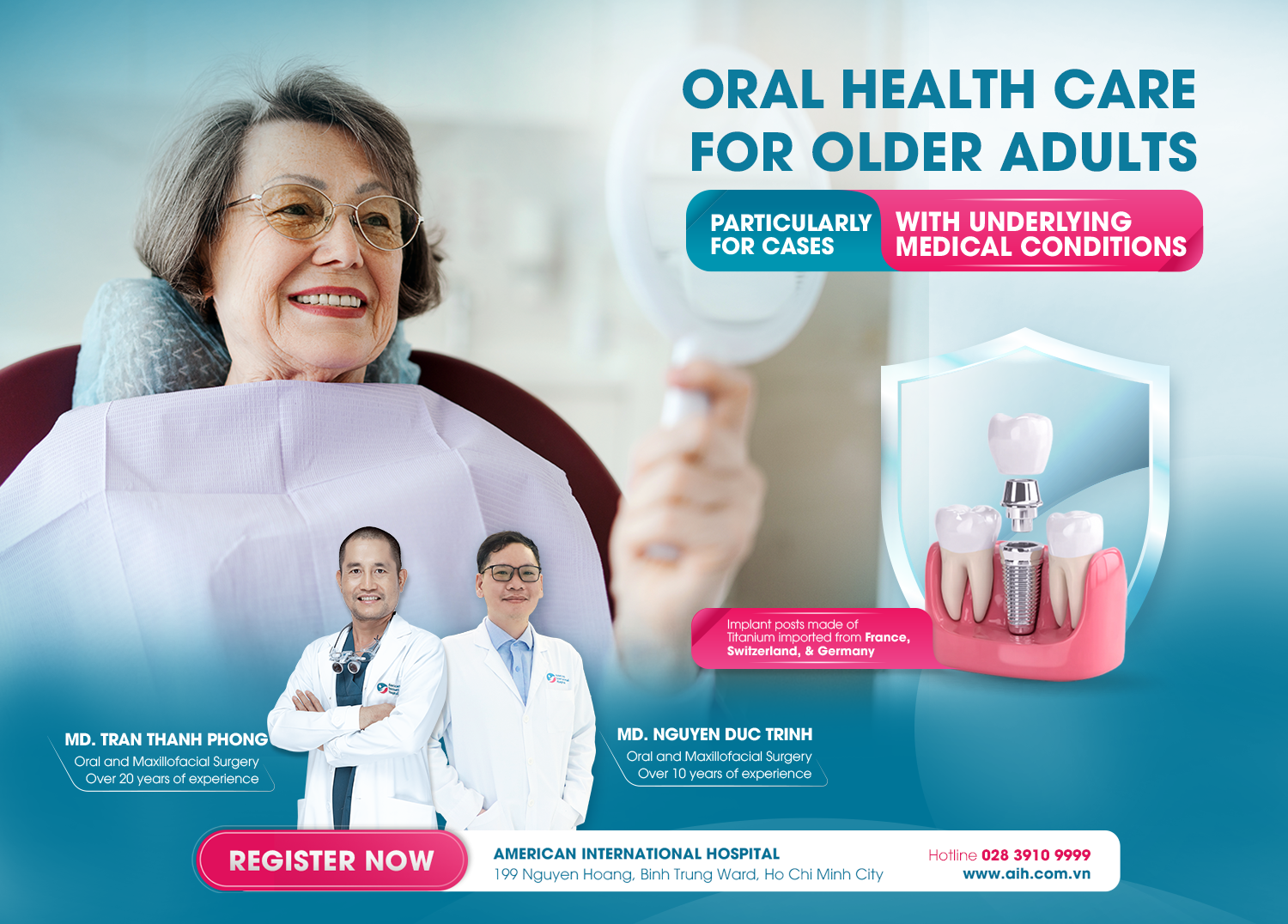
Adult oral health is defined by the consistent management of teeth, gums, and oral structures to prevent systemic complications, maintain functional integrity, and ensure long-term dental hygiene. Achieving optimal health requires a structured approach involving daily maintenance routines, professional clinical monitoring, and the proactive management of diet and lifestyle factors that directly influence the oral microbiome.
The Foundation of Daily Oral Maintenance
The primary prerequisite for adult oral health is a consistent, evidence-based hygiene regimen. While the basic mechanics of brushing and flossing are often learned in childhood, the requirements for adults evolve due to changes in gum sensitivity, the recession of gingival tissues, and the increasing prevalence of restorative work like crowns, bridges, or implants.
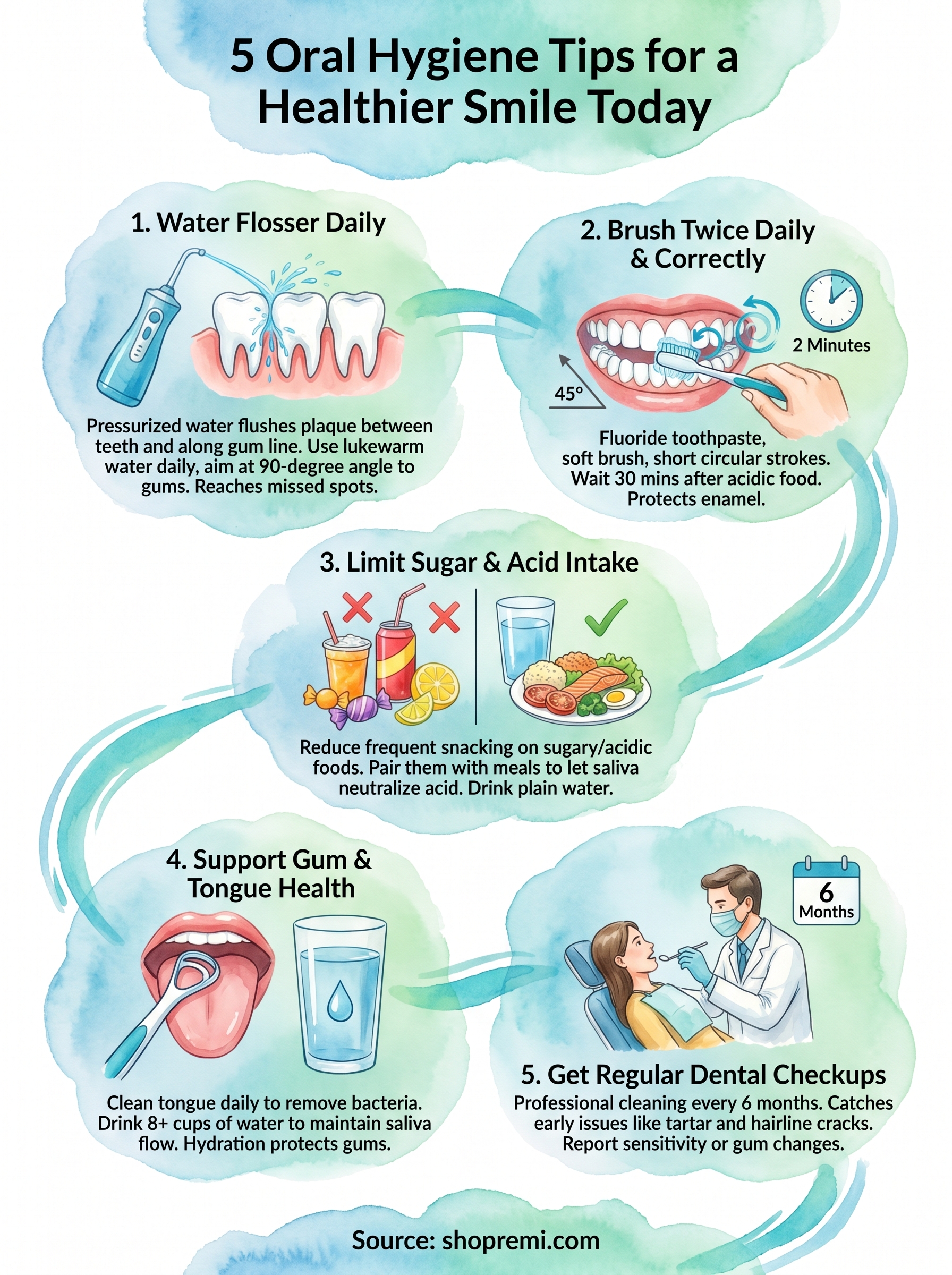
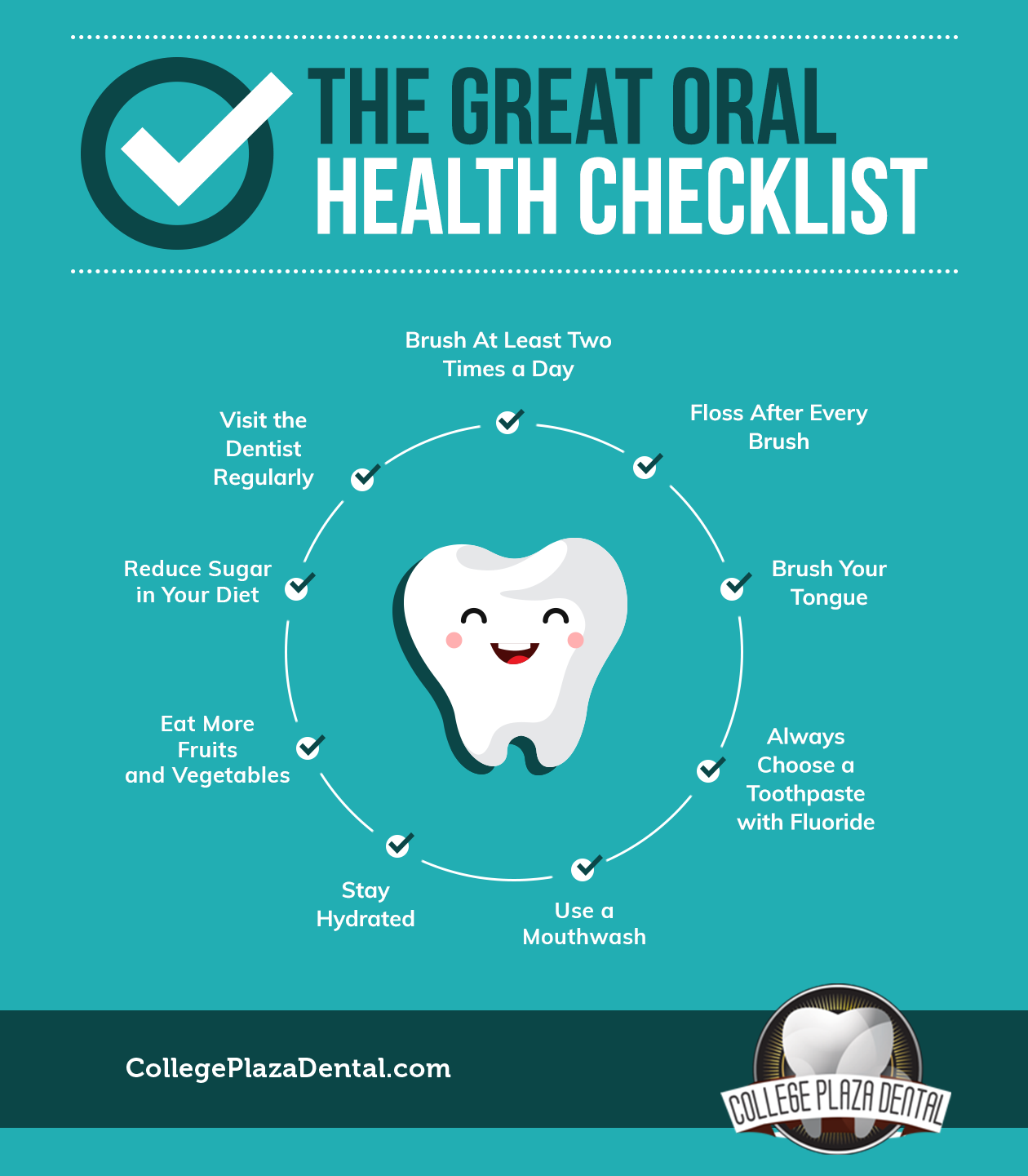
Effective mechanical cleaning centers on the removal of dental plaque—a biofilm of bacteria that adheres to tooth surfaces. If allowed to harden into calculus (tartar), this material becomes impossible to remove with standard home instruments. Brushing should be performed twice daily using a fluoride-based toothpaste, which serves to remineralize enamel and neutralize the acidic byproduct of oral bacteria. The transition to electric or sonic toothbrushes is frequently recommended for adults as they provide consistent oscillations or vibrations, which have been shown in various clinical studies to be more effective than manual brushing for reducing gingivitis and plaque accumulation.
Interdental cleaning remains the most neglected aspect of adult oral hygiene. Because toothbrush bristles cannot reach the interstitial spaces between teeth, bacteria congregate in these areas, leading to interproximal decay and periodontal disease. Options for interdental cleaning include traditional waxed or unwaxed floss, interdental brushes, or water irrigators. Selecting the appropriate tool depends on the spacing between an individual’s teeth and the presence of dental hardware.
Clinical Oversight and Professional Care
Professional intervention is not merely for treating acute pain; it is a critical component of preventive health. Routine dental examinations in 2026 generally follow a six-month interval for healthy adults, though individuals with high risk factors—such as diabetes, smoking habits, or a history of periodontal disease—may require more frequent visits.
During a standard examination, the dentist or hygienist performs several key diagnostic tasks:
- Periodontal Charting: Measuring the depth of the gingival pockets to detect the early onset of periodontitis.
- Radiographic Imaging: Using bitewing or periapical X-rays to visualize areas between teeth and below the gum line that are invisible to the naked eye.
- Oral Cancer Screening: Examining the soft tissues of the tongue, floor of the mouth, and throat for abnormal lesions or growths.
- Mechanical Debridement: Removing calculus deposits that have built up since the last professional cleaning.
Failure to maintain this schedule often leads to the progression of conditions that are irreversible once established. For instance, gingivitis is a reversible inflammation of the gums, but if left untreated, it can advance into periodontitis, which involves the permanent loss of the alveolar bone supporting the teeth.
Managing Oral Health Across Different Clinical Needs
Adults face varying challenges depending on their specific dental history and the presence of prosthetic or restorative elements. The following table provides a comparison of care requirements based on common clinical scenarios.
| Condition/Scenario | Primary Care Requirement | Frequency of Intervention |
|---|---|---|
| Healthy Dentition | Mechanical cleaning and fluoride | 6 Months |
| Fixed Restorations (Crowns/Bridges) | Specialized interdental cleaning | 6 Months |
| Periodontal History | Scaling and root planing | 3–4 Months |
| Xerostomia (Dry Mouth) | Hydration and saliva substitutes | As needed |
| Orthodontic Appliances | Specialized threading and brushes | Monthly |
The Impact of Systemic Health and Lifestyle
Oral health is not isolated from the rest of the body. There is a documented bidirectional relationship between systemic diseases and oral conditions. For example, individuals with uncontrolled diabetes have a significantly higher risk of developing severe periodontal disease, and conversely, chronic inflammation in the mouth can make glycemic control more difficult to manage.
Lifestyle choices contribute significantly to the rate of enamel erosion and tissue inflammation. Consumption of fermentable carbohydrates and acidic beverages—including sodas, energy drinks, and certain fruit juices—lowers the pH level of the oral cavity. When the pH drops below the critical threshold of approximately 5.5, the hydroxyapatite mineral in the tooth enamel begins to dissolve. To mitigate this, practitioners recommend rinsing with water after consuming acidic items and waiting at least 30 minutes before brushing to avoid abrading the softened enamel surface.
Common Obstacles and Troubleshooting
Many adults encounter specific barriers that prevent them from maintaining high standards of oral hygiene. Addressing these obstacles often requires a change in strategy rather than a change in discipline.
1. Sensitivity to Hot and Cold: Often caused by exposed dentin (the layer beneath the enamel). If sensitivity is persistent, a dentist may recommend high-fluoride prescription toothpaste or the application of desensitizing agents. It is important to rule out underlying issues like cracked teeth or deep cavities, as sensitivity can be an early warning sign of structural failure.
2. Bleeding Gums: While often interpreted as a sign to stop flossing, bleeding is typically a sign of active inflammation caused by plaque buildup. The remedy is not to stop cleaning, but to continue gently clearing the area of bacterial accumulation, which allows the tissue to heal over several days.
3. Dry Mouth (Xerostomia): As many prescription medications for blood pressure, depression, or allergies list xerostomia as a side effect, adults must be proactive. Saliva is essential for neutralizing acid and washing away food debris. If saliva production is chronically low, the risk of rapid-onset dental decay increases exponentially. Using over-the-counter mouth rinses specifically designed for dry mouth can mitigate this risk.
Frequently Asked Questions
Does mouthwash replace the need for brushing or flossing?
No. Mouthwash is an adjunct therapy, not a replacement. While therapeutic mouthwashes containing chlorhexidine or essential oils can reduce bacterial loads, they cannot physically remove the biofilm (plaque) or trapped food debris that brushing and interdental cleaning are designed to clear.
How does smoking affect adult oral health?
Smoking constricts the blood vessels in the gingival tissue, which can mask the symptoms of gum disease by reducing bleeding. It also significantly slows the healing process after dental procedures and increases the risk of tooth loss and oral cancer.
Is there a "best" type of toothpaste to use?
For most adults, the most important ingredient is fluoride in an appropriate concentration (typically 1,350 to 1,500 ppm). Unless a dentist suggests a specialty product for specific issues like sensitivity or heavy staining, a standard ADA-accepted fluoride toothpaste provides the necessary protection for daily health.
Can poor oral health affect my heart?
Research suggests an association between chronic periodontal disease and an increased risk of cardiovascular issues. The theory involves the translocation of oral bacteria into the bloodstream, which may trigger systemic inflammatory responses; however, you should consult with a cardiologist regarding your specific risk profile.
What should I do if I have a missing tooth?
A missing tooth can lead to the "drifting" of adjacent teeth, which alters the bite and places abnormal stress on the jaw joint (TMJ) and remaining teeth. Depending on the location and bone density, dentists typically recommend a bridge, an implant, or a partial denture to restore function and prevent further dental misalignment.
Next Actions for Long-term Maintenance
To ensure your oral health remains stable through 2026 and beyond, perform an audit of your current habits. If you haven't visited a dental office in the last six months, schedule a comprehensive examination. During this visit, ask your provider for a specific assessment of your gum health and request a demonstration of the most effective interdental cleaning method for your specific tooth alignment. Maintaining a consistent log of any new sensitivities or tissue changes will provide your dentist with the necessary data to address problems before they require invasive or costly surgical intervention.