An adult industry reference provides the essential framework for businesses and independent contractors to navigate legal, financial, and operational requirements within the adult entertainment sector. This reference encompasses age-verification protocols, 18 U.S.C. § 2257 record-keeping compliance, payment processing restrictions, and global digital safety standards required to maintain operational legitimacy and professional status.
Understanding the Regulatory Landscape
The adult entertainment industry operates under a unique intersection of federal mandates and platform-specific policies. In the United States, the cornerstone of this regulatory environment is 18 U.S.C. § 2257. This statute mandates that any person or entity producing, distributing, or publishing sexually explicit material must maintain comprehensive records regarding the age and identity of every performer featured in their content.
Compliance with 18 U.S.C. § 2257 is not optional; it is a federal requirement. Failure to produce a "custodian of records" or to maintain the physical (or digitally verified) paperwork—including government-issued photo identification and a statement of age—can lead to severe criminal penalties, including fines and imprisonment. Beyond federal mandates, businesses must also navigate state-specific "right of publicity" laws and international regulations such as the GDPR (General Data Protection Regulation) regarding the handling of sensitive performer data.
18 U.S.C. § 2257: The Core Compliance Requirement
The most critical element of any adult industry reference is the management of § 2257 records. This statute requires producers to:
- Verify the age of every performer through government-issued identification.
- Maintain a "Statement of Age" form for each individual.
- Keep these records in a location accessible to federal authorities.
- Assign a unique record-keeping number to each performer, which must be clearly linked to the distributed content.
For digital platforms, the transition to electronic record-keeping has introduced new technical hurdles. Systems must now ensure that digital copies of IDs are encrypted, secure, and easily retrievable upon demand. The primary challenge remains the verification of the authenticity of documents provided by international performers, where document formats vary significantly by jurisdiction.
Financial Operations and Payment Processing
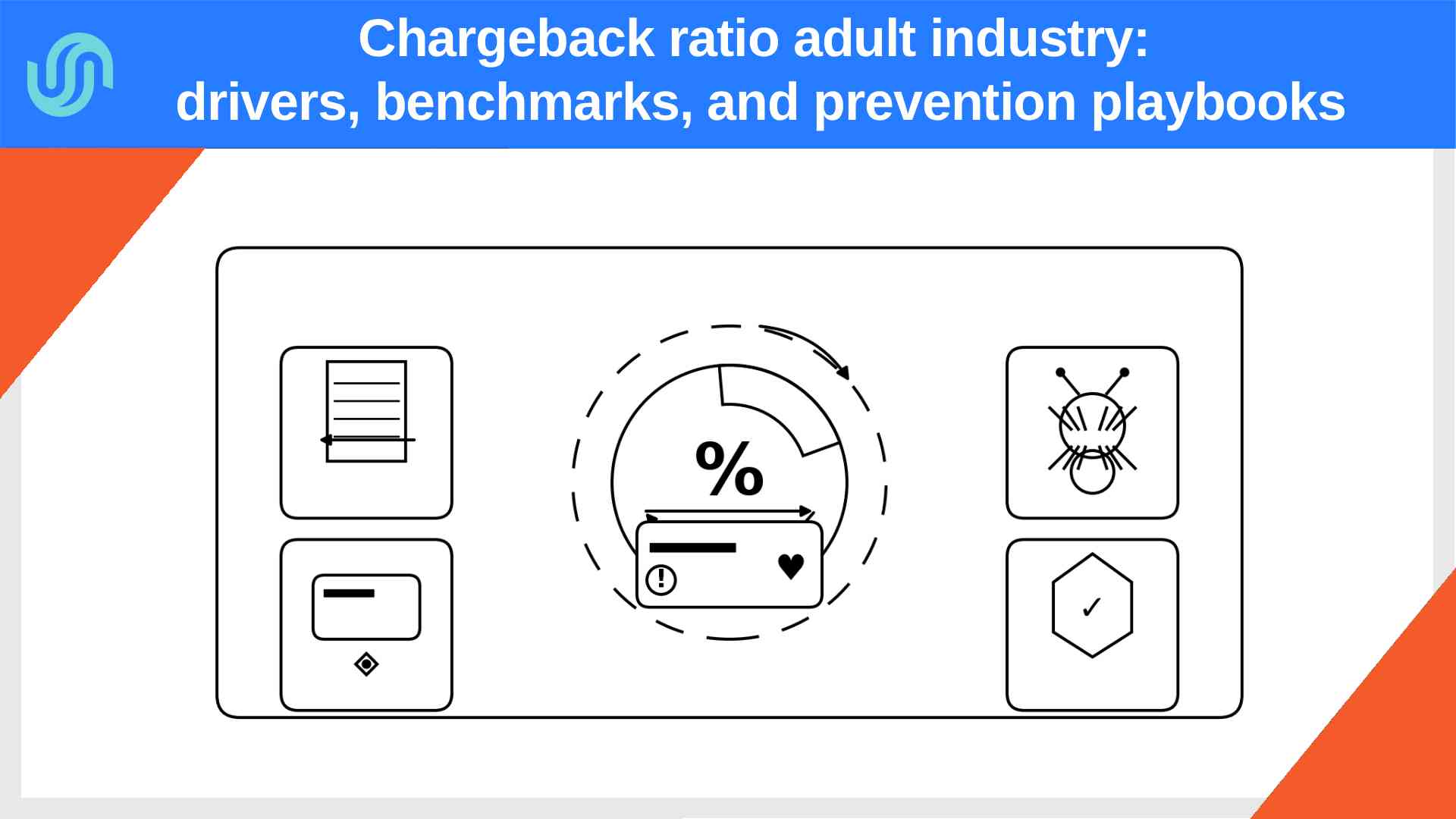
The financial sector maintains a restrictive relationship with the adult industry, often categorized as "high-risk" by banking institutions and payment gateways. This classification stems from a perceived high rate of chargebacks, regulatory scrutiny, and reputational risk. As a result, businesses often face higher transaction fees, rolling reserves (where a percentage of revenue is held by the processor for a specific period), and stricter underwriting requirements.
When sourcing an adult industry reference for financial operations, prioritize information on:
- Merchant Account Underwriting: Understanding the strict documentation required to get approved for credit card processing.
- Alternative Payment Rails: Utilizing crypto-assets or specialized high-risk gateways that do not enforce the same restrictions as traditional Visa/Mastercard processors.
- Chargeback Mitigation: Implementing robust verification methods to prove that the customer authorized the transaction, which is the primary defense against consumer disputes.
Comparison of Operational Requirements
The following table summarizes the primary compliance pillars that entities within the industry must address to maintain status as authorized, legal operators.
| Requirement Category | Primary Objective | Key Risk | Frequency of Action |
|---|---|---|---|
| § 2257 Records | Age and Identity Verification | Federal Criminal Liability | Every new content shoot |
| Data Privacy | GDPR/CCPA Compliance | Regulatory Fines/Lawsuits | Ongoing monitoring |
| Financial Services | Merchant Account Stability | Payment Processor Ban | Monthly audits |
| Content Safety | DMCA/Copyright Defense | Site De-indexing/Shutdown | Per upload/distribution |
Intellectual Property and Digital Safety
Digital safety in the adult industry extends beyond physical record-keeping to the protection of intellectual property (IP). The Digital Millennium Copyright Act (DMCA) provides a mechanism for creators to issue "takedown notices" to platforms hosting unauthorized versions of their content.
A reliable adult industry reference emphasizes the necessity of automated content-protection services. These services scan the web for unauthorized re-uploads of proprietary material. Proactive management of IP ensures that traffic is directed to the creator’s official channels, which is vital for revenue stability and brand control. Furthermore, maintaining official documentation of original production dates is essential for proving ownership in the event of platform disputes.
Troubleshooting Compliance Failures
Common failures in this sector often stem from administrative lapses rather than malicious intent. If a business receives a notice of non-compliance, the following steps are generally advised:
- Immediate Audit: Identify which records are missing or expired.
- Cease Distribution: Temporarily remove content that is not fully supported by § 2257 documentation until the records are rectified.
- Legal Consultation: Engage with counsel specializing in First Amendment or adult industry law to assess the specific scope of the compliance breach.
- Third-Party Verification: Transition to professional, third-party record-keeping services that specialize in managing 2257 archives to ensure professional compliance standards are met.
Frequently Asked Questions
What constitutes a valid record under 18 U.S.C. § 2257?
A valid record consists of a government-issued photo ID (passport, driver's license, or military ID) and a signed statement of age form. The record must also include the performer's legal name, any stage names used, and the date the identification was verified.
Why is the adult industry classified as high-risk by banks?
Banks classify this sector as high-risk primarily due to the potential for high chargeback rates and strict legal scrutiny. The complex regulatory environment, such as the need for § 2257 compliance and potential shifts in obscenity laws, makes it difficult for traditional banks to conduct reliable risk modeling.
How do I protect my brand against unauthorized content leaks?
The most effective defense is a combination of DMCA takedown notices and the use of specialized content-protection software that monitors for infringing uploads. Establishing a clear terms-of-service agreement that forbids redistribution and utilizing watermarked content can also serve as a deterrent.
Are digital signatures accepted for performer record-keeping?
While federal law allows for digital records, the signature must be verifiable and attributable to the performer. Using secure, timestamped electronic document platforms that capture IP addresses and unique user identifiers is the current standard for meeting these requirements.
How often should my compliance records be audited?
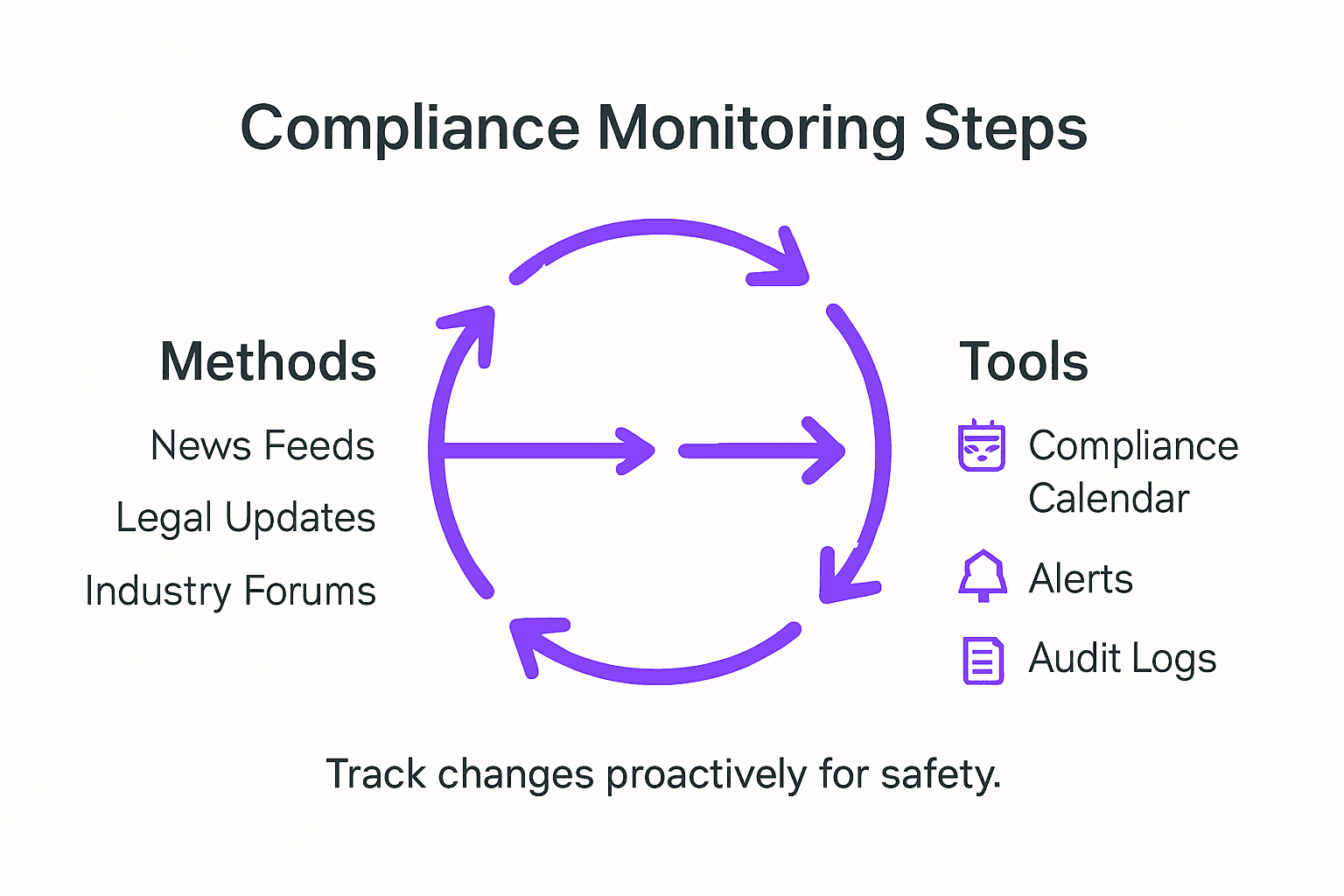
A best-practice approach is to perform a internal compliance audit every quarter. This ensures that no records have been lost or corrupted and that any changes to performer identification documents—such as passport expirations—are addressed before they become a legal liability.
Next Steps for Operational Compliance
For entities looking to formalize their operations in 2026, the most effective next action is a comprehensive audit of all existing performer records. If you are an independent creator or a small production company, consolidate your § 2257 records into a secure, encrypted digital repository. Consult with legal counsel to ensure that your specific business structure—whether sole proprietorship or corporate entity—is fully aligned with current federal record-keeping standards. Do not rely on industry consensus or informal forum advice; rely strictly on current statute and guidance from specialized legal professionals.