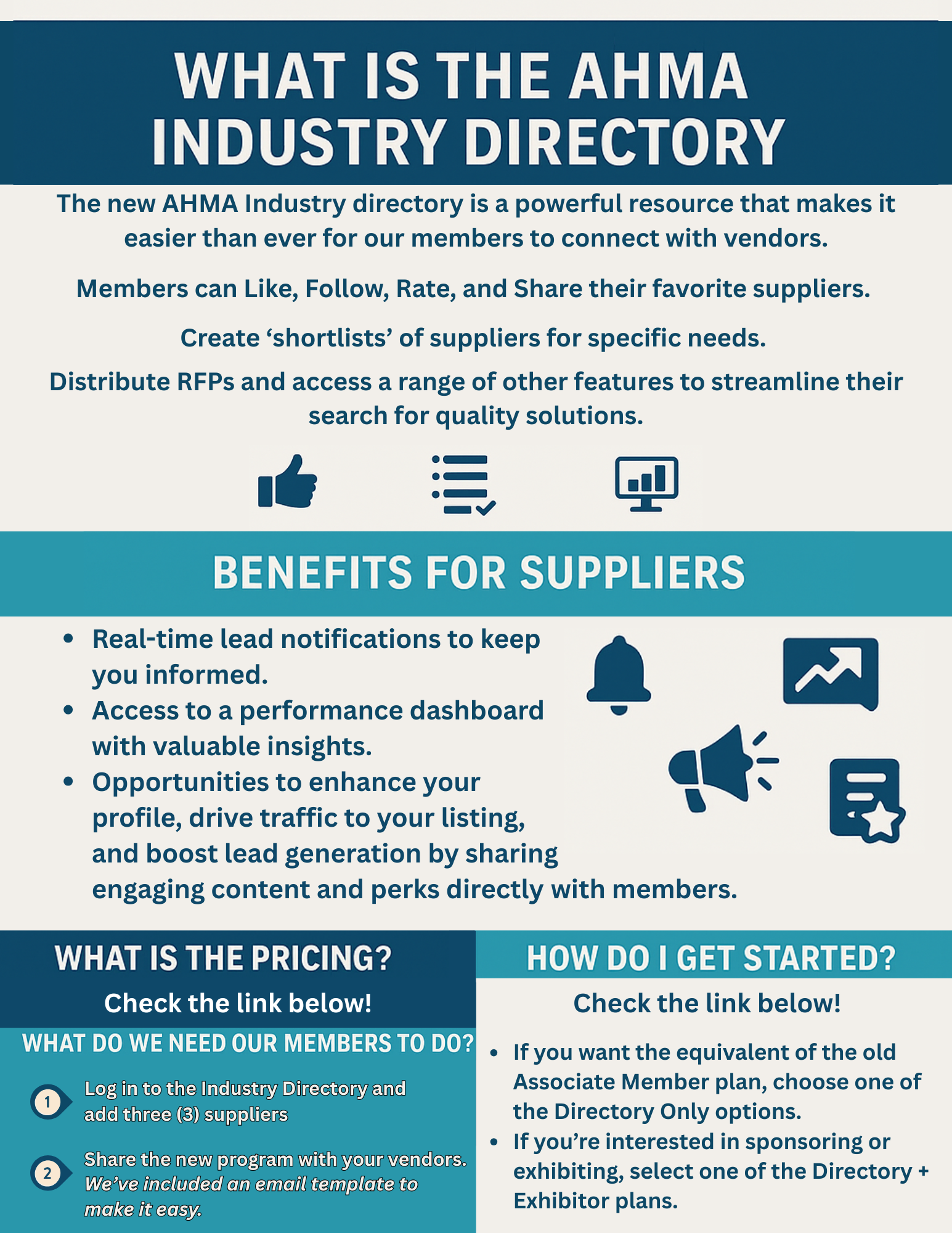
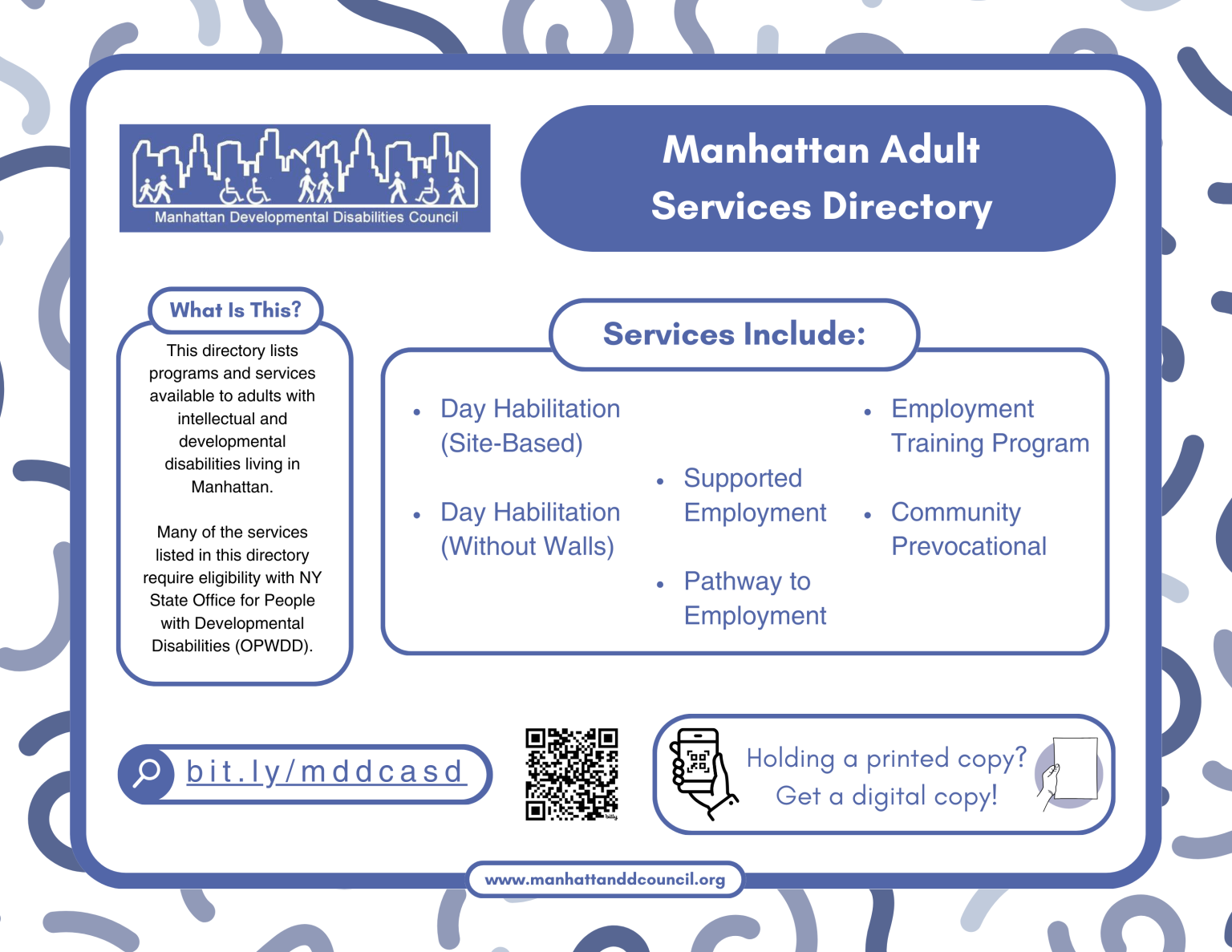
An adult industry directory functions as a centralized, curated index of verified entities, service providers, and professionals operating within the adult entertainment sector. These repositories are essential for B2B networking, establishing supply chain legitimacy, and navigating the complex landscape of regulatory compliance, payment processing, and age-verification services required for legal operations in 2026.
The Role of Directories in Modern Adult Commerce
In the digital economy, the primary utility of an adult industry directory is the mitigation of "high-risk" labeling through transparency. Because the adult sector is frequently subject to unique financial and regulatory oversight, business owners must ensure they are engaging with legitimate, vetted partners. A directory serves as a trust anchor, allowing developers, studio owners, and content creators to identify platforms that adhere to specific international standards, such as the 18 U.S.C. § 2257 record-keeping requirements in the United States or the Age Appropriate Design Code in the United Kingdom.
By utilizing a directory, stakeholders can quickly filter service providers by category—such as Content Delivery Networks (CDNs) that permit adult content, merchant accounts with high-risk tolerance, or specialized legal counsel. This reduces the risk of falling victim to service disruptions caused by sudden account terminations or platform bans, which are common when working with vendors unaware of the specific compliance needs of the industry.
Prerequisites for Inclusion and Due Diligence
Before listing a business or engaging with entities found within a directory, several operational prerequisites must be satisfied. Most reputable directories in 2026 require proof of entity registration, valid tax identification, and, depending on the nature of the business, verified age-screening protocols.
For those using a directory to source services, the most critical step is confirming that the potential partner maintains current compliance certifications. For example, if you are sourcing a payment processor, the directory entry should ideally link to or specify their compliance with Payment Card Industry Data Security Standard (PCI DSS) and their specific policy regarding the high-risk vertical. Never rely solely on a directory listing; always perform independent verification of the provider’s current status by checking their official website and requesting current documentation regarding their terms of service.
Navigating Categorization and Specialized Services
Adult industry directories are typically organized by technical and operational function rather than content style. Understanding this taxonomy is vital for finding actionable solutions to technical bottlenecks.
| Category | Typical Function | Regulatory/Technical Need |
|---|---|---|
| Merchant Services | Payment processing for high-risk accounts | PCI Compliance, Chargeback mitigation |
| Hosting & CDN | Content delivery and infrastructure | DMCA compliance, Adult-tolerant ToS |
| Age Verification | Legal compliance (18 U.S.C. § 2257) | Data privacy, ID parsing accuracy |
| Legal/Compliance | Drafting model release forms | Jurisdictional expertise, Contract law |
| Traffic/Advertising | Audience acquisition | AdTech targeting for adult niches |
The technical depth required to manage these relationships varies. For instance, hosting in the adult industry often involves finding providers who offer "DMCA ignored" or "adult-friendly" infrastructure, which ensures that content creators are not suddenly orphaned due to copyright complaints that might otherwise be handled differently by mainstream cloud providers.
Strategic Use of Directories for Regulatory Compliance
Legal compliance is the most significant hurdle for any business indexed in an adult industry directory. In 2026, regulators worldwide continue to increase the requirements for age assurance. Directory-listed firms are often scrutinized for their adherence to regional laws. When using a directory to find a compliance partner, prioritize firms that provide automated, API-driven verification solutions. These solutions should be able to handle disparate international identity standards, ensuring that a user from the European Union is verified according to GDPR-compliant standards, while a user in the United States meets the relevant domestic requirements.
Failure to vet your partners through these specialized channels can lead to severe operational consequences, including the freezing of corporate assets by payment gateways or the involuntary shutdown of web services by registrars who may change their acceptable use policies without notice. A directory is your first line of defense in identifying partners who are committed to the long-term stability of the adult sector.
Common Pitfalls and Troubleshooting
A common error among new entrants is the assumption that any service provider listed in an adult directory is automatically compliant with every local law. Directories are aggregators, not regulators. You must perform an independent "technical audit" of any vendor.
- Check Stability: Review the provider’s history. Have they faced recent waves of de-platforming?
- Review Terms of Service (ToS): Explicitly look for the clause that permits adult content. If the ToS is vague, the service is a liability.
- Validate Integration: Ensure their API or service protocols match your technical stack. High-risk processing often requires specific gateway integrations that may not be compatible with standard retail plugins.
- Monitor Updates: The regulatory environment shifts rapidly. Subscribe to the newsletter or legal updates provided by your chosen partners to ensure your business remains ahead of new mandates.
If you experience service failure, such as a payment gateway rejection, refer to your directory entries to find alternative service providers who maintain a similar risk profile. Being part of an established professional network or directory allows for faster pivots when primary services are disrupted by external industry shifts.
Frequently Asked Questions
Is inclusion in an adult industry directory mandatory for legal compliance?
No, inclusion is not a legal mandate. However, it is a strategic business practice. It facilitates access to partners who explicitly accept the risks associated with the industry, reducing the likelihood of service termination due to "acceptable use" policy violations.
How do I verify the legitimacy of a provider listed in a directory?
Always cross-reference the directory entry with the official business registration and current regulatory filings. Contact the provider directly and request documentation regarding their specific handling of high-risk merchant accounts or their compliance with regional age-gating laws.
Are all directories equally trustworthy in 2026?
Not necessarily. Trustworthiness depends on the curation process. Look for directories that require manual verification of the listed businesses and those that offer regular updates. Avoid directories that allow any entity to post without proof of existence, as these are often prone to hosting fraudulent or "scam" service providers.
Can a directory help me find legal counsel?
Yes, many professional directories include sections for legal firms specializing in adult entertainment law, intellectual property, and contract drafting for performers. These firms are essential for navigating the complex web of talent contracts and international distribution rights.
How often should I re-evaluate the service providers I found through a directory?
In the current digital environment, a quarterly review is recommended. Regulatory changes, changes in payment processor policies, and shifts in platform hosting requirements occur frequently. Ensure your business remains aligned with the latest standards by auditing your partners every three to four months.
Next Steps for Businesses
If you are currently operating in this space, your immediate next action should be to conduct a "compliance audit" of your existing service stack. Compare your current vendors against a reputable, curated industry directory to see if you are using providers with specific, documented experience in the adult vertical. If you identify a gap—such as an reliance on a general-purpose host that is increasingly hostile to adult content—use the directory to shortlist three alternative, industry-vetted providers, contact them for a discovery call, and begin the process of migrating your critical infrastructure to a more stable environment.