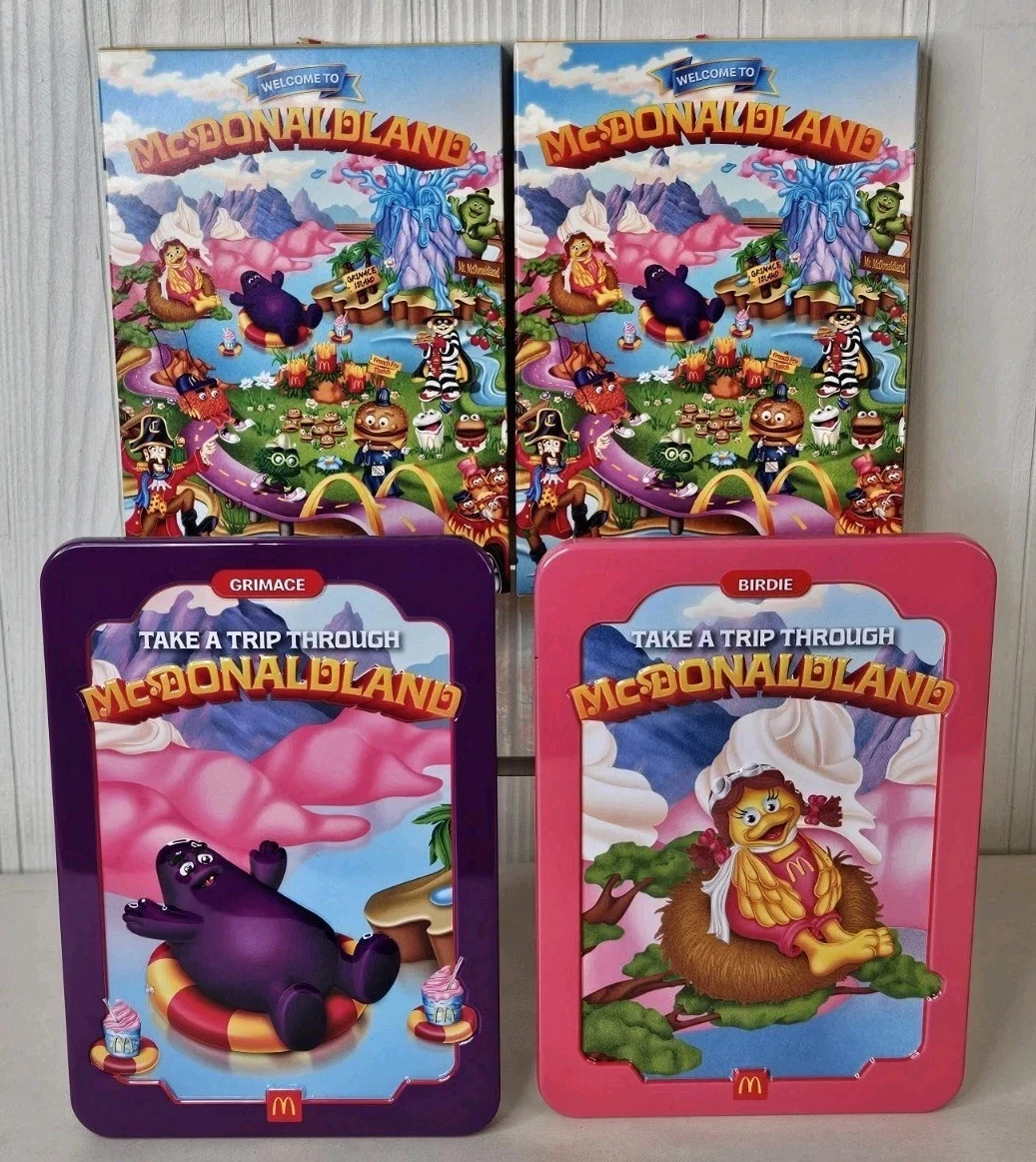
Adult Happy Meal tins represent a convergence of mid-20th-century consumer branding and modern culinary trends, serving as decorative, highly collectible vessels that evoke childhood nostalgia while accommodating the elevated dietary preferences of the contemporary adult. These items function primarily as storage containers, display pieces, or curated gift boxes, bridging the gap between mass-market fast-food culture and the burgeoning industry of premium adult-targeted memorabilia.
The Evolution of Nostalgic Packaging
The concept of the "Happy Meal" originated in the late 1970s as a strategic marketing maneuver by global fast-food chains to capture the youth demographic through integrated branding—combining a meal with a tactile, collectible prize. By 2026, the cultural cohort that grew up during the peak of this era has reached a level of disposable income that drives a secondary market for "adult-themed" iterations of these items.
Manufacturers and independent creators have capitalized on this by producing high-quality, durable tins that mimic the aesthetic of classic cardboard lunch boxes. Unlike the original paper-based packaging, these adult-oriented tins are typically constructed from enameled steel or aluminum. This shift in material science reflects a transition from disposable, single-use packaging to permanent home goods. These tins are designed for longevity, often featuring debossed lids and vintage-inspired lithography that serves to anchor the user in a specific historical design period while offering the utility of a modern pantry or storage solution.
Anatomy and Construction of Collector Tins
When evaluating adult Happy Meal tins, the primary criteria for quality are material integrity, hinge mechanism longevity, and the archival quality of the printed artwork. Collectors and users should prioritize tins that utilize cold-rolled steel, as this material provides sufficient structural rigidity to withstand long-term use without denting or warping.
The hinge mechanism is a critical technical consideration. Older, lower-cost reproductions often rely on simple "pinned" hinges that may loosen over time. Premium versions, frequently sold by specialized hobbyist retailers, employ integrated piano hinges or reinforced wrap-around closures. Understanding these specifications is essential for users who intend to use the tins for food storage or as functional lunch containers, as a secure closure is necessary to protect the internal contents from environmental degradation, such as oxidation or moisture ingress.
Practical Applications and Storage Utility
While these tins are frequently purchased for their aesthetic value, they offer distinct practical benefits in home organization and culinary presentation. Their standardized dimensions—typically mimicking the classic rectangular box format—make them ideal for modular storage in pantry environments.
| Feature | Standard Cardboard Box | Premium Collector Tin |
|---|---|---|
| Material Durability | Low (Single-use) | High (Long-term) |
| Environmental Protection | Minimal | High (Airtight potential) |
| Aesthetic Retention | Degradable | Archival/Fade-resistant |
| Primary Utility | Waste Generation | Heirloom/Organization |
For users looking to incorporate these into "grown-up feasts," the tins serve as excellent vessels for dry goods, specialized snack service, or even as thematic gift packaging for curated food items. When used for food storage, it is essential to ensure the interior is lined with food-grade lacquer or to utilize secondary packaging, such as parchment or silicone, to prevent direct contact between the food and the metal surface, which may be susceptible to micro-corrosion if not properly sealed.
Addressing the Collector Market: Verification and Value
The secondary market for these items is heavily influenced by provenance and the scarcity of specific designs. In 2026, the distinction between a mass-produced novelty item and a limited-edition artist collaboration is a primary factor in pricing. Collectors should verify the legitimacy of a piece by inspecting the maker’s mark, typically found on the bottom or interior lip of the base.
Genuine collector tins will often feature a serial number or a holographic stamp indicating a limited production run. Buyers should remain cautious of "aged" replicas—newly manufactured tins artificially distressed to appear vintage. To differentiate, examine the quality of the lithographic printing. True vintage or high-end reproductions will exhibit sharp, registration-perfect color patterns, whereas mass-market knockoffs often show pixelation or inconsistent saturation.
Managing Expectations: Maintenance and Hygiene
Maintaining the structural and aesthetic integrity of an adult Happy Meal tin requires specific care routines. Because these items are primarily intended for display or dry storage, they are generally not suitable for dishwasher use. The high-temperature cycles and harsh detergents of modern dishwashers can rapidly compromise the integrity of the enameled finish, leading to chipping, flaking, or rust development at the seams.
To maintain these items, follow these maintenance protocols:
- Cleaning: Use a soft, lint-free cloth dampened with a mild, non-abrasive detergent. Wipe the exterior gently to remove dust and oils.
- Drying: Immediately follow cleaning with a dry cloth to ensure no moisture remains in the crevices of the hinge or the lip of the lid, as these are the most common points of origin for rust.
- Storage: Keep away from direct sunlight for extended periods to prevent UV-related fading of the printed motifs.
- Residue Removal: If storing dry snacks directly, use food-safe liners to prevent residual oils from leaching into the metal, which can attract dust and complicate future cleaning.
Frequently Asked Questions
Are adult Happy Meal tins food-safe for direct consumption?
Most collector tins are designed for decorative use or dry storage. Unless a tin is explicitly labeled as "food-grade" or "FDA-compliant" for direct food contact, it is recommended to use a food-safe silicone, wax paper, or parchment liner before placing food inside to avoid chemical interaction with the metal or paint.
How can I identify if my tin is a genuine limited edition or a mass-produced reprint?
Check for professional manufacturer marks, embossing depth, and the complexity of the hinge. Authentic limited-edition pieces will usually accompany a certificate of authenticity or have a debossed maker’s stamp on the underside, whereas mass-market replicas often feature flat printing and simpler, non-reinforced hinges.
What is the best method to remove rust from an vintage tin?
Surface rust can often be gently removed using a paste made of baking soda and a very small amount of water. Apply with a microfiber cloth, rub lightly, and dry immediately. However, if the rust has penetrated the base metal, the structural integrity of the tin may be compromised, and aggressive scrubbing may cause further aesthetic damage.
Can these tins be used for long-term pantry storage?
Yes, they function well as decorative pantry containers. For long-term storage, ensure the environment has low humidity, as high-moisture air can cause the metal to oxidize over time. Using silica gel packets inside the tin can help mitigate moisture levels if the tin is being used for items that might be sensitive to humidity.
Next Actions for Enthusiasts
If you are looking to acquire your first piece, start by vetting online marketplaces for reputable sellers who provide detailed high-resolution images of the interior and the hinge mechanism. Prioritize listings that specify the material (e.g., "heavy-gauge steel") rather than generic terms. For those already in possession of a collection, consider cataloging your items by design year and manufacturer mark to better track potential value appreciation and ensure proper archival storage. When selecting items for a "grown-up feast," focus on pairing the aesthetic of the tin with the theme of your event, using these items as centerpiece containers that spark conversation while serving a functional purpose.