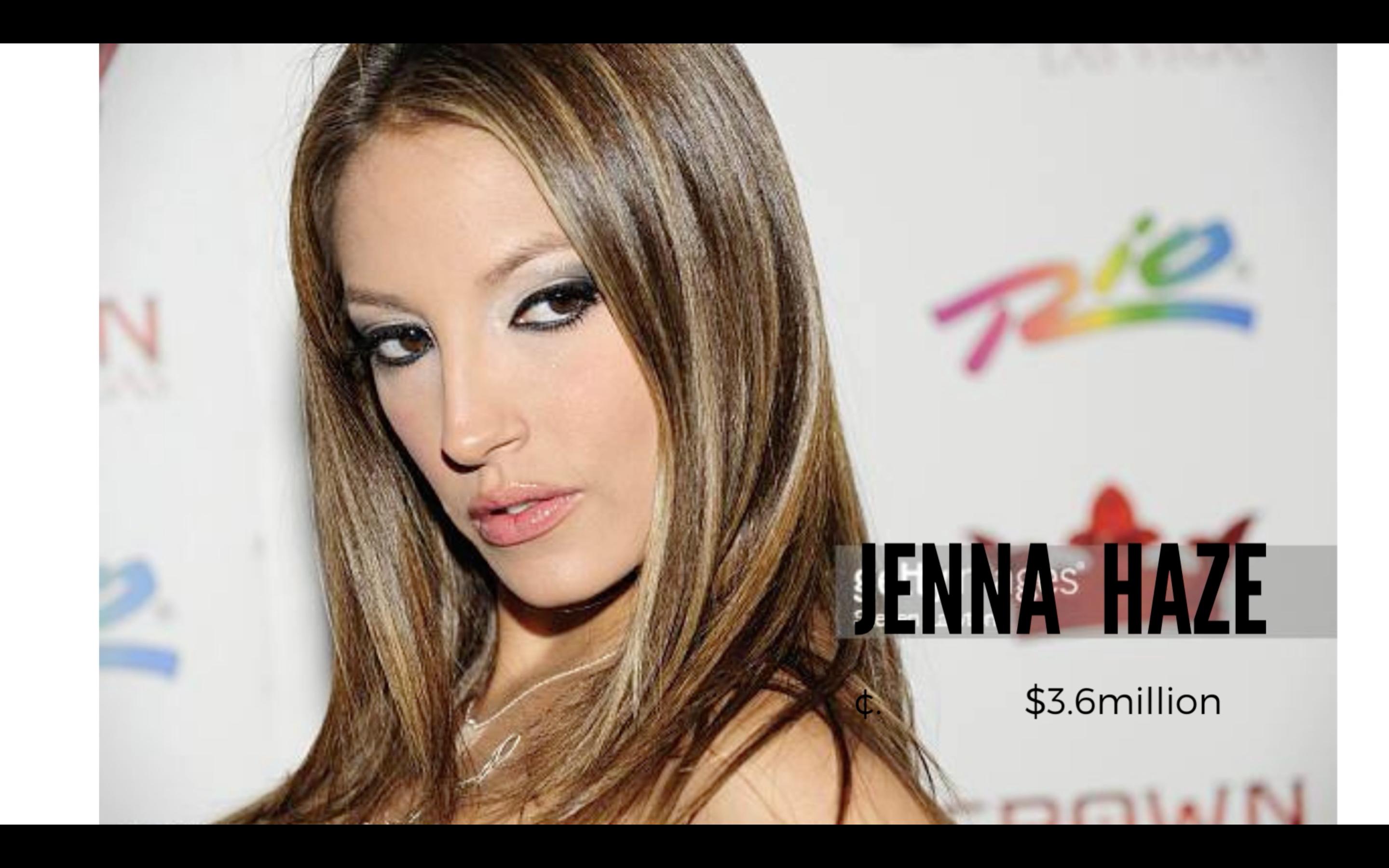
An adult film actress profile serves as the primary digital and professional identity for performers within the adult entertainment industry. It functions as a centralized hub for promotional photography, verified performance credentials, contact information, and links to official subscription platforms, acting as the essential bridge between the performer and their audience while facilitating brand management.
The Purpose of a Professional Profile
In the modern landscape of adult entertainment, a professional profile is far more than a simple gallery of images. It functions as the foundational document for an performer's personal brand. By aggregating official content, social media presence, and verified links to authorized subscription services—such as Fansly, OnlyFans, or various studio portfolios—a profile allows performers to maintain control over their image and monetization channels.
For the performer, the profile acts as a central repository for "evergreen" information: measurements, performance preferences, and verified status. For the audience, it provides a trusted source of information that helps differentiate official, performer-managed content from third-party aggregators or unauthorized redistributions. This distinction is critical in an era where digital piracy and impersonation remain persistent challenges for professionals in the industry.
Essential Components and Requirements
A comprehensive profile generally requires a specific set of verified data points to establish legitimacy and professional standing. While individual branding strategies vary, most industry-standard profiles include a standardized set of information designed to assist producers, agents, and fans alike.
- Verified Identity Documentation: To prevent impersonation, professional profiles often include verified checkmarks or links to official identity verification services.
- Biographical Data: This typically includes a professional stage name, accurate physical measurements (height, weight, and specific aesthetic markers), and current region of operation or base of production.
- Portfolio and Media Gallery: High-resolution professional photography is standard. This should include a mix of headshots, promotional stills from recent scenes, and editorial content that reflects the performer’s specific niche or genre.
- Production History: A curated list of studio collaborations, award nominations, or notable project features helps establish career longevity and professional pedigree.
- Communication Channels: This section clearly delineates how fans can interact with the performer (e.g., social media handles) and how industry professionals can reach them (e.g., booking email or agent contact).
Comparative Overview of Profile Platforms
Performers generally choose between hosting their profile on personal, self-managed websites or utilizing established third-party platforms. Each approach presents distinct advantages and operational costs.
| Platform Type | Primary Benefit | Control Level | Maintenance Effort |
|---|---|---|---|
| Self-Hosted Site | Total Brand Control | High | High |
| Industry Portal | Networking/Exposure | Medium | Low |
| Social Media Hub | Direct Fan Engagement | Low (Policy-dependent) | Medium |
| Aggregator Site | SEO and Discovery | None | Low |
For those choosing to host their own domain, the primary challenge is maintaining SEO relevance and managing site security. Conversely, industry-standard portals offer built-in traffic and administrative tools but require strict adherence to the site's Terms of Service and content moderation guidelines.
Establishing and Maintaining Legal Compliance
Compliance with 18 U.S.C. § 2257, which requires the maintenance of detailed record-keeping regarding the age and identity of performers, is a cornerstone of the industry in the United States. While an individual actress’s public profile is not the same as the legal compliance records held by a studio, an actress must be prepared to provide updated, valid government-issued identification whenever starting a new professional partnership.
Performer profiles should never include sensitive PII (Personally Identifiable Information) that could lead to doxxing, such as residential addresses, legal names, or private financial details. Maintaining the separation between the professional stage identity and the private legal identity is the most effective form of risk management for adult film actresses.
Managing Brand Identity and Security
Digital security is a recurring concern for performers. When establishing a profile, the use of two-factor authentication (2FA) for all linked platforms is essential. Furthermore, performers often utilize "Link-in-bio" tools to consolidate their presence across multiple platforms. This practice must be managed carefully: ensure that every link included in the profile is a direct, verified pathway to the intended destination to avoid directing traffic to malicious or unauthorized sites.
Common mistakes in profile management include:
- Outdated Portfolios: Failing to update headshots or performance categories can lead to a disconnect between the performer's brand and their actual work.
- Neglected Security: Reusing passwords across a profile, an email account, and a subscription site creates significant vulnerabilities.
- Ambiguous Contact Information: Failing to distinguish between fan mail and professional booking inquiries can lead to overwhelmed inboxes and missed opportunities.
FAQ: Common Questions Regarding Profile Management
How can a performer verify their profile on industry platforms?
Most major industry portals require a performer to submit a copy of their government-issued ID alongside a "verification photo"—a selfie holding the ID and a handwritten note with the current date. This information is typically deleted or hashed after verification is complete to protect the performer’s privacy.
Should an actress use her legal name on a professional profile?
Generally, no. It is industry standard to use a distinct stage name. This allows for a necessary professional boundary between the performer’s personal life and their work. Keeping legal identity separate is a fundamental security practice.
How often should a profile be updated?
A profile should be reviewed at least quarterly. Updates are necessary whenever the performer changes their visual aesthetic, transitions into a new genre of content, or shifts their focus toward different monetization platforms.
What should be done if an unauthorized profile is discovered?
Performers should follow the DMCA (Digital Millennium Copyright Act) takedown process. Most reputable host platforms and search engines provide automated reporting forms that allow the owner of the image or the entity holding the rights to request the removal of unauthorized or infringing content.
Is it necessary to have a dedicated website?
While not strictly required, a dedicated website acts as an insurance policy against the volatility of social media policies. Having a site that you own and control ensures that your content and audience remain accessible even if a specific social platform changes its terms or bans your account.
Optimizing Your Professional Presence
If you are preparing or updating your profile, your next logical action is to conduct a "digital audit." Search for your current stage name across primary search engines and the leading industry portals. Note which sites are accurate, which are outdated, and which are completely unauthorized. Once identified, create a checklist to update your official channels first. After your official hub is current, systematically request corrections or takedowns for inaccurate third-party information. By standardizing your presence, you improve your discoverability and protect your professional brand integrity.